
You spent the day at the lake, maybe a little longer than planned. By evening, your skin is red and tender, and you feel run-down in a way that sleep alone does not seem to fix. Most people chalk that up to a bad sunburn and move on. Sometimes, though, what feels like a rough day in the sun is actually sun poisoning, a more serious reaction that calls for a different response.
Sunburn and sun poisoning both result from overexposure to ultraviolet (UV) radiation. The difference comes down to severity and how your body reacts. Knowing which one you are dealing with helps you treat it properly and avoid complications that can turn a few uncomfortable days into a trip to urgent care or the dermatologist.
What Is Sunburn, and Why Does It Happen?

Sunburn is the skin’s inflammatory response to UV radiation damage. When UV rays penetrate the skin, they damage the DNA in skin cells. The redness, warmth, and tenderness you feel are signs of that inflammation as your immune system responds to the injury.
Symptoms of a typical sunburn include red or pink skin that is warm and sensitive to the touch, mild swelling, and peeling that begins a few days later as damaged skin cells shed. You may feel some fatigue and mild discomfort. These symptoms are generally confined to the skin itself. Most sunburns resolve on their own within three to five days with basic care.
According to the Skin Cancer Foundation, a single blistering sunburn in childhood or adolescence more than doubles a person’s lifetime risk of developing melanoma. Even sunburns that do not blister accumulate damage over time. Repeated sunburns are one of the strongest preventable risk factors for skin cancer, which is why dermatologists take UV exposure so seriously.
What Makes Sun Poisoning Different?
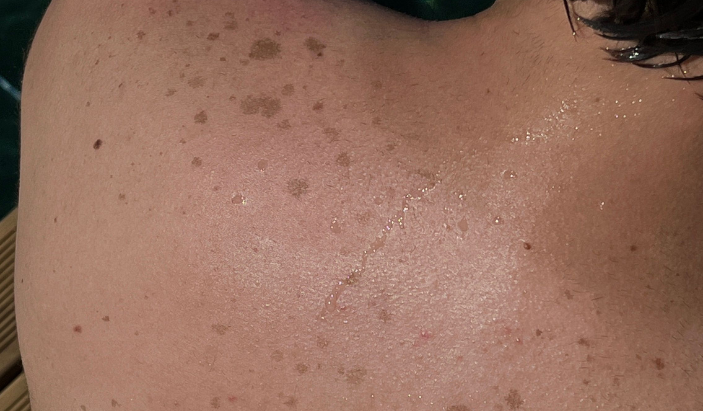
Sun poisoning is not a poisoning in the medical toxicology sense. The term refers to a severe sunburn that triggers a systemic reaction, meaning your body responds beyond the skin. Some people call it photodermatitis or polymorphous light eruption (PMLE), though those conditions involve specific immune reactions to sunlight and can differ from a straightforward overexposure reaction.
The skin symptoms are more severe than a typical sunburn. Blistering, intense swelling, and skin that looks tight or leathery are common. The defining feature of sun poisoning, though, is that you feel sick. Nausea, vomiting, headache, dizziness, and fever separate sun poisoning from ordinary sunburn. Chills, dehydration, and in serious cases, a rapid heart rate or confusion can accompany these symptoms.
Some people also develop a rash of small bumps or hives, which points toward an immune-mediated response to sun exposure. Fair-skinned individuals, people spending long hours outdoors at high altitudes or near reflective surfaces like water and snow, and those taking medications that increase sun sensitivity face higher risk.
How Do You Tell the Two Apart?
The clearest signal is how you feel overall. A sunburn hurts and looks bad, but you still feel relatively normal otherwise. Sun poisoning crosses into feeling genuinely ill. If you have nausea, a fever, dizziness, or a severe headache on top of your skin symptoms, sun poisoning is the more likely explanation.
Look at the skin, too. Sunburn produces an even redness across the exposed area. Sun poisoning often brings blistering, significant swelling, or a rash pattern that looks unusual compared to regular redness. If the skin appears wet, oozing, or blistered across a large area of the body, that is a sign the reaction has gone beyond a mild sunburn.
The timeline matters as well. Sunburn symptoms peak around 24 to 36 hours after exposure and then start to improve. Sun poisoning symptoms can intensify over the first day or two and take considerably longer to resolve. If things seem to be getting worse instead of better after 48 hours, that is worth paying attention to.
What Should You Do If You Have a Sunburn?
Treating a standard sunburn starts with cooling and hydration. Get out of the sun immediately and stay out. Cool (not cold) showers or compresses can reduce heat and discomfort in the skin. Drink extra water because UV radiation dehydrates the body even when you do not feel thirsty.
Apply a fragrance-free moisturizer or aloe vera gel to the affected skin. Aloe has mild anti-inflammatory properties and can ease discomfort. Avoid products with added fragrances, alcohol, or numbing agents like benzocaine, which can irritate damaged skin or cause allergic reactions. Over-the-counter ibuprofen or naproxen helps reduce inflammation and pain and works better for sunburn than acetaminophen alone.
Do not pop blisters if they form. Blisters are the skin’s natural protective barrier over the damaged area. Breaking them opens the wound to infection. If blisters do develop, keep the area clean and covered with a non-stick bandage. Once the skin starts peeling, let it happen on its own rather than pulling it off prematurely.
What Should You Do If You Have Sun Poisoning?
Sun poisoning with mild systemic symptoms, such as a slight headache and nausea, can often be managed at home with aggressive hydration, rest, and the same topical care used for sunburn. The key difference is that dehydration is a real risk. Water and electrolyte drinks are both important. If you cannot keep fluids down because of vomiting, that changes the situation.
Seek medical attention if you have a fever above 103 degrees Fahrenheit, severe or spreading blisters, confusion or extreme dizziness, a rapid heartbeat, or if you are unable to stay hydrated due to persistent vomiting. Children, older adults, and anyone with a compromised immune system should seek care sooner rather than waiting to see if symptoms improve.
Emergency care is appropriate for anyone showing signs of heat stroke alongside sun poisoning: confusion, loss of consciousness, no sweating despite extreme heat, or skin that looks gray or mottled. Heat stroke is life-threatening and requires immediate intervention.
When Should You See a Dermatologist After Sun Exposure?
A single bad sunburn may not require a dermatology visit, but several situations do. If you notice a rash that keeps returning with sun exposure, that points toward polymorphous light eruption or another photosensitivity condition, and a board-certified dermatologist can diagnose it and outline a management plan.
Any new or changing spot on sun-damaged skin deserves a professional look. Repeated sun exposure increases the risk of basal cell carcinoma, squamous cell carcinoma, and melanoma, the three most common types of skin cancer. Catching these early makes treatment far more straightforward. Dermatologists recommend annual skin checks for anyone with a history of significant sun exposure, multiple sunburns, or a family history of skin cancer.
If you live in the Chattanooga area, Chattanooga Skin and Cancer Clinic has provided medical dermatology care since 1973. The practice’s board-certified dermatologists see patients at three locations, including Chattanooga, Cleveland, and Kimball, and offer skin cancer screenings, mole evaluation, and treatment for chronic skin conditions.
How Do You Protect Your Skin From UV Damage Going Forward?
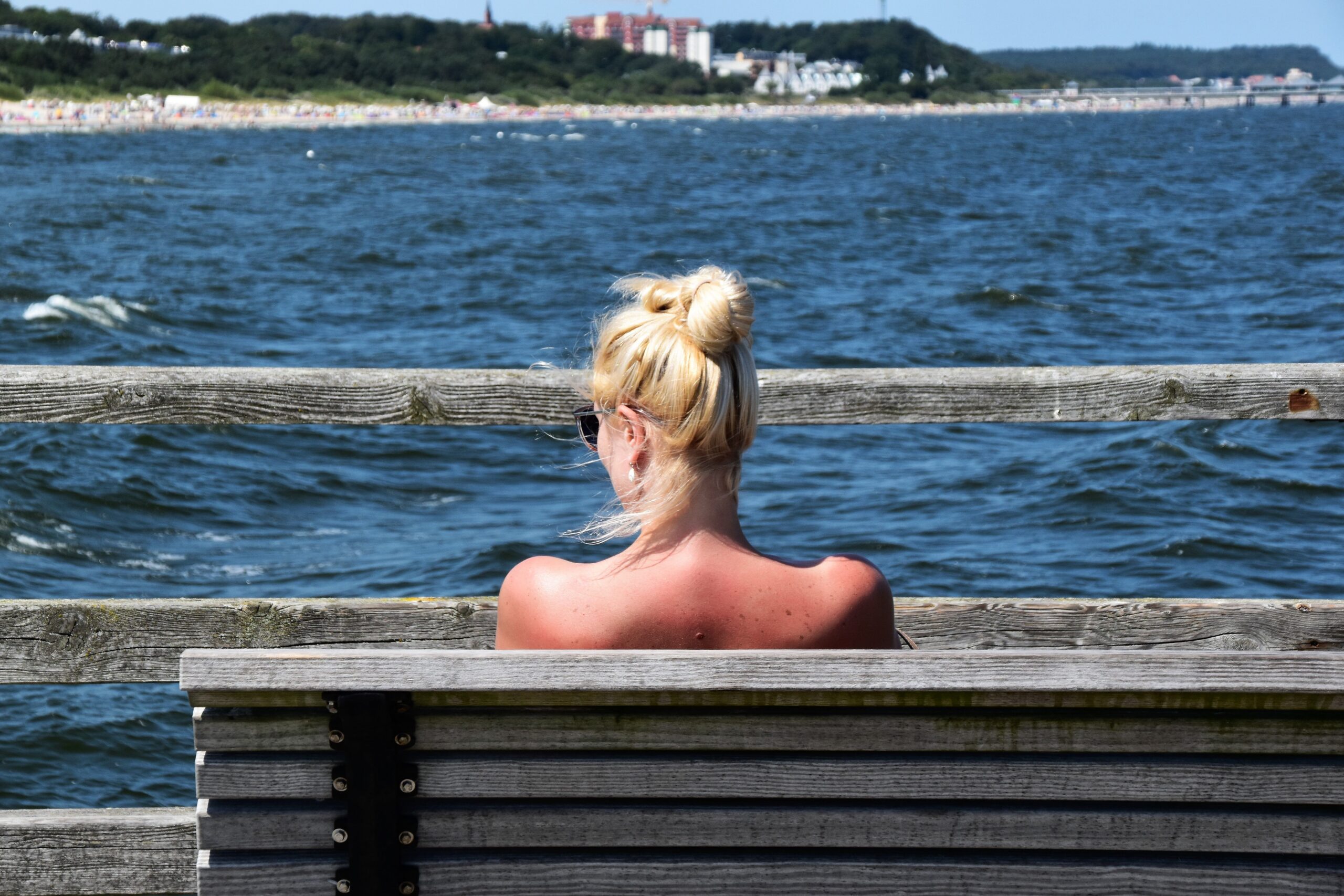
The best defense against both sunburn and sun poisoning is consistent sun protection. Broad-spectrum sunscreen with SPF 30 or higher, applied 15 to 30 minutes before going outside and reapplied every two hours (or after swimming or sweating), forms the foundation of that protection. Most people apply far less sunscreen than needed for adequate coverage. Be generous on the face, neck, ears, and hands, which tend to accumulate the most UV exposure over a lifetime.
UV-protective clothing, wide-brimmed hats, and sunglasses add another layer of defense, especially during peak UV hours between 10 a.m. and 4 p.m. Shade helps during those hours. Reflective surfaces like water, sand, and concrete intensify UV exposure even when cloud cover makes the day feel mild, so sun protection applies on overcast days as well.
Certain medications, including some antibiotics, antihistamines, and diuretics, increase photosensitivity. If you take any prescriptions and plan to spend extended time outdoors, ask your doctor or pharmacist whether extra precautions make sense.
Frequently Asked Questions About Sunburn and Sun Poisoning
Can you get sun poisoning on a cloudy day?
Yes. Up to 80 percent of UV rays pass through cloud cover. Overcast skies reduce but do not block UV radiation, and many serious sunburns and sun poisoning cases happen on cloudy days when people skip sunscreen because the sun does not feel intense.
How long does sun poisoning last?
Mild cases often resolve within two to three days. More severe cases with significant blistering or systemic symptoms can last up to a week or longer. If symptoms persist beyond a week or worsen after the first couple of days, see a doctor.
Does tanning prevent sunburn?
A tan offers minimal protection, roughly equivalent to an SPF of 2 to 4. It does not prevent UV damage. Each tanning session adds to cumulative DNA damage in the skin, which raises long-term skin cancer risk regardless of whether it results in a burn.
Are some people more prone to sun poisoning?
Fair-skinned individuals with less natural melanin face higher risk. People with a personal or family history of photosensitivity reactions, those at high altitudes, and anyone taking photosensitizing medications are also more susceptible. A history of previous sun poisoning episodes is one of the strongest predictors of future episodes.
When does a sunburn require emergency care?
Head to the emergency room or call 911 if you experience confusion, loss of consciousness, a rapid or irregular heartbeat, inability to keep fluids down, or signs of heat stroke alongside severe skin symptoms. These are medical emergencies that go beyond what at-home care can address.
How does sun exposure contribute to skin cancer risk?
UV radiation damages the DNA in skin cells, and that damage accumulates with each exposure. When DNA repair mechanisms cannot keep up, mutations can develop that lead to uncontrolled cell growth, which is how skin cancer forms. Melanoma, basal cell carcinoma, and squamous cell carcinoma are all strongly linked to UV exposure history.
Should I schedule a skin check after a severe sunburn?
A severe sunburn, especially one that blisters, is a reasonable prompt to schedule a baseline skin check with a dermatologist, particularly if you have other risk factors like fair skin, many moles, or a family history of skin cancer. Annual skin cancer screenings are a smart habit for anyone with a history of significant UV exposure.
Sun damage adds up over a lifetime, and the choices you make now affect your skin health for years to come. If you are overdue for a skin check or have concerns about spots, moles, or a history of sunburns, Chattanooga Skin and Cancer Clinic is accepting new patients at all three locations. The clinic’s board-certified dermatologists specialize in medical dermatology and skin cancer detection, with more than 50 years of experience serving the greater Chattanooga region. Call 423-899-2700 to schedule in Chattanooga, 423-479-8648 in Cleveland, or 423-815-9975 in Kimball.