
Personalized Acne
Treatment in Chattanooga
Clearer skin is possible. Board-certified dermatology care for teens, adults, and every age in between.
Established 1973 • 3 locations • 5 MDs + 6 NPs + 2 PAs • BBB A+ • Board-certified by the American Board of Dermatology.
Acne is the most common skin condition in the United States, affecting an estimated 50 million Americans every year. The good news is that almost every case of acne can be improved with the right treatment plan. At Chattanooga Skin and Cancer Clinic, our board-certified dermatologists treat acne in patients of every age, from preteens experiencing their first breakouts to adults dealing with stubborn hormonal acne. We take time to understand your skin, your history, and your goals, then build a plan that actually works.
LEARN ABOUT ACNE
What
Is Acne?
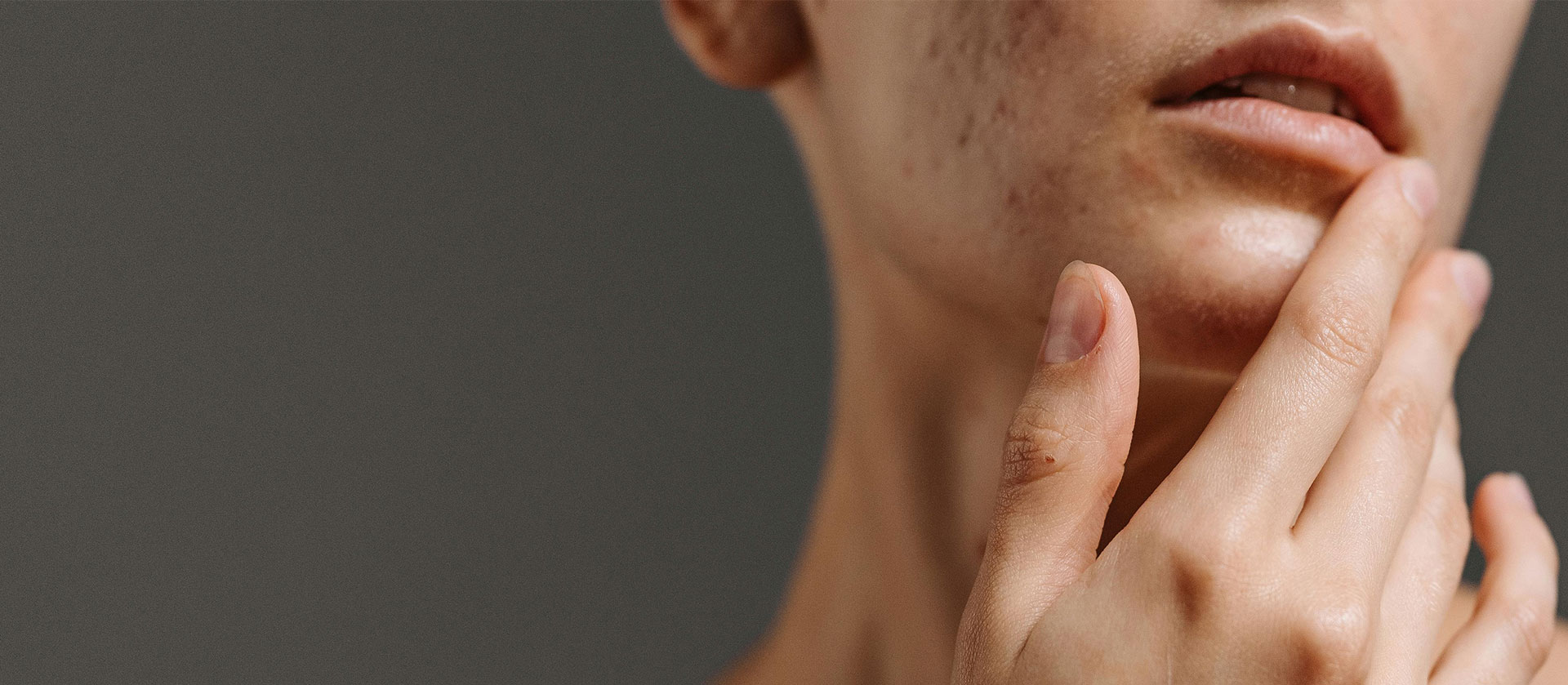
Acne is a chronic skin condition that develops when hair follicles become clogged with oil, dead skin cells, and bacteria. The result can be whiteheads, blackheads, papules, pustules, and in more severe cases, painful cysts and nodules deep beneath the skin.
Acne most commonly appears on the face, but it can also affect the chest, back, shoulders, and neck. Although it is often associated with adolescence, acne can develop or persist at any age. Adult acne, especially in women, has become increasingly common.
Untreated or poorly treated acne can leave behind scars and dark marks. That is one of the most important reasons to see a dermatologist sooner rather than later. The earlier we treat, the less likely you are to develop lasting marks.
Types and Signs of Acne
Acne shows up differently from person to person.
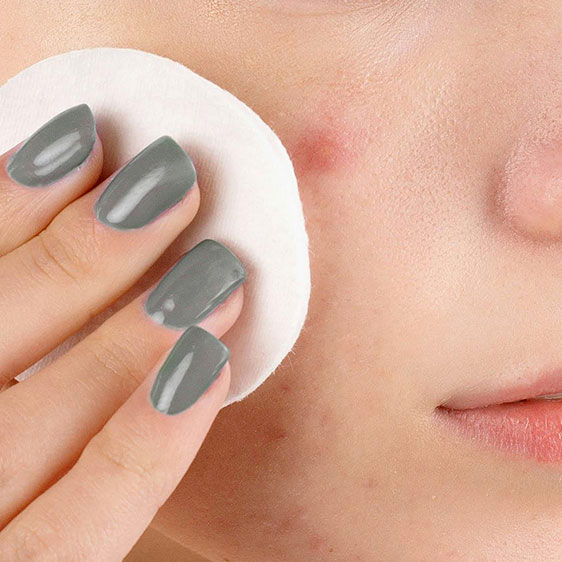
The most common types include:
- Whiteheads (closed, plugged pores)
- Blackheads (open, plugged pores)
- Papules (small red, tender bumps)
- Pustules (papules with pus at the tip, also called pimples)
- Nodules (large, painful lumps beneath the surface)
- Cysts (deep, painful pus-filled lumps)
- Hyperpigmentation and dark spots after breakouts
- Acne scars (rolling, boxcar, or icepick scars)
What
Causes Acne?
Acne is rarely caused by a single factor. Most cases are driven by a combination of:
- Excess oil production from sebaceous glands
- Hormonal changes, especially during puberty, menstruation, pregnancy, and perimenopause
- Bacteria (Cutibacterium acnes) that thrive in clogged pores
- Genetics (acne often runs in families)
- Stress, which can worsen breakouts
- Certain medications, including some steroids and lithium
- High-glycemic diets and dairy in some patients
- Friction from helmets, masks, backpacks, or phones (“acne mechanica”)
EXPERT CARE
How We Treat Acne
There is no one-size-fits-all approach to acne. Your dermatologist will recommend a plan based on the type and severity of your acne, your skin type, and your medical history. Common treatments include:
Topical retinoids
The cornerstone of most acne treatment plans. Retinoids unclog pores, prevent new breakouts, and improve scarring over time.
Topical and oral antibiotics
For inflammatory acne. Used short-term to reduce bacteria and calm inflammation.
Hormonal therapy
Including birth control pills and spironolactone, especially helpful for adult women with hormonal acne along the jawline and chin.
Isotretinoin (Accutane)
For severe, scarring, or treatment-resistant acne. Highly effective with proper monitoring.
In-office procedures
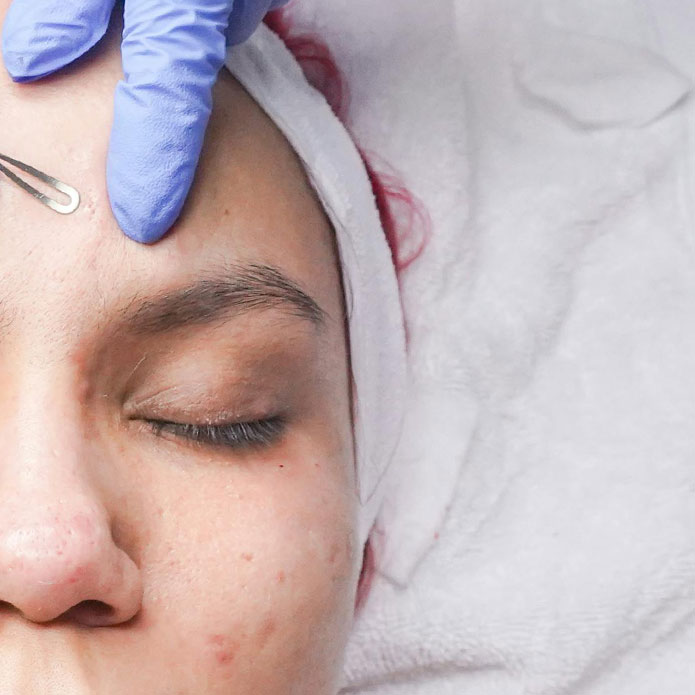
Including chemical peels, comedone extractions, and corticosteroid injections for painful cysts.
Skincare guidance
Recommendations on cleansers, moisturizers, sunscreen, and products to avoid. Sometimes the right routine is half the battle.
Frequently asked Questions
Most acne treatments take 6 to 12 weeks to show clear improvement, and longer for the deepest results. Acne that has built up over years does not clear in a week. We will set realistic expectations at your visit and adjust your plan as we go.
No. Squeezing or popping pimples can drive bacteria deeper, increase inflammation, and significantly raise the risk of scarring or dark marks. Leave extractions to your dermatologist.
Absolutely. Adult acne is increasingly common, especially in women. It often appears along the jawline, chin, and neck and is frequently driven by hormones. Many of our patients are adults seeking acne treatment for the first time.
Most medical acne visits and many treatments are covered by insurance. Coverage details vary by plan. Call our office and we can help you confirm before scheduling.
Yes. We treat both active acne and the marks left behind. Scar treatment options include topical therapies, chemical peels, and procedural options. Most scar treatments work best after the active acne has been brought under control.
Stop Fighting
Acne Alone
We have helped thousands of patients across Chattanooga, Cleveland, and Kimball get clearer skin. Schedule a visit and let us build a plan for yours.