

Skin Health Insights: Expert Advice from Chattanooga’s Dermatology Leaders
Welcome to the Chattanooga Skin and Cancer Clinic blog, your trusted resource for
skin health education and professional advice. As a locally owned practice, we are
dedicated to keeping our community informed.
-
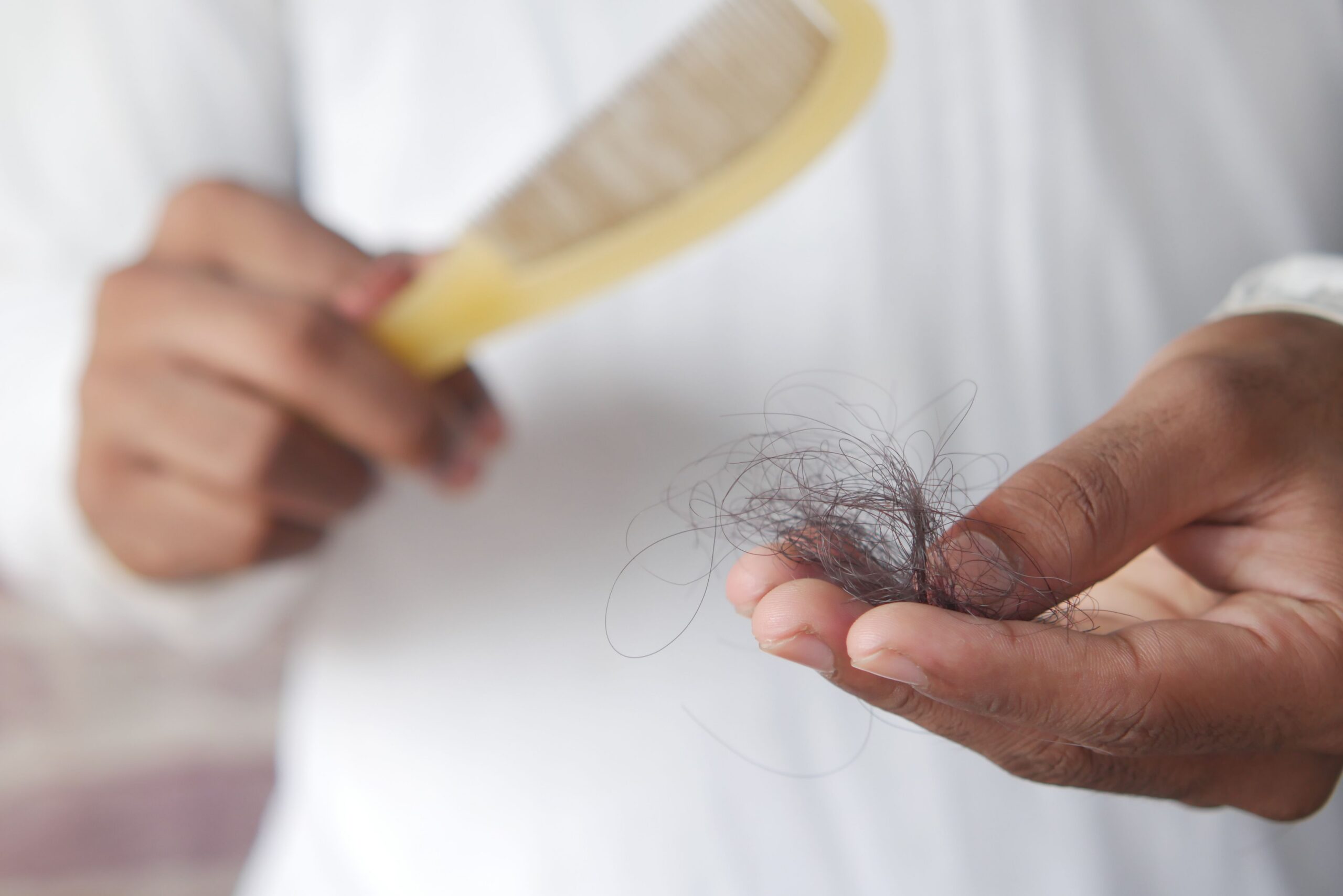
Hair Loss: 5 Hidden Causes and When to See a Dermatologist
Hair loss is one of those concerns people tend to watch quietly for weeks or months before doing anything about it. You notice more strands in the shower drain. Your ponytail feels thinner. A part that used to be narrow is getting wider. You search for answers online and get buried in conflicting advice about…
-

Eczema in Fall: 5 Triggers That Make Flares Worse
Eczema in fall catches a lot of patients off guard. Summer may have been manageable, maybe even a good season for your skin. The humidity helped. The warmth kept things calm. Then September hits, the air dries out, and within a couple of weeks the itching is back, the patches are spreading, and you are…
-
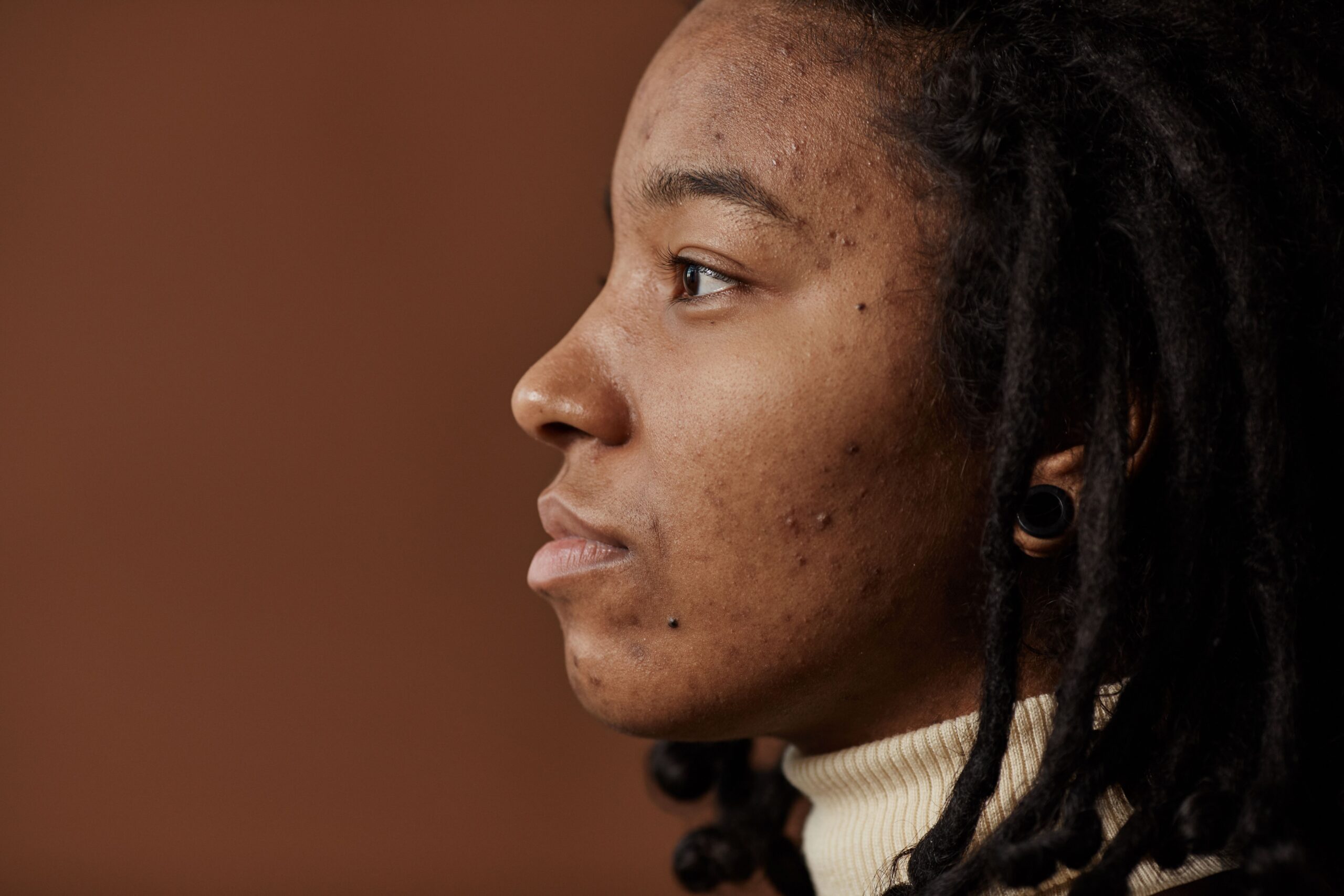
Adult Acne: 5 Surprising Causes and How to Treat It
Adult acne is far more common than most people expect, and if you are dealing with breakouts well past your teenage years, you are not alone. Roughly half of women and a quarter of men in their twenties, thirties, and forties experience some form of acne, and for many it appears for the first time…
-
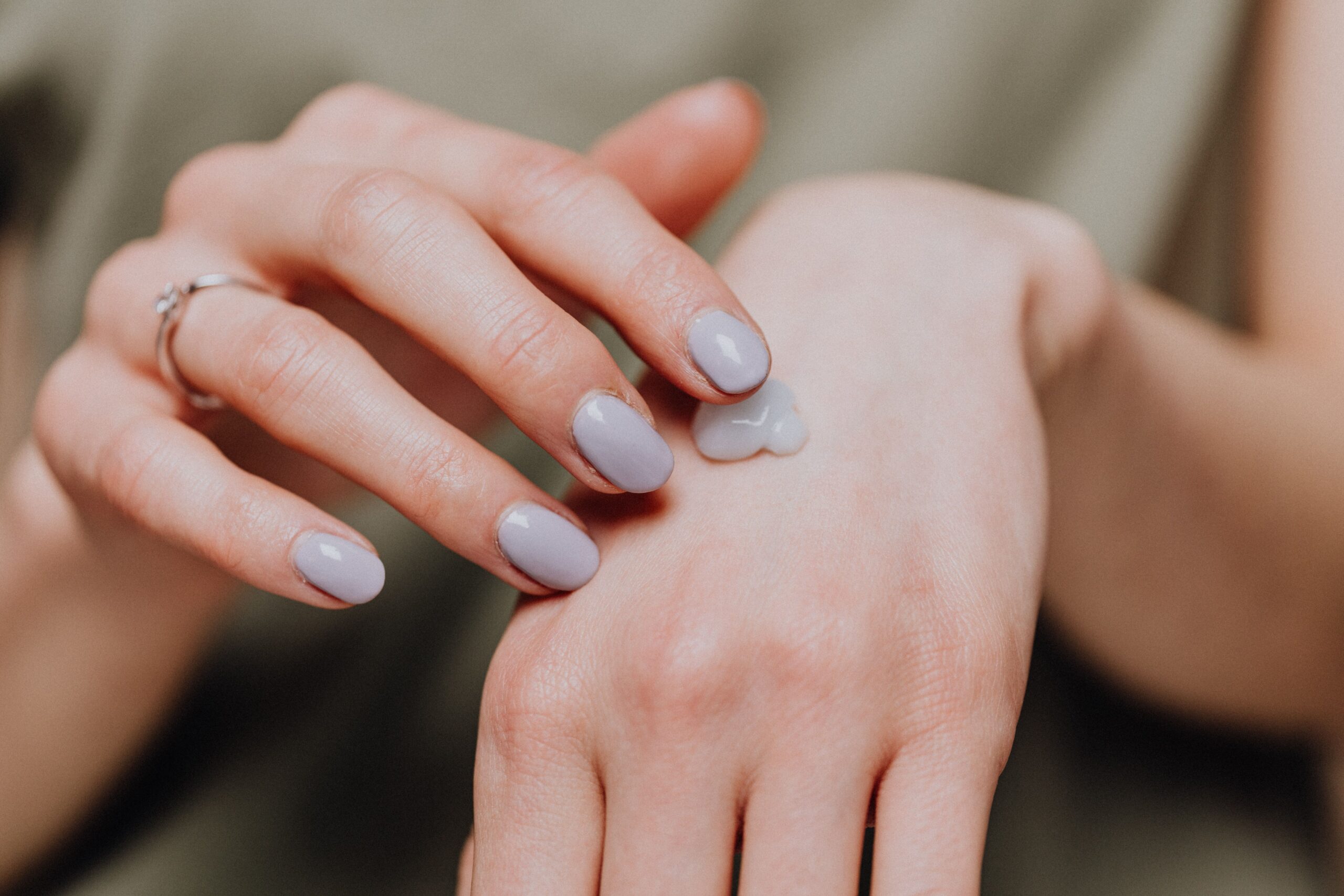
Dry Skin in Fall: What Causes It and How to Get Relief
Dry skin in fall is one of the most common complaints dermatologists hear as the seasons change, and for patients across Marion County, the Sequatchie Valley, Jasper, and South Pittsburg, the shift can feel sudden. One week the air is thick and humid. The next, your skin is tight, flaky, and itching in places it…
-

5 Skin Cancer Risk Factors Every Adult Should Know
Skin cancer risk factors are not always obvious, and that is part of what makes skin cancer so dangerous. Most people know that too much sun is bad for the skin. Fewer people know exactly which risk factors put them in a higher category for developing basal cell carcinoma, squamous cell carcinoma, or melanoma. Understanding…
-

Fall Skin Care: 7 Tips to Repair and Protect Your Skin After Summer
Fall skin care is something most people put off until the first cold snap, but September is actually the best time to start. The summer months in Southeast Tennessee bring intense UV exposure, high humidity, and hours of outdoor activity, and all of that takes a toll on your skin. By the time Labor Day…
-
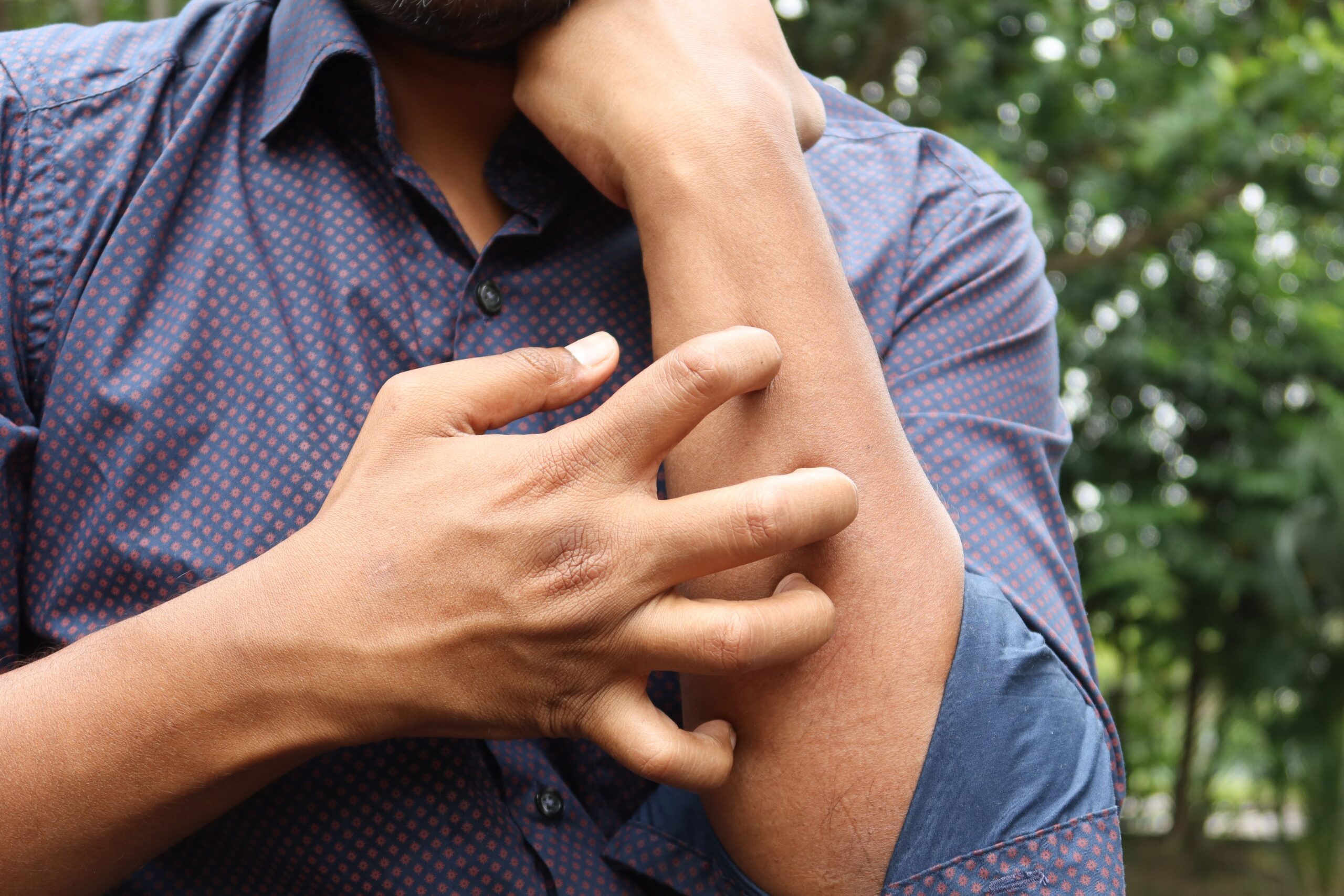
Contact Dermatitis Treatment: 6 Things a Dermatologist Wants You to Know
Contact dermatitis treatment is one of the most frequent reasons patients schedule a dermatology appointment during the late summer and early fall. The rash usually starts the same way: you were outside, you touched something, and now a patch of skin is red, swollen, intensely itchy, and possibly blistering. Maybe it was a brush against…
-
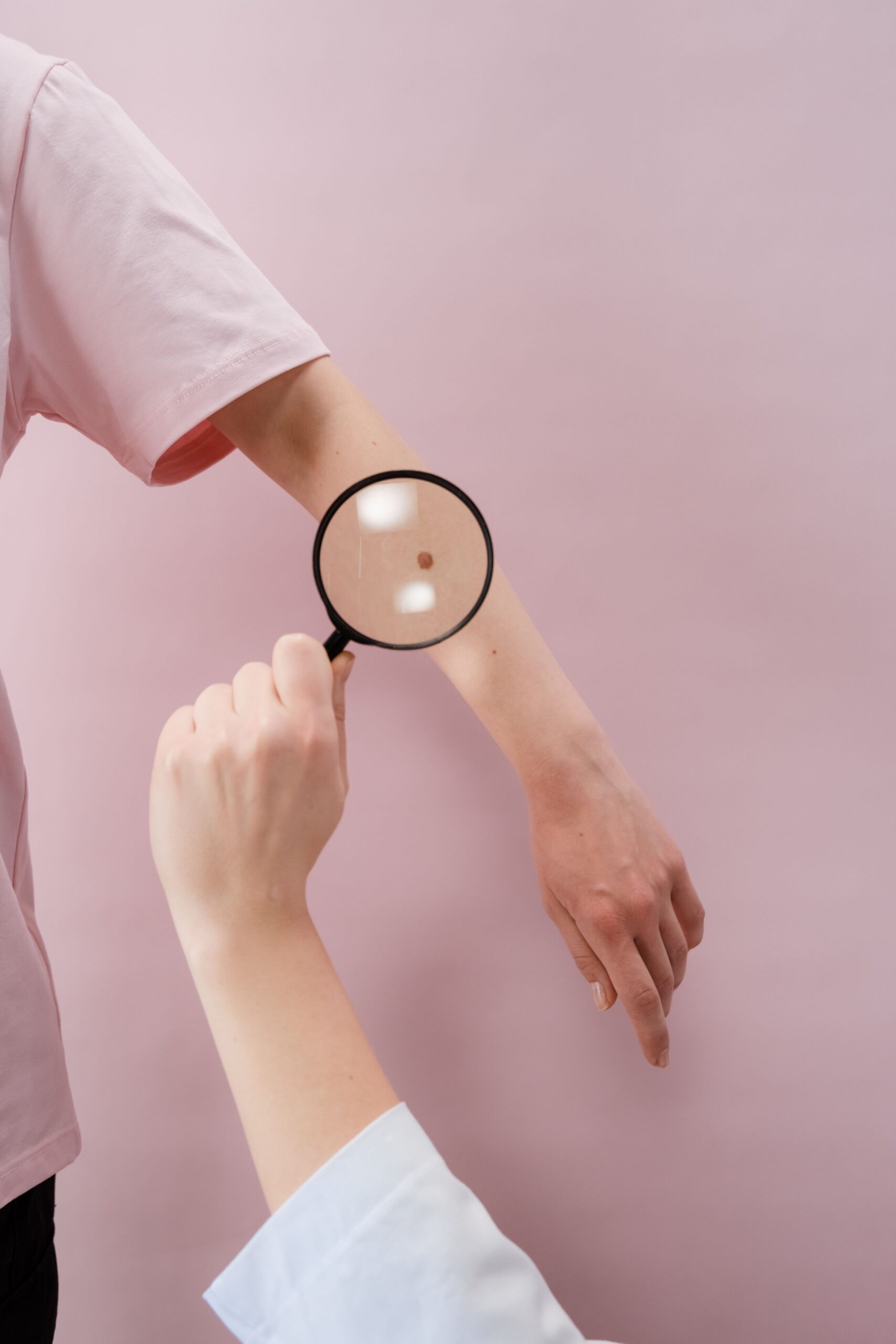
Dark Spots on Skin After Summer: 5 Essential Facts About Hyperpigmentation
Dark spots on skin are one of the most common concerns patients bring to a dermatologist at the end of summer. A patch on the cheek that was not there in May. A cluster of brown marks across the back of the hands. A streak of discoloration on the forehead that appeared gradually and has…
-
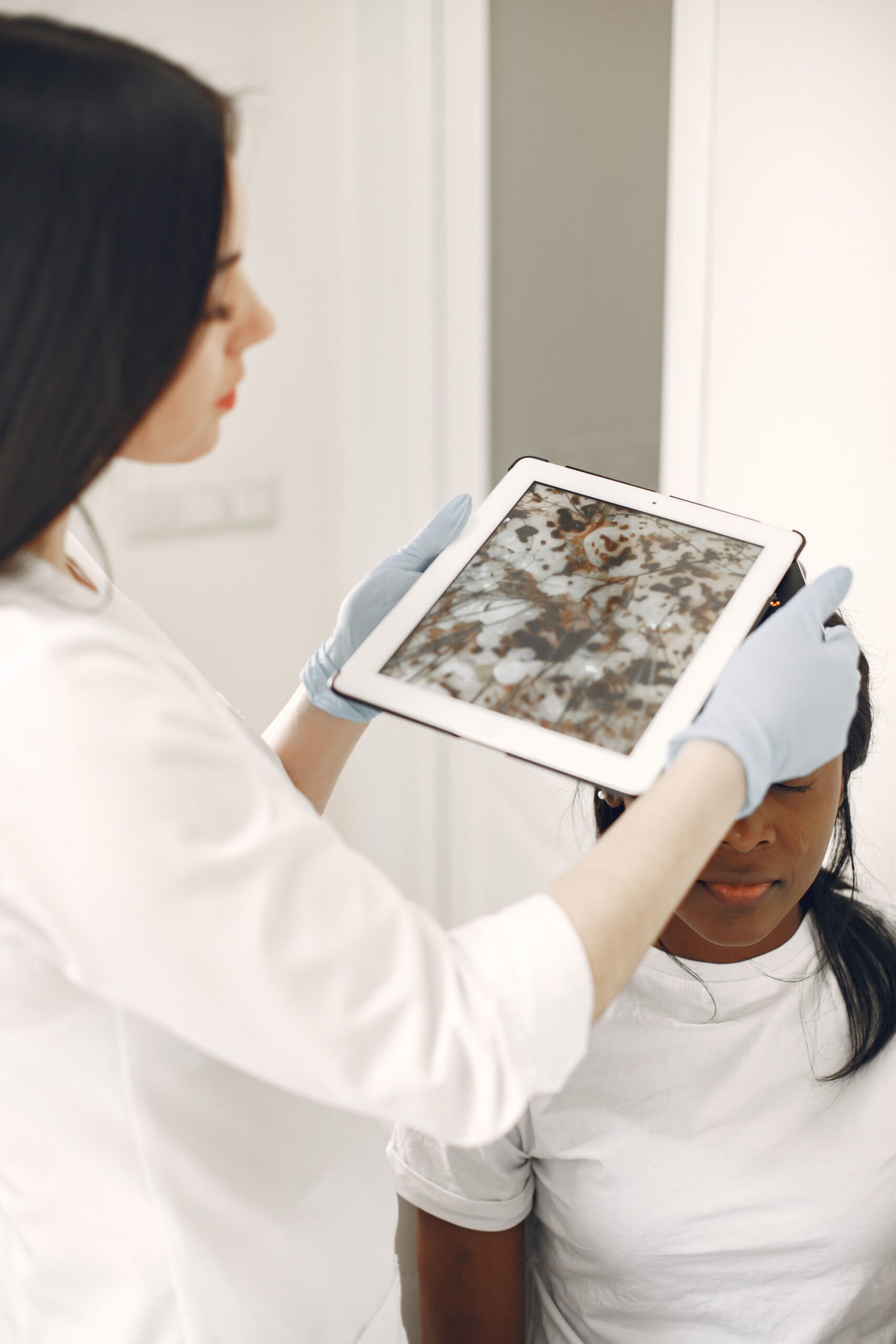
Fungal Skin Infections in Summer: What They Look Like and When to See a Dermatologist in Chattanooga
A fungal skin infection is one of those things most people try to handle on their own for weeks before calling a dermatologist, and by then, what started as a small itchy patch has usually spread, returned after over-the-counter treatment, or been misidentified as something else entirely. In the Chattanooga area, where summer heat and…
-
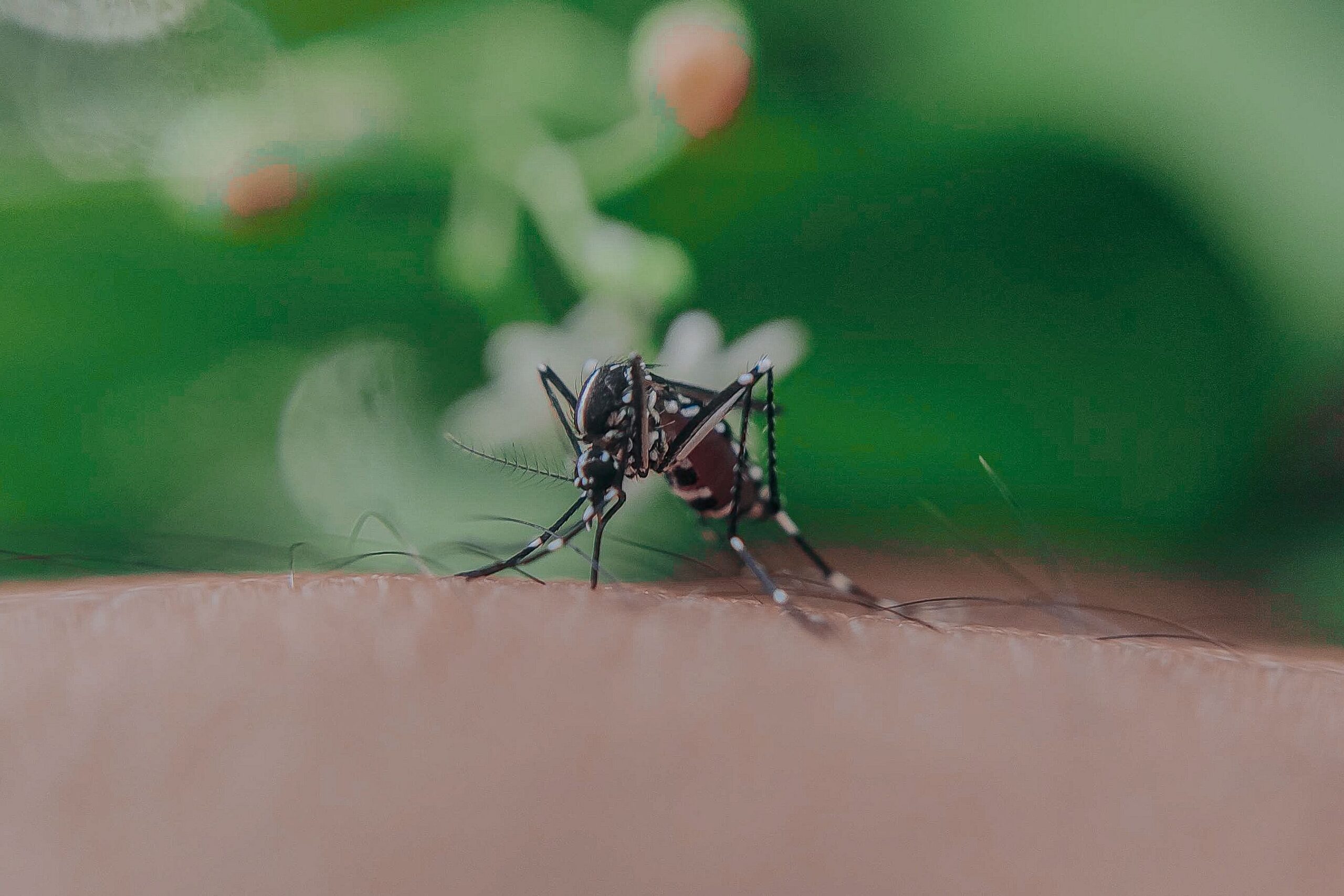
Bug Bite Skin Reactions: When a Bite Needs More Than Home Treatment
A bug bite skin reaction is one of the most common reasons patients visit a dermatologist during the summer months, and in areas like Marion County and the Sequatchie Valley, the variety of biting and stinging insects makes the problem even more frequent. Most bites cause a small red bump that fades in a day…
-

Back-to-School Skin Check: 7 Issues Your Dermatologist Can Catch Before the First Bell
A back-to-school skin check is one of the smartest things you can add to your child’s August to-do list, and it takes less time than most school supply runs. Between sports physicals, new shoes, and fresh notebooks, skin health tends to fall to the bottom of the priority list. But when a child walks into…
-

Phototherapy Treatment in Chattanooga: 5 Reasons to Try It
Phototherapy treatment in Chattanooga is one of the most effective and underused tools available for patients dealing with stubborn skin conditions that do not respond to creams or ointments alone. If you have been battling psoriasis patches that refuse to clear, eczema flares that come back every few weeks, or vitiligo that keeps spreading, you…
-
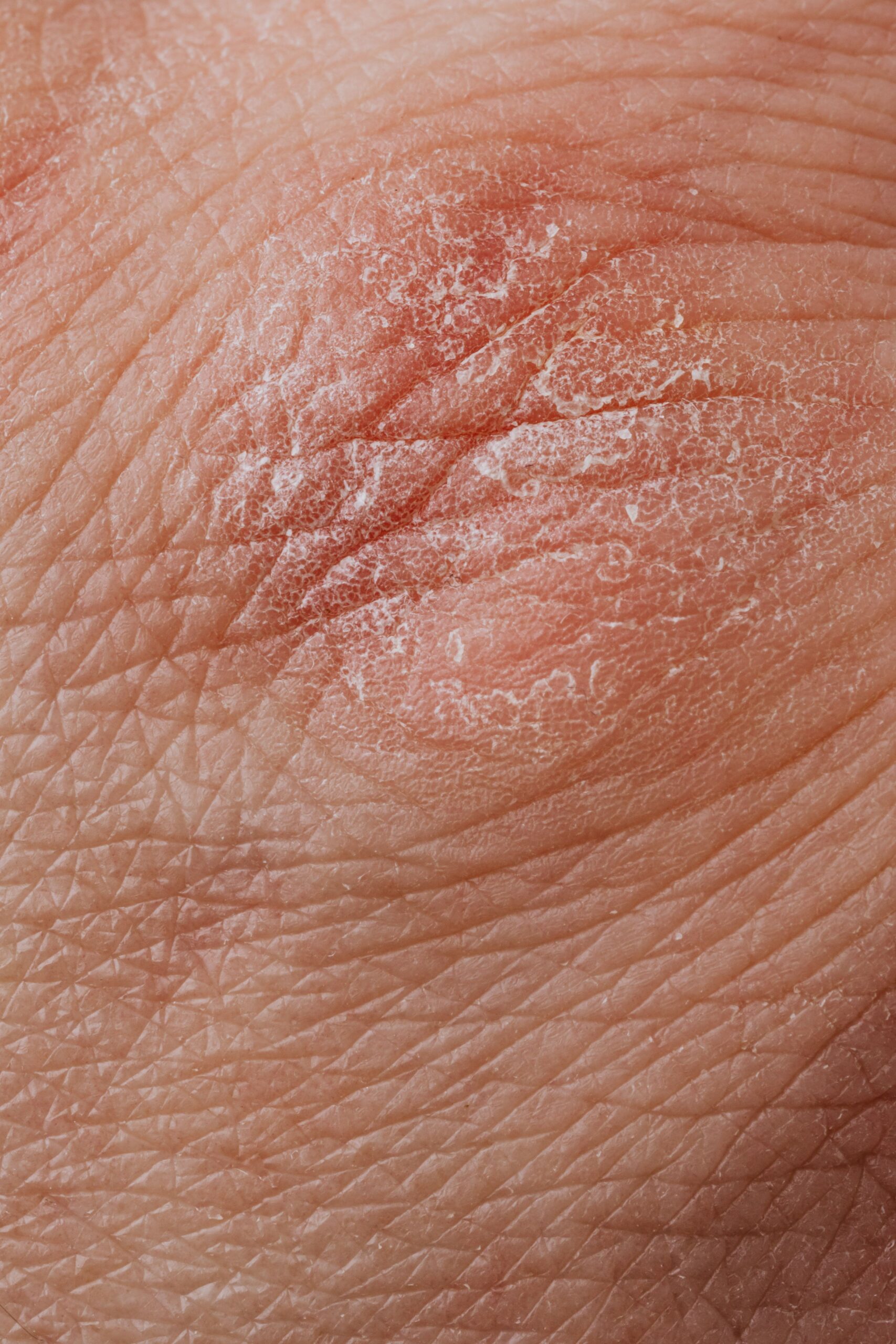
Why Psoriasis and Eczema Flare Up in Summer Heat (and What Really Helps)
A psoriasis eczema summer flare can catch you off guard. Summer is supposed to be the easy season for skin. The humidity rises, the air softens, and for many people dealing with psoriasis or eczema, the warmer months bring welcome relief. But for others, July and August are when things get worse. The heat itself…
-
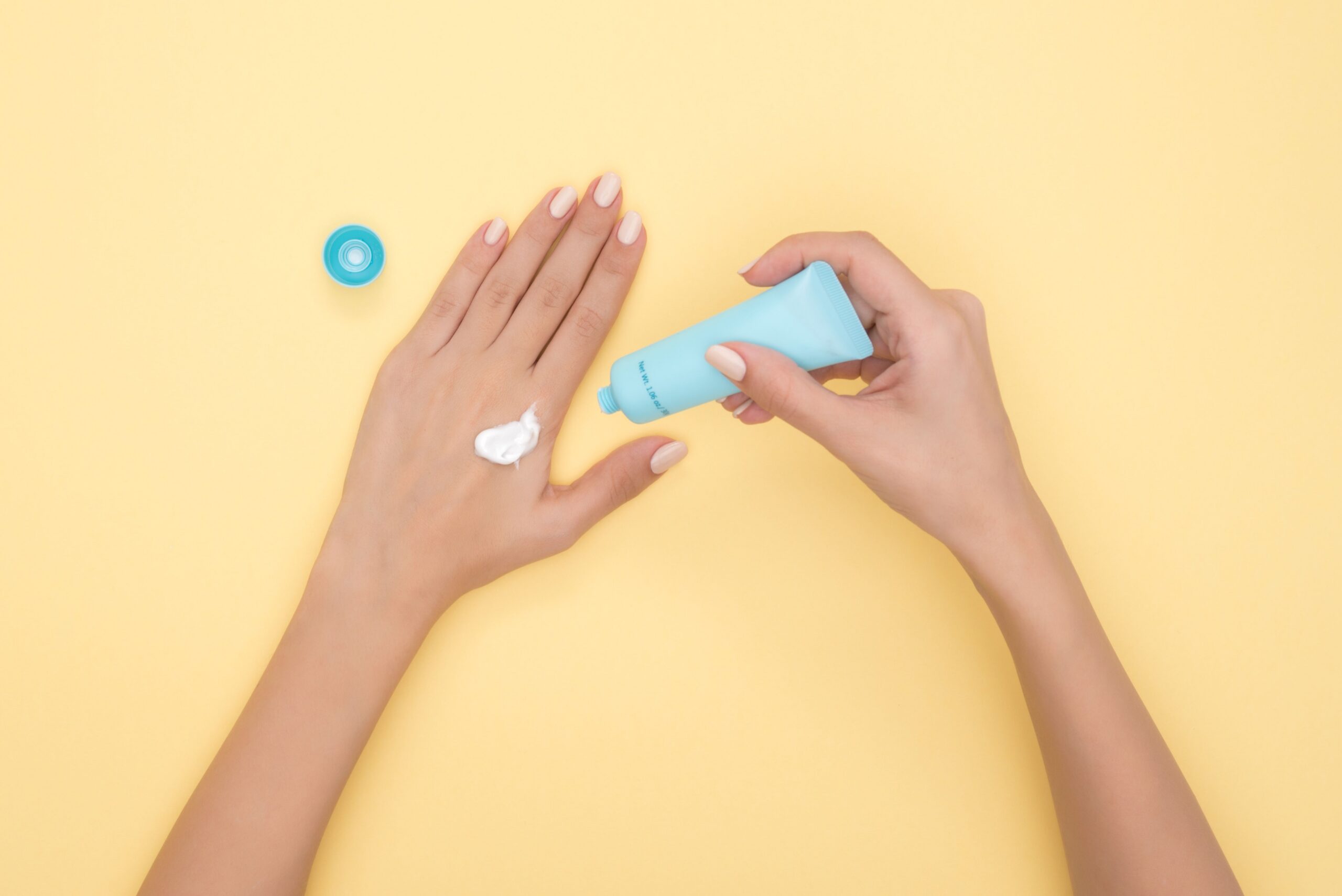
The Sunscreen Mistakes That Could Be Putting Your Skin at Risk
Sunscreen application mistakes are surprisingly common, and they affect people who are actively trying to protect themselves. You put on sunscreen before heading outside. You feel good about it. But what if the way you are applying it is leaving your skin more exposed than you think? The problem is rarely about skipping sunscreen altogether.…
-

Teen Sports Acne in Summer: 6 Ways to Stop Breakouts Before They Start
Teen sports acne in summer is one of the most common skin complaints dermatologists treat between June and August. Double practices, sports camps, and hours under a helmet or pads in the heat create breakouts that seem to multiply no matter what a teenager does to fight them. This is not a hygiene problem and…
-
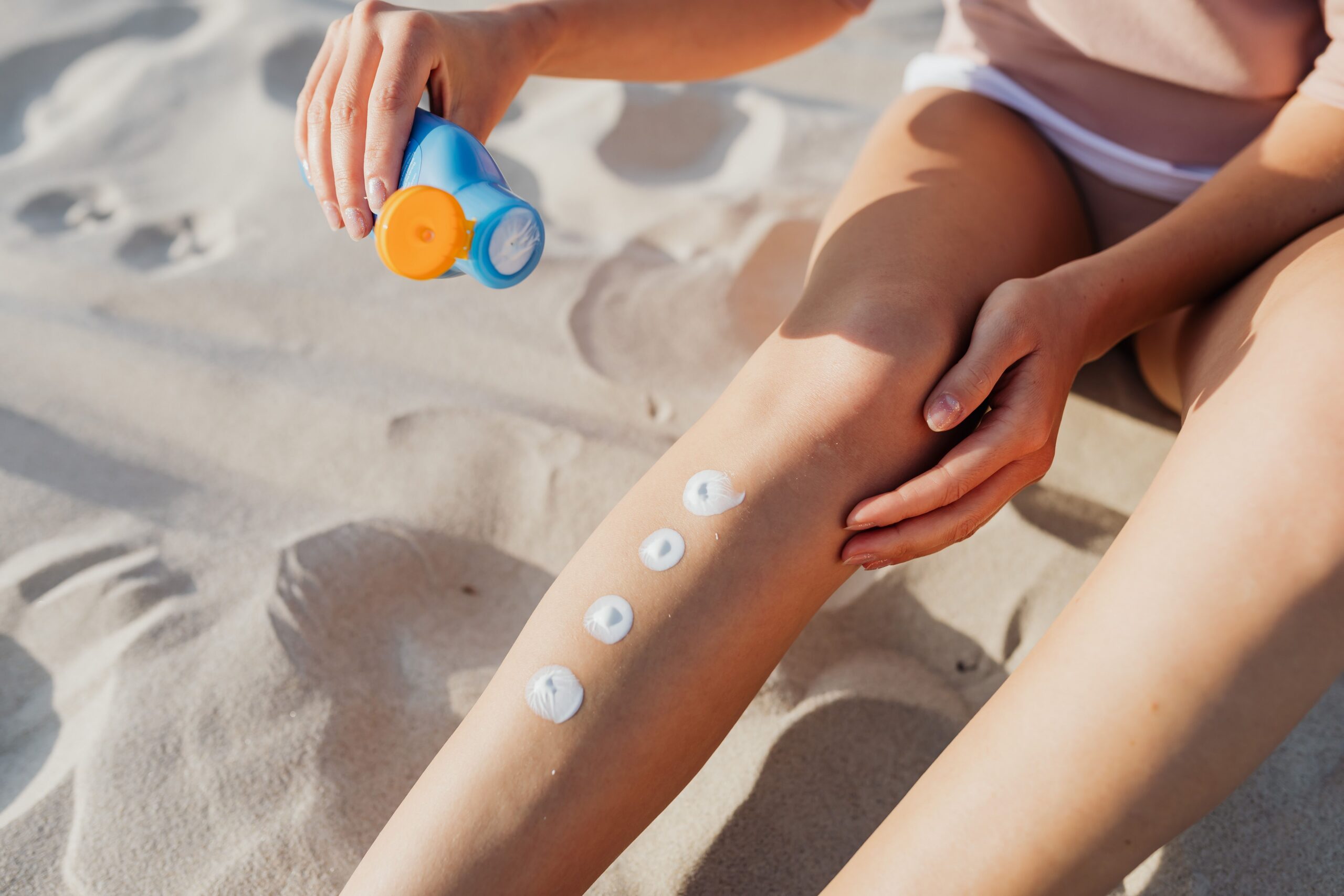
How to Choose a Sunscreen That Won’t Clog Pores or Trigger Rosacea
Finding the best sunscreen for rosacea acne-prone skin can feel like solving a puzzle where every answer creates a new problem. You need UV protection, but the wrong formula breaks you out. You pick one labeled “sensitive skin,” and it turns your cheeks red within minutes. Sunscreen is non-negotiable for both rosacea and acne management,…
-
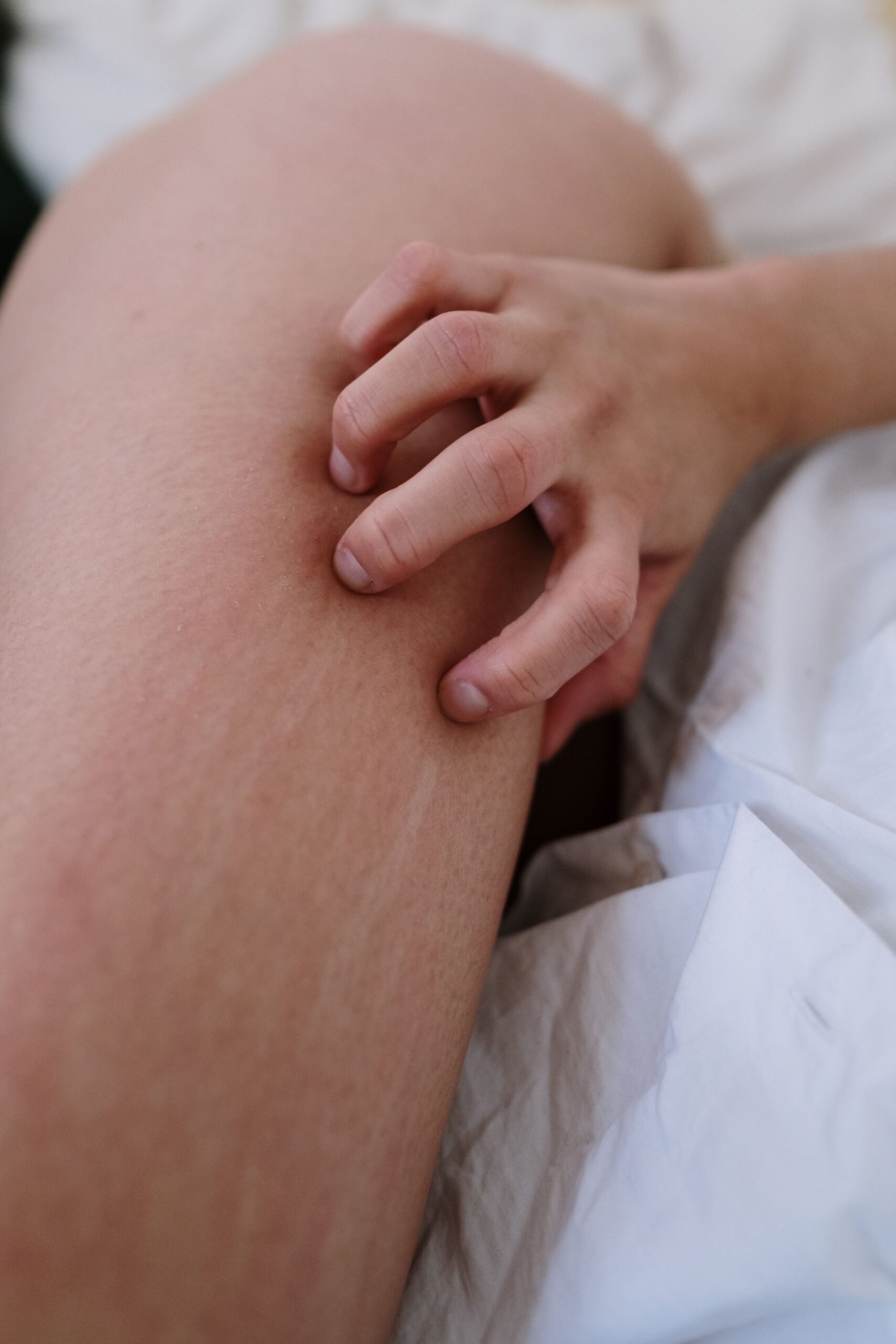
Why Am I Breaking Out in a Rash After Being in the Sun? Understanding Sun Allergies
A rash after sun exposure is more common than most people expect, and it points to something different from a standard sunburn. You spent an afternoon outdoors, and now your skin is covered in itchy, bumpy patches. It does not look like a burn. It does not feel like one either. The redness showed up…
-

Chlorine Skin Irritation in Kids: Is Pool Water Bad for Your Child’s Skin?
Chlorine keeps pool water safe by killing harmful bacteria and preventing waterborne illness. It does its job well. But the same chemical properties that make chlorine effective as a disinfectant also make it harsh on skin, and children’s skin is more vulnerable to that harshness than an adult’s. If your child has been coming home…
-

What Does a Dermatologist Really Treat? 10 Conditions Most People Don’t Know About
What Does a Dermatologist Really Treat? 10 Conditions Most People Don’t Know About Most people make their first dermatology appointment for one of two reasons: a suspicious spot they have been watching, or acne that will not clear up no matter what they try. Both are completely valid reasons to come in. The part that…
-

Is That Spot on Your Skin Normal? 6 Warning Signs You Shouldn’t Ignore
Is That Spot on Your Skin Normal? 6 Warning Signs You Shouldn’t Ignore You notice something on your arm that wasn’t there before. It’s small, maybe slightly raised, and it looks a little different from the freckles you’ve had for years. You tell yourself it’s probably nothing. A few weeks pass, and it’s still there,…
-
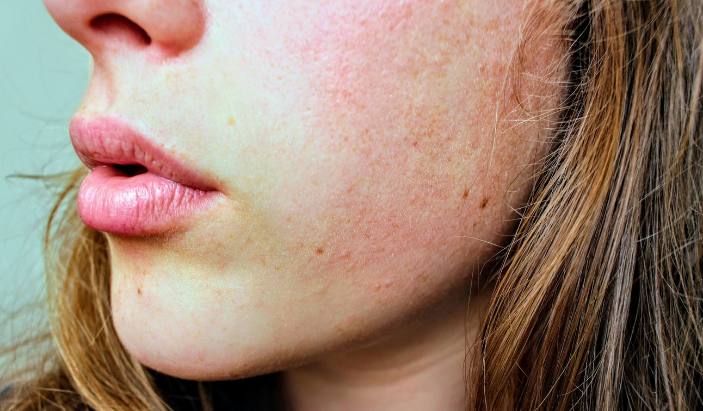
The 4 Types of Rosacea Explained: Which Type Do You Have?
The 4 Types of Rosacea Explained: Which Type Do You Have? Rosacea is one of the most misunderstood skin conditions out there. A lot of people spend years treating what they think is adult acne, dry skin, or sun damage before a dermatologist finally connects the dots. The redness keeps coming back. The skin feels…
-

Eczema in Babies and Toddlers: What Parents Need to Know
Your baby wakes up again at 2 a.m., scratching at the same raw patches of skin on their cheeks and elbows. You’ve tried switching detergents, avoiding certain foods, and slathering on whatever lotion was at the top of the search results. Nothing is really working, and the pediatrician used a word you’ve been reading about…
-
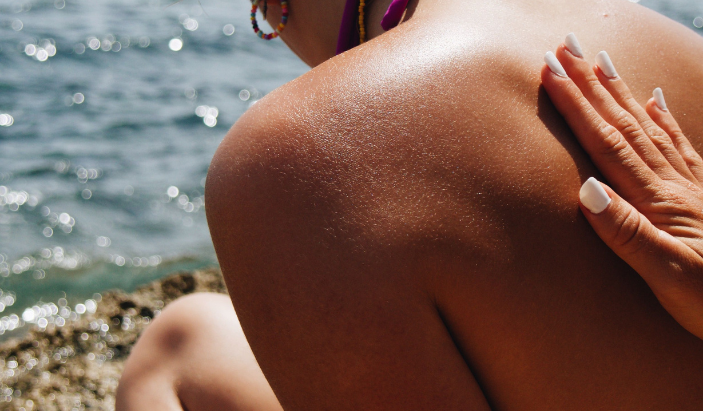
Sunburn vs. Sun Poisoning: How to Tell the Difference and What to Do Next
You spent the day at the lake, maybe a little longer than planned. By evening, your skin is red and tender, and you feel run-down in a way that sleep alone does not seem to fix. Most people chalk that up to a bad sunburn and move on. Sometimes, though, what feels like a rough…
-

How Often Should You Get a Full-Body Skin Cancer Screening? (Age-by-Age Guide)
A full-body skin cancer screening is one of the most straightforward steps you can take to protect your health. A board-certified dermatologist checks your skin from head to toe, looking for moles, spots, or lesions that may need attention. The exam is quick, painless, and in many cases, it saves lives. Yet most people do…
-
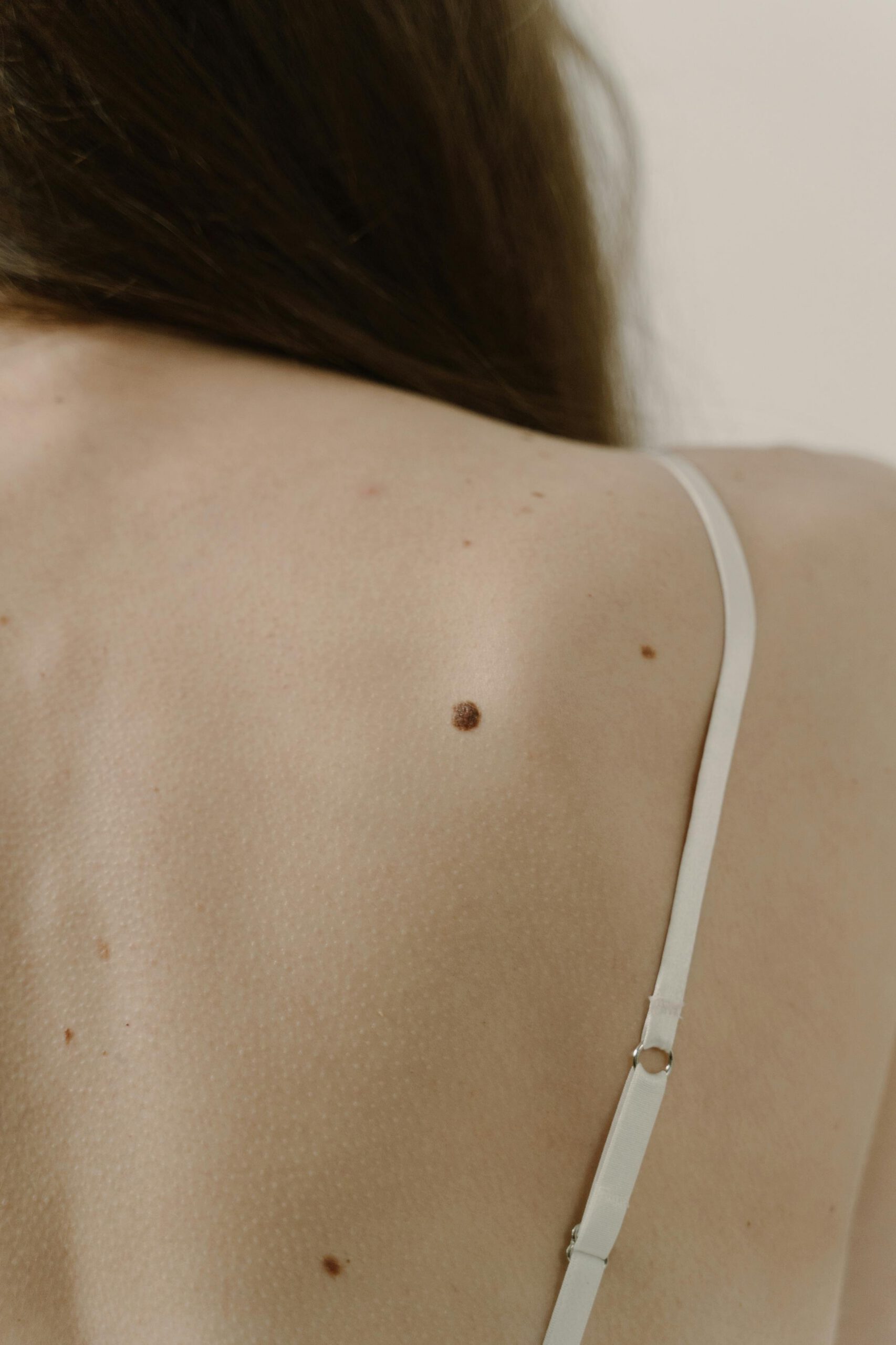
How to Do a Self-Skin Check at Home (and What to Look For)
A monthly self-skin check is one of the simplest things you can do to catch skin cancer early, and it takes about 10 minutes. You stand in front of a mirror, examine your skin from head to toe, and look for anything new, changing, or unusual. That’s it. No special equipment required. The reason this…
-

What Is Mohs Surgery and How Does It Work?
Mohs micrographic surgery is a precise, layer-by-layer technique for removing skin cancer while preserving as much healthy tissue as possible. It is considered the gold standard treatment for basal cell carcinoma and squamous cell carcinoma, particularly when tumors are located on the face, ears, hands, or other areas where tissue conservation matters. The procedure boasts…
-
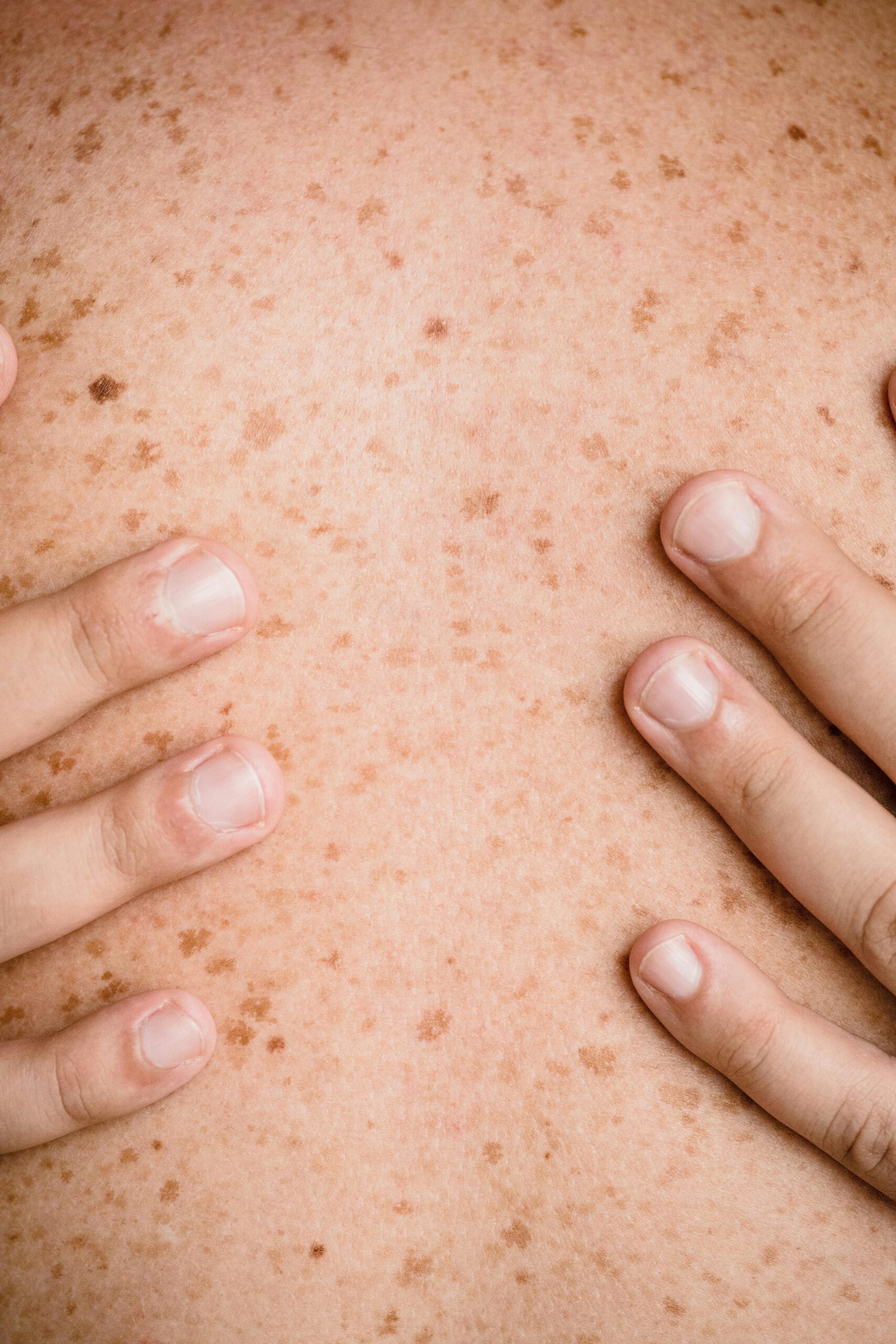
What Is Actinic Keratosis and Can It Turn Into Skin Cancer?
Actinic keratosis (AK) is a rough, scaly patch of skin caused by years of sun exposure, and yes, it can turn into skin cancer. Specifically, untreated actinic keratoses can progress into squamous cell carcinoma (SCC), the second most common type of skin cancer. The progression rate for any individual AK is estimated at about 5%…
-
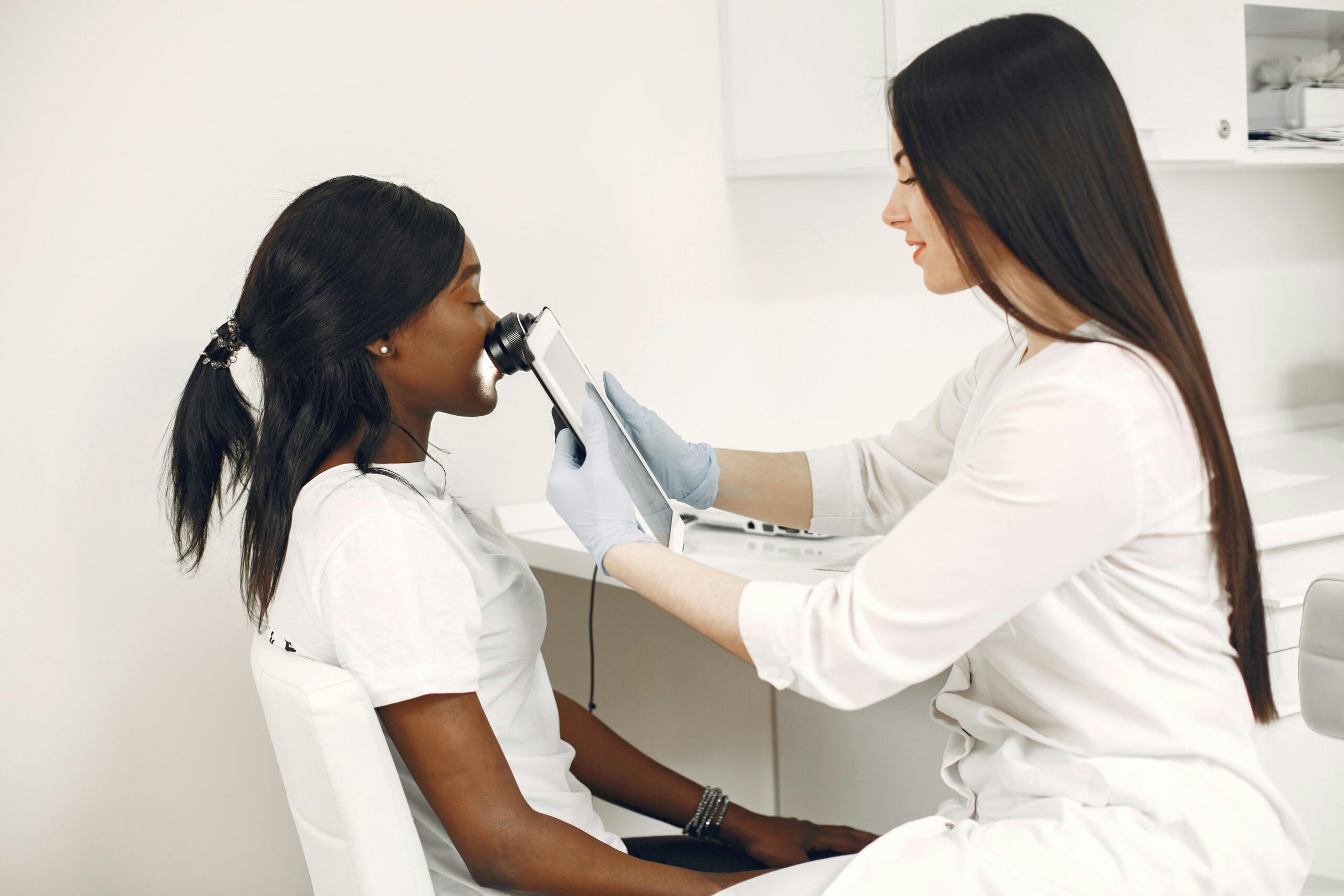
When Should You See a Dermatologist About a Mole?
Most moles are completely harmless, but some can be early signs of melanoma, the most serious form of skin cancer. You should see a dermatologist about a mole if it’s changing in size, shape, or color, if it looks noticeably different from your other moles, if it bleeds or itches without a clear reason, or…
-
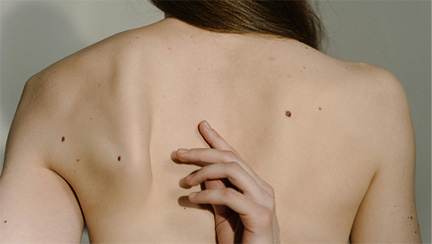
How to tell if a mole is cancerous: the ABCDE rule explained
Knowing what to look for can save your life. Learn how our board-certified dermatologists use the ABCDE method to identify suspicious moles and when it’s time to schedule a professional skin exam at our Chattanooga clinic.
-
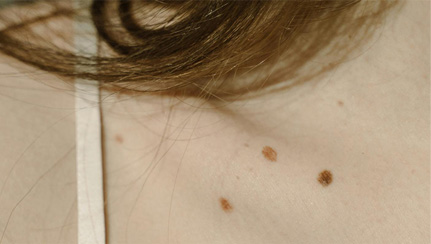
Basal Cell vs Squamous Cell Carcinoma: What’s the Difference?
While both are highly treatable when caught early, these two types of skin cancer look and behave differently, learn the key distinctions in symptoms, appearances, and treatment options provided by our expert clinical team.
Established 1973 • 3 locations • 5 MDs + 6 NPs + 2 PAs • BBB A+ • Board-certified by the American Board of Dermatology.