
Adult acne is far more common than most people expect, and if you are dealing with breakouts well past your teenage years, you are not alone. Roughly half of women and a quarter of men in their twenties, thirties, and forties experience some form of acne, and for many it appears for the first time in adulthood without any history of teenage breakouts. The frustration is real. You are doing everything you think you should be doing, washing your face, using the products that worked for someone else, maybe even overhauling your diet, and the breakouts keep coming back. The issue is usually not hygiene. It is something deeper, and understanding the actual cause is the only way to get it under control.
Why Adult Acne Is Different from Teenage Breakouts
Teenage acne is driven almost entirely by the hormonal surge of puberty, which ramps up oil production and clogs pores. Adult acne shares some of that biology but adds layers of complexity. Hormonal fluctuations tied to menstrual cycles, pregnancy, perimenopause, and stress all influence adult breakouts differently than adolescent ones. The location is often different too. Teen acne tends to concentrate on the forehead and nose. Adult acne favors the jawline, chin, and lower cheeks. The texture can also differ. Adults are more likely to deal with deep, painful cystic lesions that sit under the surface rather than the whiteheads and blackheads that dominate younger skin. This means the treatments that cleared your skin at 16 are unlikely to work at 36.
5 Surprising Causes of Adult Acne
1. Hormonal shifts you may not notice.
Even small fluctuations in androgens, the hormones that stimulate oil production, can trigger breakouts in adults. Women often notice adult acne worsening in the days before a period, during pregnancy, or as they approach menopause. Men can experience hormonal acne related to testosterone fluctuations or supplementation. These shifts do not have to be dramatic to affect the skin. A board-certified dermatologist can help determine whether hormones are driving your breakouts and whether treatment should address that root cause.
2. Stress and cortisol.

Chronic stress raises cortisol levels, which in turn increases oil production and inflammation in the skin. This is not a vague connection. The relationship between stress and acne is well documented. If your breakouts tend to flare during high-pressure periods at work, during major life changes, or when your sleep is disrupted, cortisol is likely playing a role. Managing stress alone will not cure adult acne, but ignoring it makes every other treatment less effective.
3. Skincare and makeup products.

Some of the products you are using to treat or cover acne may actually be making it worse. Heavy foundations, occlusive moisturizers, and cleansers with harsh surfactants can clog pores, strip the skin barrier, and trigger a cycle of irritation and breakouts. Look for products labeled non-comedogenic and oil-free. If you are unsure which products in your routine might be contributing, a dermatologist can review your regimen and point out what to keep and what to drop.
4. Medications and supplements.
Certain medications can trigger or worsen adult acne as a side effect. Corticosteroids, lithium, some anticonvulsants, and testosterone or DHEA supplements are common culprits. Biotin, a popular supplement taken for hair and nail growth, has also been linked to breakouts in some patients. If your acne started or worsened after beginning a new medication or supplement, mention it to your dermatologist. The timing may not be a coincidence.
5. An underlying skin condition mimicking acne.
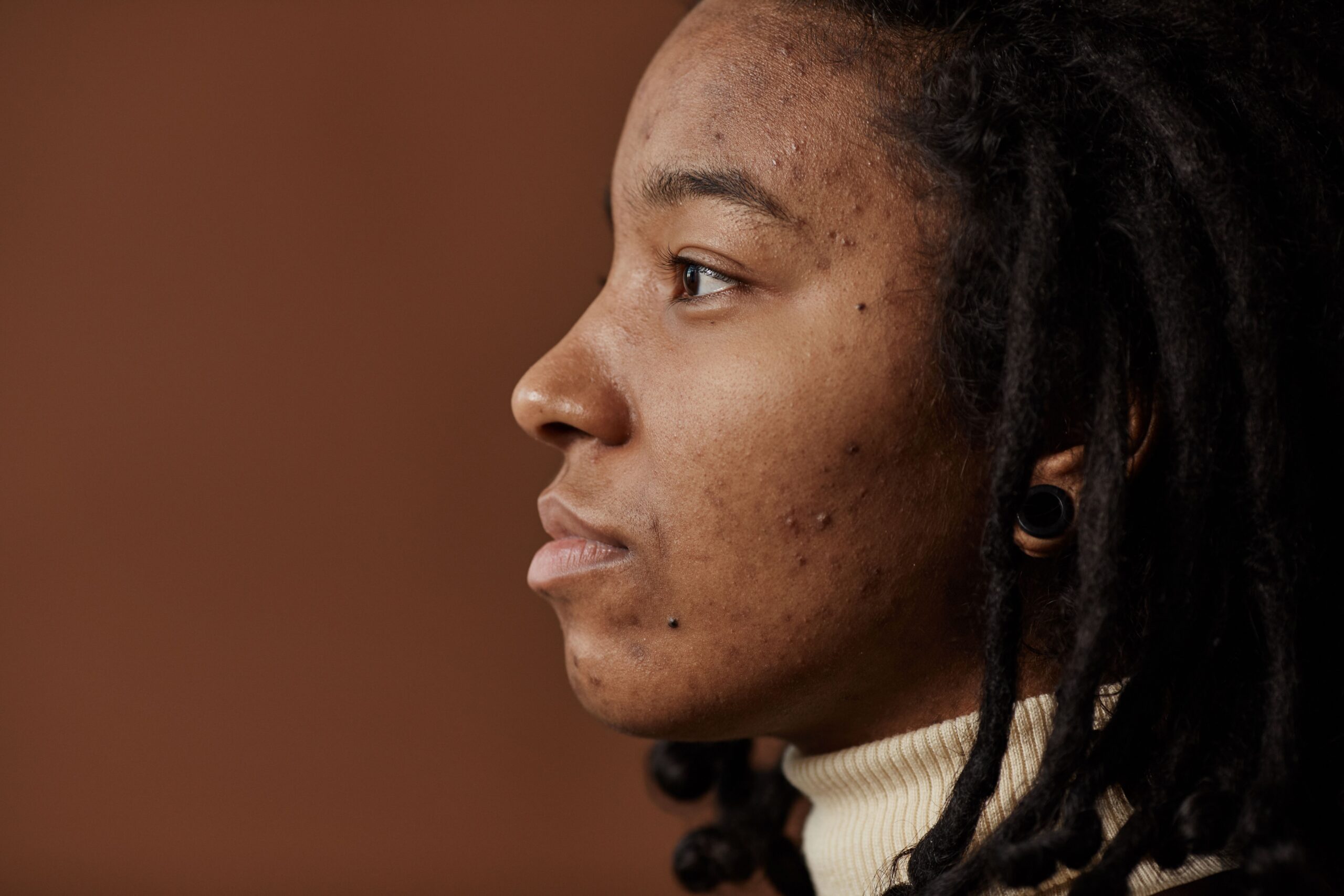
Not every bump on your face is acne. Rosacea can produce red, pus-filled bumps that look almost identical to acne but require completely different treatment. Perioral dermatitis, folliculitis, and fungal infections can also mimic adult acne. Treating the wrong condition with standard acne products can make things significantly worse. A medical dermatology evaluation is the fastest way to get a correct diagnosis and stop wasting time and money on treatments that were never going to work.
How a Dermatologist Treats Adult Acne
Over-the-counter products can help with mild adult acne, but moderate to severe cases almost always require prescription-strength treatment. Options include topical retinoids that accelerate cell turnover and prevent clogged pores, prescription-strength benzoyl peroxide or antibiotic combinations that target bacteria and inflammation, hormonal therapies like spironolactone for women whose acne is driven by androgen fluctuations, and in some cases, isotretinoin for severe cystic acne that has not responded to other treatments. The right plan depends on what is causing your specific breakouts, which is why a professional evaluation matters more than any product recommendation you will find online.
When to See a Dermatologist About Adult Acne
If your adult acne is leaving dark marks or scars, if over-the-counter products have not improved things after eight to twelve weeks, if your breakouts are deep and painful rather than surface-level, or if you suspect your acne might actually be something else, it is time to see a board-certified dermatologist. The longer adult acne goes untreated or improperly treated, the higher the risk of permanent scarring and hyperpigmentation. Getting the right diagnosis early saves your skin and your time.
Get Help for Adult Acne in Chattanooga
The board-certified dermatologists at Chattanooga Skin and Cancer Clinic treat adult acne every day. Whether your breakouts are new, persistent, or resistant to everything you have tried, our team can identify the cause and build a treatment plan that works for your skin.
Chattanooga Skin and Cancer Clinic
6061 Shallowford Road, Chattanooga, TN 37421
Phone: 423-899-2700
Hours: Monday through Friday, 7:30 AM to 4:30 PM (EST)
Schedule an appointment or call today.
Follow us! @chattskinandcancer