

A back-to-school skin check is one of the smartest things you can add to your child’s August to-do list, and it takes less time than most school supply runs. Between sports physicals, new shoes, and fresh notebooks, skin health tends to fall to the bottom of the priority list. But when a child walks into the classroom with an itchy rash, a wart on their hand, or acne that has been building all summer, it can affect their confidence, their comfort, and in some cases their ability to participate in sports and activities.
At Chattanooga Skin and Cancer Clinic’s Cleveland, TN office on Adkisson Drive, our board-certified dermatologists see a wave of pediatric and adolescent skin concerns every August. Many of them could have been resolved quickly if caught a few weeks earlier. Here are seven common issues a back-to-school skin check can identify and treat before the first day of class.
1. Acne That Got Worse Over the Summer
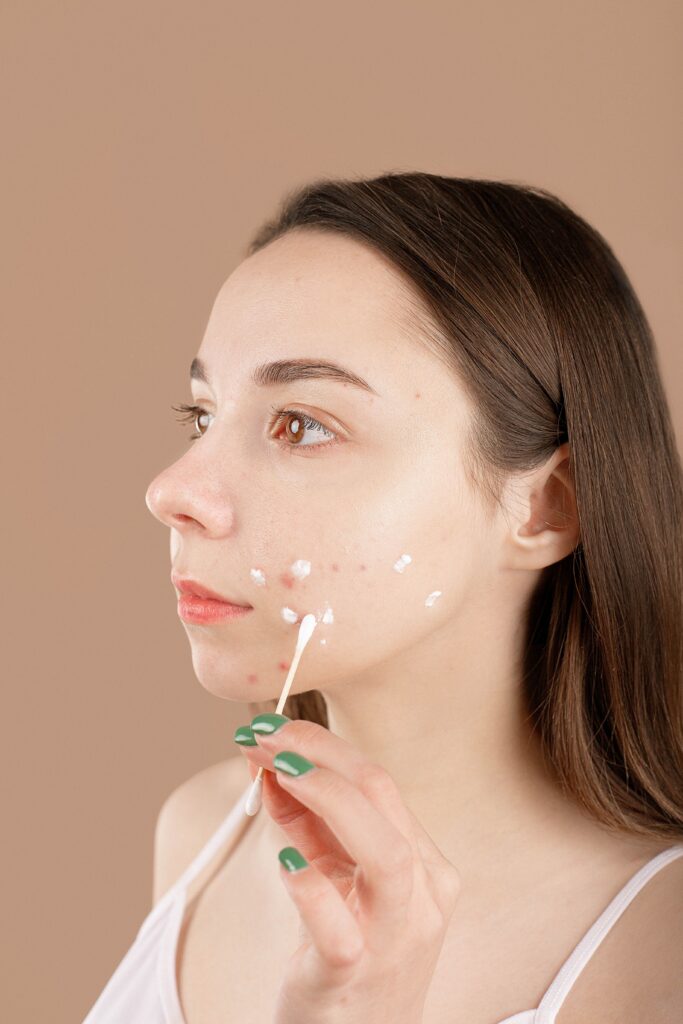
Summer in Bradley County means heat, humidity, sweat, and sunscreen, all of which can push acne from mild to moderate in a matter of weeks. Teens who spent the summer at sports camps, working outdoor jobs, or swimming in chlorinated pools often come back with breakouts in new places: the jawline, chest, back, and hairline.
A dermatologist can evaluate whether over-the-counter products are enough or whether a prescription-strength treatment, like a topical retinoid or an oral antibiotic, is needed to get things under control before school pictures and social pressures kick in. Starting treatment in August gives the skin several weeks to respond before fall activities are in full swing.
2. Eczema Flares That Need an Updated Plan
Children with eczema often experience a shift in triggers between summer and the school year. Summer flares tend to come from sweat, chlorine, and sun exposure. Once school starts, indoor heating, dry air, scratchy uniforms, and stress become the drivers. A back-to-school skin check gives your dermatologist the chance to adjust your child’s treatment plan before the seasonal shift happens.
This might mean switching from a lighter summer moisturizer to a heavier barrier cream, updating a prescription, or creating a simplified routine your child can manage independently during the school day.
3. Warts on Hands and Feet
Warts are caused by the human papillomavirus (HPV) and spread easily in warm, moist environments like pools, locker rooms, and shared gym equipment. Children who spent the summer barefoot at the pool or walking around camp are especially prone to picking up plantar warts on the soles of their feet or common warts on their fingers.
The problem with waiting is that warts multiply. A single wart in July can become a cluster by September. A dermatologist can treat warts quickly with cryotherapy or other in-office methods, and the earlier they are addressed the easier they are to resolve.
4. Fungal Infections from Summer Activities
Ringworm, athlete’s foot, and jock itch are all fungal infections that thrive in the heat and humidity of a Tennessee summer. Kids who play contact sports, share towels, or wear damp athletic gear for extended periods are at higher risk. These infections are contagious and can spread quickly in a school environment through shared mats, equipment, and locker rooms.
During a back-to-school skin check, a dermatologist can diagnose fungal infections that might look like a simple rash to an untrained eye and prescribe antifungal treatment that clears the issue before your child is back in close contact with classmates.
5. Suspicious Moles or New Growths

Children and teens develop new moles as they grow, and most of them are completely harmless. But after a summer of increased sun exposure, it is worth having a dermatologist look at anything new or changed. Pediatric melanoma is rare, but atypical moles identified early can be monitored or removed before they become a concern.
A back-to-school skin check is an easy opportunity to get a baseline evaluation of your child’s moles, especially if there is a family history of skin cancer or if your child has fair skin and a history of sunburns.
6. Contact Dermatitis from New Products or Gear
New school supplies, new laundry detergent for uniforms, new hair products for the first day, new shin guards or cleats for fall sports. August is full of “new,” and any of these can trigger contact dermatitis in children with sensitive skin. The reaction might show up as a red, itchy patch on the wrist from a new watchband, or as irritation on the legs from new fabric softener.
If your child has a history of skin sensitivity or allergic reactions, a quick dermatology visit can help identify the trigger and recommend alternatives so the reaction does not carry over into the school year.
7. Molluscum Contagiosum
Molluscum contagiosum is a viral skin infection that causes small, flesh-colored or pink bumps, often in clusters. It is extremely common in children under ten and spreads through direct skin-to-skin contact or shared items like towels and clothing. Pools and water parks are common sources of transmission during the summer months.
While molluscum sometimes resolves on its own, it can take months or even a year to clear completely. A dermatologist can treat the bumps in the office and help prevent the spread to siblings, classmates, and teammates.
Why a Back-to-School Skin Check Matters More Than You Think
Skin issues in children are easy to underestimate. A rash seems minor until it does not go away. A few pimples feel manageable until they become painful cysts. A wart seems harmless until it spreads to three more fingers. The common thread is that early intervention is almost always faster, simpler, and less disruptive than waiting.
A back-to-school skin check also gives parents a chance to ask questions they have been putting off. Is that dry patch on my child’s elbow just dry skin, or is it psoriasis? Should we be worried about the mole behind their ear? Is their acne routine actually working? These are the kinds of questions a board-certified dermatologist can answer in a single visit.
Schedule a Back-to-School Skin Check in Cleveland, TN
Chattanooga Skin and Cancer Clinic’s Cleveland office is located at 3891 Adkisson Drive, Cleveland, TN 37312, and serves families across Bradley County and the surrounding region. Our board-certified dermatologists provide pediatric and adolescent dermatology services Monday through Friday, 7:30 AM to 4:30 PM EST.
Call 423-479-8648 to schedule your child’s back-to-school skin check today. August appointments fill quickly, so we recommend booking early to get your preferred time before the school year begins.
FOLLOW US! @chattskinandcancer