
Dry skin in fall is one of the most common complaints dermatologists hear as the seasons change, and for patients across Marion County, the Sequatchie Valley, Jasper, and South Pittsburg, the shift can feel sudden. One week the air is thick and humid. The next, your skin is tight, flaky, and itching in places it never bothered you during the summer. The temptation is to write it off as a minor inconvenience and wait for it to resolve on its own. Sometimes it does. But for a significant number of people, dry skin in fall is the beginning of a cycle that gets worse as winter approaches, especially if the underlying cause is something more than seasonal dryness.
Why Dry Skin in Fall Happens
The primary driver is a drop in humidity. During the summer months in Southeast Tennessee, humidity levels often hover above 70 percent, which helps keep skin hydrated naturally. When fall arrives, outdoor humidity decreases, and indoor heating begins pulling even more moisture from the air inside your home. Your moisture barrier, a thin layer of oils and lipids that sits on the surface and locks water in, starts losing more than it can retain. The result is dryness, tightness, flaking, and sometimes cracking, especially on the hands, lower legs, and face.
Age plays a role as well. As you get older, your skin produces fewer natural oils, which means the moisture barrier becomes thinner and less effective. Certain medications, including some cholesterol drugs and blood pressure treatments, can also contribute to drier skin. And if you already have a condition like eczema or psoriasis, the seasonal transition can trigger a flare that goes well beyond ordinary dryness.
How to Tell If Your Dry Skin Needs Medical Attention
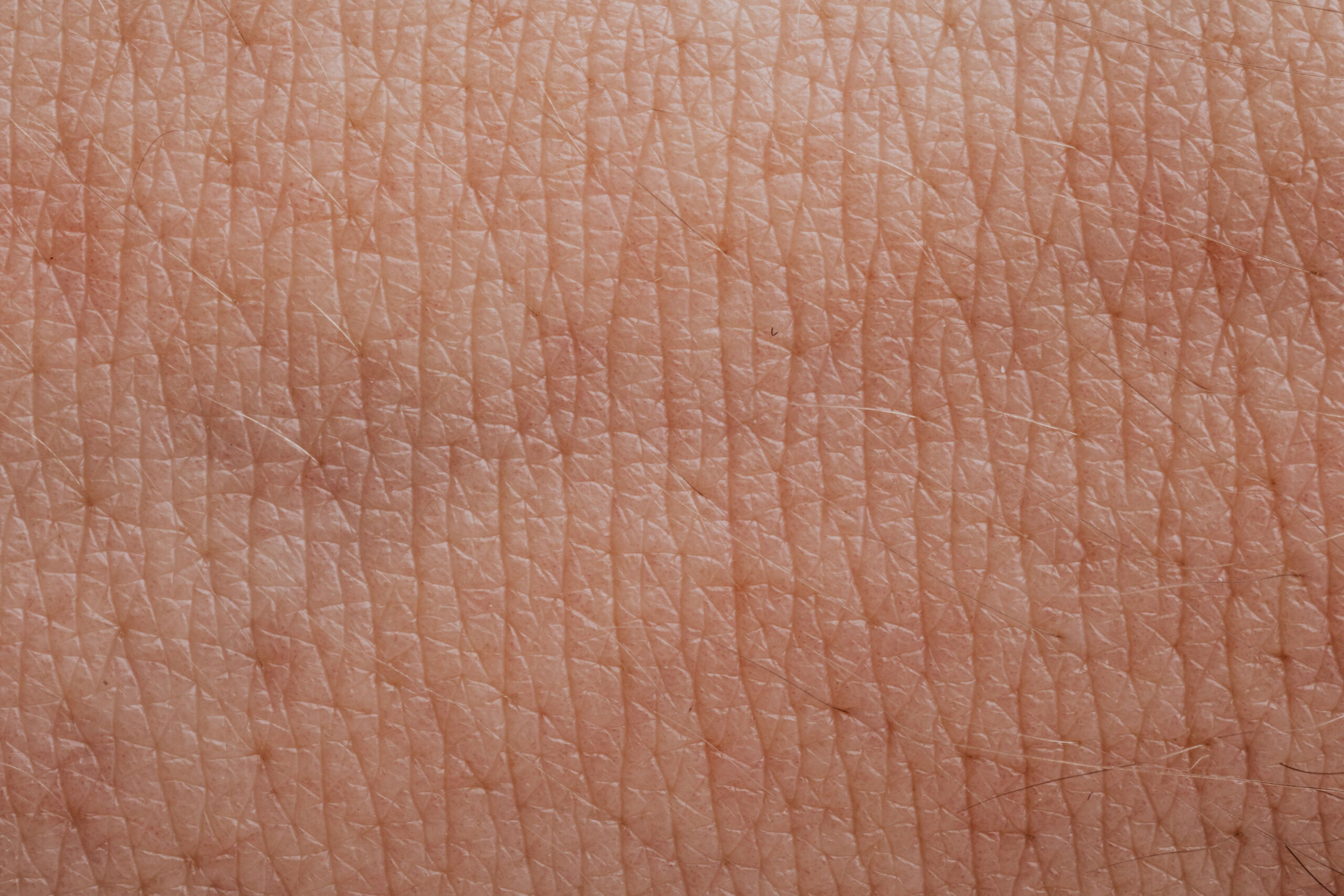
Not all dry skin is the same. Mild dryness that responds to a good moisturizer within a few days is normal and manageable at home. But dry skin in fall that cracks, bleeds, develops red or scaly patches, itches intensely enough to disrupt sleep, or does not improve despite consistent moisturizing may indicate an underlying condition that requires evaluation. Rosacea can mimic dry skin on the face. Eczema often presents as dry, itchy patches that return to the same locations season after season. Psoriasis produces thick, silvery scales that look like severe dryness but do not respond to standard moisturizers. A board-certified dermatologist can distinguish between these conditions and recommend the right treatment plan, saving you from months of guessing with over-the-counter products that are not addressing the real issue.
6 Ways to Manage Dry Skin in Fall
1. Switch to a cream-based moisturizer.
Lotions are lighter and absorb quickly, which makes them ideal for summer. But when humidity drops, your skin needs something heavier. Cream-based moisturizers with ceramides, shea butter, or petrolatum create a stronger seal over the skin and prevent water loss more effectively. Apply within a few minutes of bathing while skin is still slightly damp to trap the moisture.
2. Take shorter, lukewarm showers.
Hot showers feel great when the weather cools down, but they strip the natural oils from your skin faster than almost anything else. Keep showers under 10 minutes and use warm, not hot, water. This single change can make a noticeable difference in how your skin feels within a week.
3. Use a humidifier in your home.
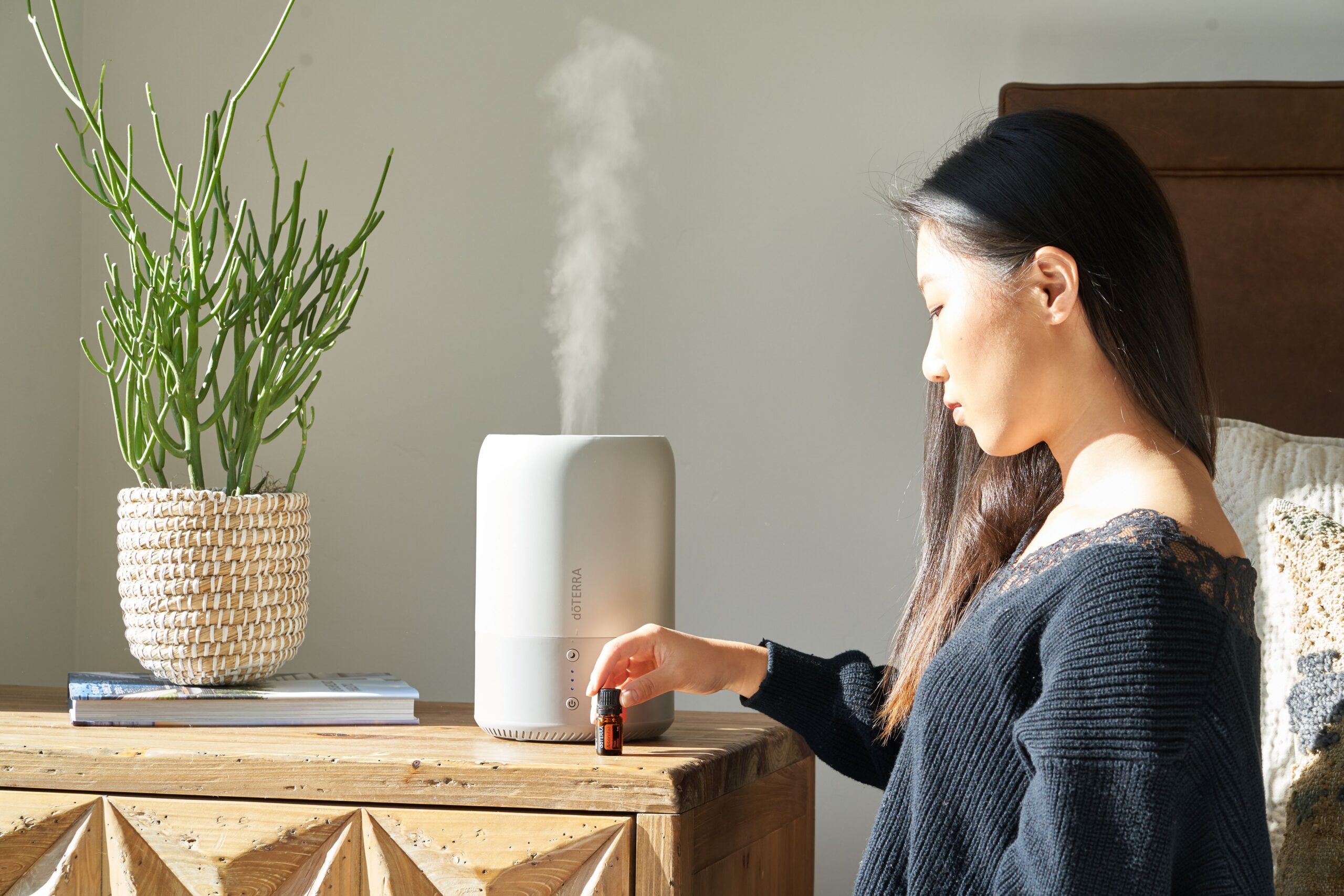
Once your furnace or heat pump kicks on, the air inside your home dries out quickly. A humidifier in your bedroom can maintain moisture levels between 40 and 50 percent, which supports your skin barrier while you sleep. This is especially helpful for people whose dry skin in fall worsens at night or first thing in the morning.
4. Choose gentle, fragrance-free cleansers.
Harsh soaps and body washes with added fragrances, dyes, or sulfates can irritate already-dry skin and break down the moisture barrier further. Switch to a gentle, fragrance-free cleanser for both face and body. If you have been using an exfoliating wash, reduce frequency to once or twice a week until your skin stabilizes.
5. Protect your hands and lips.
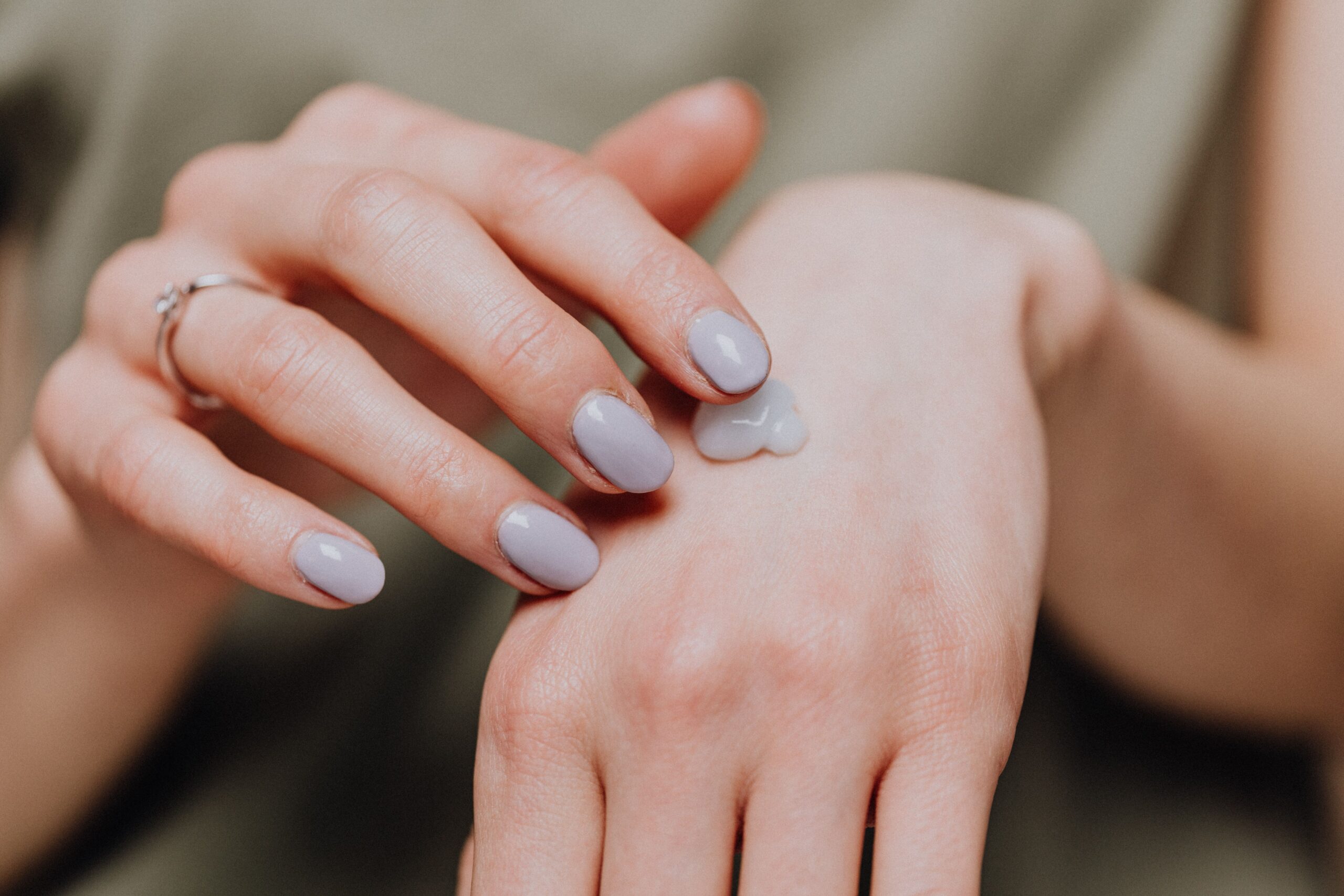
The skin on your hands and lips is thinner and more vulnerable to drying out. Wear gloves when the temperature drops and apply a thick hand cream multiple times throughout the day. For lips, use a balm with beeswax or petrolatum rather than flavored lip products that can actually increase dryness.
6. Continue wearing sunscreen.
Sun protection is not a summer-only concern. UV rays remain strong enough in early fall to damage the skin barrier and worsen dryness. A moisturizing sunscreen with SPF 30 or higher does double duty: it protects against UV damage and adds a layer of hydration. Your dermatologist can help you find a formula that works with dry or sensitive skin.
When Dry Skin in Fall Is Something More
If your dry skin in fall does not improve after two to three weeks of consistent moisturizing, or if it is accompanied by intense itching, redness, swelling, open cracks, or bleeding, it is time to see a dermatologist. These symptoms may point to eczema, psoriasis, contact dermatitis, or another condition that needs medical dermatology treatment beyond what over-the-counter products can provide. The goal is not to live with it. The goal is to figure out what is actually going on so you can treat it properly and prevent it from coming back every year.
Get Help for Dry Skin in Kimball, TN
The board-certified dermatologists at Chattanooga Skin and Cancer Clinic in Kimball serve patients throughout Marion County, the Sequatchie Valley, Jasper, and South Pittsburg. Whether your dry skin is a seasonal nuisance or a sign of something that needs professional treatment, our team can help you find the right solution.
Chattanooga Skin and Cancer Clinic — Kimball
400 Dixie Lee Center Road, Suite C, Kimball, TN 37347
Phone: 423-815-9975
Hours: Monday through Thursday, 8:00 AM to 4:00 PM (CST). First Friday of each month, 8:00 AM to 11:00 AM (CST).
Schedule an appointment or call our Kimball office today.
Follow us! @chattskinandcancer