
Your baby wakes up again at 2 a.m., scratching at the same raw patches of skin on their cheeks and elbows. You’ve tried switching detergents, avoiding certain foods, and slathering on whatever lotion was at the top of the search results. Nothing is really working, and the pediatrician used a word you’ve been reading about ever since: eczema. If that scenario sounds familiar, you are not alone. Eczema is one of the most common skin conditions in young children, and it is also one of the most misunderstood.
Eczema in babies and toddlers affects roughly 10 to 20 percent of children in the United States, according to the National Eczema Association. It tends to show up in the first year of life, often before a baby’s first birthday. For many parents, the diagnosis raises more questions than answers. What exactly is eczema? What causes it to flare? How do you manage it day to day, and when does a child need to see a dermatologist? This article answers all of those questions clearly and practically, so parents in the Chattanooga area and beyond can feel confident taking care of their child’s skin.
What Is Eczema and Why Does It Affect So Many Babies?
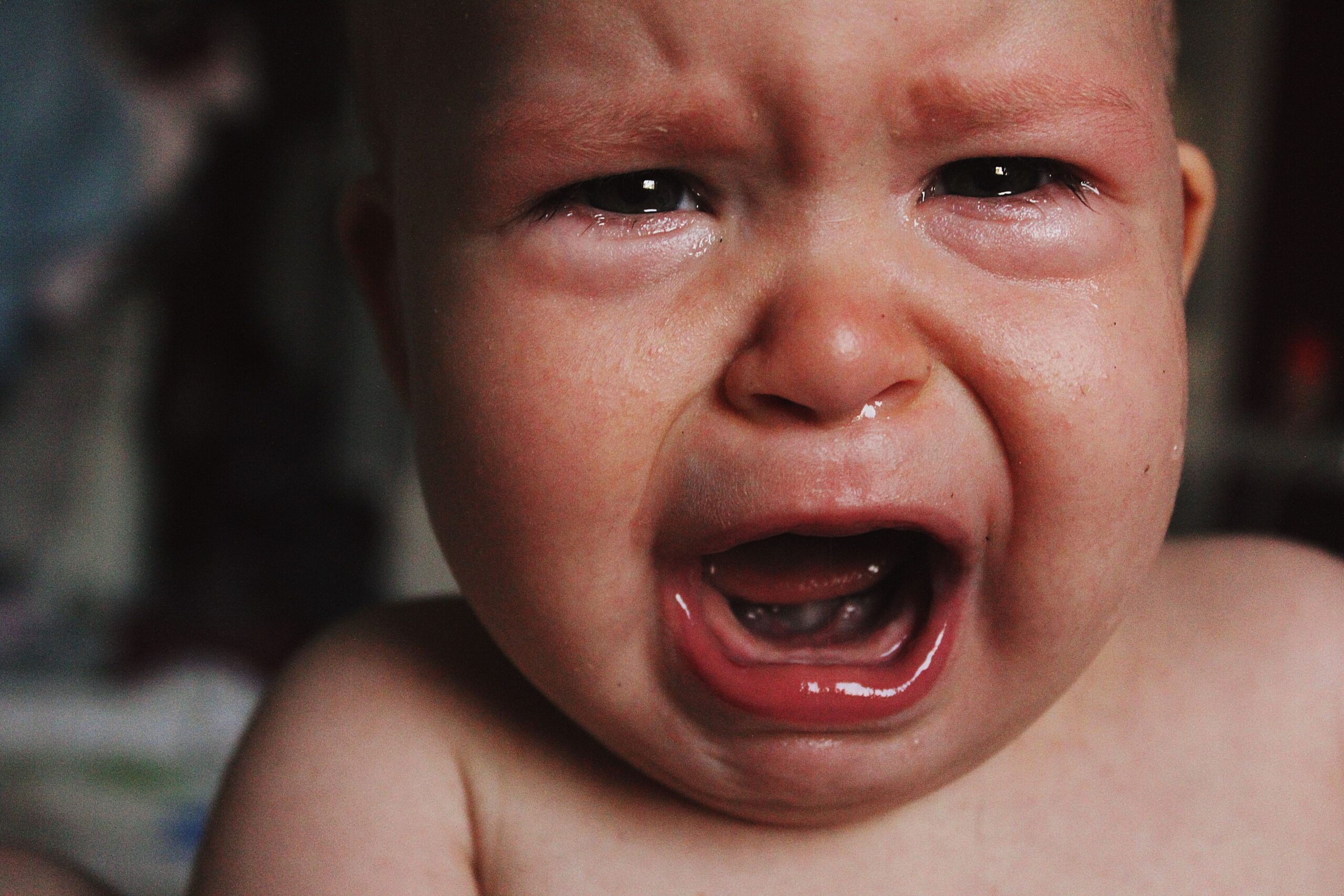
Eczema, medically known as atopic dermatitis, is a chronic inflammatory skin condition where the skin’s protective barrier does not function properly. A healthy skin barrier locks in moisture and keeps irritants and allergens out. In children with eczema, that barrier is compromised, meaning the skin loses water more easily and becomes vulnerable to environmental triggers.
The result is skin that is dry, itchy, and prone to red, inflamed patches. In babies, these patches often appear on the face, especially the cheeks and forehead. As children grow into toddlers, eczema tends to shift to the elbow creases, behind the knees, and around the wrists. The itching can be intense, and because babies and toddlers cannot stop themselves from scratching, the skin can break open, which raises the risk of infection.
Eczema is not contagious. It is not caused by poor hygiene or anything a parent did wrong. Genetics play a large role. Children with a parent or sibling who has eczema, asthma, or seasonal allergies are significantly more likely to develop it themselves. This connection, called the atopic march, means that early eczema in infants can sometimes be a predictor of later allergies or asthma.
How Do You Know If Your Baby Has Eczema?
Eczema can look different depending on the child’s age and skin tone. In lighter skin, inflamed patches appear red or pink. In deeper skin tones, eczema may look more purple, brown, or grayish, which leads to it being missed or misdiagnosed more often in children of color.
Common signs to watch for in babies under 12 months include dry, scaly patches on the cheeks, scalp, or forehead; oozing or crusting skin; and visible discomfort, especially when the baby is warm or after a bath. Toddlers often show eczema in the skin folds at the elbows, wrists, knees, and ankles. The skin may appear thickened or leathery in areas that have been scratched repeatedly over time.
One hallmark of eczema is the cycle of flares and relative calm. A child might have clear skin for weeks, then break out after a trigger like cold weather, sweating, or exposure to a new product. That unpredictable pattern can make management feel frustrating, but understanding triggers is one of the most useful tools parents have.
What Triggers Eczema Flares in Young Children?
Triggers vary from child to child, but some of the most consistent culprits include dry air, sweat, synthetic fabrics, certain soaps and fragrances, dust mites, pet dander, and stress. In the Southeast, where Chattanooga’s climate includes both humid summers and cold winters, children with eczema can face year-round challenges as the environment shifts.
Food allergies sometimes overlap with eczema, which leads many parents to assume that diet is the root cause. The relationship between eczema and food is real but complicated. The American Academy of Dermatology notes that food allergies are found in about 30 percent of children with moderate to severe eczema, with milk, eggs, wheat, soy, and peanuts being the most common culprits. Eliminating foods without guidance can be harmful to a young child’s nutrition. A board-certified dermatologist or allergist should evaluate whether food is genuinely contributing to a child’s flares before any dietary changes are made.
Temperature is another major factor. Overheating causes sweating, which irritates the skin. Keeping bedrooms cool, dressing children in loose cotton layers, and avoiding heavy blankets at night can all reduce the frequency of flares.
How Is Eczema in Babies and Toddlers Treated?
There is no cure for eczema, but it is very manageable with a consistent routine. The foundation of eczema care for young children is moisturizing frequently and effectively. Applying a thick, fragrance-free cream or ointment immediately after a bath, while the skin is still slightly damp, helps lock in moisture before it evaporates. Creams and ointments outperform thin lotions for this purpose because they contain more lipid content and create a stronger barrier.
Bathing in lukewarm water for five to ten minutes, then patting the skin dry before applying moisturizer, is a routine that dermatologists recommend consistently. Hot water strips the skin’s natural oils and worsens dryness. Fragrance-free, gentle cleansers should replace traditional soaps.
When moisturizing alone does not control flares, a pediatric dermatologist may recommend topical corticosteroids. These prescription creams reduce inflammation and are safe when used correctly. Parents are often cautious about steroids, and that concern is understandable, but low-potency topical steroids used as directed on affected areas are a well-established treatment option. A dermatologist will choose the appropriate strength for the child’s age and the area being treated.
Newer non-steroidal prescription treatments, such as topical calcineurin inhibitors, are also available for children who need ongoing management without repeated steroid use. For more severe cases, a pediatric dermatologist may discuss systemic treatments or biologic medications. Dupilumab received FDA approval for children as young as six months old in 2023, marking a meaningful step forward in treating moderate to severe eczema in infants.
When Should You See a Dermatologist Instead of Waiting It Out?
Pediatricians are a good starting point for mild eczema, but there are clear situations where a dermatologist’s expertise makes a real difference. A board-certified dermatologist has specialized training in skin conditions that goes beyond what most general practitioners receive.
See a dermatologist if your child’s eczema is not improving after two to four weeks of consistent moisturizing and over-the-counter care. Seek care sooner if the skin appears infected, which may look like crusting, honey-colored discharge, increased redness, warmth, or swelling. Scratched eczema skin is an open door for bacterial infections, particularly staph, and those infections need prompt treatment.
A dermatologist can also confirm the diagnosis when eczema looks similar to other conditions like psoriasis, seborrheic dermatitis, or contact dermatitis. Getting the right diagnosis matters because these conditions respond to different treatments. Treating one condition like another will not produce the results the child needs.
Chattanooga Skin and Cancer Clinic has been caring for patients of all ages since 1973, including infants and toddlers with chronic skin conditions. All providers are board-certified dermatologists with experience in pediatric dermatology. With three locations across Chattanooga, Cleveland, and Kimball, families across Southeast Tennessee can access specialized care close to home.
What Daily Habits Make the Biggest Difference for Kids with Eczema?
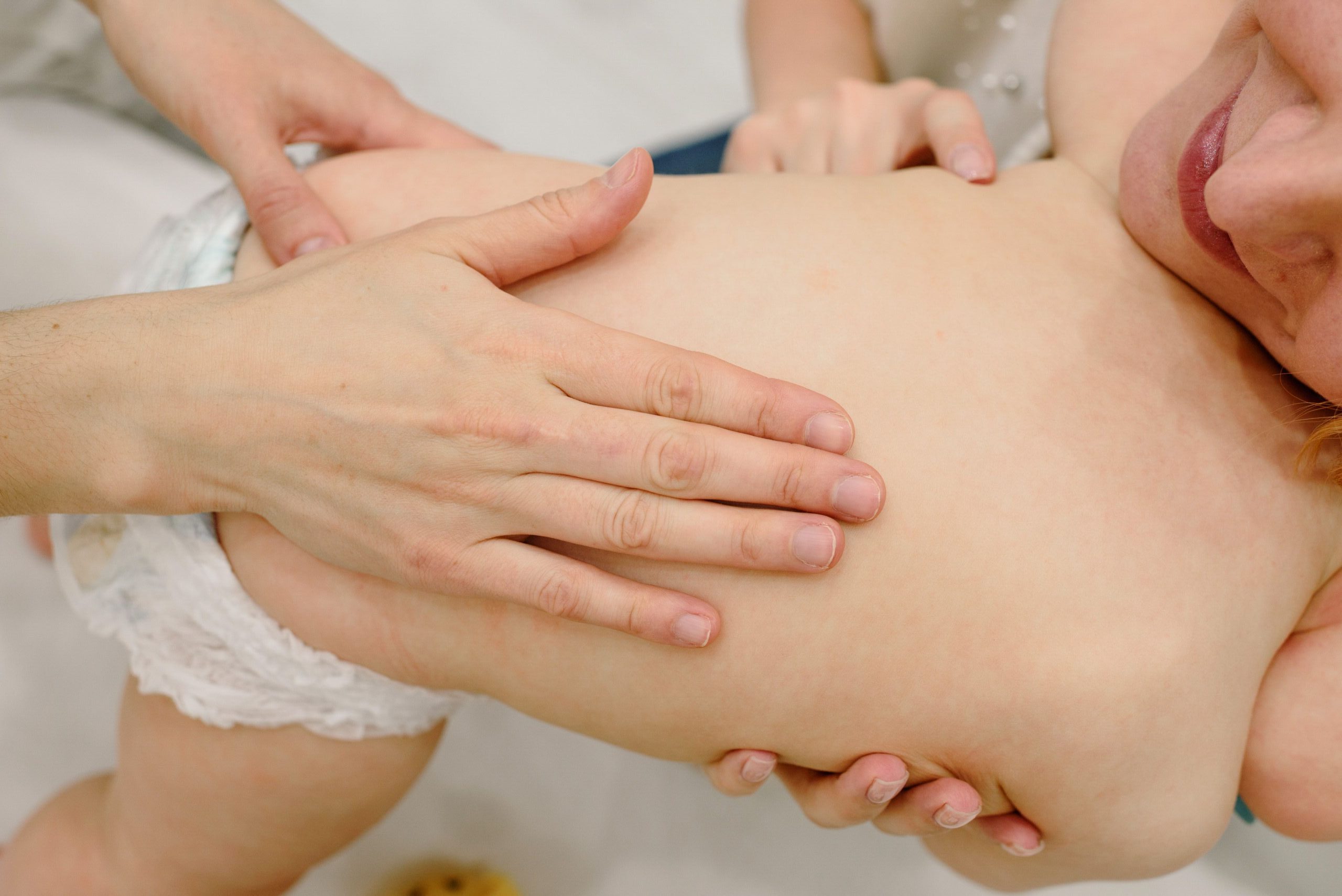
Consistency is everything with eczema management. Moisturizing once a day is helpful; moisturizing twice a day is better. The goal is to keep the skin barrier as intact as possible so it has less opportunity to react to triggers.
Clothing choices matter more than most parents realize. Synthetic fabrics like polyester and nylon trap heat and create friction against the skin. Loose-fitting, 100 percent cotton clothing lets the skin breathe and reduces irritation. Wash new clothing before the first wear to remove manufacturing residues, and use fragrance-free, dye-free detergents consistently.
Keeping a simple log of flares can help parents and dermatologists identify patterns. Note what the child ate, what products were used, changes in weather or environment, and how the skin responded. Over time, these records often reveal connections that are not obvious in the moment.
Short, trimmed fingernails reduce the skin damage that comes from scratching during sleep. For infants who scratch at night, lightweight cotton mittens can protect the skin until they are old enough to understand not to scratch.
Does Eczema in Babies Go Away on Its Own?
Many children do experience significant improvement as they get older. Studies suggest that about 50 percent of children with infant eczema see it resolve or become much milder by age six. Another portion will continue to have flares into adolescence or adulthood, though often less severely than in early childhood.
The trajectory is hard to predict for any individual child. Children with more severe early eczema, or those who also have food allergies or asthma, are more likely to have persistent symptoms. Early, consistent treatment and close management with a dermatologist give children the best chance at keeping flares minimal and protecting skin health long-term.
Parents should also know that eczema does not reflect on their parenting. Many children with eczema go on to have completely normal, active childhoods when their condition is well managed.
Frequently Asked Questions About Eczema in Babies and Toddlers
Is eczema the same as dry skin?
No. While dry skin is a feature of eczema, eczema is a chronic inflammatory condition with a genetic component. Simple dry skin responds to moisturizer and does not cause the chronic, itchy, inflamed patches that eczema does. If moisturizing alone is not controlling the problem, the skin condition likely needs a dermatologist’s assessment.
Can breastfeeding or formula affect my baby’s eczema?
There is some evidence that breastfeeding may offer a modest protective effect against developing eczema, but breastfeeding does not prevent it entirely and formula does not cause it. If a nursing mother suspects her diet is affecting her baby’s skin, speaking with a dermatologist or allergist is the right path forward rather than eliminating foods without guidance.
Are topical steroids safe to use on a baby’s skin?
Low-potency topical corticosteroids are considered safe for short-term use in infants and toddlers when prescribed by a dermatologist and applied as directed. Concerns about steroid side effects are most relevant when high-potency creams are overused for long periods. A board-certified dermatologist prescribes the appropriate strength and gives clear instructions on duration and frequency.
What is the best moisturizer for baby eczema?
Thick, fragrance-free creams or ointments tend to work better than thin lotions. Products like plain petroleum jelly, CeraVe Healing Ointment, or Vanicream Moisturizing Ointment are frequently recommended because they are fragrance-free and effective. The best moisturizer is one that is applied consistently and immediately after bathing while the skin is still slightly damp.
When should I bring my toddler to Chattanooga Skin and Cancer Clinic for eczema?

Bring your child in if the eczema is not responding to at-home care after two to four weeks, if you see signs of infection, if the condition is affecting your child’s sleep or quality of life, or if you are unsure whether the diagnosis is correct. The practice’s board-certified dermatologists see patients across all age groups, including infants, at locations in Chattanooga, Cleveland, and Kimball. You can call the Chattanooga office at 423-899-2700 or the Cleveland office at 423-479-8648 to schedule an appointment.
Getting Your Child the Right Care
Eczema in babies and toddlers can feel relentless, especially in those early months when everything is new and sleep is already scarce. The good news is that with the right routine, the right triggers identified, and the right medical support in place, most children with eczema live comfortably and thrive.
Chattanooga Skin and Cancer Clinic has been part of this community for more than 50 years, founded in 1973 and now serving patients at three locations across Southeast Tennessee. Every provider is board-certified, and the clinic treats patients from infancy through adulthood. If your baby or toddler is struggling with eczema and you are ready to move past guesswork, the team at Chattanooga Skin and Cancer Clinic is ready to help.
Call 423-899-2700 for the Chattanooga location at 6061 Shallowford Road, 423-479-8648 for Cleveland at 3891 Adkisson Drive, or 423-815-9975 for the Kimball office at 400 Dixie Lee Center Rd. All three offices are open Monday through Friday, and new patient appointments are available.