
Eczema in fall catches a lot of patients off guard. Summer may have been manageable, maybe even a good season for your skin. The humidity helped. The warmth kept things calm. Then September hits, the air dries out, and within a couple of weeks the itching is back, the patches are spreading, and you are right back where you started. If this cycle sounds familiar, you are not imagining it. The seasonal shift from summer to fall is one of the most predictable triggers for eczema flares, and understanding exactly why it happens is the first step toward breaking the pattern.
Why Eczema in Fall Is So Common
Eczema, also known as atopic dermatitis, is a chronic condition rooted in a compromised skin barrier. When the barrier is intact, it holds moisture in and keeps irritants out. When it is damaged, which is the baseline state for eczema-prone skin, moisture escapes and environmental triggers get through more easily. Fall accelerates this process. Outdoor humidity drops, indoor heating starts pulling moisture from the air, and the skin barrier that was barely holding on during summer begins to fail. The result is dryness, cracking, redness, and the intense itching that defines an eczema flare. In the Bradley County and Cleveland area, the transition can happen quickly, sometimes within a single week of cooler, drier weather moving in.
5 Eczema in Fall Triggers You Should Know
1. Dropping humidity and indoor heating.
This is the most significant trigger for eczema in fall. As outdoor humidity decreases and furnaces kick on, the moisture content in the air inside your home can plummet below 30 percent. That dry air pulls water directly from your skin, weakening the barrier and setting the stage for flares. A humidifier in the bedroom set between 40 and 50 percent can make a measurable difference, especially overnight when the skin is repairing itself.
2. Hot showers and baths.

When the weather cools, most people shift to hotter, longer showers. This is one of the worst things you can do for eczema-prone skin. Hot water strips the natural oils that form the outer layer of the skin barrier, accelerating moisture loss. Keep showers under 10 minutes and use lukewarm water. Apply a thick, fragrance-free moisturizer within two minutes of drying off to lock in as much hydration as possible.
3. Wool, flannel, and heavier fabrics.
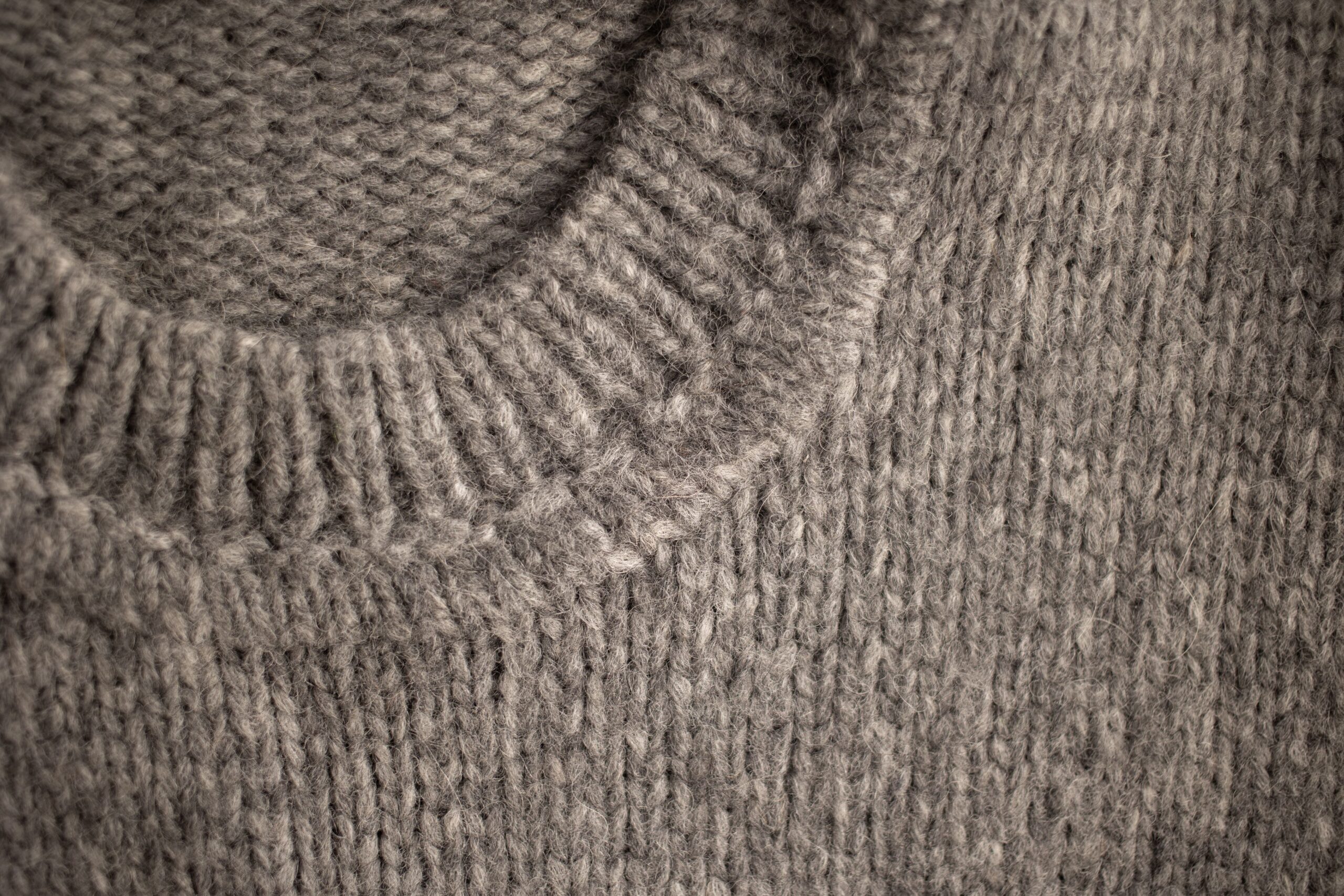
Fall wardrobes mean heavier layers, and many of those fabrics are eczema triggers. Wool is one of the most common irritants for eczema-prone skin. Rough textures, synthetic blends, and even some fleece materials can create friction and trap heat against the skin, both of which aggravate flares. Wear soft cotton or silk as a base layer against your skin, even underneath heavier clothing.
4. Ragweed and fall allergens.
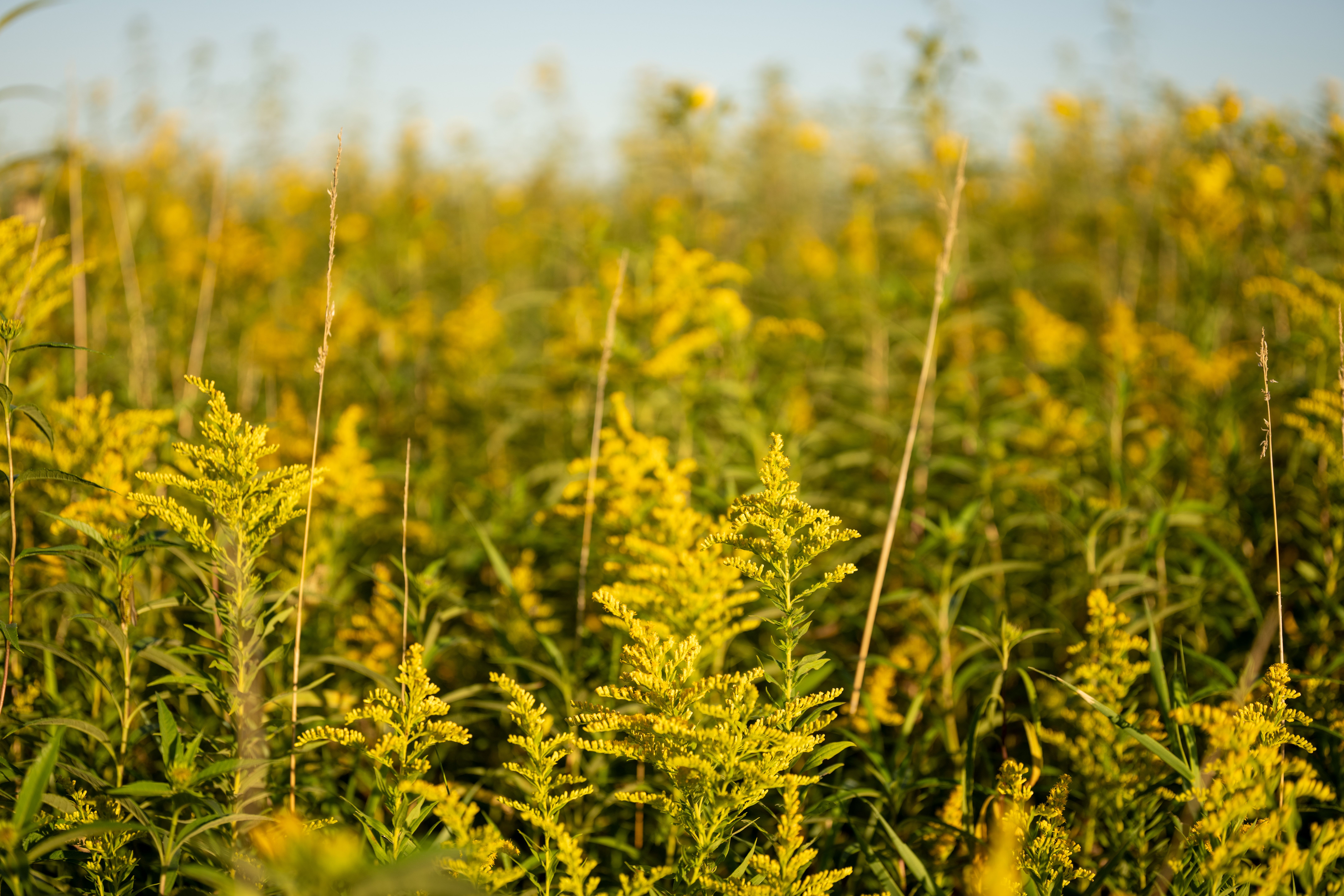
In Southeast Tennessee, ragweed season runs from late August through October, and it overlaps directly with the start of eczema in fall season. For patients whose eczema has an allergic component, airborne pollen can trigger or intensify flares even without direct skin contact. If your eczema consistently worsens during ragweed season, your dermatologist may recommend allergy testing or adjust your treatment plan to account for the overlap.
5. Stress from the back-to-routine transition.
September brings a surge in routine changes: school schedules, work deadlines after summer slowdowns, and the general acceleration of daily life. Stress is a well-documented eczema trigger. It raises cortisol and inflammatory markers in the body, which can push skin that was borderline into a full flare. Stress management will not cure eczema, but ignoring its role can undermine every other part of your treatment plan.
How to Manage Eczema in Fall Before Flares Start
The best approach to eczema in fall is proactive, not reactive. Do not wait for the first flare to change your routine. Switch to a heavier, cream-based moisturizer before the air dries out. Start running a humidifier at night as soon as the heating system turns on. Swap any irritating fabrics out of your wardrobe now. And if you have a prescription maintenance treatment, keep using it through the seasonal transition even if your skin looked clear in August. Many patients stop treatment when things improve, then struggle to regain control once a flare takes hold. Consistency through the transition is worth more than any rescue treatment after the fact.
When Eczema in Fall Needs a Dermatologist
If your eczema flares are severe enough to crack, bleed, or disrupt your sleep, if over-the-counter moisturizers and hydrocortisone are not controlling the itch, or if your patches are spreading to new areas, it is time for a medical dermatology evaluation. A board-certified dermatologist can prescribe stronger topical treatments, evaluate whether a systemic medication is appropriate, and rule out secondary infections that sometimes develop in cracked eczema skin. For patients with severe or widespread flares, newer biologic therapies have changed what is possible. A dermatologist can determine whether you are a candidate.
Get Eczema Relief in Cleveland, TN
The board-certified dermatologists at Chattanooga Skin and Cancer Clinic in Cleveland treat eczema year-round and understand the seasonal patterns that drive flares in this area. If your skin is already reacting to the fall transition, or if you want to get ahead of it before the flares start, our team is ready to help.
Chattanooga Skin and Cancer Clinic — Cleveland
3891 Adkisson Drive, Cleveland, TN 37312
Phone: 423-479-8648
Hours: Monday through Friday, 7:30 AM to 4:30 PM (EST)
Schedule an appointment or call our Cleveland office today.
Follow us! @chattskinandcancer