
Hair loss is one of those concerns people tend to watch quietly for weeks or months before doing anything about it. You notice more strands in the shower drain. Your ponytail feels thinner. A part that used to be narrow is getting wider. You search for answers online and get buried in conflicting advice about supplements, shampoos, and stress. The reality is that hair loss has a wide range of causes, and most of them are not going to respond to a new shampoo. Some are temporary and fully reversible. Others are progressive and need early intervention to prevent permanent thinning. A board-certified dermatologist is the fastest way to figure out which category yours falls into.
Why Hair Loss Happens More Than People Realize
Losing 50 to 100 hairs a day is normal. Your hair goes through growth cycles, and shedding is a natural part of that process. The problem starts when more hair is falling out than growing back in, or when the hair that does grow back comes in thinner and weaker than before. Hair loss affects men and women of all ages, and it is far more common in women than most people assume. In areas like Marion County, the Sequatchie Valley, Jasper, and South Pittsburg, patients often wait until the thinning is visible to others before seeking help. By then, the underlying cause has usually been active for months. The earlier you address hair loss, the more options you have.
5 Hidden Causes of Hair Loss
1. Telogen effluvium from stress or illness.
This is one of the most common forms of temporary hair loss, and it often catches people off guard because the shedding starts two to three months after the triggering event. A major illness, surgery, childbirth, significant weight loss, or prolonged emotional stress can push a large number of hair follicles into the resting phase at the same time. When those follicles release their hairs simultaneously, the result is alarming but usually reversible. The hair typically regrows on its own once the trigger resolves, but a dermatologist can confirm the diagnosis and rule out other causes.
2. Thyroid imbalances.
Both hypothyroidism and hyperthyroidism can cause hair loss that is diffuse and gradual, meaning you lose volume evenly rather than in patches. Because thyroid-related hair loss develops slowly, it is easy to dismiss as normal aging. A simple blood test can identify a thyroid issue, and once the thyroid is properly managed, hair growth usually resumes. If your hair loss is accompanied by fatigue, weight changes, or sensitivity to temperature, mention these symptoms to your dermatologist.
3. Nutritional deficiencies.

Iron deficiency is one of the most underdiagnosed causes of hair loss, particularly in women. Low ferritin levels, even when they fall within the technical normal range, can contribute to thinning. Vitamin D deficiency, zinc deficiency, and protein insufficiency can also affect hair growth. Crash diets and restrictive eating patterns are common triggers. A medical dermatology workup can include blood tests to check for these deficiencies so treatment addresses the root cause rather than just the symptom.
4. Hormonal changes.
Androgenetic alopecia, the most common form of progressive hair loss, is driven by hormones and genetics. In men, it typically presents as a receding hairline and crown thinning. In women, it usually appears as a widening part and overall volume loss without a receding hairline. Hormonal shifts during menopause, after stopping birth control, or related to polycystic ovary syndrome (PCOS) can also trigger or accelerate hair loss. These patterns are treatable, especially when caught early, but they require a correct diagnosis first.
5. Scalp conditions.

An unhealthy scalp can prevent healthy hair growth, and many people do not realize their hair loss is connected to a treatable scalp issue. Seborrheic dermatitis, scalp psoriasis, fungal infections, and folliculitis can all cause inflammation around the hair follicle that disrupts the growth cycle. If your hair loss is accompanied by itching, flaking, redness, or tenderness on the scalp, the scalp condition needs treatment before the hair loss can improve.
What a Dermatologist Can Do About Hair Loss
A dermatologist evaluates hair loss differently than a primary care doctor. The exam typically includes a close inspection of the scalp, an assessment of the pattern and distribution of thinning, and sometimes a pull test or scalp biopsy to confirm the diagnosis. Blood work may be ordered to check for thyroid issues, iron levels, hormonal imbalances, or other systemic causes. Treatment depends entirely on the diagnosis: topical medications like minoxidil for androgenetic alopecia, anti-inflammatory treatments for scalp conditions, nutritional supplementation for deficiencies, or referral for hormonal management when appropriate. The key is getting the right diagnosis, because treating hair loss without knowing the cause wastes time and can allow reversible conditions to become permanent.
When to See a Dermatologist About Hair Loss
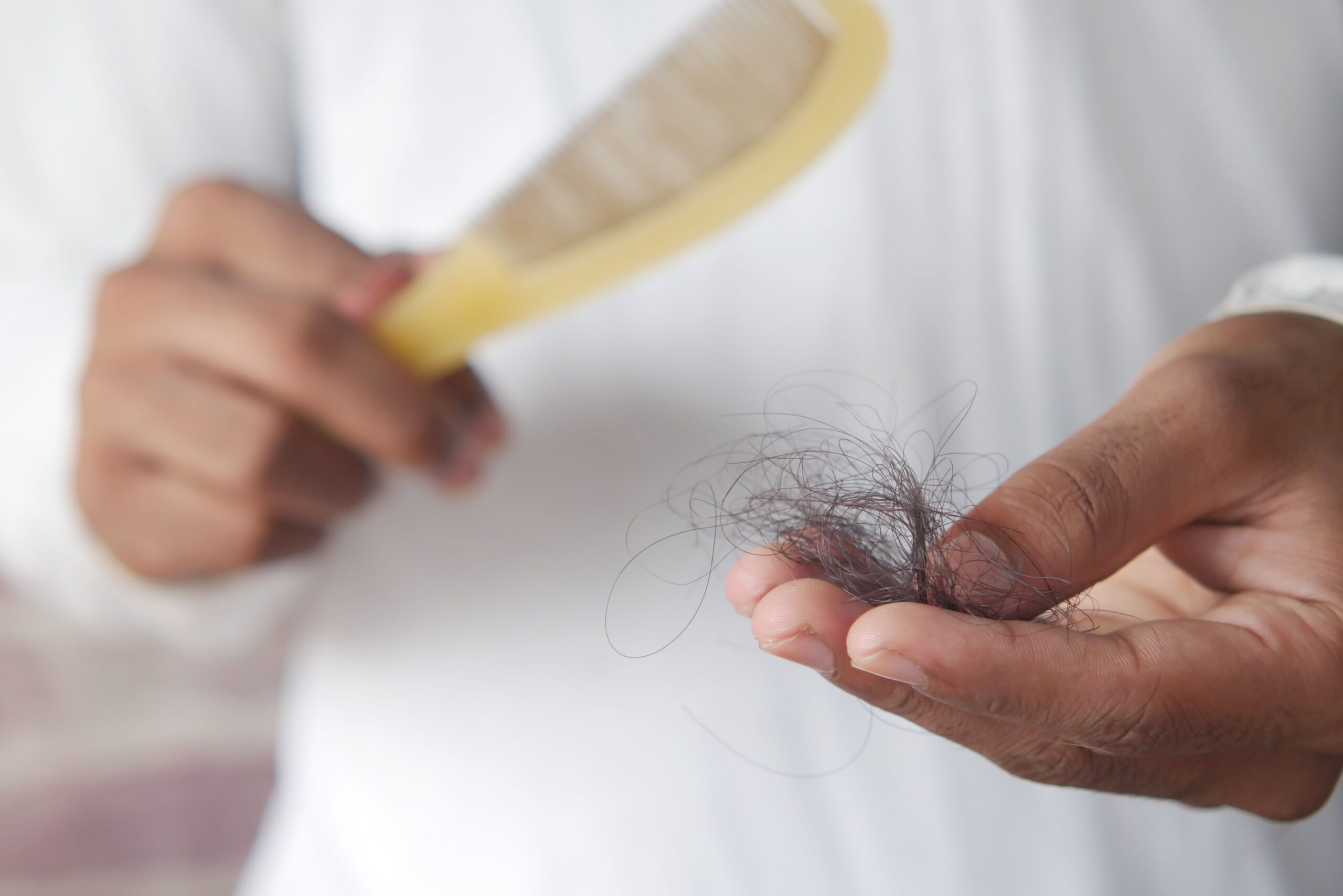
If you are noticing more shedding than usual, a widening part, thinning at the temples or crown, bald patches, or scalp irritation alongside hair loss, schedule an appointment with a board-certified dermatologist. The earlier hair loss is evaluated, the better the outcome. Many forms of hair loss are treatable or reversible when caught before significant follicle damage occurs. Waiting until the thinning is obvious to everyone around you means the condition has been progressing unchecked for months, and recovery takes longer.
Get Answers About Hair Loss in Kimball, TN
The board-certified dermatologists at Chattanooga Skin and Cancer Clinic in Kimball treat all types of hair loss in men and women. Whether you are dealing with sudden shedding, gradual thinning, or scalp symptoms that seem connected, our team can evaluate the cause and recommend a treatment plan that fits your situation.
Chattanooga Skin and Cancer Clinic — Kimball
400 Dixie Lee Center Road, Suite C, Kimball, TN 37347
Phone: 423-815-9975
Hours: Monday through Thursday, 8:00 AM to 4:00 PM (CST). First Friday of each month, 8:00 AM to 11:00 AM (CST).
Schedule an appointment or call our Kimball office today.
Follow us! @chattskinandcancer