
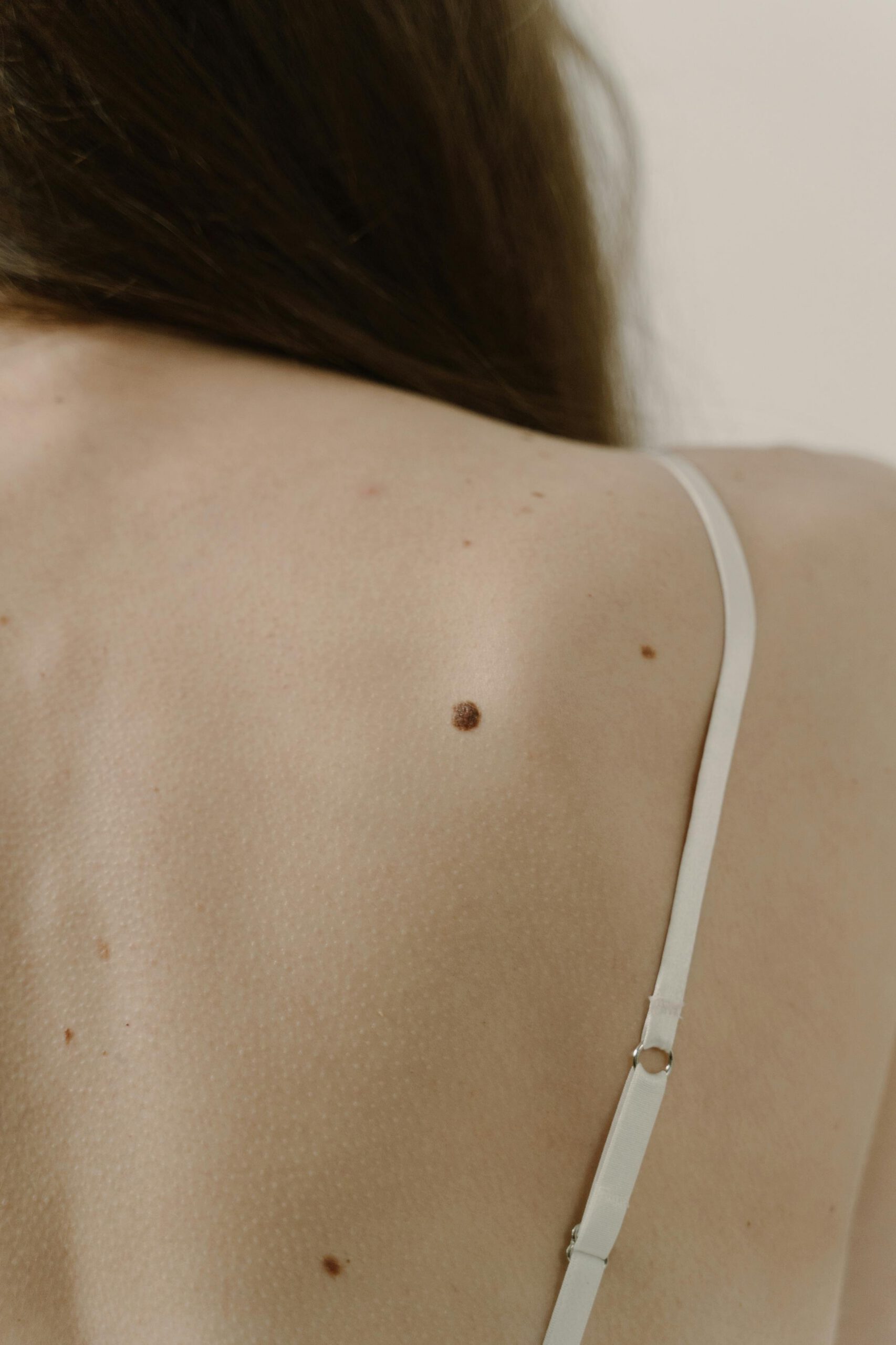
A monthly self-skin check is one of the simplest things you can do to catch skin cancer early, and it takes about 10 minutes. You stand in front of a mirror, examine your skin from head to toe, and look for anything new, changing, or unusual. That’s it. No special equipment required. The reason this matters is straightforward: skin cancer is the most common cancer in the United States, affecting one in five Americans in their lifetime according to the American Academy of Dermatology. When caught early, most skin cancers are highly treatable. When caught late, treatment becomes more complex and outcomes get worse. The gap between early and late detection often comes down to whether someone was paying attention. A self-skin check fills the months between your annual professional skin exams and gives you a baseline understanding of your own skin, so when something does change, you notice. At Chattanooga Skin and Cancer Clinic, our board-certified dermatologists encourage every patient to build this habit. Here’s how to do it well.
What Do You Need for a Self-Skin Check?
You need a well-lit room, a full-length mirror, and a hand mirror. Good lighting is non-negotiable because shadows and dim light make it easy to miss subtle changes. Natural daylight or a bright overhead bathroom light works best. The hand mirror is for areas you can’t see directly: your back, the backs of your legs, your scalp, and behind your ears.
If you have a partner or close friend who’s willing to help, an extra set of eyes on your back and scalp makes the process more thorough. A smartphone camera can also be useful for photographing spots you want to track over time. If you notice a mole that looks a little off but you’re not sure if it’s changed, snap a photo with something for scale (a coin or ruler next to it) and compare it at your next monthly check.
What Is the Best Way to Examine Your Skin Head to Toe?
Start at the top and work your way down. Consistency matters more than speed. If you follow the same routine each time, you’re less likely to skip areas.
Begin with your face. Look at your nose, lips, mouth, ears (front and back), and around your eyes. Use the hand mirror to check behind your ears and along your hairline. Then move to your scalp. Part your hair in sections and look at the skin underneath. A blow dryer on a cool setting can help move hair out of the way. Scalp skin cancers are easy to miss because they hide under hair, so take your time here.
Next, examine your neck, chest, and torso. Women should check under the breasts. Raise your arms and look at your underarms and the sides of your torso. Then check both arms: upper arms, forearms, the tops and palms of your hands, between your fingers, and under your fingernails. Melanoma can develop under nails, appearing as a dark streak or band.
Sit down to check your legs. Look at the fronts and backs of your thighs, shins, ankles, the tops of your feet, the soles of your feet, and between your toes. Then use the hand mirror to examine your back, buttocks, and the backs of your legs. If a partner is helping, this is where they’re most useful.
What Are the ABCDEs of Melanoma?
The ABCDE system is a straightforward framework dermatologists use to evaluate moles and pigmented spots. It stands for Asymmetry, Border, Color, Diameter, and Evolution. Not every melanoma hits all five criteria, but any one of them is reason enough to get a spot checked.
Asymmetry means one half of the mole doesn’t match the other. If you drew a line down the middle, the two sides would look different in shape or size. Border refers to the edges of the mole. Melanomas often have ragged, notched, or blurred borders, while benign moles tend to have smooth, even edges. Color is about variation within a single spot. A mole with multiple shades of brown, black, red, white, or blue is more concerning than one that’s a uniform color throughout.
Diameter refers to size. The traditional guideline is to pay attention to moles larger than 6 millimeters, about the size of a pencil eraser. That said, melanomas can be smaller than 6mm when first detected, so size alone isn’t a reason to dismiss a spot. Evolution is the most important of the five. Any mole that is changing in size, shape, color, or texture, or any new spot that looks different from your other moles, deserves a closer look from a dermatologist.
What Other Changes Should You Watch For?
The ABCDEs apply primarily to melanoma, but non-melanoma skin cancers (basal cell carcinoma and squamous cell carcinoma) have their own warning signs. A sore that won’t heal is one of the most reliable red flags. If you have a spot that scabs over, seems to improve, then opens up again, and this cycle repeats for more than three to four weeks, get it evaluated.
Other things to watch for include a pearly or waxy bump (common in basal cell carcinoma), a flat flesh-colored or brown scar-like lesion, a firm red nodule, a rough or scaly patch that may bleed or crust, and any growth that’s new and doesn’t look like your other spots. The “ugly duckling” rule is a helpful mental shortcut: if one spot on your body looks noticeably different from everything around it, it’s worth having a professional look.
How Often Should You Do a Self-Skin Check?
Once a month is the standard recommendation. Pick a consistent day that’s easy to remember, like the first of the month, and build it into your routine. The whole process should take about 10 minutes once you’re familiar with it.
Monthly checks are not a replacement for an annual professional skin exam. Your dermatologist has specialized tools like a dermatoscope (a magnifying device with polarized light) and years of training in pattern recognition that you simply can’t replicate at home. Self-checks and professional exams work as a team: you monitor for changes between visits, and your dermatologist provides the clinical evaluation once a year (or more often if you’re at higher risk).
When Should You Call Your Dermatologist About a Spot?
Call sooner rather than later if you notice any of the following: a new mole or growth that appeared recently and looks different from your other spots, a mole that has changed in size, shape, or color, a sore that bleeds and doesn’t heal within three to four weeks, a spot that itches, hurts, or feels tender without an obvious cause, or a dark streak under a fingernail or toenail that you haven’t injured.
I’d rather a patient come in for something that turns out to be nothing than wait six months on something that turns out to be serious. Dermatologists expect these appointments. It’s literally what the job is for. At Chattanooga Skin and Cancer Clinic, you can schedule a skin evaluation at any of our three offices: Chattanooga (423-899-2700), Cleveland (423-479-8648), or Kimball (423-815-9975).
What Are Common Spots That Look Concerning but Are Usually Harmless?
Not everything unusual is skin cancer, and it helps to know what the common impostors look like so you don’t panic every time you spot something new.
Seborrheic keratoses are waxy, raised, brown or tan growths that look almost like they’ve been stuck onto the skin. They’re extremely common after age 40 and completely benign, though they can look alarming if you’ve never seen one before. Cherry angiomas are small, bright red dots caused by clusters of blood vessels near the skin’s surface. They tend to appear on the torso and increase in number with age. Dermatofibromas are firm, small, brownish bumps that often show up on the legs. They’re harmless and usually don’t need treatment.
Even with this list, self-diagnosis is unreliable. If you’re unsure about a spot, the right move is to have a dermatologist take a look. The peace of mind is worth the appointment.
Frequently Asked Questions About Self-Skin Checks
Can I use a smartphone app to check my moles?
Some apps claim to analyze photos of moles for cancer risk, but no app should replace a professional evaluation. Apps can miss cancers and can also flag benign spots as suspicious. Use your phone to photograph spots for your own tracking purposes, but always bring concerns to a dermatologist for a definitive assessment.
What if I have a lot of moles and can’t tell which ones are new?
If you have a high mole count (50 or more), full-body photography can help establish a baseline. Some dermatology practices offer clinical photography services, or you can take your own photos at home. Compare photos month to month to spot new or changing moles more easily.
Where can I get a professional skin exam near Chattanooga?
Chattanooga Skin and Cancer Clinic offers full-body skin exams at all three locations: Chattanooga (6061 Shallowford Road, 423-899-2700), Cleveland (3891 Adkisson Drive, 423-479-8648), and Kimball (400 Dixie Lee Center Rd, 423-815-9975). Appointments are available Monday through Friday.