
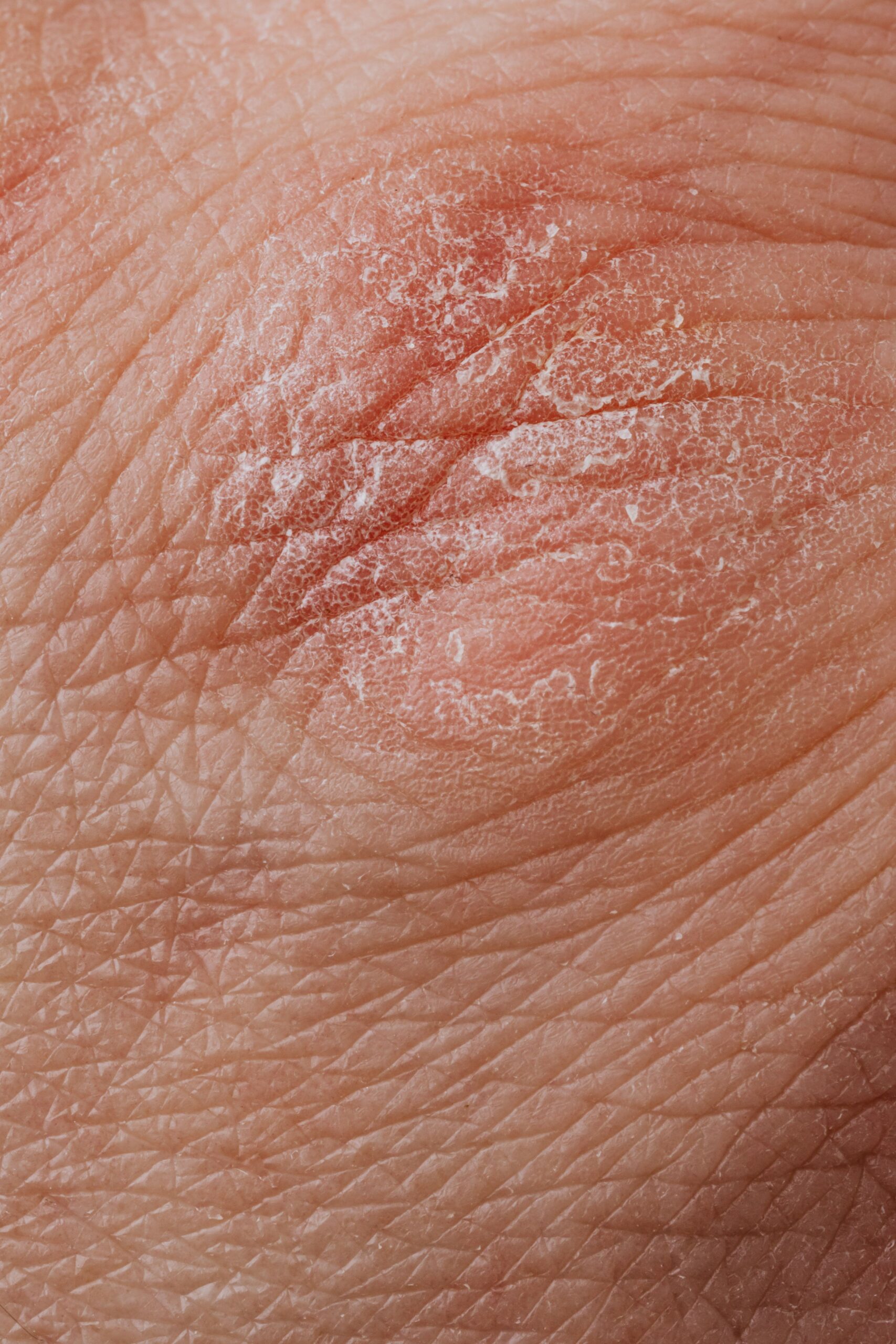
A psoriasis eczema summer flare can catch you off guard. Summer is supposed to be the easy season for skin. The humidity rises, the air softens, and for many people dealing with psoriasis or eczema, the warmer months bring welcome relief. But for others, July and August are when things get worse. The heat itself becomes a trigger. Sweat pools in the creases of skin. Chlorine dries everything out. And suddenly a condition that felt manageable in spring is red, itchy, and impossible to ignore.
If you are dealing with a psoriasis eczema summer flare, you are not imagining it, and you are not doing something wrong. Summer flares are a well-documented pattern, and they happen for specific, identifiable reasons. Understanding what sets them off puts you in a much better position to manage them. At Chattanooga Skin and Cancer Clinic’s Kimball office, our board-certified dermatologists treat psoriasis and eczema patients across the Kimball, Jasper, and surrounding communities, and summer flare-ups are among the most common concerns we hear from June through September.
What Triggers a Psoriasis Eczema Summer Flare?
Psoriasis is an immune-mediated condition where the body produces skin cells at an accelerated rate, producing thick, scaly patches. Many patients with psoriasis experience improvement from moderate sun exposure because UV light slows that overproduction. That is why some people associate summer with remission. But the triggers that come alongside warm weather can offset those benefits quickly.
Heat and sweat are the top offenders. When body temperature rises, sweat can irritate already-sensitive plaques and trigger itching. Scratching damages the skin, and psoriasis has a tendency to develop in areas of skin injury, a phenomenon called the Koebner response. So a scratch becomes a new patch, and the cycle feeds itself. This is one of the most frustrating aspects of a psoriasis eczema summer flare, because the itch-scratch cycle accelerates faster in hot weather.
Sunburn is another major trigger. While controlled UV exposure helps psoriasis, a burn does the opposite. Sunburned skin mounts an inflammatory response, and for someone with psoriasis, that inflammation can set off a flare across the body, not just in the burned area. The line between therapeutic sun and damaging sun is narrower than most people realize.
Dehydration plays a quieter role. When the body loses water through heat and sweat without adequate replacement, the skin dries from the inside out. Psoriasis patches that stay dry crack and worsen, and the surrounding skin becomes more prone to irritation.
Why Does Eczema Get Worse When It Is Hot Outside?
Eczema, or atopic dermatitis, is driven by a compromised skin barrier that lets moisture escape and irritants in. Summer complicates every part of that equation. Sweat is a primary trigger for many eczema patients. The salt and minerals in perspiration irritate inflamed skin on contact, and areas where sweat collects, like the insides of elbows, behind the knees, and around the neck, become hotspots for flares.
Chlorine from swimming pools strips natural oils from the skin, weakening the barrier further. A long afternoon at the pool can undo weeks of careful moisturizing. Saltwater creates similar problems for some patients, though others find it soothing. The response varies from person to person.
Air conditioning introduces its own challenge. Moving between hot outdoor air and cold, dry indoor air stresses the skin. The constant shift in humidity levels makes it difficult for the skin barrier to stabilize, and the dry air pumped by AC units pulls moisture off the skin’s surface. For eczema patients, this back-and-forth between environments is a common but overlooked contributor to a psoriasis eczema summer flare.
Insect repellent, sunscreen ingredients, and fragranced summer products all add to the chemical load on sensitive skin. For eczema-prone individuals, every new product layered on is a potential irritant.
How Can You Tell the Difference Between a Flare and a New Condition?
Not every summer rash is a psoriasis or eczema flare. Heat rash, contact dermatitis from plants or new products, fungal infections from trapped moisture, and sun-related reactions can all mimic or overlap with existing conditions. If your symptoms change character, appear in new locations, or do not respond to your usual treatment, it is worth having a dermatologist evaluate what is happening. Treating the wrong condition wastes time and can make the right one worse.
A board-certified dermatologist can distinguish between these conditions with a clinical exam and, when necessary, a skin biopsy. At Chattanooga Skin and Cancer Clinic’s Kimball location, we see patients across a wide range of ages dealing with these overlapping issues, and accurate diagnosis is the first step toward relief.
What Practical Steps Help Prevent Summer Flares?
Managing a psoriasis eczema summer flare comes down to reducing triggers while maintaining the treatments that keep your condition stable. Start with your moisturizing routine. In summer, people tend to skip heavy creams because they feel greasy, but your skin barrier still needs them. Switching to a lighter, fragrance-free moisturizer applied right after bathing locks in hydration without the heavy feel. Apply it within three minutes of getting out of the shower while the skin is still damp.

After swimming, rinse off immediately. Do not let chlorine or salt sit on the skin. Pat dry gently and apply moisturizer right away. If pool water consistently triggers flares, applying a thin layer of petroleum jelly or barrier cream before swimming can reduce direct chemical contact with the skin.
Clothing matters more than people give it credit for. Loose-fitting, breathable fabrics like cotton reduce sweat accumulation and friction. Tight synthetic materials trap heat and moisture against the skin, both of which worsen eczema and psoriasis. When exercising outdoors, change out of sweaty clothes as soon as possible and shower promptly.
Stay hydrated from the inside. Drinking enough water throughout the day supports skin hydration at a systemic level. It will not cure a flare, but chronic dehydration makes every skin condition harder to manage.
What Medical Treatments Help When Prevention Is Not Enough?
When at-home strategies stop working, prescription-strength treatments bridge the gap. Topical corticosteroids remain a first-line option for managing acute flares of both psoriasis and eczema. They reduce inflammation and itching quickly, but they are intended for short-term use on affected areas. Calcineurin inhibitors like tacrolimus offer a steroid-free alternative for sensitive areas such as the face and skin folds. Your dermatologist at the Kimball office can prescribe and monitor these treatments to keep a psoriasis eczema summer flare from spiraling.
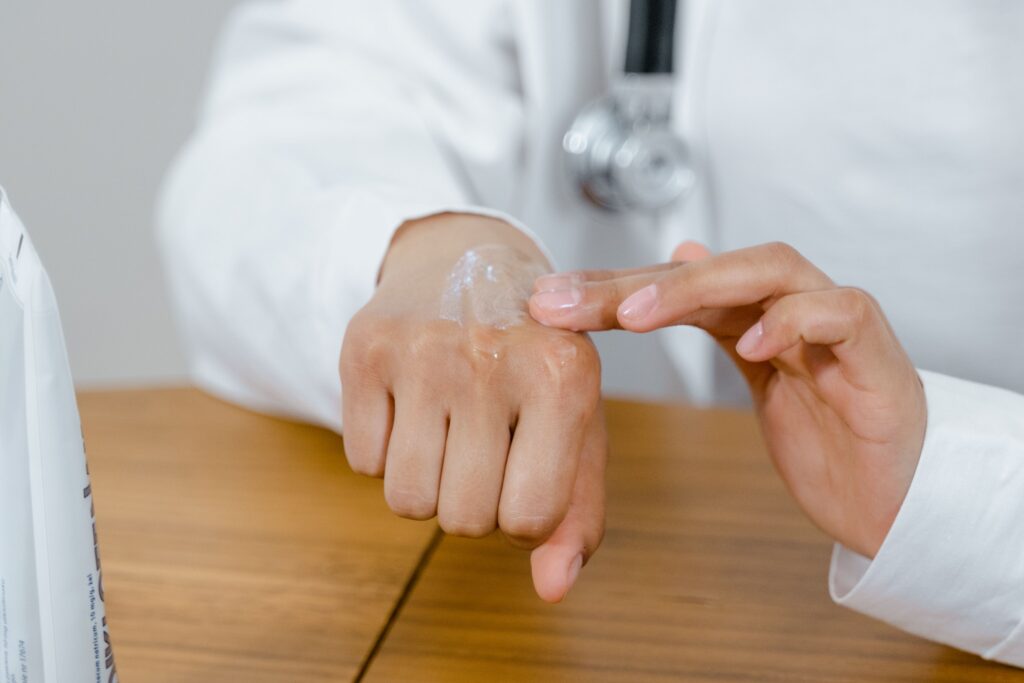
For moderate to severe psoriasis that does not respond to topical treatments, phototherapy is an option worth discussing with your dermatologist. Phototherapy uses controlled narrowband UVB light administered in a clinical setting to slow skin cell overproduction and reduce inflammation. Sessions are brief, and patients visit two to three times per week for a course of treatment. Our Chattanooga and Cleveland locations offer phototherapy for patients who qualify, and your Kimball dermatologist can coordinate a referral if this treatment is right for you.
Biologic medications have changed the treatment picture for moderate to severe psoriasis and certain types of eczema. These prescription drugs target specific parts of the immune response driving the condition. They are not right for everyone, and they require monitoring, but for patients who have cycled through other treatments without lasting results, biologics can make a significant difference. According to the National Psoriasis Foundation, biologics can achieve 75 to 90 percent clearance in many patients.
Frequently Asked Questions About Psoriasis and Eczema Summer Flares
Can Sun Exposure Help or Hurt Psoriasis?
Moderate, controlled sun exposure can improve psoriasis by slowing skin cell production. But sunburn triggers the opposite response, causing new flares and worsening existing patches. Short, consistent periods of sun exposure with proper protection on unaffected skin are the safest approach.
Is It Safe to Swim with Eczema?
Swimming is fine for most eczema patients as long as you take precautions. Rinse off immediately afterward, apply moisturizer within minutes, and consider a barrier cream before entering the water. If chlorine consistently causes flares, talk to your dermatologist about adjusting your management plan.
Should You Change Your Skin Care Routine in the Summer?
Yes. Lighter moisturizers, fragrance-free sunscreens, and more frequent reapplication of barrier products help address the specific challenges summer creates. Your prescription treatments may also need adjustment, so check in with your dermatologist when the season changes. A proactive adjustment to your routine is one of the simplest ways to reduce the severity of a psoriasis eczema summer flare.
When Should You See a Dermatologist for a Summer Flare?
If a flare does not improve within two weeks of at-home care, if it spreads to new areas, or if the itching or pain disrupts your sleep or daily routine, schedule an appointment. Infections can develop in broken or scratched skin, and a dermatologist can identify early signs before they become serious.
Can Stress Make Summer Flares Worse?
Yes. Stress is a well-documented trigger for both psoriasis and eczema. Summer schedules, travel, and changes in routine can increase stress levels, which in turn can amplify the inflammatory response. Managing stress through regular exercise, sleep, and mental health support helps your skin along with everything else.
Summer does not have to mean months of discomfort if you have psoriasis or eczema. The right combination of daily skin care, trigger avoidance, and medical treatment keeps most flares manageable. If a psoriasis eczema summer flare is disrupting your life, Chattanooga Skin and Cancer Clinic’s Kimball office is here to help. We have been treating patients across Southeast Tennessee since 1973, and our dermatologists work with you to build a plan that fits your condition and your life. Visit us at 400 Dixie Lee Center Road in Kimball, Monday through Thursday, or call 423-815-9975 to schedule an appointment.