
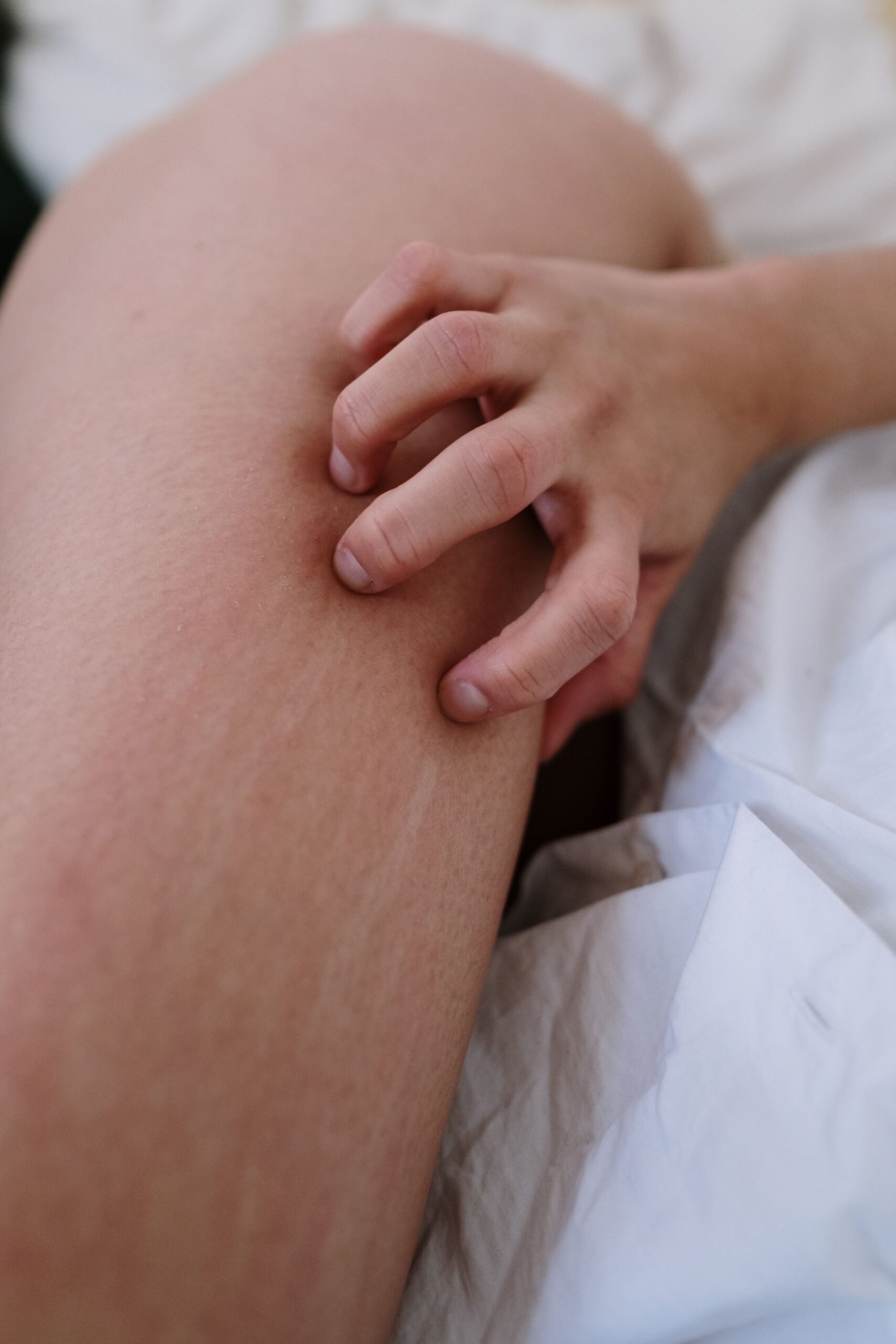
A rash after sun exposure is more common than most people expect, and it points to something different from a standard sunburn. You spent an afternoon outdoors, and now your skin is covered in itchy, bumpy patches. It does not look like a burn. It does not feel like one either. The redness showed up in clusters, and the small raised bumps or blisters appeared on areas that were exposed to direct sunlight. Your skin may be reacting to the light itself.
Sun allergies, known medically as photodermatoses, are a group of conditions where the immune system responds to ultraviolet light as though it were a threat. The most common form is polymorphic light eruption, or PLE, and it affects an estimated 10 to 20 percent of the population in varying degrees. If you have noticed a recurring rash after sun exposure, particularly in early summer when your skin has not yet adapted to stronger UV levels, you are likely dealing with this kind of reaction. At Chattanooga Skin and Cancer Clinic’s Chattanooga office, our board-certified dermatologists evaluate and treat these conditions regularly during the summer months.
What Causes a Rash After Sun Exposure?
Polymorphic light eruption is the most frequently diagnosed sun allergy. It shows up as clusters of small, itchy bumps, raised patches, or occasionally blisters on sun-exposed skin. The rash usually appears within hours of UV exposure and can last several days. It favors areas that have been covered during colder months and are suddenly exposed, like the chest, arms, and the backs of hands.
Sunburn, by contrast, is direct UV damage to skin cells. It causes uniform redness across the exposed area, feels warm or hot to the touch, and peels as it heals. PLE produces a patchy, bumpy texture rather than even redness, and the discomfort is driven by itching rather than the raw, tender sensation of a burn. The two can occur at the same time, which adds confusion, but the treatments differ.
PLE is not a one-time event. It tends to recur each spring or early summer when the skin encounters stronger UV levels after months of minimal exposure. Interestingly, many people with PLE experience a “hardening” effect as summer progresses, meaning repeated moderate sun exposure can gradually reduce the reaction. But that adaptation does not mean the condition has resolved. It returns when the cycle starts again the following year, and with it comes the same rash after sun exposure that appeared the previous season.
What Other Types of Sun-Related Rashes Exist?
PLE is the most common sun allergy, but it is not the only one. Solar urticaria produces hives, welts that appear within minutes of sun exposure and fade once you move into shade. It is less common but can be severe, sometimes causing dizziness or difficulty breathing in extreme cases. If you experience these symptoms, seek medical attention promptly.
Photoallergic reactions occur when a substance on the skin, such as a chemical in sunscreen, fragrance, or medication, interacts with UV light to produce a rash. The rash shows up in areas where the product was applied and exposed to sunlight. Common culprits include certain antibiotics, nonsteroidal anti-inflammatory drugs, and some fragranced lotions. This type of rash after sun exposure is different from PLE because removing the triggering substance prevents the reaction from recurring.
Phototoxic reactions look more like an exaggerated sunburn. Certain oral medications, including some blood pressure drugs and tetracycline antibiotics, make the skin abnormally sensitive to UV light. The result is a burn that appears faster and more intensely than normal. If you have started a new medication and notice your skin burning more easily, contact your prescribing physician or dermatologist.
How Do Dermatologists Diagnose a Sun Allergy?
Diagnosis starts with a detailed history. Your dermatologist will ask when the rash appears, how long it lasts, where on the body it shows up, and what products or medications you are using. The timing and distribution pattern often point to the specific type of photosensitivity. Describing your rash after sun exposure in detail, including how quickly it developed and how long it lasted, helps your dermatologist narrow the diagnosis faster.
In some cases, phototesting is used. This involves exposing a small area of skin to controlled doses of UVA and UVB light to see how the skin reacts. Photopatch testing goes a step further by applying suspected allergens to the skin under UV exposure to identify photoallergic triggers. These tests are not needed for every patient, but they help when the cause of the reaction is unclear.
A skin biopsy is occasionally performed when the rash does not fit a clear pattern or when other conditions like lupus need to be ruled out. Cutaneous lupus can produce sun-sensitive rashes that overlap in appearance with PLE, so distinguishing between them is clinically important.
What Treatments Work for Sun-Related Rashes?
For mild PLE, the first step is getting out of the sun and allowing the rash to resolve on its own, which it usually does within a week. Over-the-counter hydrocortisone cream can reduce itching and inflammation during that window. Cool compresses and fragrance-free moisturizers help with comfort.
For more persistent or severe cases, a dermatologist may prescribe a stronger topical corticosteroid or an oral antihistamine. Patients with frequent or debilitating flares sometimes benefit from a course of controlled phototherapy before summer begins. This involves gradual, supervised UV exposure in a clinical setting that desensitizes the skin and reduces the intensity of the rash after sun exposure once the season picks up. Our Cleveland and Chattanooga offices offer this treatment for patients who qualify.
If a medication is the cause of your photosensitivity, your doctor may adjust the prescription or recommend strict sun avoidance strategies while you are taking it. For photoallergic reactions, identifying and removing the triggering product resolves the problem.
How Can You Prevent Sun-Related Rashes Before They Start?
Gradual sun exposure in the early weeks of summer helps condition the skin if you are prone to PLE. Start with short periods of sun and increase slowly over days and weeks. This mimics the hardening effect that reduces flare intensity as the season progresses.

Broad-spectrum sunscreen is non-negotiable. Choose a product rated SPF 30 or higher with strong UVA protection, since UVA is the primary wavelength responsible for PLE in many patients. Apply generously and reapply every two hours. For people with known sun allergies, sun-protective clothing with a UPF rating offers reliable coverage without depending on reapplication.
Be cautious with new skin care products during peak sun season. Introduce one product at a time and test it on a small area before applying it broadly. Read medication labels and pharmacy handouts for photosensitivity warnings, and ask your pharmacist if you are unsure. Many cases of rash after sun exposure trace back to a new product or prescription that nobody flagged as a potential trigger.
Plan outdoor activities for early morning or late afternoon when UV intensity drops. Shade, hats, and long sleeves may not feel glamorous in July, but they are the most effective physical barriers against UV-triggered reactions.
Frequently Asked Questions About Rashes After Sun Exposure
Can Children Develop Sun Allergies?
Yes. PLE and other photodermatoses can appear in children, sometimes as early as their first significant sun exposure of the season. If your child develops an unexplained rash after being outdoors, a pediatric dermatology evaluation can identify the cause and establish a prevention plan.
Are Sun Allergies Hereditary?
There is a genetic component. Research published in the British Journal of Dermatology found that people with a family history of PLE are more likely to develop it themselves. If sun rashes run in your family, take preventive steps from the start of summer.
Can a Sun Allergy Develop Later in Life?
Yes. While PLE often first appears in young adulthood, it can develop at any age. New medications, hormonal changes, and changes in immune function can all trigger a first episode. A rash after sun exposure that you have never experienced before still warrants a dermatology visit, since identifying the cause early prevents repeated flares.
Is a Sun Allergy the Same as Being Sensitive to Sunlight?
Not exactly. Photosensitivity is a broader term that includes drug-induced reactions and conditions like lupus, while sun allergies specifically refer to immune-mediated responses to UV light like PLE and solar urticaria. Your dermatologist can determine which category your reaction falls into.
Should You Avoid the Sun Completely if You Have a Sun Allergy?
Complete avoidance is rarely necessary or practical. With the right precautions, including sunscreen, protective clothing, and gradual exposure, most people with sun allergies can enjoy outdoor activities. The goal is management, not isolation.
A rash after sun exposure deserves more than a guess. If you are dealing with recurring reactions or a rash that does not behave like a normal sunburn, a board-certified dermatologist can provide a clear diagnosis and a targeted plan. Chattanooga Skin and Cancer Clinic’s location in Chattanooga is ready to help. Call (423) 899-2700 or visit us at 6061 Shallowford Rd, Chattanooga, Tennessee.