
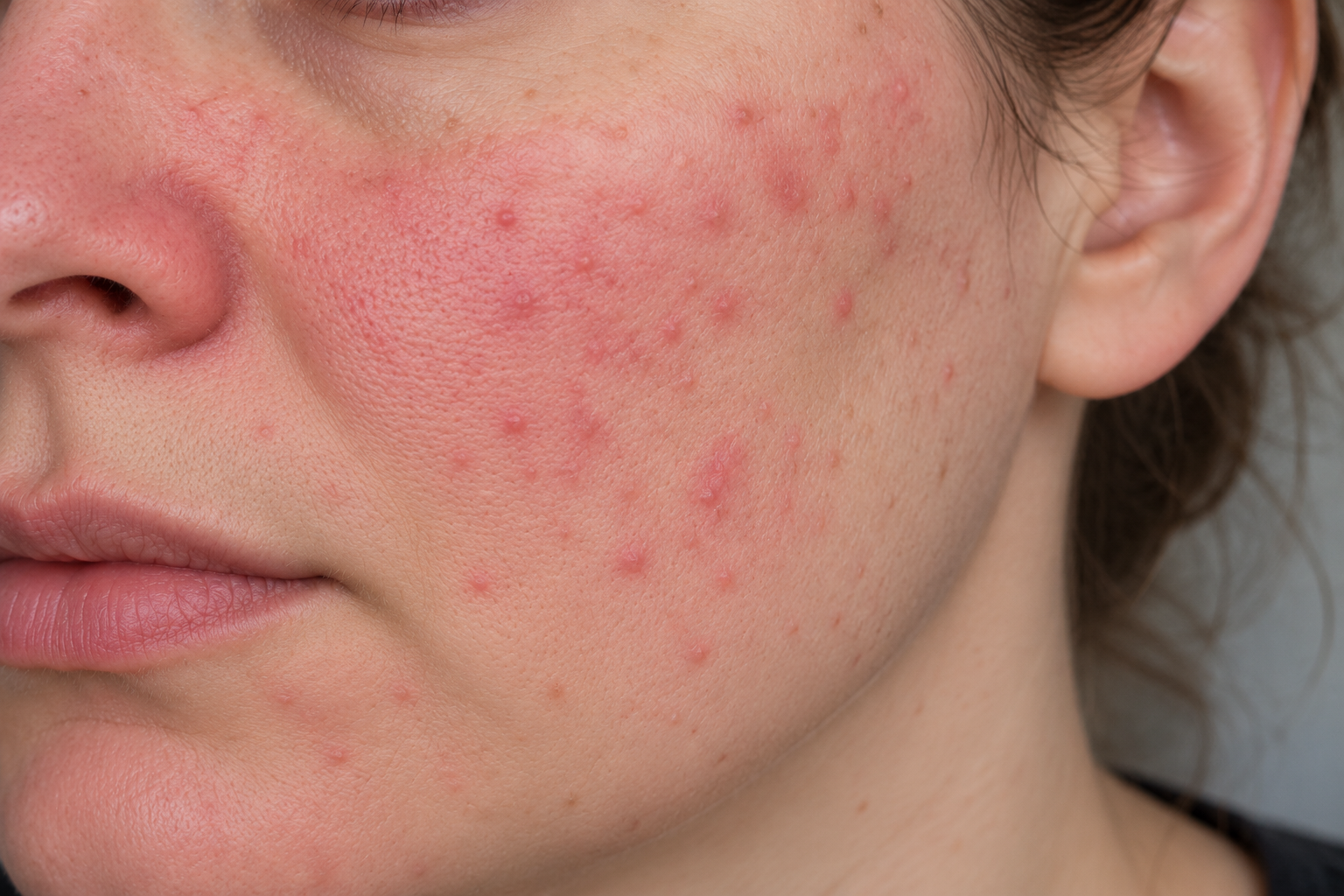
If you have rosacea, you already know that certain things make it worse. Spicy food, a glass of red wine, a stressful day. You have probably learned to anticipate some of those triggers and adjust accordingly. But fall and winter bring a set of triggers that are harder to avoid because they are built into the season itself: cold air, wind, low humidity, and the constant back-and-forth between frigid outdoor temperatures and heated indoor spaces.
For many rosacea patients, the transition from summer to fall marks the beginning of the most challenging stretch of the year. The flushing episodes become more frequent. The background redness deepens. Stinging and burning sensations that were manageable in warmer months become harder to ignore. Understanding why cold weather affects rosacea and what you can do to minimize its impact can make a meaningful difference in how your skin handles the season.
Why Cold Weather Triggers Rosacea
Rosacea is a chronic inflammatory condition that primarily affects the face. It involves abnormal blood vessel activity and an overactive immune response in the skin, which is why the hallmark symptoms are redness, flushing, visible blood vessels, and, in some types, bumps and pustules that resemble acne. The condition is driven by a combination of genetic predisposition, immune dysfunction, and environmental triggers, and cold weather ranks among the most potent environmental triggers reported by patients.
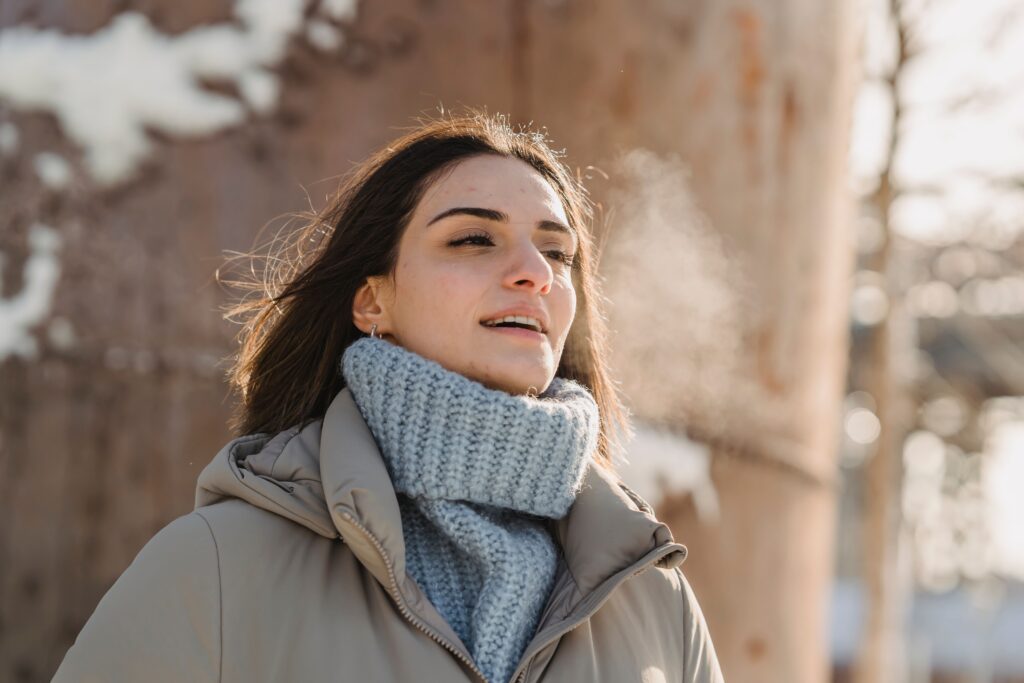
Cold air causes blood vessels near the surface of the skin to constrict. When you come back inside to a warm environment, those same blood vessels rapidly dilate. That cycle of constriction and dilation is a direct trigger for flushing, and repeated cycles can worsen the chronic redness that develops over time. Wind compounds the problem by physically irritating the skin and stripping away the thin layer of moisture and natural oils that protect the skin barrier.
Low humidity, both outdoors and in heated indoor environments, dehydrates the skin and weakens the barrier function. A compromised skin barrier is more reactive, more sensitive to irritants, and less capable of calming the inflammatory processes that drive rosacea. The drier the air, the more vulnerable the skin becomes.
Common Fall and Winter Rosacea Triggers
Beyond the general cold and dryness, several specific fall and winter habits and exposures tend to trigger rosacea flares. Hot beverages are one of the most overlooked. It is not the caffeine or the ingredients in your coffee or tea that cause the problem. It is the steam rising from the cup and the heat hitting your face. Letting hot drinks cool slightly before sipping and holding the cup lower can reduce this trigger.
Hot showers and baths are another common culprit. After spending time in the cold, a hot shower feels like the obvious reward, but the heat causes widespread vasodilation that can leave your face flushed and stinging for hours afterward. Lukewarm water is a better choice, and keeping the bathroom door cracked to let steam escape can help as well.

Heavy skincare products that feel appropriate for dry winter skin can backfire for rosacea patients. Thick creams, products containing alcohol or fragrance, and exfoliating acids that are marketed as winter skin treatments can all irritate rosacea-prone skin. Choosing gentle, fragrance-free formulations specifically designed for sensitive skin is important during this time of year.
The transition between indoor and outdoor temperatures is a trigger on its own. Walking from a heated building into cold air, or coming inside from the cold to a warm room, forces blood vessels to adjust rapidly. Wearing a soft scarf over the lower half of your face when heading outdoors provides a buffer that slows the temperature transition and reduces the shock to the skin.
How to Protect Your Skin Through the Cold Months
A consistent, gentle skincare routine is the foundation of cold-weather rosacea management. Cleansing with a mild, non-foaming cleanser and following immediately with a fragrance-free moisturizer helps maintain the skin barrier. Look for moisturizers that contain ceramides, niacinamide, or hyaluronic acid, as these ingredients support barrier repair without triggering sensitivity.
Sunscreen remains essential even in fall and winter. UV exposure is a rosacea trigger year-round, and the sun sits at a lower angle during fall and winter, which means UV rays can hit the face more directly during outdoor activities. A mineral sunscreen containing zinc oxide or titanium dioxide with an SPF of 30 or higher is generally the best tolerated option for rosacea patients. Chemical sunscreens can cause stinging and irritation in sensitive skin.
Using a humidifier indoors helps counteract the drying effects of heating systems. Keeping indoor humidity between 40 and 60 percent supports the skin barrier and can reduce the frequency of flares triggered by dry air.
Keeping a trigger diary is one of the most useful things you can do. Tracking daily weather conditions, what you ate and drank, your stress level, and your skin’s response helps identify patterns that are specific to you. Not every rosacea patient reacts to the same triggers, and understanding your personal pattern gives you more control.
When to See a Dermatologist About Rosacea
If your rosacea is getting worse with the season change, if over-the-counter products are not calming the redness and irritation, or if you are developing new symptoms like bumps, pustules, or visible blood vessels that were not there before, it is time to see a dermatologist. Rosacea is a progressive condition, which means that without treatment it tends to worsen over time. Early and consistent management can slow that progression and keep symptoms under control.
A board-certified dermatologist can prescribe topical and oral medications that target the specific type of rosacea you have. If you are not sure which type of rosacea you have, a dermatologist can help you figure that out as part of building your treatment plan.
Schedule an Appointment in Kimball
Chattanooga Skin and Cancer Clinic has been providing expert medical dermatology care across the Tennessee Valley since 1973. If rosacea is making this season difficult for your skin, our team at the Kimball office can help you build a management plan that works.
Kimball Office
400 Dixie Lee Center Rd, Suite C, Kimball, TN 37347
Phone: 423-815-9975
Hours: Monday through Thursday, 8:00 AM to 4:00 PM (CST)
Follow us! @chattskinandcancer