
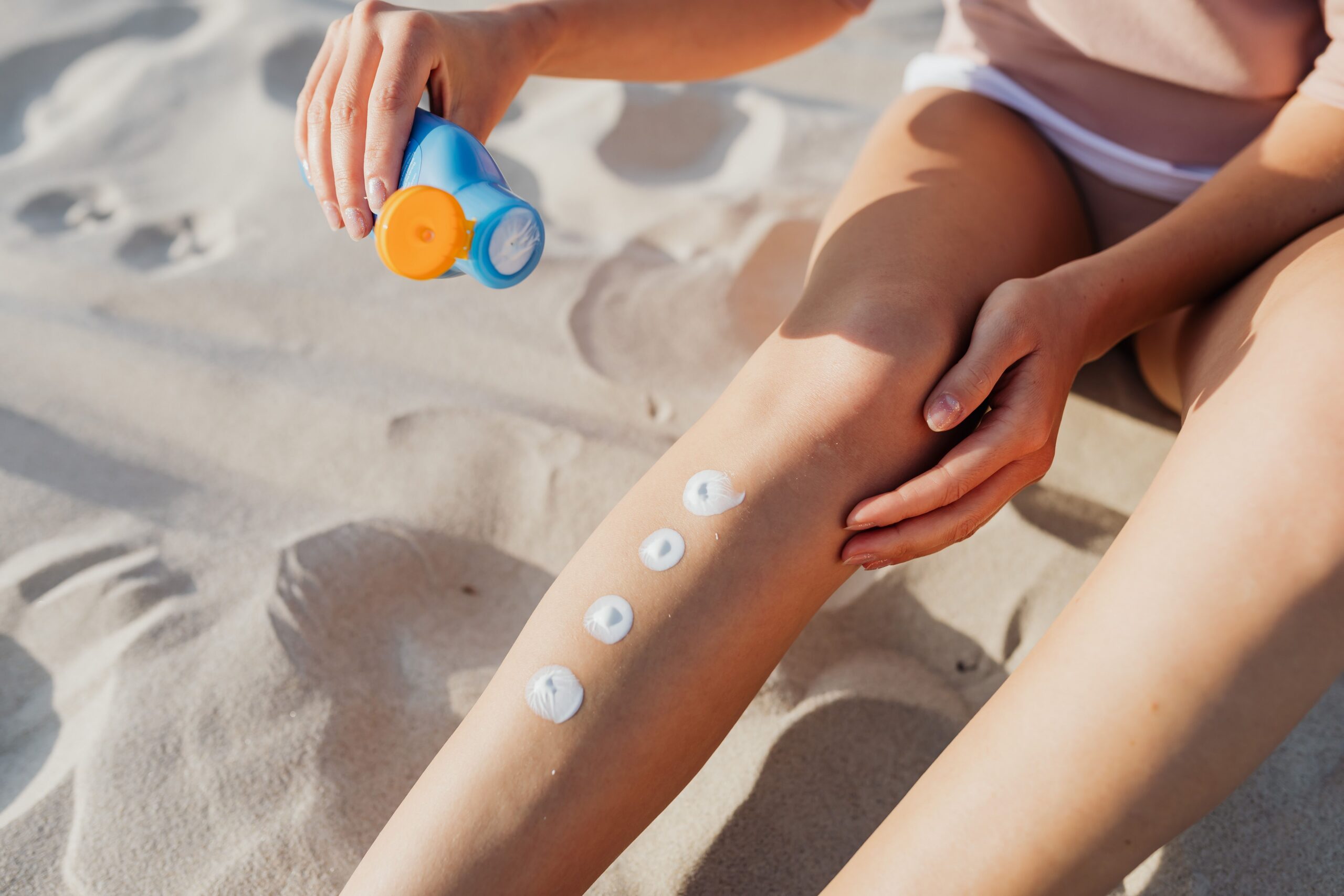
Finding the best sunscreen for rosacea acne-prone skin can feel like solving a puzzle where every answer creates a new problem. You need UV protection, but the wrong formula breaks you out. You pick one labeled “sensitive skin,” and it turns your cheeks red within minutes. Sunscreen is non-negotiable for both rosacea and acne management, since UV exposure worsens both conditions. But the product you choose matters as much as wearing it in the first place.
The good news is that once you understand which ingredients to seek out and which to avoid, the selection process becomes straightforward. You do not need to memorize brand names or follow influencer recommendations. You need to read labels with a clear sense of what your skin tolerates. At Chattanooga Skin and Cancer Clinic’s location in Chattanooga, our board-certified dermatologists help patients with rosacea and acne build skin care routines that protect without provoking flares, and sunscreen selection is one of the most frequent conversations we have.
Why Does Sunscreen Cause Breakouts and Redness in Some People?
Sunscreens are formulated with a mix of active UV filters, emollients, preservatives, and fragrances. Each of these components has the potential to clog pores or irritate reactive skin. For acne-prone individuals, heavy emollients and occlusive bases are the primary culprits. They create a film over the skin that traps oil and dead cells inside the pore, creating the perfect setup for a breakout.
For rosacea patients, the triggers are different. Fragrances, chemical UV filters, and alcohol-based formulations cause vasodilation, the widening of blood vessels near the skin’s surface, which produces flushing, stinging, and that familiar burning sensation. Rosacea skin has a compromised barrier and heightened nerve sensitivity, so ingredients that feel fine on unaffected skin can cause an immediate reaction. This is why choosing the best sunscreen for rosacea acne-prone skin requires a different approach than grabbing whatever is on sale.
The challenge is compounded by the fact that most mass-market sunscreens are designed for the general population and contain ingredients that create problems for both groups. Finding a product that works requires knowing what to look for on the back of the bottle, not the front.
What Ingredients Make the Best Sunscreen for Rosacea Acne-Prone Skin?
Mineral UV filters, specifically zinc oxide and titanium dioxide, are the safest starting point for both rosacea and acne-prone skin. These ingredients sit on top of the skin and deflect UV rays rather than absorbing them. Because they do not penetrate the skin, they are less likely to cause irritation, stinging, or allergic reactions. Zinc oxide has the added benefit of being mildly anti-inflammatory, which makes it particularly well-suited for rosacea patients.
Look for the term “non-comedogenic” on the label. This indicates the product has been formulated to avoid clogging pores. It is not a regulated term with a strict definition, so it is not a guarantee, but products carrying this label tend to use lighter bases and fewer pore-blocking ingredients.
Niacinamide is a beneficial addition to look for in sunscreen formulas. This form of vitamin B3 helps regulate oil production, reduces redness, and supports the skin barrier. It pairs well with mineral filters and adds a layer of skin-calming benefit on top of UV protection.
Hyaluronic acid and glycerin in the formula signal a hydrating base that does not rely on heavy oils. Acne-prone skin still needs hydration, and these lightweight humectants provide it without contributing to congestion.
What Ingredients Should You Avoid?
Chemical UV filters like oxybenzone, avobenzone, octinoxate, and homosalate are absorbed into the skin to neutralize UV rays. For rosacea patients, these ingredients frequently cause stinging, burning, and flushing. Oxybenzone in particular is one of the most common contact allergens found in sunscreens, according to data from the American Contact Dermatitis Society. Any product containing these filters is unlikely to be the best sunscreen for rosacea acne-prone skin.
Fragrance, whether listed as “fragrance,” “parfum,” or buried in a long ingredient list, is a consistent irritant for reactive skin. It serves no protective function and only adds risk. Products labeled “fragrance-free” are safer choices than those labeled “unscented,” because unscented products may still contain masking fragrances.
Alcohol in forms like denatured alcohol or SD alcohol creates a quick-drying finish that many people like, but it strips the skin’s lipid barrier and can trigger burning in rosacea patients. It also dries out oily skin in a way that paradoxically increases oil production, which contributes to breakouts. Fatty alcohols like cetyl alcohol and cetearyl alcohol are different. They are emollients, not solvents, and are generally well-tolerated.
Coconut oil derivatives and isopropyl myristate are highly comedogenic and appear in many sunscreen formulations as emollients. If you see these ingredients near the top of the list, the product is likely too heavy for acne-prone skin.
What Texture and Format Work Best for Reactive Skin?
Gel-based and fluid sunscreens tend to perform better for acne-prone skin than thick creams. They absorb quickly, leave a lighter finish, and are less likely to clog pores. Many mineral sunscreens now come in tinted fluid formulas that blend easily without leaving a white cast, which was a common complaint about earlier mineral products. When searching for the best sunscreen for rosacea acne-prone skin, lightweight fluids and gels are your strongest starting point.
For rosacea, tinted mineral sunscreens offer a dual benefit. The iron oxides in tinted formulas provide protection against visible light, which research from the Journal of the American Academy of Dermatology has shown can trigger rosacea flares independently of UV exposure. A tinted mineral sunscreen protects against a broader range of light-induced reactions than an untinted one.
Avoid aerosol sprays if you have rosacea. The propellants and alcohol used in spray formulations are common irritants, and the delivery method makes it difficult to apply an even, adequate layer. Stick formats can work for targeted areas like around the eyes, but check the ingredient list carefully because many stick sunscreens contain waxes that can clog pores.

What Questions Should You Bring to Your Dermatologist?
Your dermatologist can narrow your search for the best sunscreen for rosacea acne-prone skin based on your specific skin type, condition severity, and other products in your routine. Before your appointment, consider these questions. What type of rosacea do you have, since different subtypes react to different triggers? Are any of your current medications increasing your sun sensitivity? Is your current moisturizer compatible with the sunscreens you are considering? Would a prescription-grade product work better than an over-the-counter one?
If you have both acne and rosacea, which can coexist and overlap in presentation, product selection becomes even more specific. A dermatologist can help you avoid the trial-and-error cycle that wastes money and aggravates your skin. At our Cleveland location, we work with patients to build regimens that account for multiple conditions at once.
How Should You Test a New Sunscreen Before Committing?
Patch testing at home is a simple habit that prevents bad reactions. Apply a small amount of the new product to the inside of your wrist or behind your ear. Wait 24 to 48 hours. If no redness, itching, or bumps develop, apply it to a small area of your face. Wait another day. If your skin stays calm, you can move to full application.
Introduce only one new product at a time. If you change your sunscreen and your cleanser in the same week and develop a reaction, you will not know which product caused it. Patience with the testing process saves you from larger problems and gets you closer to finding the best sunscreen for rosacea acne-prone skin without wasting money on products that sit unused in your cabinet.
Frequently Asked Questions About Sunscreen for Rosacea and Acne-Prone Skin
Can Sunscreen Help Rosacea, or Does It Only Prevent Worsening?
Sunscreen actively helps manage rosacea by reducing UV-triggered flares and preventing the cumulative vascular damage that makes the condition worse over time. UV exposure is one of the top-reported rosacea triggers according to the National Rosacea Society, so daily sunscreen use is a treatment strategy, not just prevention.
What SPF Level Is Best for Sensitive Skin?
SPF 30 is the standard recommendation. It blocks about 97 percent of UVB rays when applied correctly. Higher SPFs offer minimal additional protection and often include more chemical filters that increase irritation risk. For reactive skin, SPF 30 in a well-formulated mineral product outperforms SPF 50 in a formula full of irritants. The best sunscreen for rosacea acne-prone skin is one you will wear consistently, and SPF 30 in a tolerable formula beats SPF 50 that stings on application.
Should You Wear Sunscreen Indoors if You Have Rosacea?
If you sit near windows or spend time in front of screens for extended periods, wearing sunscreen indoors can be beneficial. UVA rays penetrate glass, and blue light from screens, while less studied, shows emerging evidence of contributing to skin changes in sensitive individuals. A tinted mineral sunscreen addresses both.
How Do You Remove Mineral Sunscreen Without Irritating Your Skin?
Mineral sunscreens can be stubborn to remove, and scrubbing causes irritation. A gentle, fragrance-free micellar water or a mild oil-based cleanser breaks down the mineral film without aggressive rubbing. Follow with a low-pH, non-foaming cleanser if needed. Avoid harsh exfoliants or scrubs on days you are wearing heavy sunscreen.
Is It Okay to Use Sunscreen with Active Acne?
Yes, and it is necessary. Many acne treatments, including retinoids, benzoyl peroxide, and certain antibiotics, increase sun sensitivity. Skipping sunscreen while using these products raises your risk of burns and post-inflammatory hyperpigmentation, the dark spots that linger after breakouts heal. A lightweight, non-comedogenic mineral sunscreen protects your skin without interfering with your acne treatment.
Choosing the right sunscreen should not require a chemistry degree, but it does take some label literacy. Your dermatologist can cut through the confusion and point you toward the best sunscreen for rosacea acne-prone skin based on your specific needs. Chattanooga Skin and Cancer Clinic’s Chattanooga office specializes in treating both rosacea and acne, and our team is ready to help you find a sun protection routine that works with your skin, not against it. Call (423) 899-2700 or visit us at 6061 Shallowford Rd, Chattanooga, Tennessee.