
What Does a Dermatologist Really Treat? 10 Conditions Most People Don’t Know About
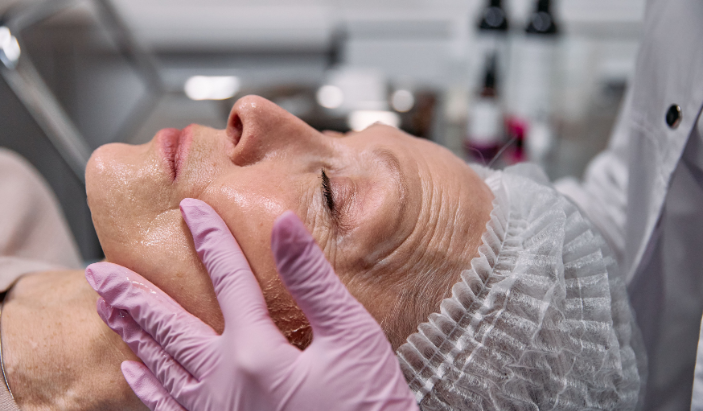
Most people make their first dermatology appointment for one of two reasons: a suspicious spot they have been watching, or acne that will not clear up no matter what they try. Both are completely valid reasons to come in. The part that surprises most new patients is what they learn once they are there.
Dermatology covers a wide range of conditions affecting the skin, hair, and nails. Skin cancer screenings and acne treatment are part of it, but so are chronic inflammatory conditions, hair loss, nail disorders, rashes that have defied every over-the-counter remedy, and conditions that started in childhood and followed a person into adulthood. Dermatologists are medical specialists with years of training specifically in skin health, which means the scope of what they diagnose and treat is considerably broader than most patients expect.
At Chattanooga Skin and Cancer Clinic, patients have been coming in since 1973 for exactly that reason. Some know what they need. Others arrive with a condition their primary care doctor referred them for, or a symptom they have been trying to manage on their own. This post walks through what dermatologists treat, why some conditions belong in a specialist’s office rather than a general practitioner’s, and what patients in the Chattanooga area can expect when they come in.
What Is a Dermatologist and How Is Their Training Different?
A dermatologist is a physician who completed medical school, then spent three or more additional years in a dermatology residency focused entirely on skin, hair, and nail conditions. That residency includes surgical training, dermatopathology, and exposure to thousands of conditions ranging from common to rare. Board certification follows a rigorous examination process.
This level of specialization matters because the skin is the body’s largest organ, and its conditions are numerous. More than 3,000 distinct skin conditions exist, according to the American Academy of Dermatology. A primary care physician can identify and treat many of the most common ones, but conditions that are chronic, resistant to standard treatment, or require a visual and clinical expertise built through years of practice are best managed by a specialist.
All providers at Chattanooga Skin and Cancer Clinic are board-certified, and the practice has been operating in Southeast Tennessee for over 50 years. That depth of experience shapes how providers approach everything from a first-time skin check to a complex surgical case.
Does a Dermatologist Only Treat Skin Cancer?
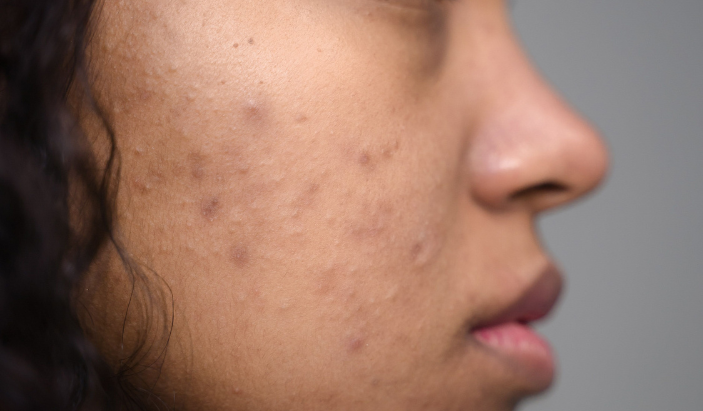
Skin cancer is one of the most important things a dermatologist diagnoses and treats, but it is far from the only one. The misconception that dermatology is primarily about cancer screenings keeps a lot of people from seeking care for conditions that are making their daily lives harder.
Skin cancer detection and treatment, including Mohs micrographic surgery for basal cell and squamous cell carcinomas, is a core part of what the team at Chattanooga Skin and Cancer Clinic does. Mohs surgery is available at the Chattanooga and Cleveland locations and offers the highest cure rate for eligible skin cancers while preserving as much healthy tissue as possible. Melanoma screening, diagnosis, and treatment are also part of the practice’s focus.
Outside of cancer, dermatologists manage a full range of medical conditions. Chronic inflammatory skin diseases like psoriasis, eczema, and rosacea require ongoing management that goes well past what an over-the-counter cream can provide. Acne, particularly adult acne driven by hormonal shifts, often needs a prescription approach that only a provider can prescribe. Rashes, allergic reactions, infections, warts, cysts, and moles all fall within a dermatologist’s scope of practice. So do hair loss, nail disorders, and conditions in children that can start as early as infancy.
What Chronic Skin Conditions Can a Dermatologist Help Manage?
Chronic conditions are where dermatology makes some of its most meaningful impact. These are conditions that do not go away on their own and that get worse without proper management. Living with one of them long-term without specialist care often means cycles of flare-ups, missed work, disrupted sleep, and real psychological strain.
Is Psoriasis Something a Dermatologist Treats?
Psoriasis is an autoimmune condition that causes the skin to produce cells too rapidly, resulting in thick, scaly plaques that are often red, itchy, and uncomfortable. It shows up most often on the elbows, knees, scalp, and lower back, but it can appear anywhere on the body. Psoriasis is also associated with psoriatic arthritis, which affects joints and requires coordinated care.
Treatment options have advanced considerably in recent years. Biologics and targeted therapies have given patients with moderate to severe psoriasis access to outcomes that were not possible even a decade ago. A dermatologist stays current on those options and can match the right treatment to the patient’s specific disease pattern, severity, and medical history.
Can a Dermatologist Help With Eczema?
Eczema, or atopic dermatitis, is one of the most common skin conditions in the United States, affecting about 31 million Americans according to the National Eczema Association. It causes dry, inflamed, itchy skin that can crack, bleed, and become infected when scratched. In children, it often appears on the face and in the skin creases. Adults tend to see it on the hands, neck, and inside of the elbows.
Managing eczema well requires understanding a patient’s triggers, their skin barrier function, and the appropriate prescription options for their age and severity. The team at Chattanooga Skin and Cancer Clinic sees pediatric patients from infancy through adolescence and adult patients at all three locations. Consistent dermatology care for eczema reduces the frequency and severity of flares in a meaningful way.
What About Rosacea?
Rosacea is a chronic inflammatory condition that causes persistent facial redness, visible blood vessels, and sometimes acne-like bumps. It affects the cheeks, nose, forehead, and chin most often, and it is frequently mistaken for flushing or sensitive skin. Without treatment, rosacea progresses over time.
Common triggers include heat, sun exposure, alcohol, spicy food, and stress. A dermatologist can confirm the diagnosis, identify a patient’s specific subtype, and recommend a combination of topical treatments, oral medications, and trigger management strategies. For patients in Chattanooga and the surrounding area, getting a definitive diagnosis from a board-certified provider is the starting point for effective long-term control.
What Acute Conditions Bring Patients to a Dermatologist?
Not every dermatology visit is about a chronic condition. Plenty of patients come in for something that developed recently and needs a prompt evaluation.
Mole removal and evaluation is one of the most common acute reasons for a dermatology visit. A mole that has changed in size, shape, or color, or one that bleeds or itches without explanation, needs to be looked at by a trained eye. A dermatologist can examine the mole with a dermatoscope, determine whether a biopsy is necessary, and walk the patient through the results.
Warts, cysts, and skin tags are also common reasons patients come in. These are benign growths, but they can be cosmetically bothersome, uncomfortable, or positioned in a way that causes irritation. Treatment options range from freezing to excision depending on the type and location. Rashes, allergic reactions, and skin infections round out the acute side of dermatology practice. Many patients come in after a rash has persisted for weeks without improvement, or after an over-the-counter treatment has made things worse rather than better. A provider can identify the underlying cause and prescribe the right course of action.
Do Dermatologists Treat Children?
Yes, and pediatric dermatology is an area where specialist care makes a significant difference. Children experience many of the same conditions as adults, but the presentation can differ, and treatment protocols are adjusted for age and developmental stage.
Eczema is one of the most common pediatric skin conditions and one of the most underdiagnosed. Infants can develop it within the first few months of life. Warts, molluscum contagiosum, birthmarks, and scalp conditions are also common in children and teenagers. Acne in adolescents is another major area where a dermatologist provides real value, particularly when over-the-counter products have not produced results and the condition is starting to affect a young person’s confidence.
At Chattanooga Skin and Cancer Clinic, pediatric and adolescent patients are seen at the Chattanooga and Cleveland locations. The practice has served families across the region for generations, which means a parent who came in as a teenager may now be bringing their own child in for care.
When Should You See a Dermatologist Instead of Your Primary Care Doctor?
Primary care physicians handle a wide range of skin issues well, and many straightforward cases can be managed at that level. A dermatologist is the right call when a condition is not responding to standard treatment, when it keeps coming back, when a visual evaluation from a trained specialist is needed, or when the patient wants access to the full range of treatment options including prescription biologics, surgical procedures, and advanced diagnostic tools.
Annual full-body skin checks are something dermatologists do that general practitioners rarely perform in the same depth. A 15-minute full-body exam by a board-certified dermatologist covers areas a patient cannot easily see on their own, and it creates a documented baseline that makes future changes easier to identify. For patients over 35, for those with a family history of skin cancer, and for anyone who has spent significant time in the sun over the years, that annual check is worth making part of the regular health routine.
Chattanooga Skin and Cancer Clinic accepts new patients at all three locations, in Chattanooga, Cleveland, and Kimball. No referral is required to schedule an appointment.
Frequently Asked Questions
Do I need a referral to see a dermatologist at Chattanooga Skin and Cancer Clinic? No. Chattanooga Skin and Cancer Clinic accepts new patients directly at all three locations without a referral. Appointments can be scheduled by calling the location nearest to you or visiting chattskinandcancer.com.
What should I bring to my first dermatology appointment? Bring a list of your current medications and any supplements you take. Write down your skin concerns before the appointment, including how long each one has been present and what you have already tried. If you have a spot that comes and goes, take a photo of it when it is active. Coming with clean skin, free of heavy makeup or lotion in the areas you want evaluated, also helps the provider get the clearest view possible.
Can a dermatologist help with hair loss? Yes. Hair loss has many causes, including autoimmune conditions, hormonal changes, nutritional deficiencies, and inflammatory scalp diseases. A dermatologist can evaluate the pattern and characteristics of hair loss, run relevant testing, and recommend treatment options. The scalp is skin, and scalp health is within a dermatologist’s scope of practice.
How often should someone get a full-body skin check? For most adults, once a year is the standard recommendation. Patients with a personal or family history of skin cancer, a large number of moles, or significant past sun exposure may benefit from more frequent monitoring. Your provider at Chattanooga Skin and Cancer Clinic can recommend the right schedule based on your individual history during your first visit.
Does Chattanooga Skin and Cancer Clinic see patients of all ages? Yes. The practice treats patients from infancy through elderly, making it a resource for the entire family. Pediatric and adolescent patients are seen at the Chattanooga and Cleveland locations. The Kimball location serves adult patients and handles medical dermatology conditions.
What is the difference between medical and cosmetic dermatology? Medical dermatology focuses on diagnosing and treating conditions that affect health, including skin cancer, chronic inflammatory diseases, infections, and hair and nail disorders. Cosmetic dermatology focuses on aesthetic procedures like injectables and resurfacing treatments. Chattanooga Skin and Cancer Clinic is a medical dermatology practice. The providers focus on health-based care rather than cosmetic services.