
Mohs micrographic surgery is a precise, layer-by-layer technique for removing skin cancer while preserving as much healthy tissue as possible. It is considered the gold standard treatment for basal cell carcinoma and squamous cell carcinoma, particularly when tumors are located on the face, ears, hands, or other areas where tissue conservation matters. The procedure boasts cure rates up to 99% for primary basal cell carcinomas and up to 97% for primary squamous cell carcinomas, according to the American College of Mohs Surgery. Unlike standard excision, where the surgeon removes the tumor and a wide margin of surrounding skin all at once, Mohs surgery maps and examines each thin layer of tissue in real time. This means the surgeon can confirm that all cancer cells have been removed before closing the wound, reducing the chance of recurrence and minimizing scarring. At Chattanooga Skin and Cancer Clinic, we perform Mohs surgery at our Chattanooga and Cleveland locations, and our board-certified dermatologists have been providing this specialized care to patients across Southeast Tennessee for over 50 years.
How Is Mohs Surgery Different From Standard Skin Cancer Removal?
In a standard excision, the surgeon cuts out the visible tumor along with a buffer zone of healthy-looking skin around it. That tissue is sent to a lab, and results come back days later. If the margins aren’t clear (meaning cancer cells are found at the edges of the removed tissue), you go back for another surgery. It works, but it’s a bit of a guessing game when it comes to how much skin needs to come out.
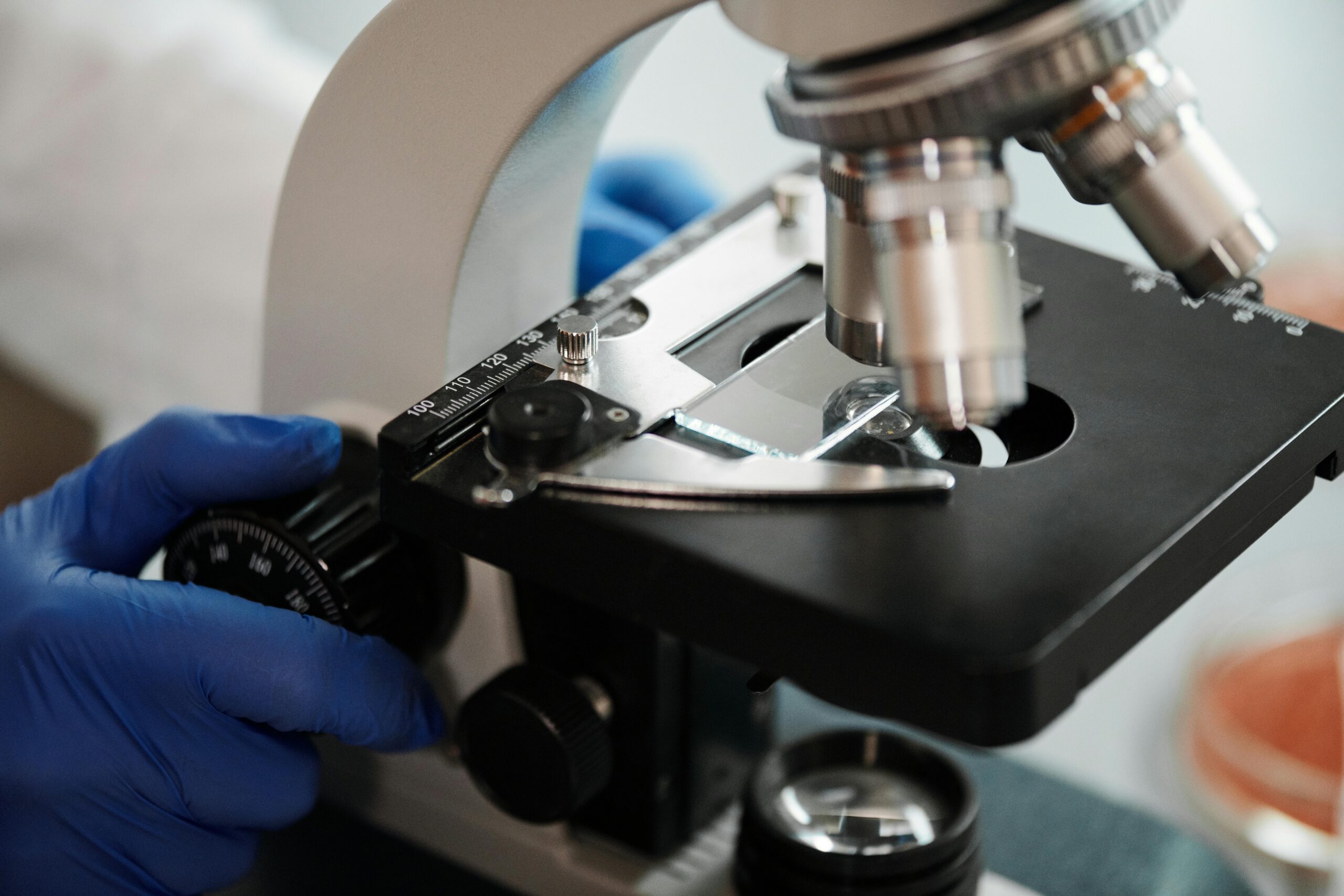
Mohs flips that process. Instead of removing a wide margin and hoping for the best, the Mohs surgeon removes one thin layer at a time. Each layer is immediately processed, mapped, and examined under a microscope right there in the office. If cancer cells are still present at a specific edge, the surgeon knows exactly where to go back and remove more. If the margins are clear, the procedure is done. No second surgery. No waiting days for lab results.
The practical result is twofold: you get the highest possible cure rate, and you lose the least amount of healthy skin. That second part matters a lot when the cancer is on your nose, eyelid, ear, or lip, where every millimeter of tissue affects both function and appearance.
Who Is a Good Candidate for Mohs Surgery?
Mohs surgery is typically recommended when the stakes of incomplete removal are highest. That includes cancers on the face, scalp, neck, hands, feet, and genitals, where preserving tissue is critical for cosmetic and functional reasons. It’s also the preferred approach for large tumors, tumors with poorly defined borders, aggressive subtypes (like morpheaform basal cell carcinoma or poorly differentiated squamous cell carcinoma), and cancers that have come back after previous treatment.
Patients with suppressed immune systems, such as organ transplant recipients, are also strong candidates because their skin cancers tend to be more aggressive and more likely to recur. In these cases, the precision of Mohs surgery provides an extra layer of confidence that the cancer has been fully removed.
For small, well-defined skin cancers on the trunk or extremities, standard excision is often perfectly adequate. Your dermatologist will recommend Mohs when the specific characteristics of your cancer make it the better option.
What Happens During the Mohs Surgery Procedure?
The procedure takes place in the dermatologist’s office, not a hospital operating room. You’ll be awake the entire time under local anesthesia, which means the area around the tumor is numbed but you’re fully conscious. Most patients say the numbing injection is the only uncomfortable part, and it lasts about two seconds.
Once the area is numb, the surgeon removes the first thin layer of tissue and applies a temporary bandage. You’ll wait in a comfortable room while the lab team processes the tissue. This part takes about 30 to 45 minutes per layer. A technician freezes, slices, stains, and mounts the tissue onto slides, and the surgeon examines them under a microscope, checking the entire margin for remaining cancer cells.
If cancer cells are found at a specific edge, the surgeon marks exactly where on the map and removes another targeted layer from only that area. This cycle repeats until the margins are completely clear. Most cases require one to three layers, though complex tumors may need more.
Once all the cancer is confirmed gone, the surgeon discusses wound closure options. Small wounds may heal on their own or with stitches. Larger or more complex wounds may require a skin flap or graft, which the Mohs surgeon can often perform the same day.
How Long Does Mohs Surgery Take?
Plan for most of the day, even though the actual cutting and stitching may total less than an hour. The waiting periods between layers are what stretch the timeline. A straightforward case with one or two layers might wrap up in two to three hours total. A more complex case requiring multiple layers could take four to six hours or longer.
Bring a book, your phone charger, or a friend. You’ll spend more time waiting than you will in the procedure chair. The office will keep you updated on timing, and you’re free to eat, drink, and use your phone between layers.
What Does Recovery Look Like After Mohs Surgery?
Recovery varies depending on the size and location of the wound and how it was closed. Most patients experience mild soreness, swelling, and bruising for the first few days. Over-the-counter pain relievers like acetaminophen are usually enough to manage discomfort. Your surgeon will give you specific wound care instructions, which typically involve keeping the area clean, applying petroleum jelly, and changing the bandage daily.
Stitches are usually removed within one to two weeks. During that time, you’ll want to avoid strenuous exercise, heavy lifting, and anything that increases blood flow to the area (including bending over for extended periods and alcohol consumption in the first 24 to 48 hours). Most people return to desk work the next day, though physically demanding jobs may require a few days off.
Scarring depends on the size of the wound and its location. Because Mohs surgery removes the least amount of tissue necessary, scars tend to be smaller than those from standard excision. Your surgeon may also refer you to a reconstructive specialist if the wound is in a particularly visible area.
What Are the Risks and Side Effects of Mohs Surgery?
Mohs surgery is very safe, but like any surgical procedure, it carries some risks. Bleeding and infection are possible, though uncommon with proper wound care. Nerve damage can occur in rare cases, particularly with tumors near the eyes, nose, or lips, which may cause temporary or (rarely) permanent numbness or muscle weakness in the surrounding area.
Pain during the procedure is minimal because of the local anesthesia. Some patients feel pressure or tugging, but actual pain is unusual. If the numbness starts to wear off between layers, the surgeon can add more anesthetic.
The most common “side effect” is simply the scar itself, and even that is typically smaller and less noticeable than what you’d get from a wider excision.
How Much Does Mohs Surgery Cost, and Does Insurance Cover It?
Mohs surgery is a recognized, FDA-cleared medical procedure, and most insurance plans cover it when it’s medically indicated for skin cancer treatment. Medicare also covers Mohs surgery. Your out-of-pocket cost will depend on your specific plan, deductible, and copay structure.
If cost is a concern, call your insurance provider before the procedure to verify coverage and get an estimate of your responsibility. Our billing team at Chattanooga Skin and Cancer Clinic (423-894-2234) can also help you understand what to expect.
Frequently Asked Questions About Mohs Surgery
Is Mohs surgery painful?
The procedure is performed under local anesthesia, so you should not feel pain during the surgery itself. The numbing injection feels like a brief pinch. Most patients report that the experience is far less uncomfortable than they anticipated.
Can Mohs surgery be used for melanoma?
Mohs surgery is sometimes used for certain types of melanoma, particularly melanoma in situ (the earliest stage) on the face or other sensitive areas. However, it is most commonly associated with basal cell and squamous cell carcinomas. Your dermatologist will recommend the best approach based on the specific type and stage of your cancer.
Where is Mohs surgery available near Chattanooga?
Chattanooga Skin and Cancer Clinic performs Mohs surgery at our Chattanooga office (6061 Shallowford Road, 423-899-2700) and our Cleveland office (3891 Adkisson Drive, 423-479-8648). Mohs is not available at our Kimball location, but we coordinate referrals to Chattanooga or Cleveland for patients who need the procedure.