
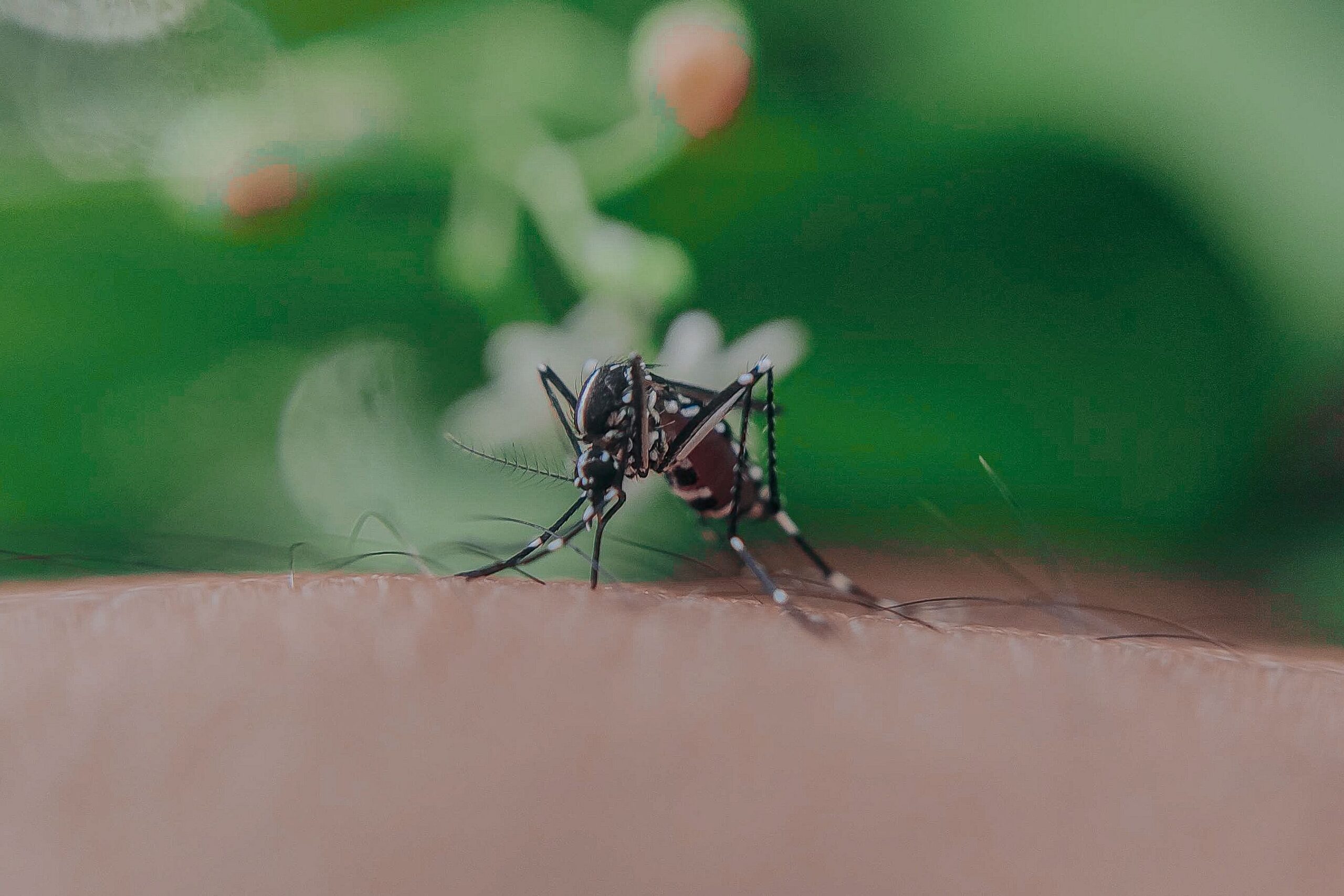
A bug bite skin reaction is one of the most common reasons patients visit a dermatologist during the summer months, and in areas like Marion County and the Sequatchie Valley, the variety of biting and stinging insects makes the problem even more frequent. Most bites cause a small red bump that fades in a day or two. But some reactions swell far beyond the bite itself, blister, spread, or refuse to heal, and that is when a visit to a medical dermatology provider can save you weeks of discomfort or prevent a real complication.
If you spend any time outdoors in Southeast Tennessee between June and September, you have probably dealt with at least one bite that seemed worse than it should be. This article covers the types of bug bite skin reactions our dermatologists treat regularly, how to tell a normal reaction from one that needs medical attention, and what you can do at home versus what requires a clinic visit.
What Causes a Bug Bite Skin Reaction?
When an insect bites or stings, it introduces saliva, venom, or other foreign proteins into your skin. Your immune system responds by releasing histamine and other chemicals to the area, and that response is what creates the itch, redness, and swelling you feel afterward. In most cases, this is a localized reaction that resolves on its own.
A bug bite skin reaction becomes a concern when the immune response goes beyond what is typical. Some people develop large local reactions where swelling extends several inches from the bite. Others experience delayed reactions that do not appear until 24 to 48 hours later, making it harder to connect the symptoms to an insect encounter. Children and people with sensitive skin or existing conditions like eczema tend to react more strongly, and repeated exposure to certain insects can actually make reactions worse over time rather than building tolerance. Patients already managing summer flares of psoriasis or eczema may find that insect bites compound their symptoms and make an already difficult season harder to manage.
Common Insect Bites in the Kimball and Sequatchie Valley Area
The insects you encounter in Southeast Tennessee depend on where you spend your time. Patients who visit our Kimball office frequently report reactions from mosquitoes, fire ants, chiggers, ticks, wasps, and spiders. Each of these produces a distinct type of bug bite skin reaction, and knowing the difference can help you decide how to respond.
Mosquito bites are the most familiar. They usually produce a raised, itchy welt that resolves within a few days. However, some patients, particularly young children, develop a condition called skeeter syndrome where a single mosquito bite causes dramatic swelling, warmth, and even low-grade fever. Fire ant stings are common for anyone walking barefoot in grass or working in yards. The initial sting burns, and within hours, a characteristic white-topped pustule forms. Chigger bites tend to cluster around waistbands, sock lines, and skin folds, creating intensely itchy red bumps that can persist for one to two weeks.
Spider bites are less common than most people assume, but brown recluse spiders are present in this part of Tennessee and can cause a bite that develops into a necrotic ulcer if not treated properly. Tick bites deserve attention not just for the bite itself but for the potential to transmit illnesses like Rocky Mountain spotted fever, which is endemic to the region.
When a Bug Bite Skin Reaction Needs a Dermatologist
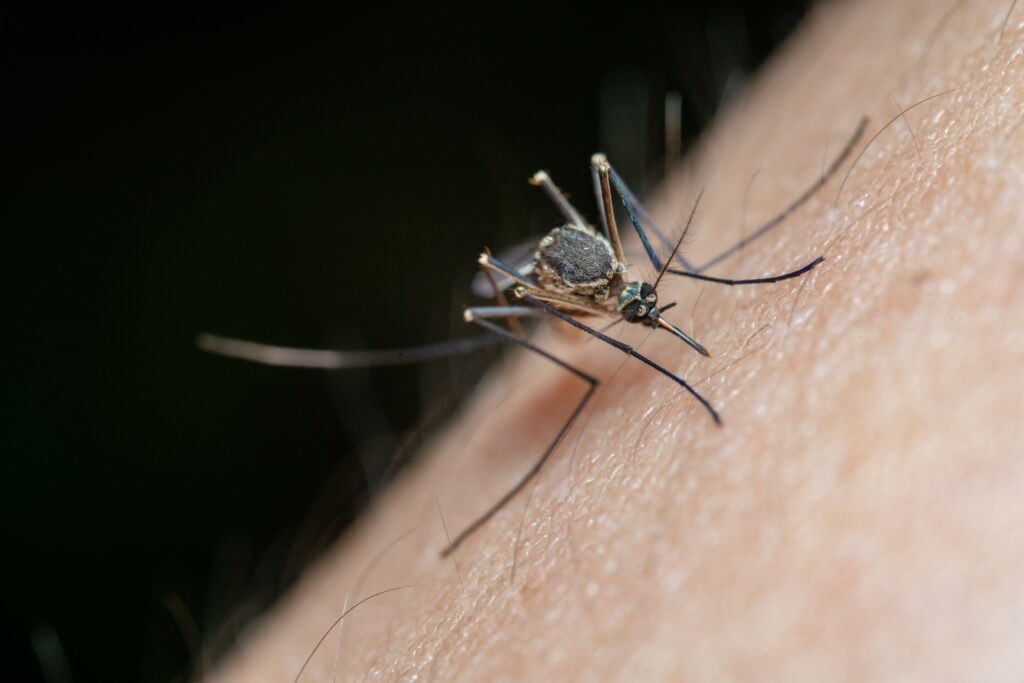
Most insect bites can be managed at home with cool compresses, over-the-counter antihistamines, and hydrocortisone cream. The situations where you should see a dermatologist include reactions that do not improve after five to seven days, bites that develop increasing redness or red streaking that moves away from the site, bites that produce significant blistering or open sores, any bite with signs of infection such as pus, increasing warmth, or worsening pain, and reactions that recur in the same pattern each summer.
A board-certified dermatologist can determine whether your bug bite skin reaction is a straightforward allergic response or something that requires prescription treatment. For infected bites, we may prescribe topical or oral antibiotics. For severe allergic reactions that keep happening, we can develop a management plan that includes stronger antihistamines or topical steroids to keep on hand during peak insect season. In cases where a spider bite has caused tissue damage, early intervention with proper wound care can significantly reduce scarring.
Bug Bite Reactions in Children: What Parents Should Watch For

Children are more prone to exaggerated bug bite skin reactions than adults. Their immune systems are still learning to calibrate responses to insect proteins, so a mosquito bite that would barely register on a parent can swell to the size of a golf ball on a five-year-old. This is usually not dangerous, but it is understandably alarming. Our pediatric dermatology team sees these cases frequently during the summer months.
The main concern with children is secondary infection. Kids scratch, and broken skin from scratching is an open door for bacteria. If a bite becomes crusty, oozes, or develops a honey-colored crust, that may be impetigo, a bacterial skin infection that spreads easily and needs treatment. Keeping nails trimmed and applying anti-itch treatment early can help prevent this cycle. Between bug bites and chlorine irritation from the pool, summer can be rough on young skin. If your child gets frequent severe reactions to insect bites, a dermatology visit before summer starts can help you build a prevention and response plan.
How to Reduce Your Risk of Insect Bites This Summer
Prevention is always the first line of defense. Insect repellent containing DEET or picaridin is the most effective option for mosquitoes and ticks. Permethrin-treated clothing adds another layer of protection for anyone spending extended time in wooded or grassy areas. Wearing light-colored, long-sleeved clothing makes it easier to spot ticks before they attach, and tucking pants into socks while hiking is a simple step that makes a real difference.
For fire ants, avoiding standing on mounds is obvious, but keeping shoes on in the yard during summer and being aware that disturbed soil after mowing often reveals hidden colonies can prevent painful encounters. Chiggers are hardest to avoid because they are invisible to the naked eye, but showering immediately after outdoor activity and laundering clothes in hot water can remove them before they have a chance to bite.
Visit Our Kimball Office for Bug Bite Treatment
If you or your child is dealing with a bug bite skin reaction that is not resolving, getting worse, or keeps happening every summer, our Kimball office can help. Our board-certified dermatologists see these cases regularly and can provide a clear diagnosis, effective treatment, and a plan to manage future reactions.
The Chattanooga Skin and Cancer Clinic Kimball office is located at 400 Dixie Lee Center Road, Suite C, Kimball, TN 37347. We are open Monday through Thursday from 8:00 AM to 4:00 PM CST, and we also open on the first Friday of every month from 8:00 AM to 11:00 AM CST. Call 423-815-9975 to schedule an appointment. We serve patients throughout Marion County, the Sequatchie Valley, Jasper, South Pittsburg, and surrounding communities. View our patient forms to get a head start before your visit.
Do not wait for a bug bite skin reaction to become a bigger problem. A quick evaluation can rule out infection, identify allergic patterns, and get you the right treatment so you can enjoy the rest of your summer outdoors.
FOLLOW US! @chattskinandcancer