Category: Uncategorized

  • Teen Sports Acne in Summer: 6 Ways to Stop Breakouts Before They Start

    Teen Sports Acne in Summer: 6 Ways to Stop Breakouts Before They Start

    Teen sports acne in summer is one of the most common skin complaints dermatologists treat between June and August. Double practices, sports camps, and hours under a helmet or pads in the heat create breakouts that seem to multiply no matter what a teenager does to fight them. This is not a hygiene problem and it is not something kids grow out of on their own schedule. It is a predictable skin response to heat, sweat, friction, and the hormonal changes already happening during adolescence. The combination creates a perfect storm for clogged pores and inflamed skin.

    If your teen is dealing with acne that gets worse during their sport season, understanding the specific causes helps target the right solutions. Generic face wash advice only goes so far when the real triggers include chin straps, shoulder pads, and two-a-day practices in 90-degree heat. At Chattanooga Skin and Cancer Clinic’s Cleveland office, our dermatologists treat teens across the age spectrum for sports-related skin conditions, and summer is our busiest season for these visits.

    What Causes Teen Sports Acne in Summer?

    Acne develops when pores become clogged with a mix of dead skin cells, oil, and bacteria. Hormones during puberty increase oil production in the skin, which is why teenagers are more prone to breakouts than adults. Add the summer sports environment, and every factor that contributes to acne intensifies.

    Teen athletes playing soccer in summer heat where sweat and friction can cause sports acne
    Summer sports like soccer combine heat, sweat, and skin-to-skin contact, all of which contribute to breakouts in teen athletes.

    Heat increases oil production. When body temperature rises, sebaceous glands ramp up output to help cool the skin. That extra oil mixes with sweat and dead skin cells on the surface, filling pores faster than they can clear themselves. Humidity slows the evaporation of sweat, keeping that oil-and-sweat mixture sitting on the skin longer.

    Sweat itself does not directly cause acne, but it creates the conditions for it. Salt and minerals in sweat irritate pore linings when left on the skin, promoting inflammation. Bacteria that contribute to acne, particularly Cutibacterium acnes, thrive in warm, moist environments. A sweaty jersey pressed against the chest and back for hours gives those bacteria exactly what they need. This is why teen sports acne in summer tends to concentrate on the chest, back, and shoulders rather than just the face.

    What Is Acne Mechanica and Why Does It Affect Athletes?

    Acne mechanica is a specific form of acne caused by friction, pressure, and heat against the skin. It is the type of breakout most closely associated with sports. Helmets cause it along the forehead and jawline. Chin straps produce a ring of pimples along the chin and cheeks. Shoulder pads trigger it across the upper back and shoulders. Even headbands, sports bras, and tight compression shorts can cause acne mechanica in the areas they press against.

    The friction disrupts the skin’s surface and pushes dead cells and oil into pores, while the pressure prevents those pores from clearing naturally. When you add heat and sweat underneath the equipment, the trapped moisture softens the skin and makes it more susceptible to bacterial invasion. According to dermatology research published in the Cutis journal, acne mechanica is one of the most underrecognized forms of acne in the athletic population, because patients and parents assume it is ordinary teenage acne and do not mention the sports connection to their doctor. Recognizing acne mechanica as a distinct condition is one of the first steps to managing teen sports acne in summer effectively.

    The location of the breakout is the giveaway. If acne clusters specifically where equipment contacts the skin and worsens during the sport season, acne mechanica is the likely diagnosis.

    How Can Teen Athletes Reduce Breakouts During the Season?

    Timing is the most effective tool for controlling teen sports acne in summer. Showering within 20 minutes of finishing practice or a game makes a measurable difference. The longer sweat, oil, and bacteria sit on the skin after exercise, the more damage they do. A full shower is ideal, but at minimum, using a gentle cleanser on the face, chest, and back immediately after activity removes the worst of the buildup.

    The cleanser matters. A body wash or facial cleanser with two percent salicylic acid helps dissolve the oil and dead skin cells that clog pores. Benzoyl peroxide in a wash formula, at a concentration of five percent or lower, kills acne-causing bacteria on contact. These are available over the counter and are safe for daily use in teenagers. Avoid harsh scrubs or rough washcloths, which irritate the skin and make acne mechanica worse by adding more friction.
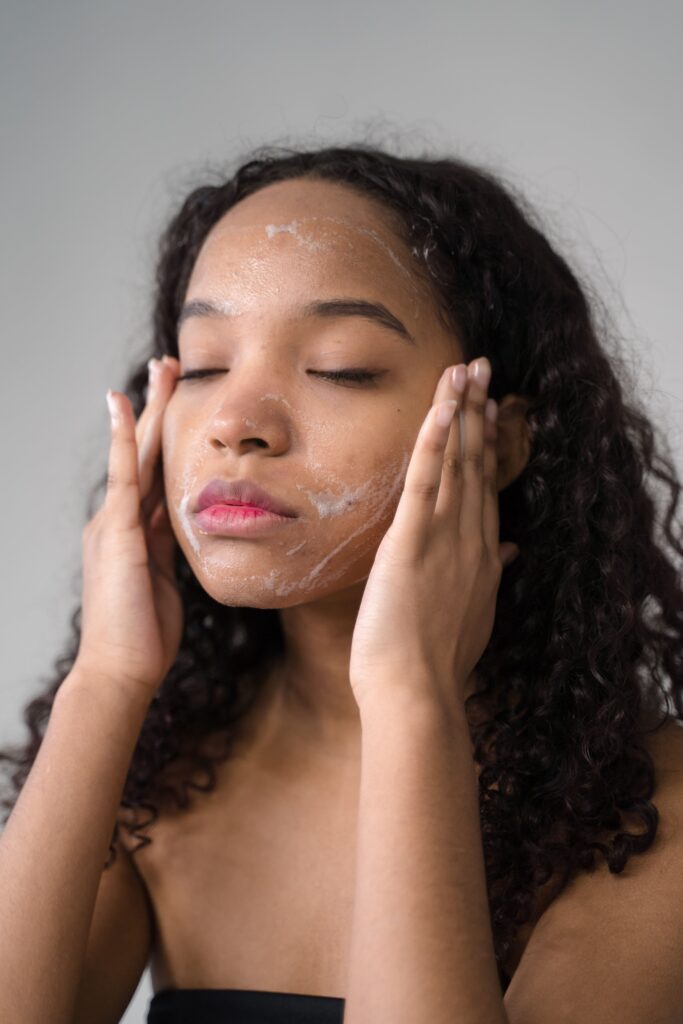
    Teen washing face with gentle cleanser to manage sports acne after summer practice
    A gentle cleanser with salicylic acid or benzoyl peroxide after practice helps clear the sweat, oil, and bacteria that cause summer sports breakouts.

    Clothing and equipment management plays a bigger role than most families realize. Wear moisture-wicking base layers under pads and helmets. Wash sports bras, compression shirts, and any fabric that contacts the skin after every use, not after every few uses. Wipe down the inside of helmets and pads with antibacterial wipes between practices. Letting equipment air out completely between sessions reduces bacterial buildup. Parents who stay on top of laundry and gear maintenance give their teen a real advantage against teen sports acne in summer.

    Keep hands off the face during practice and games. Athletes constantly wipe sweat from their foreheads and touch their faces with dirty gloves or hands, transferring bacteria directly into pores. A clean towel draped around the neck gives them something to reach for instead.

    What Role Does Diet Play in Teen Sports Acne?

    Diet’s connection to acne has been studied extensively, and the evidence points to two main factors. High-glycemic foods, those that spike blood sugar quickly like white bread, sugary sports drinks, candy, and processed snacks, appear to increase oil production and inflammation in the skin. A study published in the Journal of the Academy of Nutrition and Dietetics found a positive association between high-glycemic diets and acne severity in young adults.

    Dairy, particularly skim milk, has also been linked to increased acne in some studies, though the mechanism is not fully understood. Hormones naturally present in milk may interact with the hormones driving oil production during puberty. This does not mean every teenager needs to eliminate dairy, but if breakouts are persistent and not responding to topical treatments, dietary patterns are worth discussing with a dermatologist. For many teens, cleaning up their nutrition alongside a proper skin care routine is what finally gets teen sports acne in summer under control.

    Hydration with water instead of sugary or caffeinated beverages supports skin health during intense physical activity. Proper hydration keeps the body’s cooling system working efficiently and reduces the concentration of irritants in sweat.

    When Should Parents Bring Their Teen to a Dermatologist?

    Over-the-counter products handle mild acne well, but there are clear signs it is time for professional help. If breakouts are leaving dark marks or scars, that damage is worth preventing with stronger treatment. If acne covers the back, chest, and face and is not improving after six to eight weeks of consistent home care, a dermatologist can prescribe targeted therapies that work faster and more effectively. Teen sports acne in summer that does not respond to drugstore products within that window needs a clinical evaluation.

    Cystic acne, the deep, painful nodules that sit under the skin, rarely responds to drugstore products. These lesions carry a higher risk of permanent scarring and need prescription-level intervention. Teenagers sometimes minimize their acne or resist bringing it up, so parents should pay attention to changes in behavior, avoidance of activities, and visible scarring that suggest the condition is affecting quality of life.

    At the Cleveland office, we see patients from age 12 through adulthood for acne management. Treatment plans account for the specific demands of the patient’s sport, their schedule, and what they are realistically going to follow through on. A complicated ten-step routine does not help a 14-year-old who rushes through everything.

    What Prescription Treatments Work for Sports-Related Acne?

    Topical retinoids are a cornerstone treatment. They increase skin cell turnover, preventing dead cells from accumulating in the pore. Adapalene, available both over the counter and in prescription strengths, is a common starting point. It pairs well with benzoyl peroxide for a combination approach that targets both clogged pores and bacteria.

    Topical or oral antibiotics may be prescribed for moderate inflammatory acne. These are used for defined periods to reduce bacterial load and inflammation, not as permanent solutions. For female athletes dealing with hormonal acne patterns, oral contraceptives or spironolactone are sometimes appropriate, depending on age and overall health. Your dermatologist will match the prescription to the severity and type of teen sports acne your child is experiencing in summer.

    In severe cases, isotretinoin, commonly known by its former brand name Accutane, is the most effective treatment available. It reduces oil production dramatically and can produce long-lasting clearance. It requires close monitoring with monthly blood tests and, for female patients, pregnancy prevention measures. It is reserved for cases where other treatments have not succeeded, but for the right patient, it can be life-changing.

    Frequently Asked Questions About Teen Sports Acne in Summer

    Does Sunscreen Make Sports Acne Worse?

    It can if you use the wrong product. Heavy, oil-based sunscreens clog pores, especially under equipment. Choose a lightweight, non-comedogenic, oil-free mineral sunscreen. Apply it 15 minutes before practice and reapply as needed.

    Can Swimming Help Clear Up Acne?

    Chlorine has mild antibacterial properties, but it also dries and irritates the skin, which can worsen acne over time. Rinse off immediately after swimming and apply a gentle moisturizer. Do not rely on pool water as a treatment.

    Should Teen Athletes Use Acne Products Before Practice?

    Active treatments like benzoyl peroxide and retinoids are best applied at night after the skin is clean. Using them before practice can cause irritation when combined with sweat and friction. A gentle cleanser and lightweight moisturizer or sunscreen are all that is needed before activity.

    How Long Does It Take for Sports Acne to Improve with Treatment?

    Most acne treatments take six to eight weeks to show visible improvement. Starting a treatment plan before the sport season begins gives it time to take effect. If your teen has a camp or season starting in July, scheduling a dermatology appointment in May or early June puts you ahead of the problem.

    Is Sports-Related Acne Different from Regular Teenage Acne?

    The underlying causes overlap, but acne mechanica has distinct triggers related to equipment friction and heat trapping. A dermatologist who understands the sports connection can tailor the treatment plan accordingly, which leads to faster improvement than a generic acne approach.

    Teen sports acne in summer does not have to be an accepted part of being a young athlete. The right combination of hygiene habits, equipment care, and, when needed, professional treatment keeps skin manageable even during the most intense stretches of the season. Chattanooga Skin and Cancer Clinic’s Cleveland office at 3891 Adkisson Drive, Cleveland provides dermatology care for teens and young athletes across the Cleveland, Jasper, and surrounding communities. Call 423.479.8648 to schedule a visit.


  • Chlorine Skin Irritation in Kids: Is Pool Water Bad for Your Child’s Skin?

    Chlorine Skin Irritation in Kids: Is Pool Water Bad for Your Child’s Skin?

    Chlorine keeps pool water safe by killing harmful bacteria and preventing waterborne illness. It does its job well. But the same chemical properties that make chlorine effective as a disinfectant also make it harsh on skin, and children’s skin is more vulnerable to that harshness than an adult’s. If your child has been coming home from the pool with dry, itchy, red, or flaking skin, the chlorine is the most likely cause. Chlorine skin irritation in kids is one of the most common summer complaints pediatric dermatologists hear.

    Pool season in Southeast Tennessee runs hot and long. Kids may be in the water four or five days a week between swim team, summer camp, and family trips to the neighborhood pool. That level of exposure adds up. Understanding how chlorine affects your child’s skin and what you can do about it lets your family enjoy the water without paying for it later in rashes, dryness, and discomfort. At Chattanooga Skin and Cancer Clinic’s Cleveland office, we treat children of all ages for summer skin issues, and pool-related irritation is at the top of the list from June through August.

    What Causes Chlorine Skin Irritation in Kids?

    Chlorine is an oxidizer. It works by breaking down organic matter on contact, which is how it neutralizes bacteria in pool water. But it does not distinguish between harmful microbes and the natural oils and proteins that protect your child’s skin. When a child sits in chlorinated water, the chemical strips away the skin’s lipid layer, the thin film of natural oils that keeps moisture locked in and irritants locked out.

    Children’s skin is thinner than adult skin and produces less natural oil. That makes the lipid barrier easier to disrupt and slower to recover. After even a single pool session, a child’s skin can lose enough of its protective layer to feel tight, dry, and rough. Repeated exposure without proper aftercare compounds the damage, resulting in cracking, flaking, and persistent itchiness that can last for days between swim sessions.

    The pH of pool water also plays a role. Well-maintained pools keep their pH between 7.2 and 7.8, which is close to neutral and relatively gentle. But many public and neighborhood pools fluctuate outside that range, especially during heavy-use periods. Water that is too acidic or too alkaline intensifies irritation and speeds up the breakdown of the skin barrier.

    Child swimming in chlorinated pool water during summer with sun hat and float
    Frequent pool visits during summer can strip natural oils from children’s skin, making post-swim rinsing and moisturizing a must.

    What Does Chlorine Irritation Look Like on a Child?

    The most common presentation is dry, rough patches of skin that appear after swimming and worsen with repeated exposure. The skin may look slightly red or feel bumpy, similar to mild sandpaper. Itching is the hallmark symptom, and children who scratch at irritated skin risk breaking it open, which creates an entry point for infection.

    Chlorine rash, sometimes called “swimming pool rash” by parents, presents as red, itchy patches or small bumps concentrated on areas the swimsuit did not cover. It differs from a bacterial rash called hot tub folliculitis, which produces pus-filled bumps caused by the Pseudomonas aeruginosa bacterium and is most often associated with inadequately chlorinated hot tubs and spas rather than properly maintained pools.

    In children with pre-existing eczema, chlorine exposure can trigger a full flare. The skin becomes inflamed, weepy, or cracked in areas that were previously stable. A study published in the British Journal of Dermatology found that children with atopic dermatitis experienced worsened skin barrier function after swimming in chlorinated pools compared to non-chlorinated water. For these kids, prevention strategies need to be more aggressive.

    Does Chlorine Cause Long-Term Damage to Skin?

    Occasional pool use does not cause lasting skin damage in healthy children. The skin’s lipid barrier regenerates, and short-term dryness resolves with basic moisturizing care. The concern arises with frequent, prolonged exposure without protective measures. Children on competitive swim teams who train daily may experience chronic dryness, contact dermatitis, and worsening of underlying conditions like eczema over the course of a full season.

    Chlorine can also affect hair and nails. Hair becomes brittle, dry, and may take on a greenish tint from copper compounds in pool water reacting with chlorine. Nails can become discolored or brittle with prolonged exposure. These effects reverse once the exposure stops, but they are a visible indicator that the chemical is making contact with the body’s keratin structures.

    What Steps Protect Your Child’s Skin Before and After Swimming?

    Pre-swim preparation makes a bigger difference than most parents expect. Have your child shower with fresh water immediately before getting into the pool. Wet skin absorbs less chlorinated water than dry skin. Think of it like a sponge: a dry sponge soaks up everything it contacts, while a damp sponge resists new liquid. Rinsing first reduces the amount of chlorine the skin takes in during the swim.

    Applying a thin layer of petroleum jelly or a barrier cream to areas prone to irritation, like the face, underarms, and inner thighs, creates a physical shield between the skin and the water. This works particularly well for children with eczema who need extra protection. Some parents apply a fragrance-free body oil before swimming to add a layer of protection; coconut oil and sunflower seed oil are popular options, though individual tolerance varies.

    Parent applying skin protection to child before swimming to prevent chlorine skin irritation
    Applying a barrier cream or moisturizer before swimming helps reduce chlorine contact with your child’s skin.

    Immediately after swimming, rinse your child off with fresh water. Do not wait until you get home. The sooner the chlorine comes off, the less time it has to continue stripping the skin. Use a gentle, fragrance-free soap or body wash to remove the chemical residue. Avoid hot water, which dries the skin further. Lukewarm is best.

    Within three minutes of getting out of the rinse, apply a thick, fragrance-free moisturizer to the entire body. Creams and ointments outperform lotions for post-swim recovery because they contain a higher ratio of oil to water, which seals moisture into the skin more effectively. Apply it to damp skin, which traps water against the surface and gives the moisturizer a base to lock in.

    What About Saltwater Pools and Alternatives?

    Saltwater pools are marketed as gentler alternatives, and there is some truth to that. These pools still use chlorine, generated by a salt-chlorine generator rather than added manually, but the concentration is lower than in traditional pools. The salt content also makes the water feel softer on the skin. Many children with chlorine sensitivity tolerate saltwater pools better, though they are not chlorine-free and can still cause irritation with extended use.

    UV and ozone pool sanitation systems reduce the amount of chlorine needed, which may benefit sensitive-skinned children. However, these systems are not yet common in public pools and community facilities. If your child has significant chlorine sensitivity, asking about the pool’s sanitation method before committing to a full summer of swim lessons can help you make an informed choice and prevent chlorine skin irritation.

    When Should You Take Your Child to a Dermatologist for Pool-Related Skin Issues?

    If your child’s post-swim skin irritation does not improve with consistent rinsing and moisturizing, it is time for a professional evaluation. Persistent redness, cracking, bleeding, or signs of infection like warmth, swelling, or pus indicate that the skin barrier has been compromised in a way that home care alone cannot fix. A dermatologist can prescribe targeted treatments to repair the barrier and reduce inflammation.

    Children with eczema who want to swim competitively need a management plan built around their swim schedule. This may include prescription barrier repair creams, modified moisturizing routines, and occasional use of topical anti-inflammatory medications after high-exposure days. Building that plan before the season starts prevents chlorine skin irritation and keeps the child in the water.

    If you are unsure if your child’s rash is from chlorine, from another cause like a fungal infection or heat rash, or from something in the pool environment like an allergic reaction to a different chemical, a clinical evaluation clarifies the diagnosis and avoids mistreatment.

    Frequently Asked Questions About Chlorine and Kids’ Skin

    Can Chlorine Cause an Allergic Reaction?

    True chlorine allergy is rare. What most people call a chlorine allergy is contact irritation caused by the stripping of the skin barrier. The symptoms, redness, itching, and dryness, overlap with an allergic response but are driven by irritation rather than an immune reaction. A dermatologist can determine which mechanism is at play through patch testing if needed.

    How Long Should Kids Stay in a Chlorinated Pool?

    There is no strict time limit, but longer sessions mean more chemical exposure. For children with sensitive skin, limiting continuous pool time to 60 to 90 minutes and rinsing afterward is a practical approach. Breaks out of the water allow the skin to recover and reduce cumulative chlorine skin irritation during the session.

    Is It Safe for Babies to Swim in Chlorinated Pools?

    Pediatricians generally consider chlorinated pools safe for babies over six months of age. Infant skin is extremely thin and permeable, so keep sessions short, rinse immediately afterward, and apply a thick barrier moisturizer. Avoid pools where the chlorine smell is overwhelming, as that indicates high chemical concentration or poor ventilation.

    Does Chlorine Make Eczema Worse?

    For many children with eczema, yes. Chlorine disrupts the already-impaired skin barrier, inviting moisture loss and inflammation. Pre-swim barrier protection and immediate post-swim care can mitigate this. Some eczema patients tolerate pool water well with proper preparation, so individual response shapes the approach.

    Should Kids Wear a Rash Guard to Reduce Chlorine Exposure?

    Rash guards reduce the amount of skin in direct contact with pool water, which limits chlorine exposure on covered areas, and can prevent chlorine skin irritation. For children with widespread eczema or chronic irritation, wearing a rash guard during swim practice or recreational swimming is a simple, effective protective measure.

    Summer pool time is one of the highlights of childhood, and chlorine irritation does not have to cut it short. With the right preparation and aftercare, most children can swim regularly without persistent skin problems. When home measures are not enough, the pediatric dermatology team at Chattanooga Skin and Cancer Clinic’s Cleveland location is here to help. We see patients at 3891 Adkisson Drive, Cleveland in Cleveland, Monday through Thursday. Call 423.479.8648 to schedule an appointment.

  • What Does a Dermatologist Really Treat? 10 Conditions Most People Don’t Know About

    What Does a Dermatologist Really Treat? 10 Conditions Most People Don’t Know About

    What Does a Dermatologist Really Treat? 10 Conditions Most People Don’t Know About

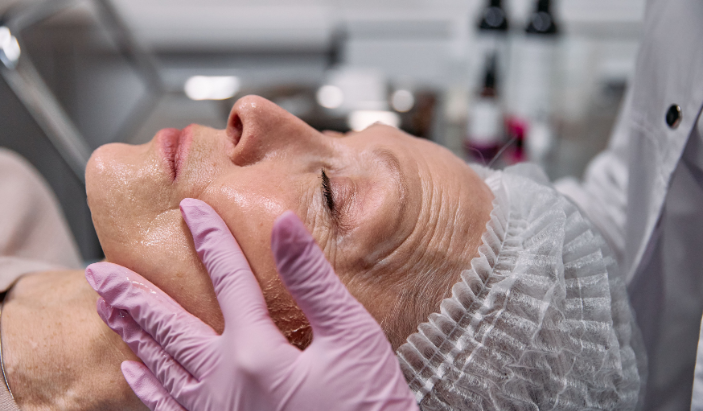
    A board-certified dermatologist conducting a professional medical skin evaluation on an adult patient's face at Chattanooga Skin and Cancer Clinic.
    Board-certified providers offer clinical evaluations for a wide range of chronic and acute skin conditions in Southeast Tennessee.

    Most people make their first dermatology appointment for one of two reasons: a suspicious spot they have been watching, or acne that will not clear up no matter what they try. Both are completely valid reasons to come in. The part that surprises most new patients is what they learn once they are there.

    Dermatology covers a wide range of conditions affecting the skin, hair, and nails. Skin cancer screenings and acne treatment are part of it, but so are chronic inflammatory conditions, hair loss, nail disorders, rashes that have defied every over-the-counter remedy, and conditions that started in childhood and followed a person into adulthood. Dermatologists are medical specialists with years of training specifically in skin health, which means the scope of what they diagnose and treat is considerably broader than most patients expect.

    At Chattanooga Skin and Cancer Clinic, patients have been coming in since 1973 for exactly that reason. Some know what they need. Others arrive with a condition their primary care doctor referred them for, or a symptom they have been trying to manage on their own. This post walks through what dermatologists treat, why some conditions belong in a specialist’s office rather than a general practitioner’s, and what patients in the Chattanooga area can expect when they come in.


    What Is a Dermatologist and How Is Their Training Different?

    A dermatologist is a physician who completed medical school, then spent three or more additional years in a dermatology residency focused entirely on skin, hair, and nail conditions. That residency includes surgical training, dermatopathology, and exposure to thousands of conditions ranging from common to rare. Board certification follows a rigorous examination process.

    This level of specialization matters because the skin is the body’s largest organ, and its conditions are numerous. More than 3,000 distinct skin conditions exist, according to the American Academy of Dermatology. A primary care physician can identify and treat many of the most common ones, but conditions that are chronic, resistant to standard treatment, or require a visual and clinical expertise built through years of practice are best managed by a specialist.

    All providers at Chattanooga Skin and Cancer Clinic are board-certified, and the practice has been operating in Southeast Tennessee for over 50 years. That depth of experience shapes how providers approach everything from a first-time skin check to a complex surgical case.


    Does a Dermatologist Only Treat Skin Cancer?

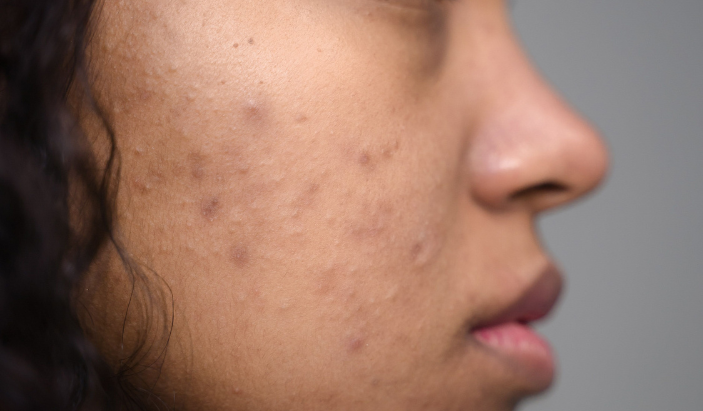
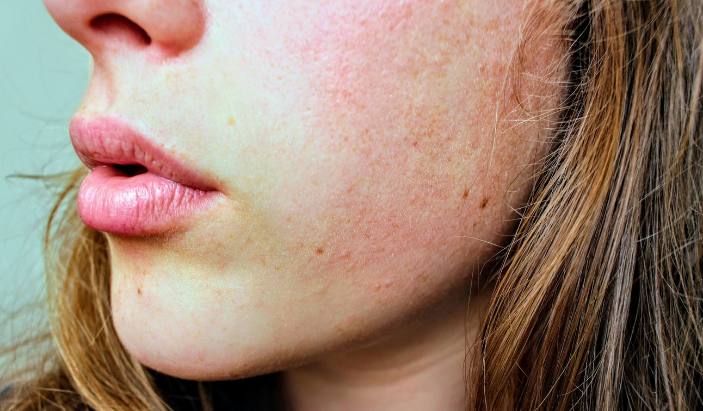
    Close-up of a patient with stubborn acne blemishes on their cheek seeking medical treatment from a dermatologist in Cleveland, TN.
    Persistent acne, driven by hormonal shifts or genetics, often requires a personalized prescription approach from a specialist.

    Skin cancer is one of the most important things a dermatologist diagnoses and treats, but it is far from the only one. The misconception that dermatology is primarily about cancer screenings keeps a lot of people from seeking care for conditions that are making their daily lives harder.

    Skin cancer detection and treatment, including Mohs micrographic surgery for basal cell and squamous cell carcinomas, is a core part of what the team at Chattanooga Skin and Cancer Clinic does. Mohs surgery is available at the Chattanooga and Cleveland locations and offers the highest cure rate for eligible skin cancers while preserving as much healthy tissue as possible. Melanoma screening, diagnosis, and treatment are also part of the practice’s focus.

    Outside of cancer, dermatologists manage a full range of medical conditions. Chronic inflammatory skin diseases like psoriasis, eczema, and rosacea require ongoing management that goes well past what an over-the-counter cream can provide. Acne, particularly adult acne driven by hormonal shifts, often needs a prescription approach that only a provider can prescribe. Rashes, allergic reactions, infections, warts, cysts, and moles all fall within a dermatologist’s scope of practice. So do hair loss, nail disorders, and conditions in children that can start as early as infancy.


    What Chronic Skin Conditions Can a Dermatologist Help Manage?

    Chronic conditions are where dermatology makes some of its most meaningful impact. These are conditions that do not go away on their own and that get worse without proper management. Living with one of them long-term without specialist care often means cycles of flare-ups, missed work, disrupted sleep, and real psychological strain.

    Is Psoriasis Something a Dermatologist Treats?

    A female dermatologist in a white coat explaining prescription biologics and targeted treatments to a patient in Chattanooga, Tennessee.
    Modern medical dermatology utilizes advanced targeted therapies and biologics to manage severe chronic skin conditions effectively.

    Psoriasis is an autoimmune condition that causes the skin to produce cells too rapidly, resulting in thick, scaly plaques that are often red, itchy, and uncomfortable. It shows up most often on the elbows, knees, scalp, and lower back, but it can appear anywhere on the body. Psoriasis is also associated with psoriatic arthritis, which affects joints and requires coordinated care.

    Treatment options have advanced considerably in recent years. Biologics and targeted therapies have given patients with moderate to severe psoriasis access to outcomes that were not possible even a decade ago. A dermatologist stays current on those options and can match the right treatment to the patient’s specific disease pattern, severity, and medical history.

    Can a Dermatologist Help With Eczema?

    Eczema, or atopic dermatitis, is one of the most common skin conditions in the United States, affecting about 31 million Americans according to the National Eczema Association. It causes dry, inflamed, itchy skin that can crack, bleed, and become infected when scratched. In children, it often appears on the face and in the skin creases. Adults tend to see it on the hands, neck, and inside of the elbows.

    Managing eczema well requires understanding a patient’s triggers, their skin barrier function, and the appropriate prescription options for their age and severity. The team at Chattanooga Skin and Cancer Clinic sees pediatric patients from infancy through adolescence and adult patients at all three locations. Consistent dermatology care for eczema reduces the frequency and severity of flares in a meaningful way.

    What About Rosacea?

    Rosacea is a chronic inflammatory condition that causes persistent facial redness, visible blood vessels, and sometimes acne-like bumps. It affects the cheeks, nose, forehead, and chin most often, and it is frequently mistaken for flushing or sensitive skin. Without treatment, rosacea progresses over time.

    Common triggers include heat, sun exposure, alcohol, spicy food, and stress. A dermatologist can confirm the diagnosis, identify a patient’s specific subtype, and recommend a combination of topical treatments, oral medications, and trigger management strategies. For patients in Chattanooga and the surrounding area, getting a definitive diagnosis from a board-certified provider is the starting point for effective long-term control.


    What Acute Conditions Bring Patients to a Dermatologist?

    Not every dermatology visit is about a chronic condition. Plenty of patients come in for something that developed recently and needs a prompt evaluation.

    Mole removal and evaluation is one of the most common acute reasons for a dermatology visit. A mole that has changed in size, shape, or color, or one that bleeds or itches without explanation, needs to be looked at by a trained eye. A dermatologist can examine the mole with a dermatoscope, determine whether a biopsy is necessary, and walk the patient through the results.

    Warts, cysts, and skin tags are also common reasons patients come in. These are benign growths, but they can be cosmetically bothersome, uncomfortable, or positioned in a way that causes irritation. Treatment options range from freezing to excision depending on the type and location. Rashes, allergic reactions, and skin infections round out the acute side of dermatology practice. Many patients come in after a rash has persisted for weeks without improvement, or after an over-the-counter treatment has made things worse rather than better. A provider can identify the underlying cause and prescribe the right course of action.


    Do Dermatologists Treat Children?

    Yes, and pediatric dermatology is an area where specialist care makes a significant difference. Children experience many of the same conditions as adults, but the presentation can differ, and treatment protocols are adjusted for age and developmental stage.

    Eczema is one of the most common pediatric skin conditions and one of the most underdiagnosed. Infants can develop it within the first few months of life. Warts, molluscum contagiosum, birthmarks, and scalp conditions are also common in children and teenagers. Acne in adolescents is another major area where a dermatologist provides real value, particularly when over-the-counter products have not produced results and the condition is starting to affect a young person’s confidence.

    At Chattanooga Skin and Cancer Clinic, pediatric and adolescent patients are seen at the Chattanooga and Cleveland locations. The practice has served families across the region for generations, which means a parent who came in as a teenager may now be bringing their own child in for care.


    When Should You See a Dermatologist Instead of Your Primary Care Doctor?

    Primary care physicians handle a wide range of skin issues well, and many straightforward cases can be managed at that level. A dermatologist is the right call when a condition is not responding to standard treatment, when it keeps coming back, when a visual evaluation from a trained specialist is needed, or when the patient wants access to the full range of treatment options including prescription biologics, surgical procedures, and advanced diagnostic tools.

    Annual full-body skin checks are something dermatologists do that general practitioners rarely perform in the same depth. A 15-minute full-body exam by a board-certified dermatologist covers areas a patient cannot easily see on their own, and it creates a documented baseline that makes future changes easier to identify. For patients over 35, for those with a family history of skin cancer, and for anyone who has spent significant time in the sun over the years, that annual check is worth making part of the regular health routine.

    Chattanooga Skin and Cancer Clinic accepts new patients at all three locations, in Chattanooga, Cleveland, and Kimball. No referral is required to schedule an appointment.


    Frequently Asked Questions

    Do I need a referral to see a dermatologist at Chattanooga Skin and Cancer Clinic? No. Chattanooga Skin and Cancer Clinic accepts new patients directly at all three locations without a referral. Appointments can be scheduled by calling the location nearest to you or visiting chattskinandcancer.com.

    What should I bring to my first dermatology appointment? Bring a list of your current medications and any supplements you take. Write down your skin concerns before the appointment, including how long each one has been present and what you have already tried. If you have a spot that comes and goes, take a photo of it when it is active. Coming with clean skin, free of heavy makeup or lotion in the areas you want evaluated, also helps the provider get the clearest view possible.

    Can a dermatologist help with hair loss? Yes. Hair loss has many causes, including autoimmune conditions, hormonal changes, nutritional deficiencies, and inflammatory scalp diseases. A dermatologist can evaluate the pattern and characteristics of hair loss, run relevant testing, and recommend treatment options. The scalp is skin, and scalp health is within a dermatologist’s scope of practice.

    How often should someone get a full-body skin check? For most adults, once a year is the standard recommendation. Patients with a personal or family history of skin cancer, a large number of moles, or significant past sun exposure may benefit from more frequent monitoring. Your provider at Chattanooga Skin and Cancer Clinic can recommend the right schedule based on your individual history during your first visit.

    Does Chattanooga Skin and Cancer Clinic see patients of all ages? Yes. The practice treats patients from infancy through elderly, making it a resource for the entire family. Pediatric and adolescent patients are seen at the Chattanooga and Cleveland locations. The Kimball location serves adult patients and handles medical dermatology conditions.

    What is the difference between medical and cosmetic dermatology? Medical dermatology focuses on diagnosing and treating conditions that affect health, including skin cancer, chronic inflammatory diseases, infections, and hair and nail disorders. Cosmetic dermatology focuses on aesthetic procedures like injectables and resurfacing treatments. Chattanooga Skin and Cancer Clinic is a medical dermatology practice. The providers focus on health-based care rather than cosmetic services.

  • Is That Spot on Your Skin Normal? 6 Warning Signs You Shouldn’t Ignore

    Is That Spot on Your Skin Normal? 6 Warning Signs You Shouldn’t Ignore


    Is That Spot on Your Skin Normal? 6 Warning Signs You Shouldn’t Ignore

    You notice something on your arm that wasn’t there before. It’s small, maybe slightly raised, and it looks a little different from the freckles you’ve had for years. You tell yourself it’s probably nothing. A few weeks pass, and it’s still there, maybe a touch bigger. That moment of uncertainty is exactly when a dermatologist visit makes a real difference. Skin changes are easy to brush off, but knowing which ones deserve a closer look can protect your health in a meaningful way.

    Skin cancer is the most commonly diagnosed cancer in the United States. The American Cancer Society estimates that over 100,000 new cases of melanoma alone are diagnosed each year. The good news is that most skin cancers, when caught early, are highly treatable. The tricky part is knowing what to watch for. Not every spot or mark is cause for alarm, but certain changes to your skin are clear signals to get checked by a board-certified dermatologist. Here are six warning signs that should never be ignored.


    Is a Spot Changing in Size, Shape, or Color?

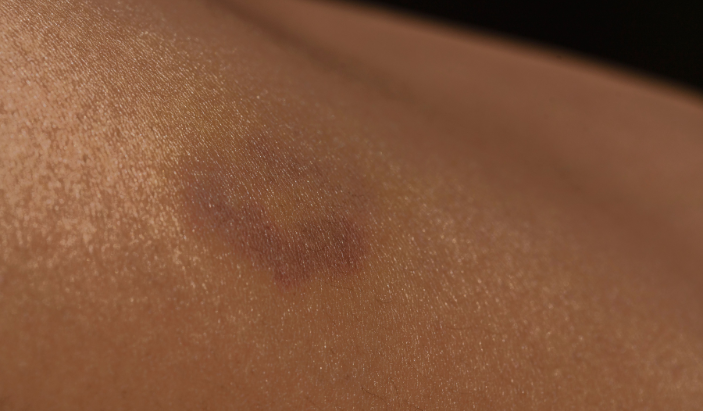
    Close-up of an irregular dark skin discoloration or asymmetrical mole needing evaluation by a Cleveland TN dermatologist.
    A dark, changing, or asymmetrical skin spot is a clear warning sign that warrants a professional evaluation.

    Change is the single most important word in skin cancer detection. A mole or spot that has looked the same for years and suddenly starts to shift is worth taking seriously. Board-certified dermatologists use the ABCDE rule to evaluate these changes. A stands for Asymmetry, meaning one half of a spot doesn’t match the other. B is for Border irregularity, where edges appear ragged, notched, or blurred. C covers Color variation, where a single spot contains multiple shades of brown, black, red, or white. D refers to Diameter, specifically any growth larger than six millimeters, roughly the size of a pencil eraser. E is for Evolution, the catch-all for any noticeable change over time.

    Any spot that checks more than one of those boxes warrants a professional skin exam. At Chattanooga Skin and Cancer Clinic, full-body skin checks are part of routine care, and the team has experience identifying changes that patients commonly overlook on their own.


    Does the Spot Bleed Without Any Obvious Cause?

    Spontaneous bleeding from a mole, lesion, or skin growth is a symptom that demands prompt attention. Healthy skin does not bleed on its own. If you notice a spot that bleeds after minimal contact, such as light rubbing from clothing or gentle washing, that behavior is abnormal and should be evaluated quickly.

    Basal cell carcinoma, one of the most common forms of skin cancer, can appear as a pearly or flesh-colored bump that bleeds easily when bumped or scratched. Squamous cell carcinoma sometimes presents similarly. Neither type is automatically dangerous when caught early, but both require professional diagnosis and treatment. Waiting on a bleeding spot is a risk not worth taking.


    Is There a Sore That Won’t Heal?

    A cut or scrape that doesn’t heal within two to four weeks is a red flag. Most minor skin wounds close up fairly quickly under normal circumstances. When a sore persists, reopens, or crusts over repeatedly without actually healing, that pattern can point to an underlying issue, including early skin cancer.

    Basal cell carcinomas sometimes look like open sores that appear to heal and then return. They can also resemble a flat, scar-like lesion with a pale or slightly yellow tint. If you have a wound that has lingered for more than a month without clear improvement, a dermatology appointment is the right next step.


    Has a Mole Started to Look Different from the Others?

    Dermatologists sometimes refer to this as the “ugly duckling” sign. Most people have moles that share a general family resemblance in terms of size, shape, and color. A mole that stands out as visibly different from the rest deserves attention. It doesn’t need to look dramatic to be suspicious. Sometimes the difference is subtle: a single mole that is darker, larger, or more irregular than everything else on your skin.

    This is one reason annual skin checks with a board-certified dermatologist are so useful. A trained eye can scan your full body and identify outliers that you simply cannot see yourself, especially on your back, scalp, and behind the ears. These are areas where many skin cancers develop precisely because they go unnoticed.


    Do You Notice a Pink, Pearly, or Waxy Growth?

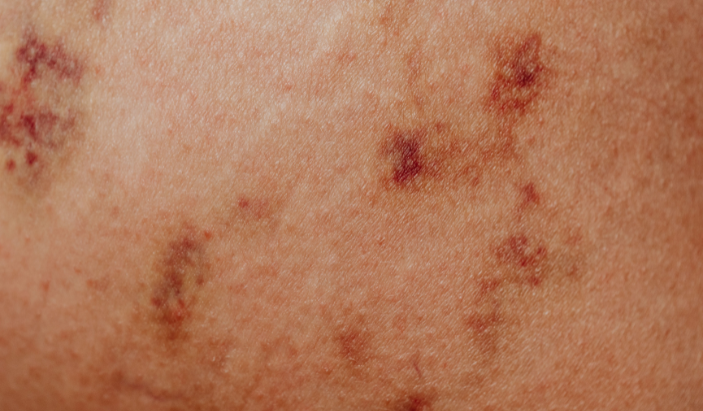
    Close-up of sun-damaged skin with multiple red and brown spots requiring a professional skin check in Kimball TN.
    Multiple clustered spots or scaly, red patches should be evaluated for squamous or basal cell carcinoma.

    Not all skin cancers look like dark, irregular moles. Basal cell carcinoma, the most common type, often presents as a small, shiny bump with a pink or translucent quality, sometimes with visible blood vessels near the surface. It can also appear as a flat, brownish scar-like patch. These subtle presentations are easy to dismiss as a harmless skin tag or minor blemish.

    Squamous cell carcinoma can show up as a rough, scaly patch of red skin, a firm bump, or a raised growth with a depressed center. Both cancers are highly treatable with early intervention. Mohs micrographic surgery, available at Chattanooga Skin and Cancer Clinic’s Chattanooga and Cleveland locations, is the most precise treatment option for these cancers and delivers cure rates above 99 percent for appropriate candidates.


    Is There Persistent Itching, Tenderness, or Unusual Sensation in a Spot?

    Skin spots that itch, burn, or feel tender without an obvious cause are worth noting. Occasional itchiness from dry skin is completely normal. A specific spot that consistently draws your attention because of sensation, especially combined with any visible change, is a different matter.

    Melanoma, the most serious form of skin cancer, can sometimes cause itching or tenderness in an affected mole. These sensations don’t always accompany skin cancer, but when they pair with other warning signs, they strengthen the case for getting a professional evaluation.


    When Should You Schedule a Skin Cancer Screening?

    A woman examining her face in a bathroom mirror for skin changes before scheduling a skin cancer screening in Chattanooga.
    Monitoring your skin at home is a vital first step in early skin cancer detection.

    If you spot any of the six warning signs above, schedule an appointment with a dermatologist as soon as possible. You don’t need to wait until your annual checkup if something looks or feels off. Early action consistently leads to better outcomes across every type of skin cancer.

    Beyond responding to specific concerns, adults with a family history of skin cancer, a personal history of frequent sun exposure, or a record of sunburns should schedule annual full-body skin checks. People with lighter skin tones or a high number of moles carry a higher baseline risk. Southeast Tennessee’s sunny climate means residents in Chattanooga, Cleveland, and Kimball get significant UV exposure throughout the year, which adds up over time.

    Chattanooga Skin and Cancer Clinic has served patients across the Tennessee Valley since 1973. All providers are board-certified dermatologists with deep experience in skin cancer detection, diagnosis, and treatment. Three convenient locations across Chattanooga, Cleveland, and Kimball make it straightforward to get the care you need close to home.


    Frequently Asked Questions

    How do I know if a mole is dangerous?

    Use the ABCDE rule as a starting point: Asymmetry, Border irregularity, Color variation, Diameter over six millimeters, and Evolution over time. Any mole that meets one or more of those criteria should be evaluated by a board-certified dermatologist. A professional skin check is the only reliable way to confirm whether a spot is benign or needs further attention.

    Can skin cancer appear somewhere other than a mole?

    Yes. Skin cancer can develop on any part of the body, including areas with no prior moles. Basal cell and squamous cell carcinomas often appear as growths, patches, or sores that don’t look like traditional moles at all. Some skin cancers develop on the scalp, ears, lips, palms, soles of the feet, and even under the nails.

    Is it normal for a mole to itch occasionally?

    Occasional mild itching in a mole can happen without any serious cause. Persistent itching, especially combined with visible changes such as growth, color shift, or irregular borders, is a reason to get checked. Itching alone is not a definitive sign of cancer, but it becomes more meaningful when it accompanies other warning signs.

    What happens during a full-body skin cancer screening?

    A full-body skin check is a head-to-toe visual examination performed by a dermatologist. The provider examines every area of your skin, including the scalp, back, and areas between the toes. The appointment takes about 15 to 30 minutes. If the dermatologist finds anything suspicious, they may perform a biopsy that same visit or schedule a follow-up. The exam is painless and doesn’t require any special preparation beyond removing clothing.

    How often should I see a dermatologist for skin cancer screening?

    Most adults benefit from an annual full-body skin check. People with a personal or family history of skin cancer, a high number of moles, or significant past sun exposure should discuss a more frequent schedule with their dermatologist. The right frequency depends on your individual risk profile.

    What is Mohs surgery and who is it for?

    Mohs micrographic surgery is a precise, layer-by-layer technique for removing basal cell and squamous cell carcinomas. It preserves the maximum amount of healthy tissue while achieving the highest cure rates available for these cancers. Mohs is particularly effective for tumors on the face, ears, hands, or feet where tissue conservation matters. The procedure is performed in a single visit. Chattanooga Skin and Cancer Clinic offers Mohs surgery at both the Chattanooga and Cleveland locations.


    Ready to Get Your Skin Checked?

    Catching something early is the most effective thing you can do for your skin health. If you’ve noticed any of the warning signs above, or if it’s simply been a while since your last professional skin exam, the team at Chattanooga Skin and Cancer Clinic is ready to help.

    Appointments are available at three locations across Southeast Tennessee:

    Chattanooga: 6061 Shallowford Road, Chattanooga, TN 37421 | 423-899-2700

    Cleveland: 3891 Adkisson Drive, Cleveland, TN 37312 | 423-479-8648

    Kimball: 400 Dixie Lee Center Rd Ste. C, Kimball, TN 37347 | 423-815-9975

    All three offices are open Monday through Friday. Visit chattskinandcancer.com to request an appointment online.

  • The 4 Types of Rosacea Explained: Which Type Do You Have?

    The 4 Types of Rosacea Explained: Which Type Do You Have?

    The 4 Types of Rosacea Explained: Which Type Do You Have?

    Close-up of a patient's cheek with hyperpigmentation and sun damage, showcasing skin rejuvenation concerns
    Spotting the early signs of sun damage or uneven texture? Our Kimball skincare experts can help restore your skin’s natural glow.

    Rosacea is one of the most misunderstood skin conditions out there. A lot of people spend years treating what they think is adult acne, dry skin, or sun damage before a dermatologist finally connects the dots. The redness keeps coming back. The skin feels sensitive no matter what products you use. Something is clearly going on, but the label stays elusive. If that sounds familiar, there is a good chance rosacea is the reason.

    What makes rosacea especially tricky is that it does not look the same on every person. Some people develop flushing and broken blood vessels. Others deal with acne-like breakouts. Some have thickened skin, and others struggle with eye irritation that they would never connect to a skin condition. Rosacea has four distinct subtypes, and understanding which one you have is the starting point for getting it properly managed.

    According to the National Rosacea Society, more than 16 million Americans are affected by rosacea, and many of them do not realize they have it. This article breaks down each of the four types, what they look like, how they differ, and what you can do about them.


    What Is Rosacea and Why Does It Come in Different Types?

    Rosacea is a chronic skin condition that causes redness, inflammation, and a range of other symptoms primarily on the face. It tends to cycle through flares and calmer periods, often triggered by heat, sun, spicy food, alcohol, stress, or certain skincare products. There is no cure, but with the right treatment plan, most people can keep it well under control.

    The reason rosacea has subtypes is that it affects different structures of the skin in different ways. The blood vessels near the surface, the oil glands, the connective tissue, and even the eyes can all be involved depending on the person. Doctors and researchers use a subtype classification system to describe these patterns and match them to the most effective treatments.

    It is worth knowing that subtypes are not always mutually exclusive. Some people experience two or more types at once, or see one subtype evolve into another over time if the condition goes untreated. That is another reason early diagnosis from a board-certified dermatologist matters so much.


    What Is Subtype 1 and How Does Erythematotelangiectatic Rosacea Show Up?

    Subtype 1 is called erythematotelangiectatic rosacea, often abbreviated as ETR. The name is a mouthful, but the presentation is fairly straightforward: persistent redness across the cheeks, nose, chin, or forehead, often accompanied by flushing and visible blood vessels close to the skin’s surface.

    People with ETR frequently report that their face feels like it is burning or stinging, even without an obvious trigger. The skin tends to be sensitive and reactive, flaring up in response to temperature changes, exercise, wind, hot beverages, or sun exposure. The redness does not fade the way a normal flush would. It lingers, and over time, the tiny blood vessels known as telangiectasias become more visible, creating a web of fine red or pink lines across the face.

    This subtype is the most commonly recognized form of rosacea. Many people with ETR try to treat the redness with moisturizers or over-the-counter products, but those rarely address what is actually happening beneath the surface. A dermatologist can prescribe topical medications that reduce redness or recommend in-office laser and light treatments that target the visible blood vessels directly.


    What Is Subtype 2 and How Is Papulopustular Rosacea Different From Acne?

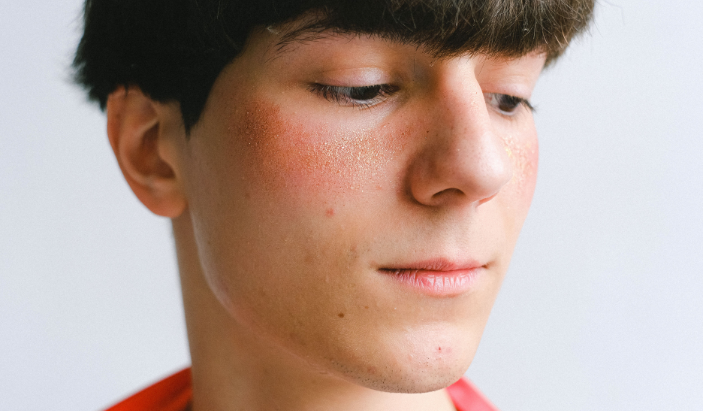
    Young male patient experiencing facial redness and rosacea-like flushing on the cheeks, illustrating sensitive skin treatments.
    Persistent facial flushing or redness can be managed with a custom treatment plan at our Kimball clinic.

    Subtype 2 is papulopustular rosacea, and it is the one most frequently mistaken for acne. It causes red bumps called papules and pus-filled blemishes called pustules, usually concentrated in the central face. That combination of breakouts plus background redness is the classic picture of this subtype.

    The key difference between papulopustular rosacea and acne comes down to what you do not see. Rosacea does not produce blackheads or whiteheads. Acne does. If you have what looks like adult acne but there are no blackheads in the mix, rosacea becomes a much more likely explanation. Age is another clue. Papulopustular rosacea is more common in adults, particularly women in their 30s, 40s, and 50s.

    Using standard acne treatments on this subtype can backfire badly. Many acne products contain ingredients like benzoyl peroxide or retinoids that are simply too harsh for rosacea-prone skin. They strip and irritate the skin barrier, making the redness and breakouts worse. A proper diagnosis is the only way to avoid that cycle. A dermatologist can confirm which condition you are dealing with and prescribe treatments like topical azelaic acid, metronidazole, or oral antibiotics that are designed for rosacea specifically.


    What Is Subtype 3 and Who Does Phymatous Rosacea Typically Affect?

    Subtype 3 is phymatous rosacea, the rarest and most dramatic presentation of the condition. It causes a thickening and irregular texture of the skin due to the enlargement of oil glands and a buildup of connective tissue. The nose is the most commonly affected area, and when it progresses significantly, the condition is called rhinophyma.

    Rhinophyma creates a bulbous, bumpy appearance on the nose, with enlarged pores and a rough texture. It can also affect the chin, forehead, ears, and eyelids, though this is less frequent. Phymatous rosacea is much more common in men than in women, and the reasons for that are not entirely clear, though hormonal factors are thought to play a role.

    This subtype tends to develop gradually over years, often in people who had untreated rosacea for a long time. That makes it one of the stronger arguments for getting rosacea evaluated and managed early. Once phymatous changes develop, they do not reverse on their own. Treatment in the earlier stages involves prescription medications to slow progression. More advanced cases may require laser resurfacing or surgical intervention to reshape the tissue.


    What Is Subtype 4 and How Does Ocular Rosacea Affect the Eyes?

    Subtype 4 is ocular rosacea, and it is the most overlooked type because many people do not connect eye symptoms to a skin condition. Ocular rosacea affects the eyes and the skin around them, causing redness, irritation, dryness, and a persistent gritty or burning sensation. The eyelids may become swollen, crusty, or inflamed, a condition called blepharitis.

    Some people with ocular rosacea develop it alongside one of the other subtypes. Others experience the eye symptoms before any skin changes appear, which makes diagnosis particularly confusing. Left unmanaged, ocular rosacea can lead to sensitivity to light, blurred vision, and in more serious cases, corneal damage.

    Treatment for ocular rosacea often involves a combination of approaches: warm compresses, lid hygiene routines, prescription eye drops, and in some cases oral antibiotics that reduce inflammation. A dermatologist and an ophthalmologist sometimes work together to manage this subtype, especially when both skin and eye symptoms are present.


    How Do You Know Which Type of Rosacea You Have?

    Identifying your subtype is not something you can do reliably on your own, and trying to piece it together from an internet search can lead you in the wrong direction. A board-certified dermatologist evaluates your skin in person, considers your symptom history, and identifies not just which subtype is present but whether multiple subtypes are overlapping.

    The distinction matters because treatment varies meaningfully by subtype. The approach for ETR focuses on reducing vascular reactivity and protecting a sensitive skin barrier. Papulopustular rosacea calls for anti-inflammatory treatments. Phymatous changes may require procedures. Ocular involvement often needs specialized eye care in addition to dermatology management. A one-size approach simply does not work across all four.

    At Chattanooga Skin and Cancer Clinic, board-certified dermatologists have been evaluating and treating rosacea patients across the Chattanooga, Cleveland, and Kimball area since 1973. With three convenient locations and same-team continuity of care, patients get a thorough assessment and a treatment plan that fits their specific presentation.


    What Triggers Make Rosacea Worse Across All Four Types?

    Regardless of subtype, rosacea responds to a similar set of triggers. Sun exposure is one of the most common, and Tennessee summers can be particularly rough on rosacea-prone skin. UV radiation dilates blood vessels and causes lasting inflammation over time. Daily broad-spectrum sunscreen is a non-negotiable part of managing any type of rosacea.

    Heat, spicy foods, alcohol (particularly red wine), hot beverages, stress, and intense exercise all commonly provoke flares. So do certain skincare ingredients: fragrances, alcohol-based toners, witch hazel, and harsh exfoliants. Keeping a simple trigger diary helps identify personal patterns, since not everyone reacts to the same things.

    The goal of trigger management is not to eliminate every possible irritant from your life. It is to identify your top offenders so you can minimize them where it makes a real difference. Combined with prescription treatment from a dermatologist, trigger awareness gives patients the best shot at keeping rosacea calm long-term.


    Frequently Asked Questions About the Types of Rosacea

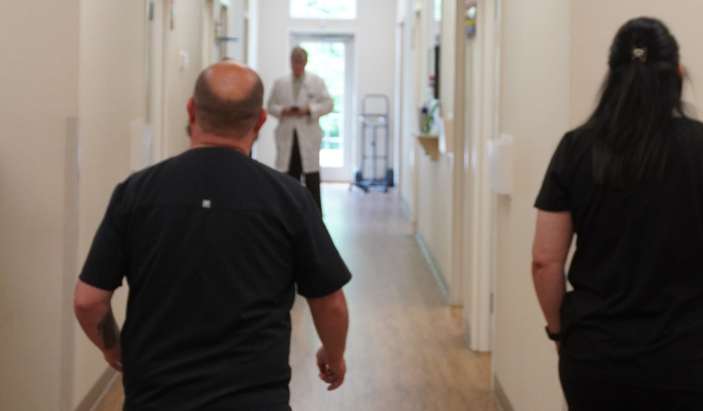
    Medical staff and dermatologist walking down the hallway of Chattanooga Skin and Cancer Clinic, a premier dermatology clinic.
    Our expert dermatology team in Kimball working behind the scenes to bring you personalized, medical-grade skin solutions

    Can you have more than one type of rosacea at the same time?

    Yes. It is fairly common for people to experience two subtypes simultaneously. Subtype 1 and Subtype 2 often occur together, with persistent redness and visible blood vessels accompanying acne-like breakouts. Ocular symptoms can also appear alongside any of the skin-based subtypes.

    Does rosacea subtype change over time?

    It can. Rosacea is a progressive condition in many people, meaning it tends to worsen if left untreated. Subtype 1 can evolve to include the papules and pustules of Subtype 2 over time. Phymatous changes typically develop after years of chronic, unmanaged inflammation. Getting diagnosed and starting treatment early is the best way to slow or prevent that progression.

    Is rosacea more common in certain skin tones?

    Rosacea is most frequently diagnosed in people with fair skin, but it affects people of all skin tones. On medium to deeper skin tones, it often goes unrecognized because the classic redness is harder to see. Symptoms like burning, stinging, bumps, or eye irritation may still be present, and a dermatologist familiar with rosacea presentations across diverse skin tones can make an accurate diagnosis.

    Are there rosacea treatments that work for all four types?

    Some treatments overlap across subtypes, particularly topical and oral anti-inflammatory medications. That said, the most effective treatment plans are specific to the subtype. Laser treatments that target blood vessels are most useful for Subtype 1. Antibiotic therapies are more central to Subtype 2. Subtype 3 may require procedural intervention. Subtype 4 often needs targeted eye care. Treatment works best when it is matched to what is actually happening in your skin.

    When should you see a dermatologist about rosacea?

    As soon as you suspect it. Rosacea does not improve on its own, and the longer it goes unmanaged, the more ingrained the changes to the skin can become. If you have persistent facial redness, recurring breakouts without blackheads, skin that feels easily irritated, or any eye discomfort that your eye doctor has not fully explained, a dermatology evaluation is the right move. Early treatment produces the best long-term results.


    Ready to Get a Clear Answer About Your Skin?

    Living with rosacea is manageable, but only once you understand what you are actually dealing with. Guessing at a diagnosis and cycling through the wrong products wastes time and often makes the condition worse. The four subtypes of rosacea are distinct enough that proper identification genuinely changes the treatment path.

    The team at Chattanooga Skin and Cancer Clinic includes board-certified dermatologists who have spent decades treating rosacea patients across Southeast Tennessee. Appointments are available in Chattanooga, Cleveland, and Kimball. Call the location nearest you or request an appointment online at chattskinandcancer.com.