

Skin Health Insights: Expert Advice from CLEVELAND’s Dermatology Leaders
Welcome to the Chattanooga Skin and Cancer Clinic blog, your trusted resource for
skin health education and professional advice. As a locally owned practice, we are
dedicated to keeping our community informed.
-
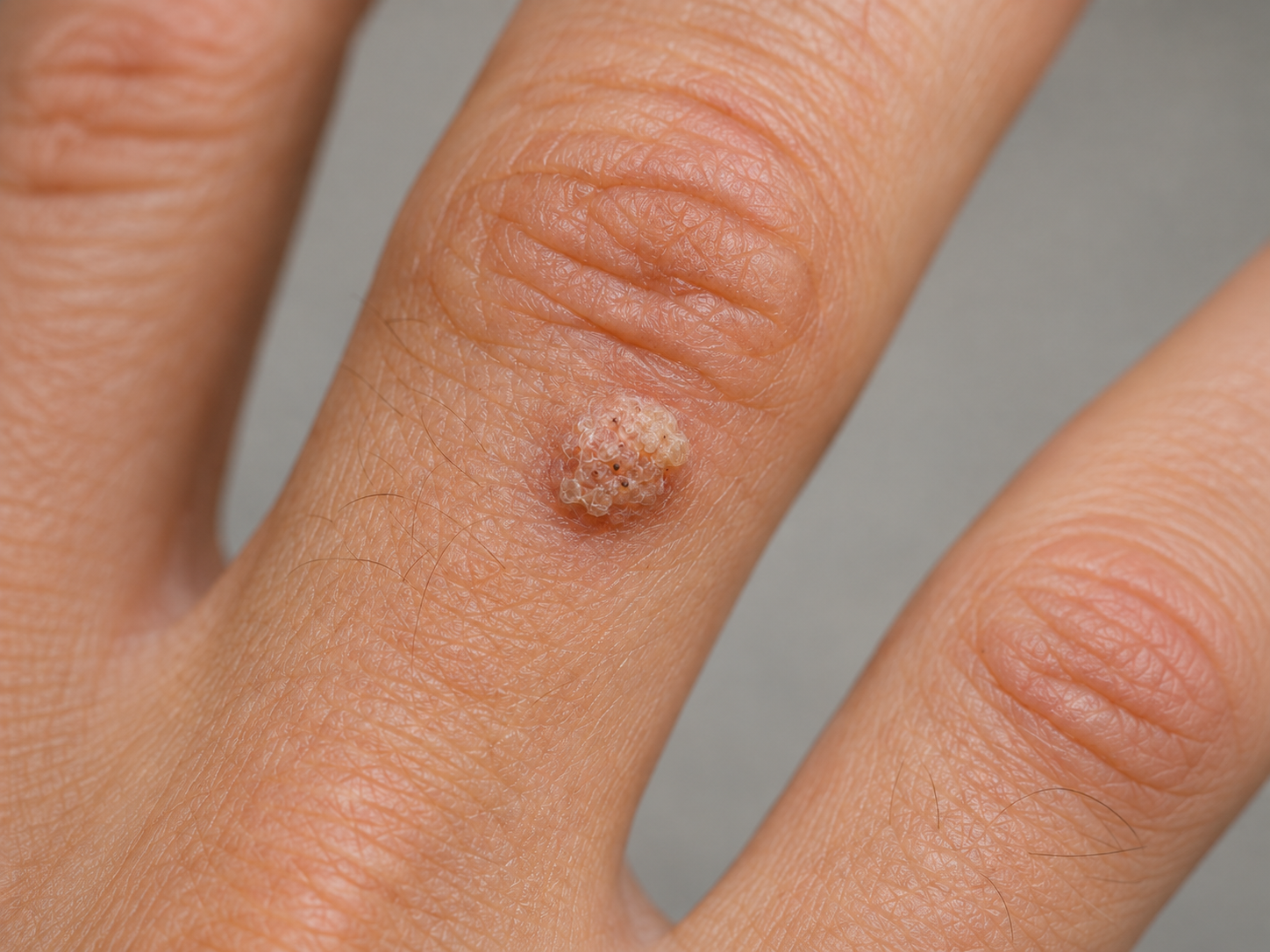
Warts: What Causes Them and How a Dermatologist Can Help
You noticed a small, rough bump on your finger a few weeks ago. You figured it would go away on its own. Instead, it got bigger, and now there is a second one forming nearby. You tried an over-the-counter product from the pharmacy, applied it faithfully for two weeks, and nothing changed. The bumps are…
-
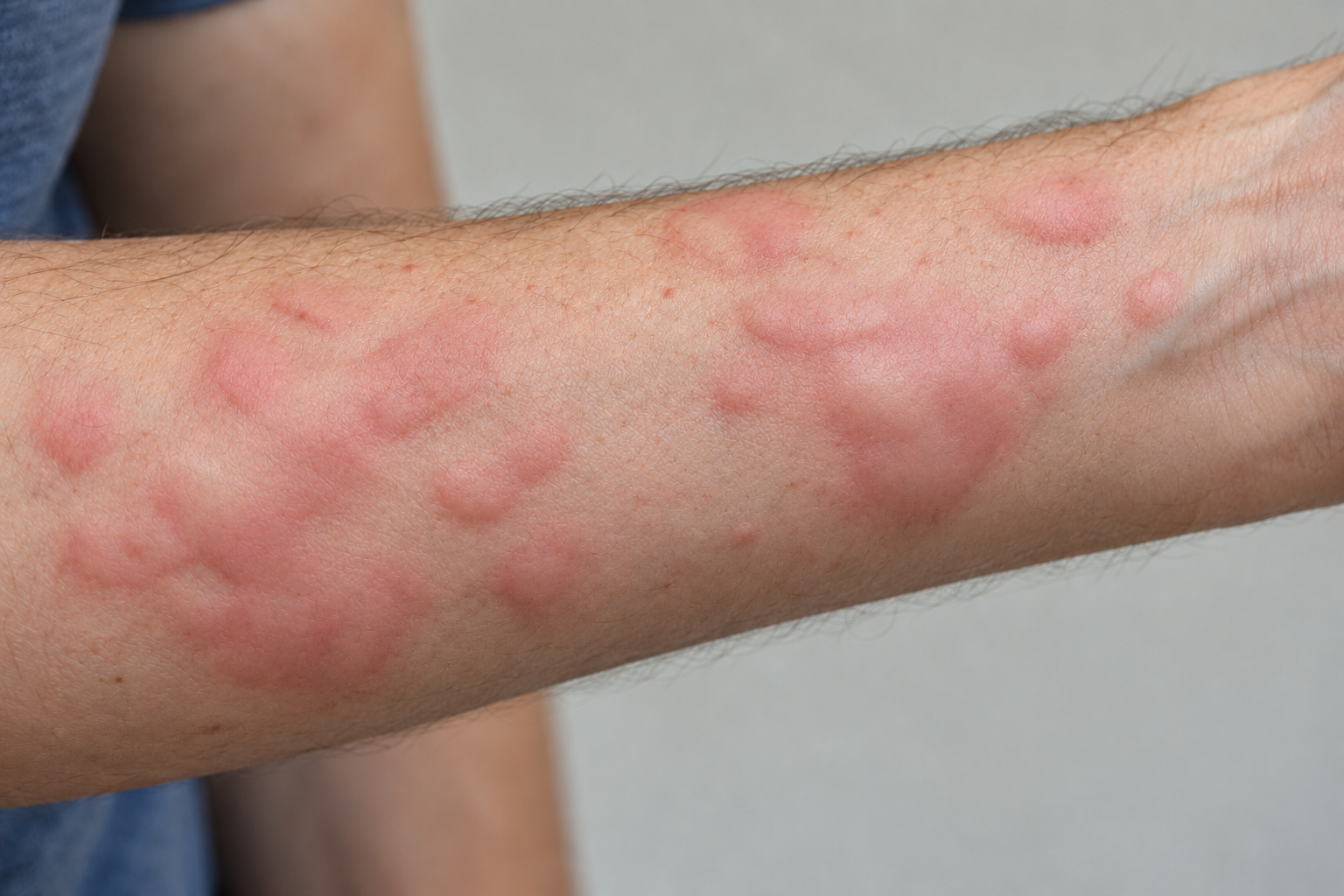
Hives: What Causes Them and When to See a Dermatologist
You wake up one morning and there are raised, itchy welts across your stomach. By the afternoon, those welts have faded, but new ones have appeared on your arms. The next day the pattern shifts again. You have not changed your laundry detergent, you do not have a known food allergy, and you cannot figure…
-

Keratosis Pilaris: What Those Rough Bumps on Your Arms Really Are
You have had them for as long as you can remember. Small, rough bumps on the backs of your upper arms that feel like sandpaper when you run your hand over them. Maybe they show up on your thighs too, or your cheeks. They do not hurt. They are not infected. But they never fully…
-

Eczema in Fall: 5 Triggers That Make Flares Worse
Eczema in fall catches a lot of patients off guard. Summer may have been manageable, maybe even a good season for your skin. The humidity helped. The warmth kept things calm. Then September hits, the air dries out, and within a couple of weeks the itching is back, the patches are spreading, and you are…
-

5 Skin Cancer Risk Factors Every Adult Should Know
Skin cancer risk factors are not always obvious, and that is part of what makes skin cancer so dangerous. Most people know that too much sun is bad for the skin. Fewer people know exactly which risk factors put them in a higher category for developing basal cell carcinoma, squamous cell carcinoma, or melanoma. Understanding…
-
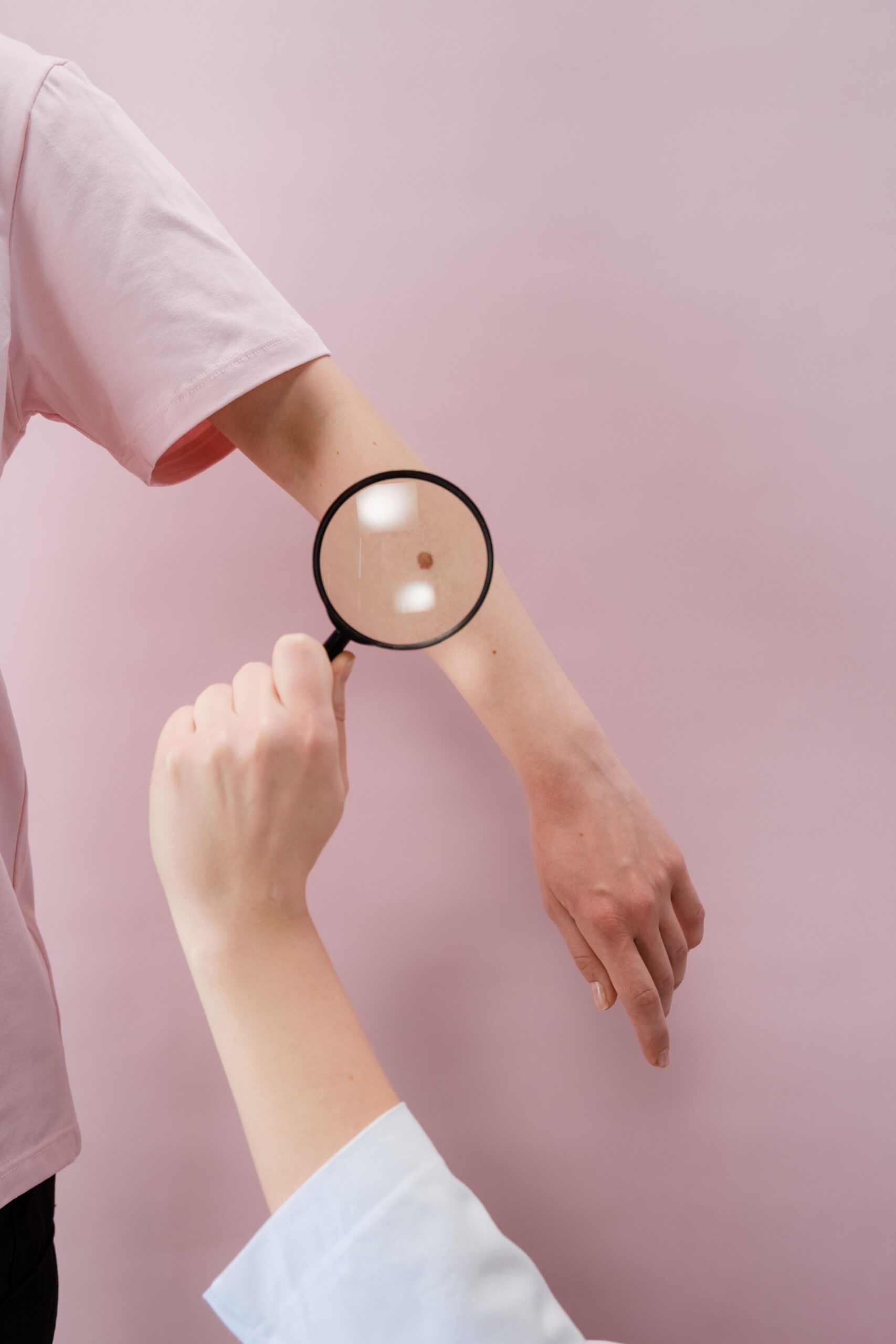
Dark Spots on Skin After Summer: 5 Essential Facts About Hyperpigmentation
Dark spots on skin are one of the most common concerns patients bring to a dermatologist at the end of summer. A patch on the cheek that was not there in May. A cluster of brown marks across the back of the hands. A streak of discoloration on the forehead that appeared gradually and has…
-

Back-to-School Skin Check: 7 Issues Your Dermatologist Can Catch Before the First Bell
A back-to-school skin check is one of the smartest things you can add to your child’s August to-do list, and it takes less time than most school supply runs. Between sports physicals, new shoes, and fresh notebooks, skin health tends to fall to the bottom of the priority list. But when a child walks into…
-

Teen Sports Acne in Summer: 6 Ways to Stop Breakouts Before They Start
Teen sports acne in summer is one of the most common skin complaints dermatologists treat between June and August. Double practices, sports camps, and hours under a helmet or pads in the heat create breakouts that seem to multiply no matter what a teenager does to fight them. This is not a hygiene problem and…
-

Chlorine Skin Irritation in Kids: Is Pool Water Bad for Your Child’s Skin?
Chlorine keeps pool water safe by killing harmful bacteria and preventing waterborne illness. It does its job well. But the same chemical properties that make chlorine effective as a disinfectant also make it harsh on skin, and children’s skin is more vulnerable to that harshness than an adult’s. If your child has been coming home…
-

What Does a Dermatologist Really Treat? 10 Conditions Most People Don’t Know About
What Does a Dermatologist Really Treat? 10 Conditions Most People Don’t Know About Most people make their first dermatology appointment for one of two reasons: a suspicious spot they have been watching, or acne that will not clear up no matter what they try. Both are completely valid reasons to come in. The part that…
-
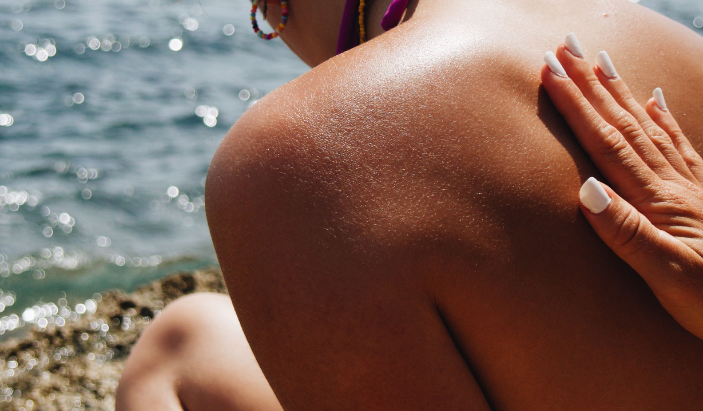
Sunburn vs. Sun Poisoning: How to Tell the Difference and What to Do Next
You spent the day at the lake, maybe a little longer than planned. By evening, your skin is red and tender, and you feel run-down in a way that sleep alone does not seem to fix. Most people chalk that up to a bad sunburn and move on. Sometimes, though, what feels like a rough…
-
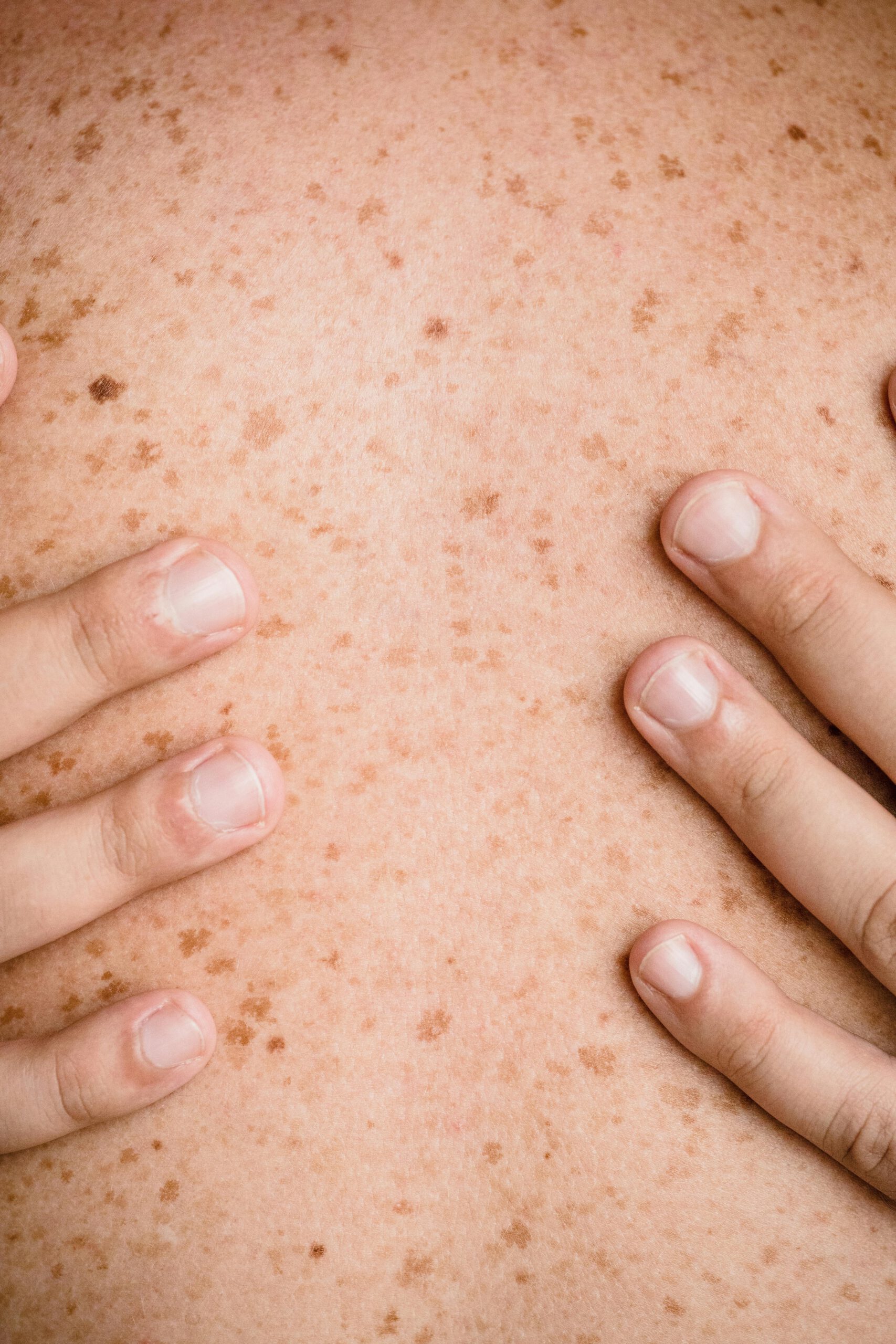
What Is Actinic Keratosis and Can It Turn Into Skin Cancer?
Actinic keratosis (AK) is a rough, scaly patch of skin caused by years of sun exposure, and yes, it can turn into skin cancer. Specifically, untreated actinic keratoses can progress into squamous cell carcinoma (SCC), the second most common type of skin cancer. The progression rate for any individual AK is estimated at about 5%…
-
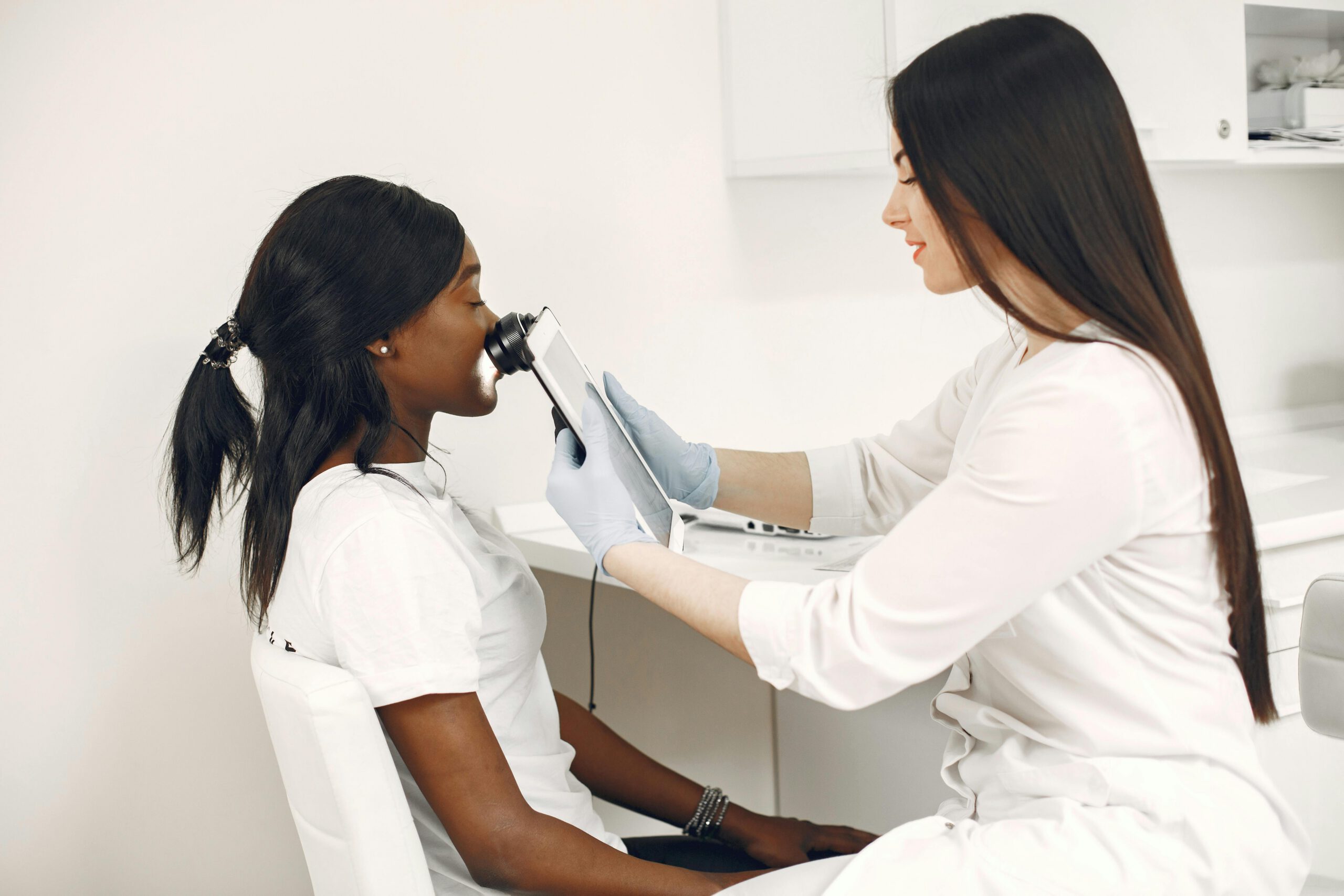
When Should You See a Dermatologist About a Mole?
Most moles are completely harmless, but some can be early signs of melanoma, the most serious form of skin cancer. You should see a dermatologist about a mole if it’s changing in size, shape, or color, if it looks noticeably different from your other moles, if it bleeds or itches without a clear reason, or…
Established 1973 • 3 locations • 5 MDs + 6 NPs + 2 PAs • BBB A+ • Board-certified by the American Board of Dermatology.