

Skin Health Insights: Expert Advice from Kimball’s Dermatology Leaders
Welcome to the Chattanooga Skin and Cancer Clinic blog, your trusted resource for
skin health education and professional advice. As a locally owned practice, we are
dedicated to keeping our community informed.
-
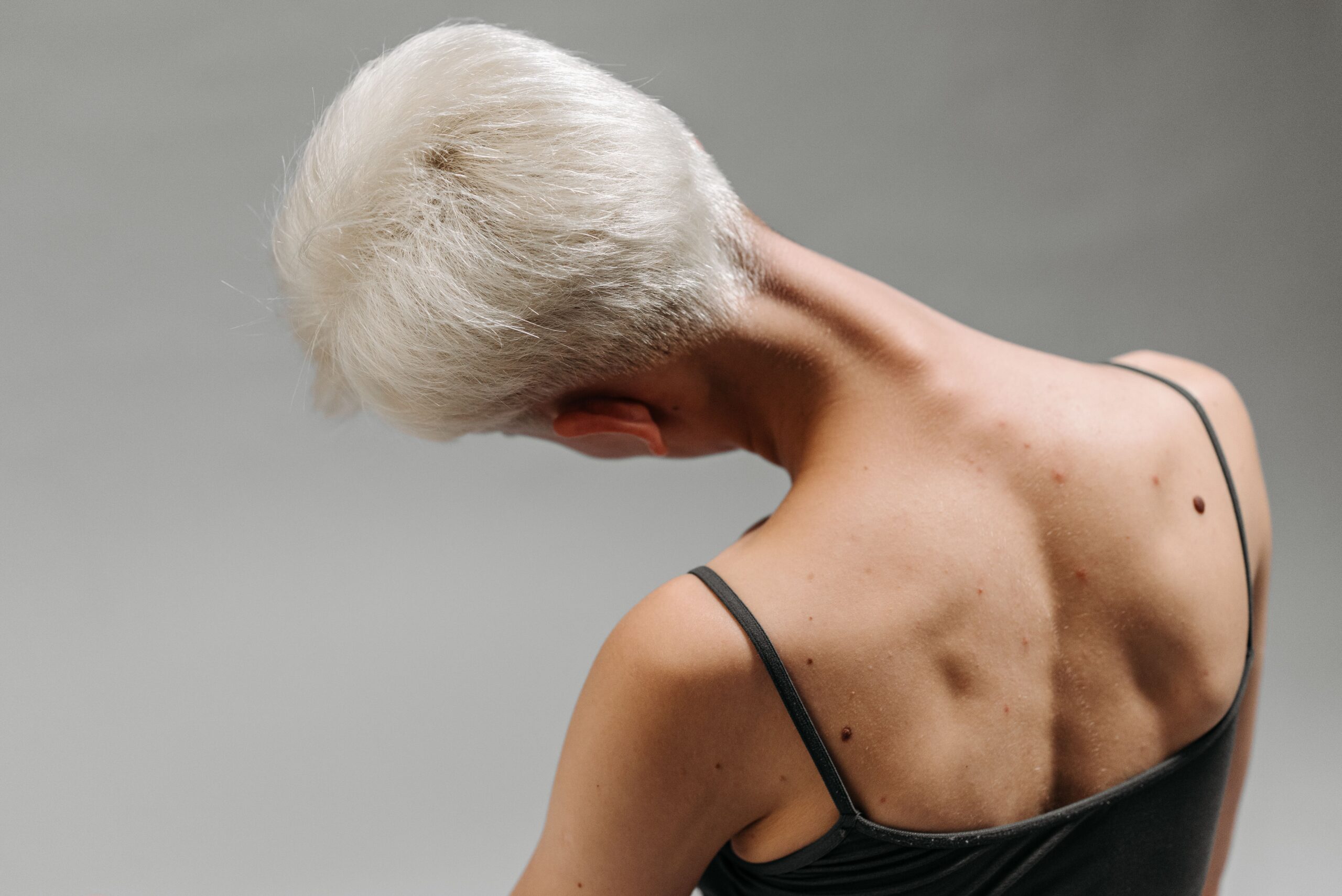
Age Spots vs Skin Cancer: How to Tell the Difference
Age spots vs skin cancer can be challenging to distinguish. After a certain age, brown spots start appearing in places that get the most sun — the backs of the hands, the forearms, the face, the shoulders. For most people, these spots accumulate gradually over years, and they become so familiar that it is easy…
-
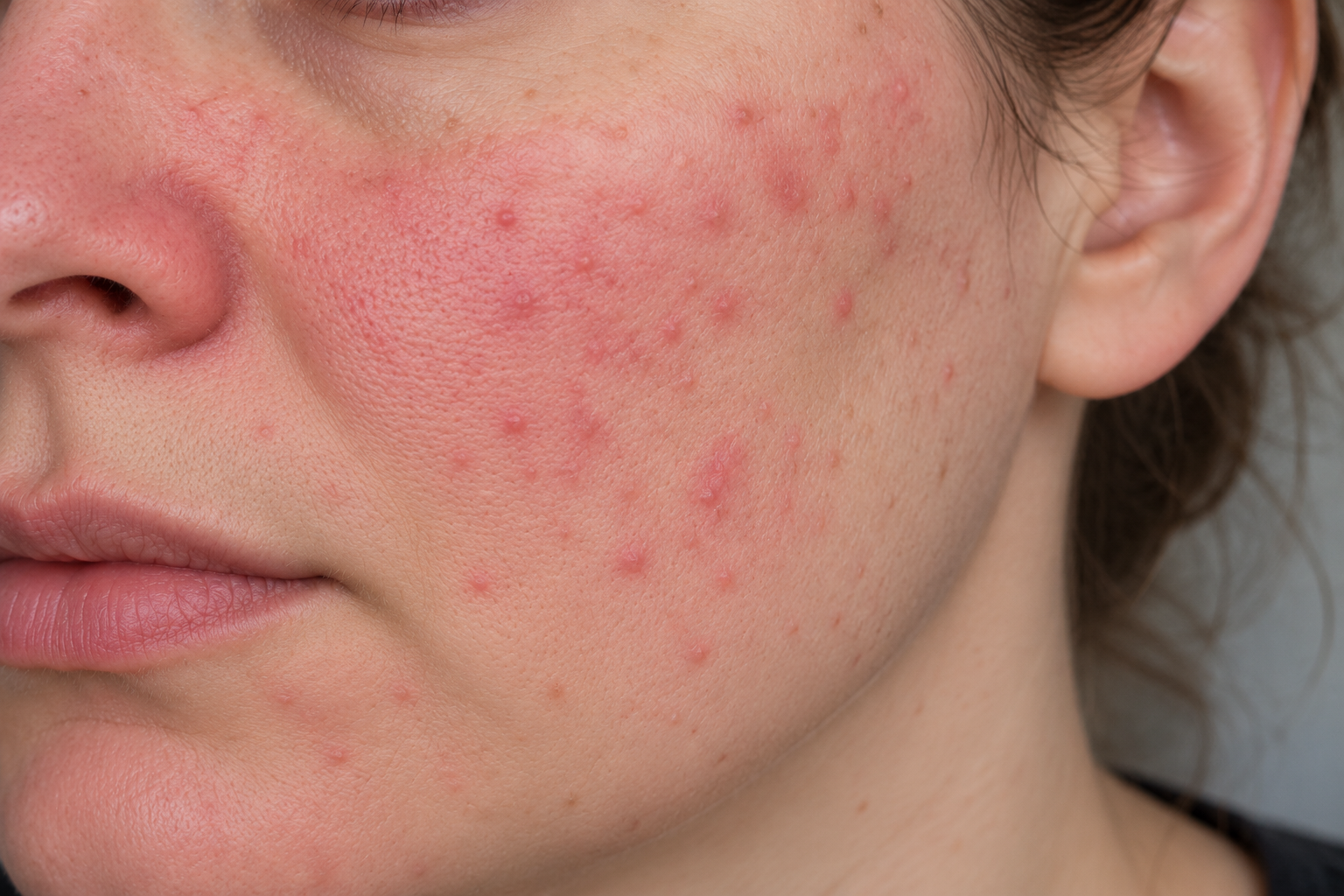
Rosacea Triggers in Cold Weather: How to Protect Your Skin This Fall
If you have rosacea, you already know that certain things make it worse. Spicy food, a glass of red wine, a stressful day. You have probably learned to anticipate some of those triggers and adjust accordingly. But fall and winter bring a set of triggers that are harder to avoid because they are built into…
-

Skin Tags: What They Are, Why They Appear, and When to Have Them Removed
You have noticed a small, soft, flesh-colored growth hanging off your skin. Maybe it is on your neck, tucked into a fold under your arm, or sitting along your eyelid. It does not hurt unless something catches on it, like a necklace or a shirt collar. You have probably wondered whether it is something to…
-
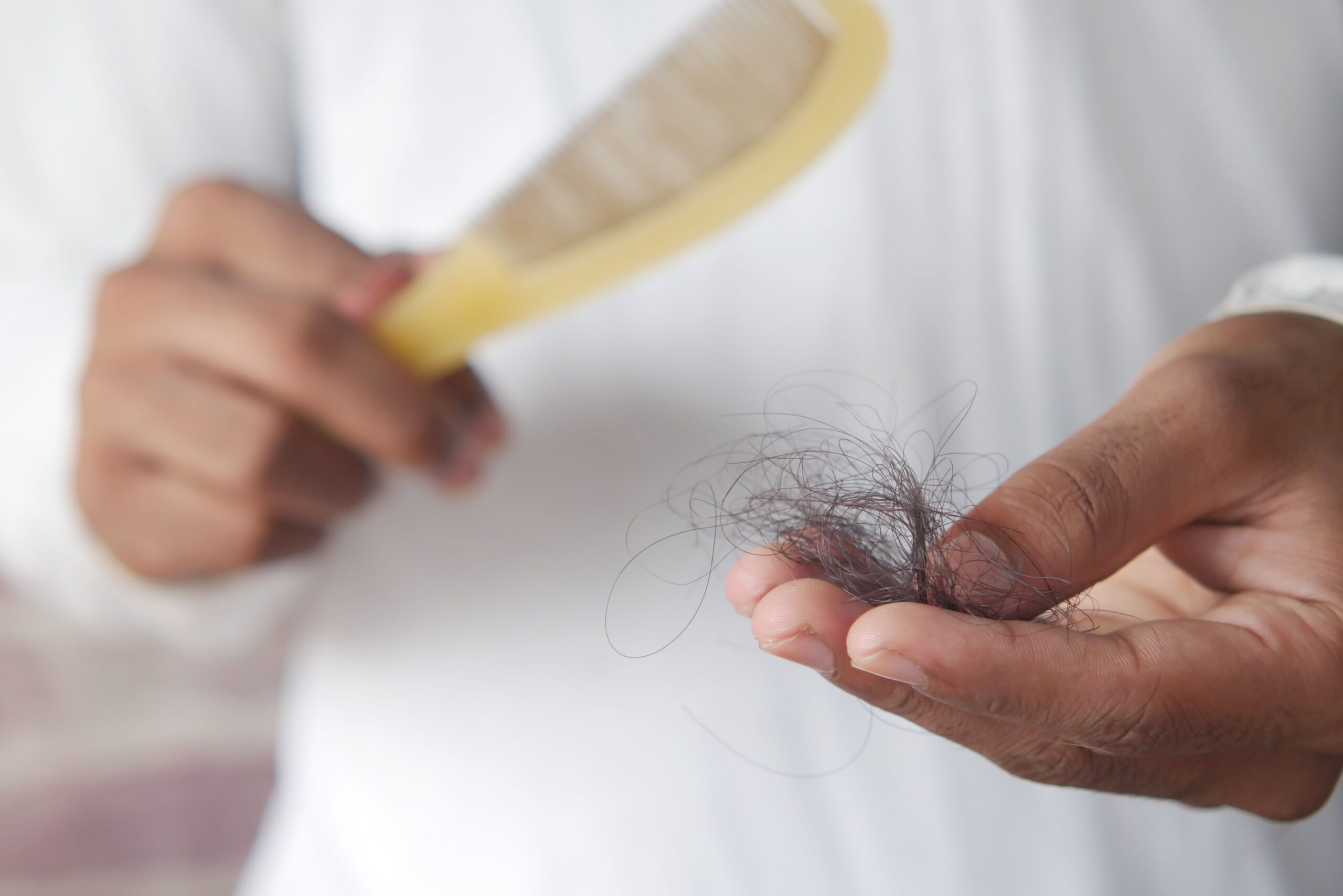
Hair Loss: 5 Hidden Causes and When to See a Dermatologist
Hair loss is one of those concerns people tend to watch quietly for weeks or months before doing anything about it. You notice more strands in the shower drain. Your ponytail feels thinner. A part that used to be narrow is getting wider. You search for answers online and get buried in conflicting advice about…
-
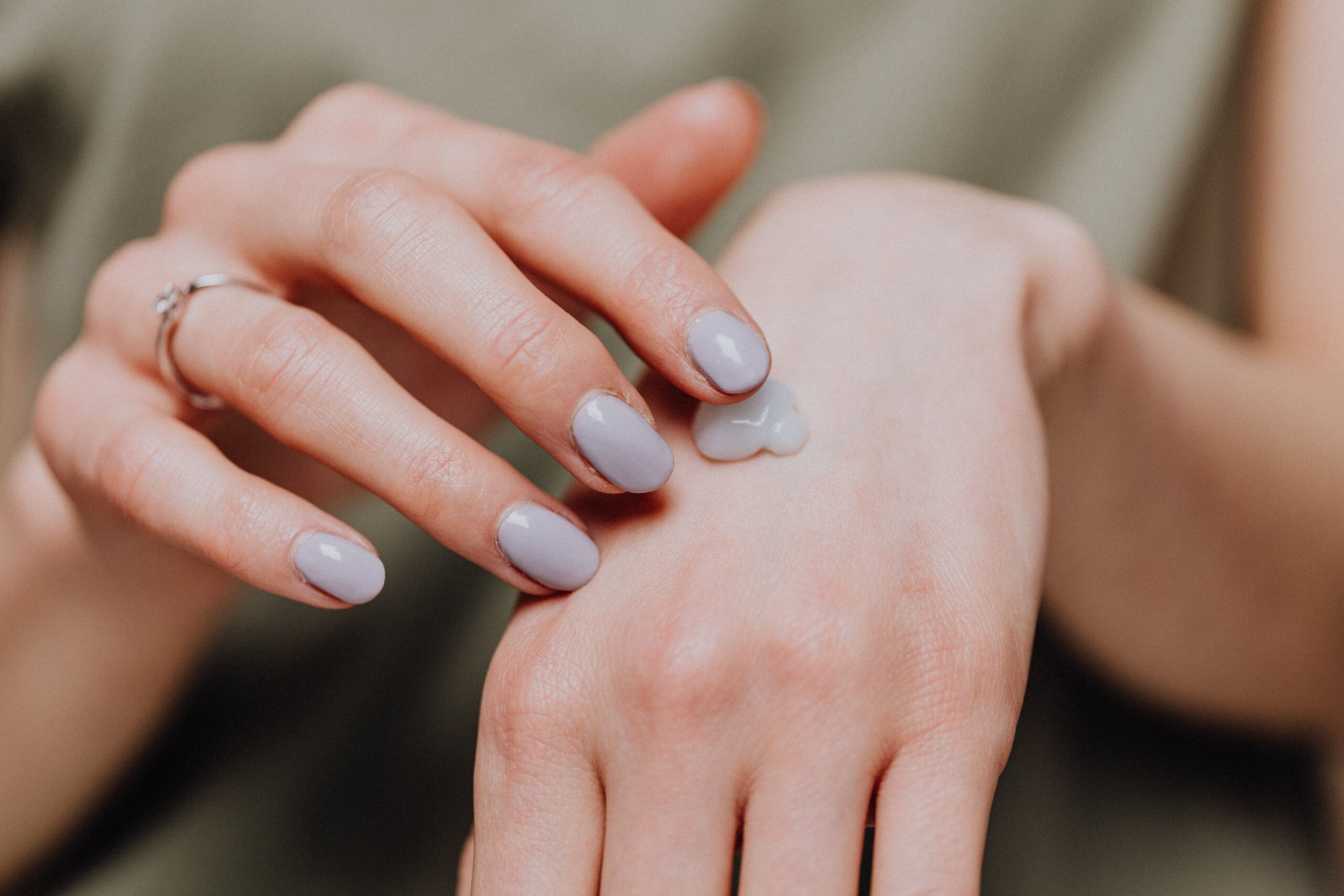
Dry Skin in Fall: What Causes It and How to Get Relief
Dry skin in fall is one of the most common complaints dermatologists hear as the seasons change, and for patients across Marion County, the Sequatchie Valley, Jasper, and South Pittsburg, the shift can feel sudden. One week the air is thick and humid. The next, your skin is tight, flaky, and itching in places it…
-
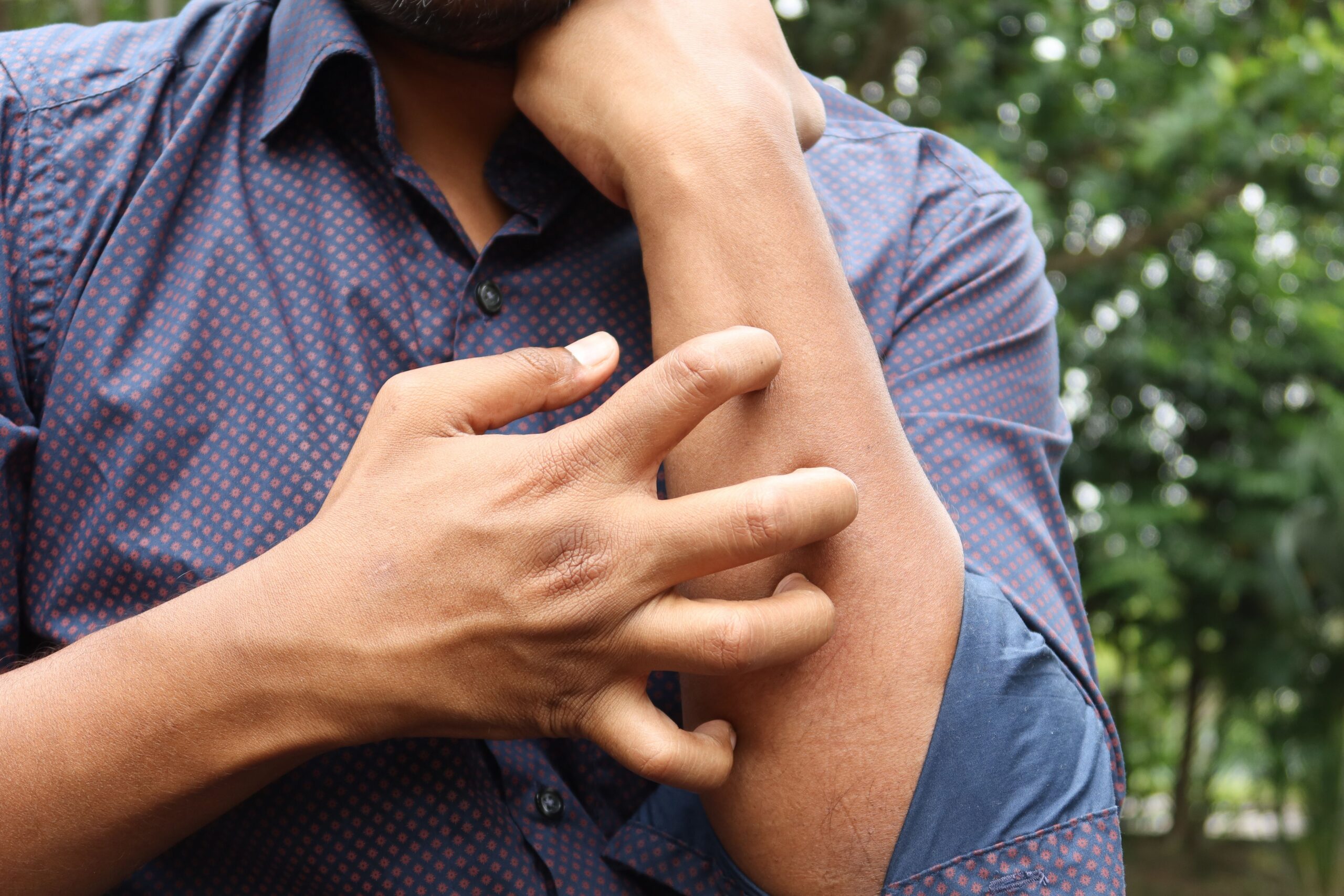
Contact Dermatitis Treatment: 6 Things a Dermatologist Wants You to Know
Contact dermatitis treatment is one of the most frequent reasons patients schedule a dermatology appointment during the late summer and early fall. The rash usually starts the same way: you were outside, you touched something, and now a patch of skin is red, swollen, intensely itchy, and possibly blistering. Maybe it was a brush against…
-
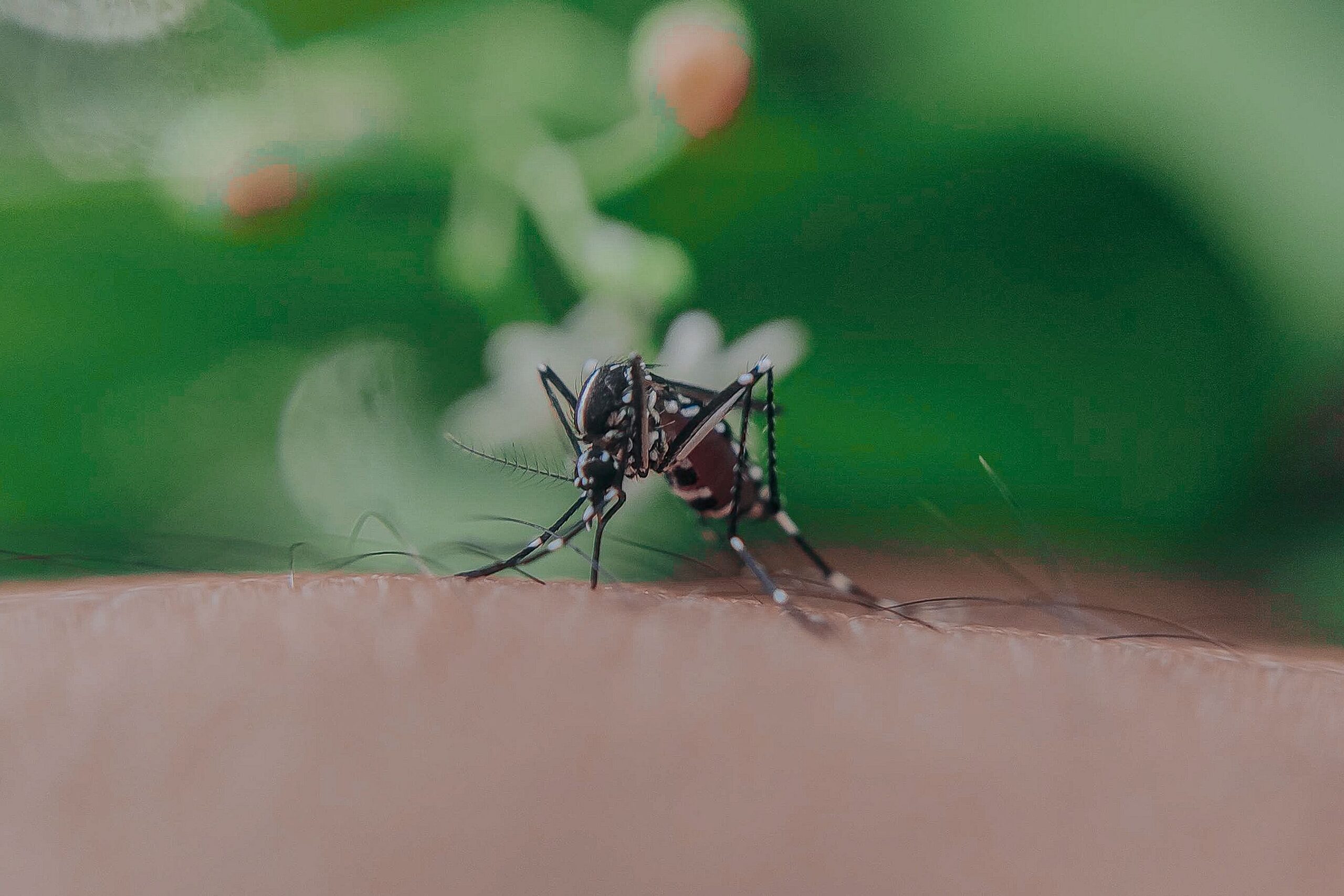
Bug Bite Skin Reactions: When a Bite Needs More Than Home Treatment
A bug bite skin reaction is one of the most common reasons patients visit a dermatologist during the summer months, and in areas like Marion County and the Sequatchie Valley, the variety of biting and stinging insects makes the problem even more frequent. Most bites cause a small red bump that fades in a day…
-
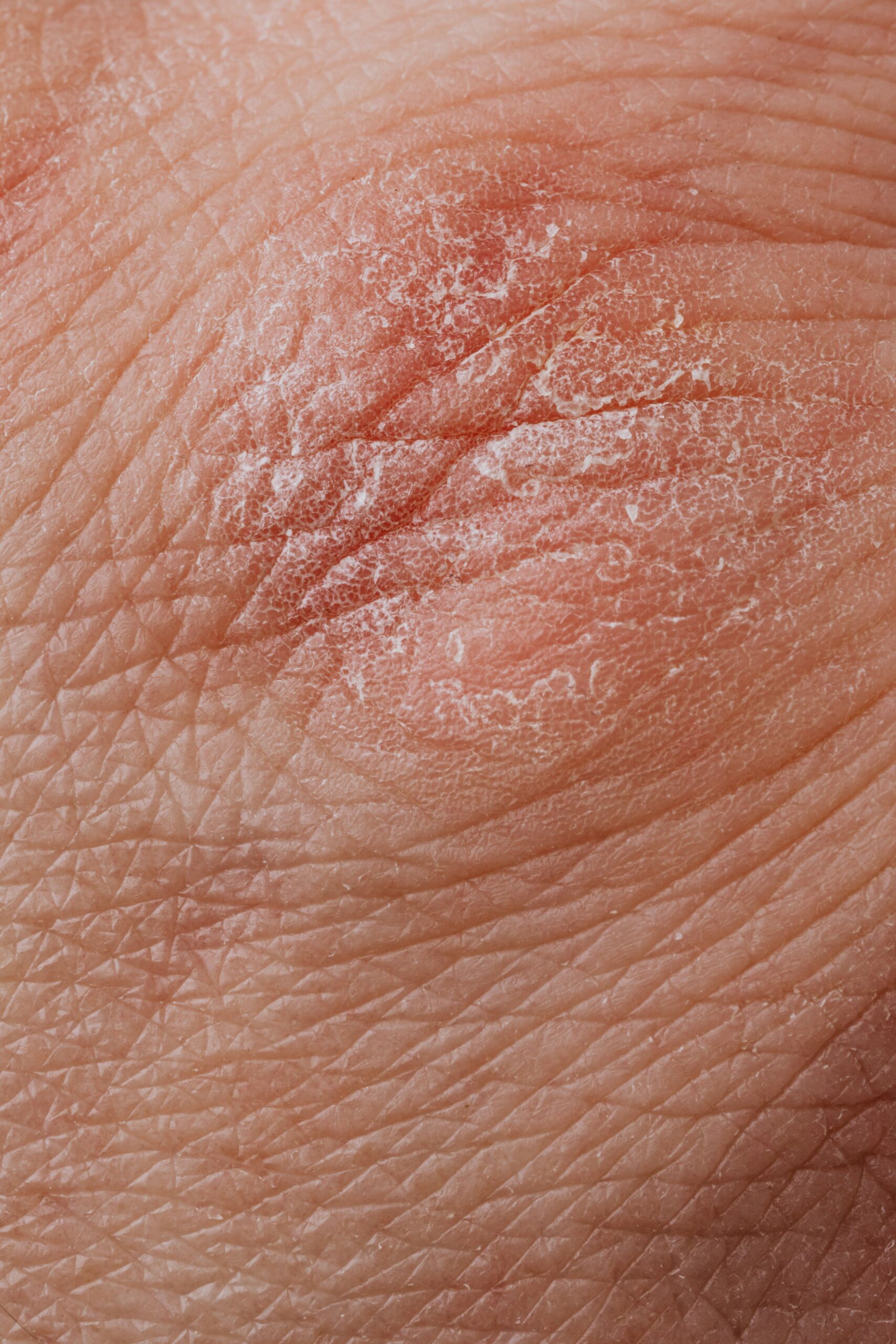
Why Psoriasis and Eczema Flare Up in Summer Heat (and What Really Helps)
A psoriasis eczema summer flare can catch you off guard. Summer is supposed to be the easy season for skin. The humidity rises, the air softens, and for many people dealing with psoriasis or eczema, the warmer months bring welcome relief. But for others, July and August are when things get worse. The heat itself…
-
The Sunscreen Mistakes That Could Be Putting Your Skin at Risk
Sunscreen application mistakes are surprisingly common, and they affect people who are actively trying to protect themselves. You put on sunscreen before heading outside. You feel good about it. But what if the way you are applying it is leaving your skin more exposed than you think? The problem is rarely about skipping sunscreen altogether.…
-
The 4 Types of Rosacea Explained: Which Type Do You Have?
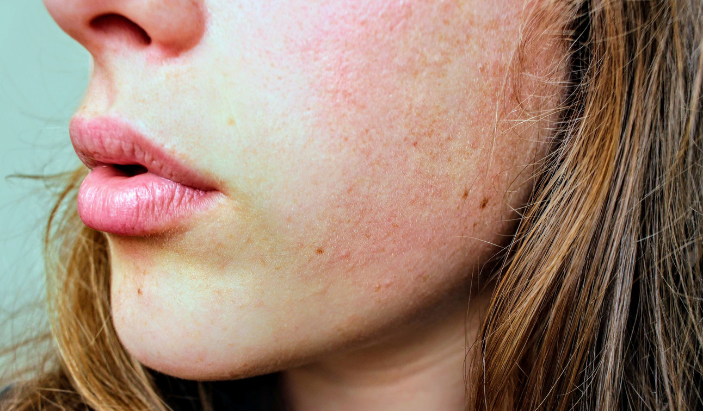
The 4 Types of Rosacea Explained: Which Type Do You Have? Rosacea is one of the most misunderstood skin conditions out there. A lot of people spend years treating what they think is adult acne, dry skin, or sun damage before a dermatologist finally connects the dots. The redness keeps coming back. The skin feels…
-

Eczema in Babies and Toddlers: What Parents Need to Know
Your baby wakes up again at 2 a.m., scratching at the same raw patches of skin on their cheeks and elbows. You’ve tried switching detergents, avoiding certain foods, and slathering on whatever lotion was at the top of the search results. Nothing is really working, and the pediatrician used a word you’ve been reading about…
-
How to Do a Self-Skin Check at Home (and What to Look For)
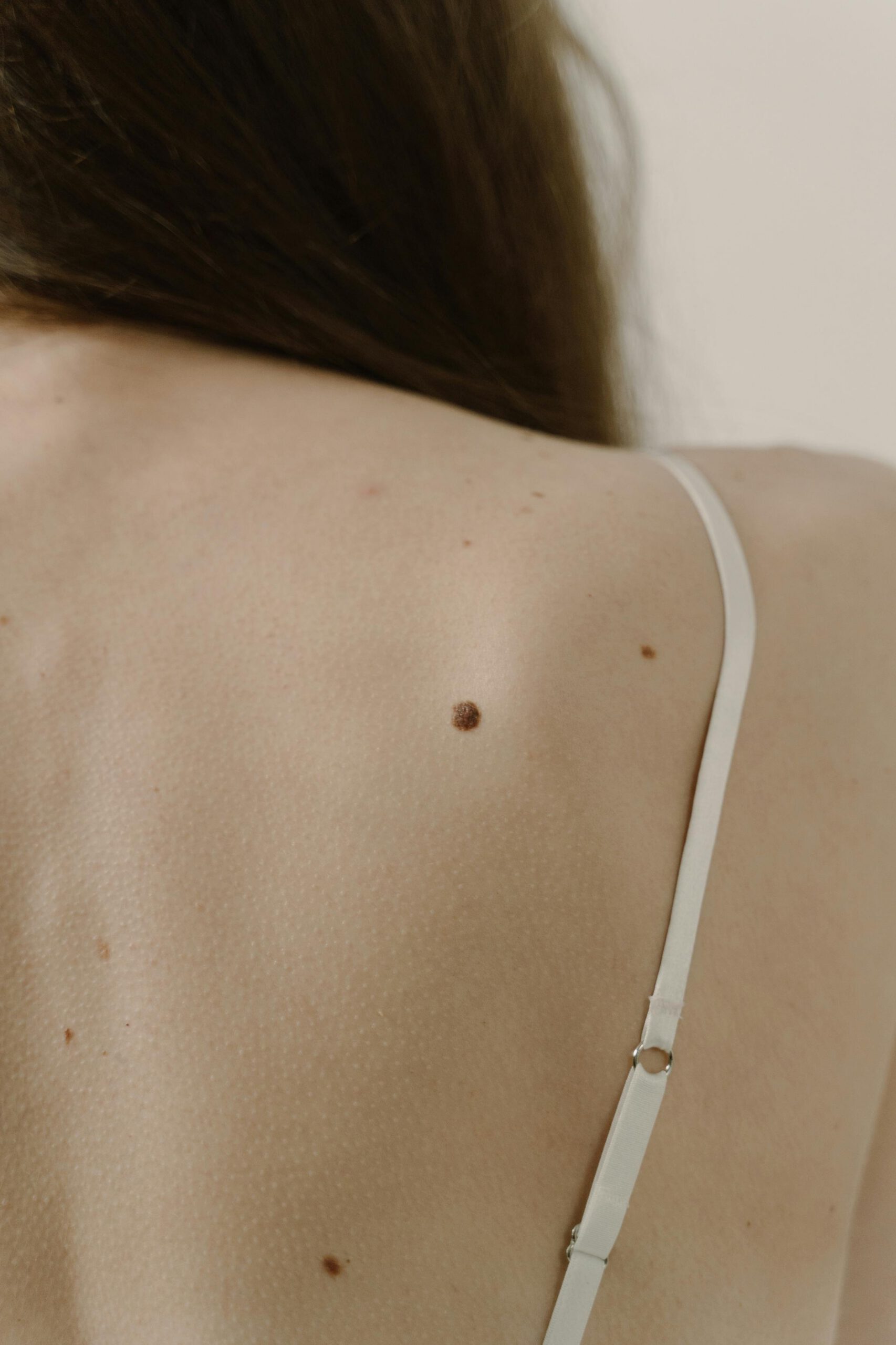
A monthly self-skin check is one of the simplest things you can do to catch skin cancer early, and it takes about 10 minutes. You stand in front of a mirror, examine your skin from head to toe, and look for anything new, changing, or unusual. That’s it. No special equipment required. The reason this…
-

What Is Mohs Surgery and How Does It Work?
Mohs micrographic surgery is a precise, layer-by-layer technique for removing skin cancer while preserving as much healthy tissue as possible. It is considered the gold standard treatment for basal cell carcinoma and squamous cell carcinoma, particularly when tumors are located on the face, ears, hands, or other areas where tissue conservation matters. The procedure boasts…
Established 1973 • 3 locations • 5 MDs + 6 NPs + 2 PAs • BBB A+ • Board-certified by the American Board of Dermatology.