Hair loss is one of those concerns people tend to watch quietly for weeks or months before doing anything about it. You notice more strands in the shower drain. Your ponytail feels thinner. A part that used to be narrow is getting wider. You search for answers online and get buried in conflicting advice about supplements, shampoos, and stress. The reality is that hair loss has a wide range of causes, and most of them are not going to respond to a new shampoo. Some are temporary and fully reversible. Others are progressive and need early intervention to prevent permanent thinning. A board-certified dermatologist is the fastest way to figure out which category yours falls into.
Why Hair Loss Happens More Than People Realize
Losing 50 to 100 hairs a day is normal. Your hair goes through growth cycles, and shedding is a natural part of that process. The problem starts when more hair is falling out than growing back in, or when the hair that does grow back comes in thinner and weaker than before. Hair loss affects men and women of all ages, and it is far more common in women than most people assume. In areas like Marion County, the Sequatchie Valley, Jasper, and South Pittsburg, patients often wait until the thinning is visible to others before seeking help. By then, the underlying cause has usually been active for months. The earlier you address hair loss, the more options you have.
5 Hidden Causes of Hair Loss
1. Telogen effluvium from stress or illness.
This is one of the most common forms of temporary hair loss, and it often catches people off guard because the shedding starts two to three months after the triggering event. A major illness, surgery, childbirth, significant weight loss, or prolonged emotional stress can push a large number of hair follicles into the resting phase at the same time. When those follicles release their hairs simultaneously, the result is alarming but usually reversible. The hair typically regrows on its own once the trigger resolves, but a dermatologist can confirm the diagnosis and rule out other causes.
2. Thyroid imbalances.
Both hypothyroidism and hyperthyroidism can cause hair loss that is diffuse and gradual, meaning you lose volume evenly rather than in patches. Because thyroid-related hair loss develops slowly, it is easy to dismiss as normal aging. A simple blood test can identify a thyroid issue, and once the thyroid is properly managed, hair growth usually resumes. If your hair loss is accompanied by fatigue, weight changes, or sensitivity to temperature, mention these symptoms to your dermatologist.
3. Nutritional deficiencies.
Crash diets and poor nutrition are among the most underdiagnosed causes of hair loss — iron, vitamin D, and protein all play a role.
Iron deficiency is one of the most underdiagnosed causes of hair loss, particularly in women. Low ferritin levels, even when they fall within the technical normal range, can contribute to thinning. Vitamin D deficiency, zinc deficiency, and protein insufficiency can also affect hair growth. Crash diets and restrictive eating patterns are common triggers. A medical dermatology workup can include blood tests to check for these deficiencies so treatment addresses the root cause rather than just the symptom.
4. Hormonal changes.
Androgenetic alopecia, the most common form of progressive hair loss, is driven by hormones and genetics. In men, it typically presents as a receding hairline and crown thinning. In women, it usually appears as a widening part and overall volume loss without a receding hairline. Hormonal shifts during menopause, after stopping birth control, or related to polycystic ovary syndrome (PCOS) can also trigger or accelerate hair loss. These patterns are treatable, especially when caught early, but they require a correct diagnosis first.
5. Scalp conditions.
Thinning at the temples or a widening part are early signs of hair loss that a dermatologist can evaluate before further damage occurs.
An unhealthy scalp can prevent healthy hair growth, and many people do not realize their hair loss is connected to a treatable scalp issue. Seborrheic dermatitis, scalp psoriasis, fungal infections, and folliculitis can all cause inflammation around the hair follicle that disrupts the growth cycle. If your hair loss is accompanied by itching, flaking, redness, or tenderness on the scalp, the scalp condition needs treatment before the hair loss can improve.
What a Dermatologist Can Do About Hair Loss
A dermatologist evaluates hair loss differently than a primary care doctor. The exam typically includes a close inspection of the scalp, an assessment of the pattern and distribution of thinning, and sometimes a pull test or scalp biopsy to confirm the diagnosis. Blood work may be ordered to check for thyroid issues, iron levels, hormonal imbalances, or other systemic causes. Treatment depends entirely on the diagnosis: topical medications like minoxidil for androgenetic alopecia, anti-inflammatory treatments for scalp conditions, nutritional supplementation for deficiencies, or referral for hormonal management when appropriate. The key is getting the right diagnosis, because treating hair loss without knowing the cause wastes time and can allow reversible conditions to become permanent.
When to See a Dermatologist About Hair Loss
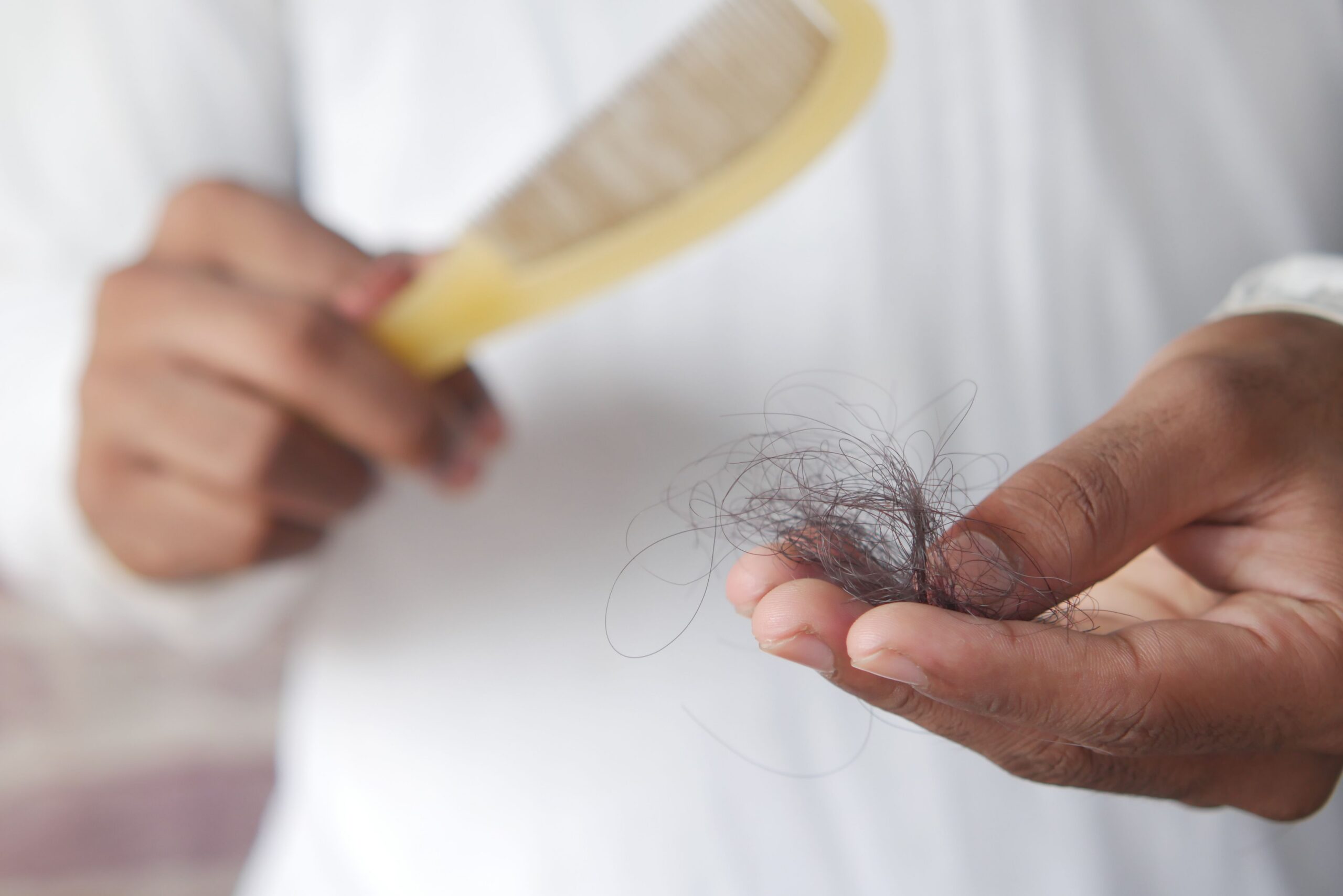
Finding more hair than usual in your brush or shower drain is often the first sign that something beyond normal shedding is going on.
If you are noticing more shedding than usual, a widening part, thinning at the temples or crown, bald patches, or scalp irritation alongside hair loss, schedule an appointment with a board-certified dermatologist. The earlier hair loss is evaluated, the better the outcome. Many forms of hair loss are treatable or reversible when caught before significant follicle damage occurs. Waiting until the thinning is obvious to everyone around you means the condition has been progressing unchecked for months, and recovery takes longer.
Get Answers About Hair Loss in Kimball, TN
The board-certified dermatologists at Chattanooga Skin and Cancer Clinic in Kimball treat all types of hair loss in men and women. Whether you are dealing with sudden shedding, gradual thinning, or scalp symptoms that seem connected, our team can evaluate the cause and recommend a treatment plan that fits your situation.
Chattanooga Skin and Cancer Clinic — Kimball
400 Dixie Lee Center Road, Suite C, Kimball, TN 37347
Phone: 423-815-9975
Hours: Monday through Thursday, 8:00 AM to 4:00 PM (CST). First Friday of each month, 8:00 AM to 11:00 AM (CST).
Dry skin in fall is one of the most common complaints dermatologists hear as the seasons change, and for patients across Marion County, the Sequatchie Valley, Jasper, and South Pittsburg, the shift can feel sudden. One week the air is thick and humid. The next, your skin is tight, flaky, and itching in places it never bothered you during the summer. The temptation is to write it off as a minor inconvenience and wait for it to resolve on its own. Sometimes it does. But for a significant number of people, dry skin in fall is the beginning of a cycle that gets worse as winter approaches, especially if the underlying cause is something more than seasonal dryness.
Why Dry Skin in Fall Happens
The primary driver is a drop in humidity. During the summer months in Southeast Tennessee, humidity levels often hover above 70 percent, which helps keep skin hydrated naturally. When fall arrives, outdoor humidity decreases, and indoor heating begins pulling even more moisture from the air inside your home. Your moisture barrier, a thin layer of oils and lipids that sits on the surface and locks water in, starts losing more than it can retain. The result is dryness, tightness, flaking, and sometimes cracking, especially on the hands, lower legs, and face.
Age plays a role as well. As you get older, your skin produces fewer natural oils, which means the moisture barrier becomes thinner and less effective. Certain medications, including some cholesterol drugs and blood pressure treatments, can also contribute to drier skin. And if you already have a condition like eczema or psoriasis, the seasonal transition can trigger a flare that goes well beyond ordinary dryness.
How to Tell If Your Dry Skin Needs Medical Attention
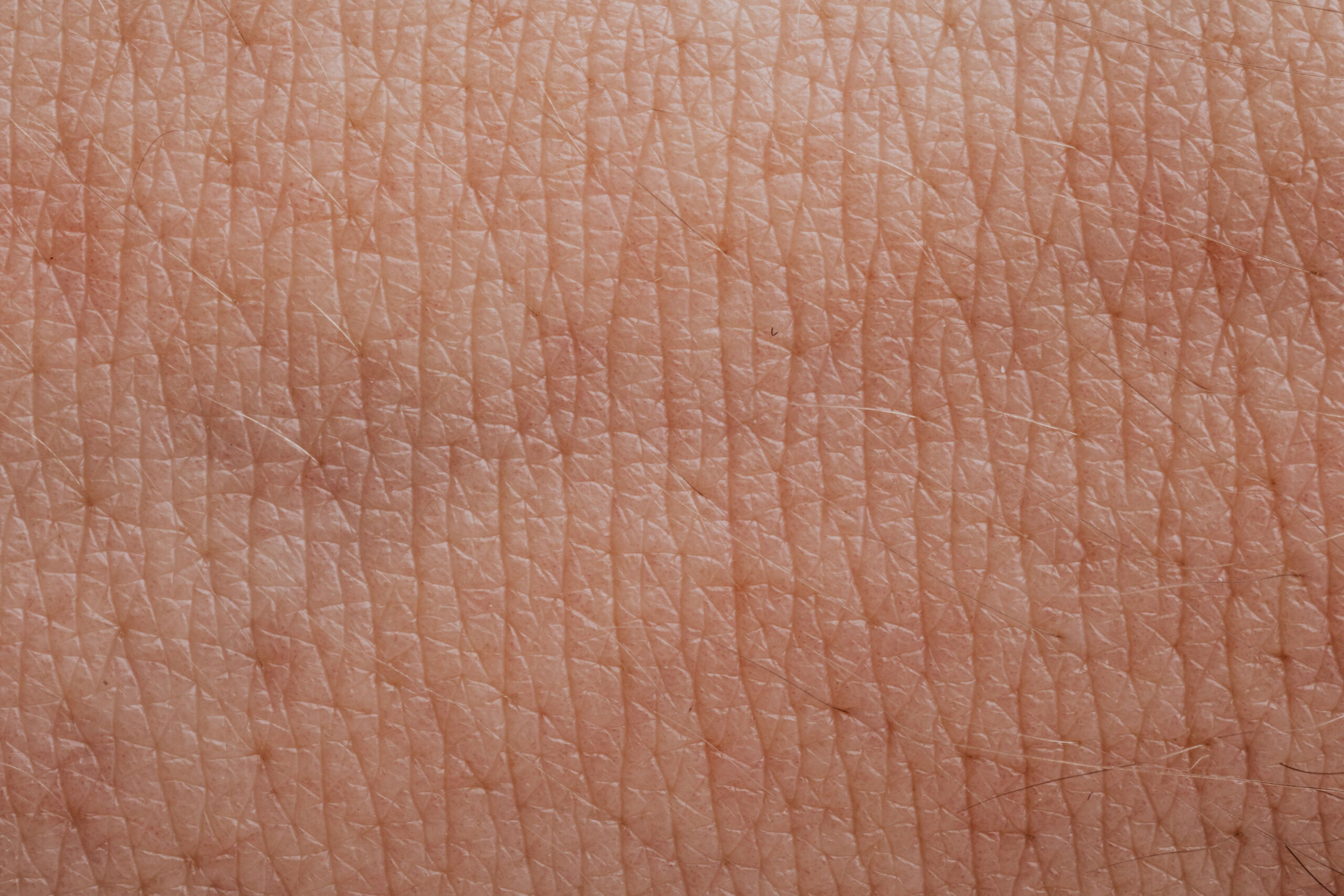
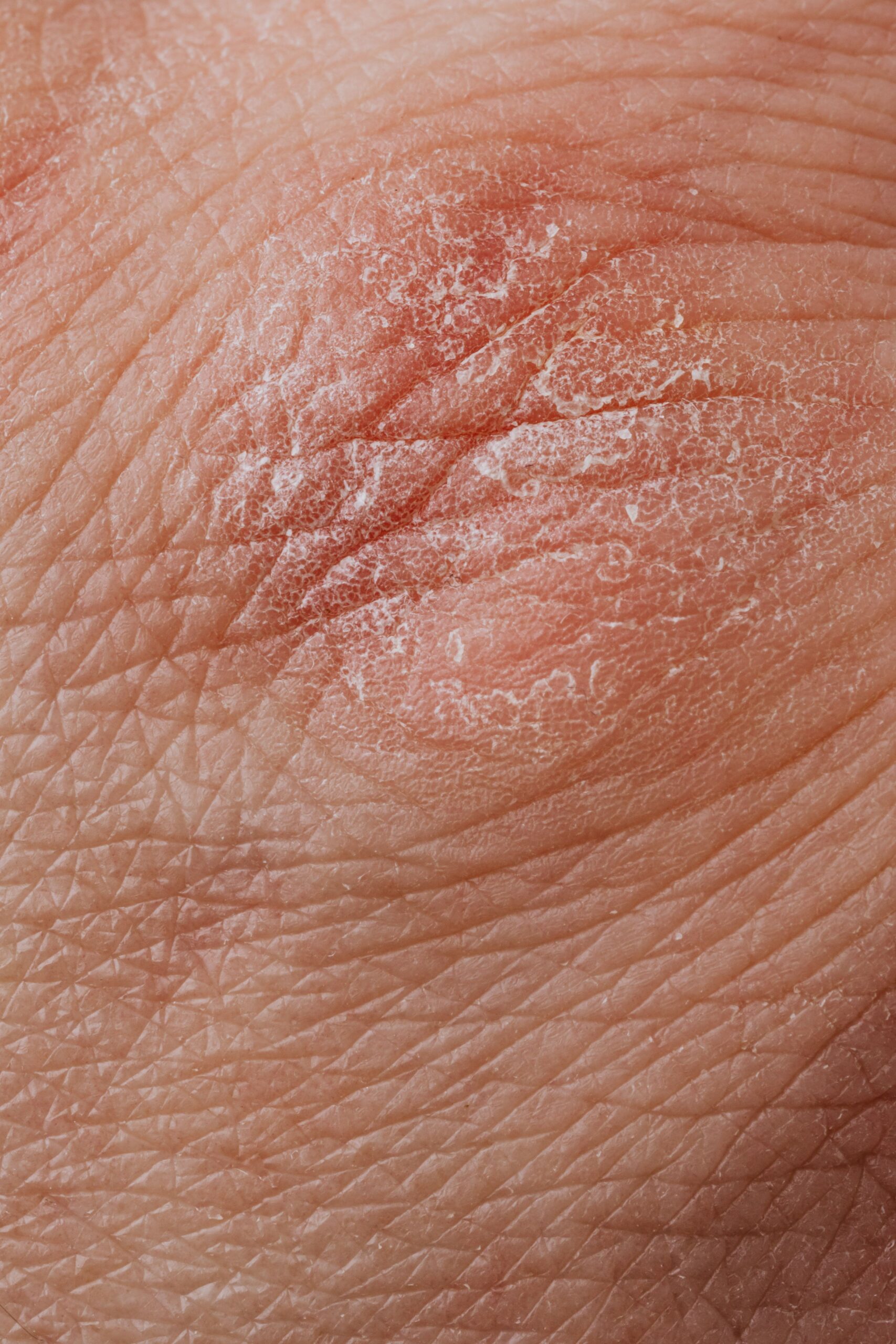
When humidity drops in fall, the skin barrier loses moisture faster than it can retain it, leading to visible dryness and flaking.
Not all dry skin is the same. Mild dryness that responds to a good moisturizer within a few days is normal and manageable at home. But dry skin in fall that cracks, bleeds, develops red or scaly patches, itches intensely enough to disrupt sleep, or does not improve despite consistent moisturizing may indicate an underlying condition that requires evaluation. Rosacea can mimic dry skin on the face. Eczema often presents as dry, itchy patches that return to the same locations season after season. Psoriasis produces thick, silvery scales that look like severe dryness but do not respond to standard moisturizers. A board-certified dermatologist can distinguish between these conditions and recommend the right treatment plan, saving you from months of guessing with over-the-counter products that are not addressing the real issue.
6 Ways to Manage Dry Skin in Fall
1. Switch to a cream-based moisturizer.
Lotions are lighter and absorb quickly, which makes them ideal for summer. But when humidity drops, your skin needs something heavier. Cream-based moisturizers with ceramides, shea butter, or petrolatum create a stronger seal over the skin and prevent water loss more effectively. Apply within a few minutes of bathing while skin is still slightly damp to trap the moisture.
2. Take shorter, lukewarm showers.
Hot showers feel great when the weather cools down, but they strip the natural oils from your skin faster than almost anything else. Keep showers under 10 minutes and use warm, not hot, water. This single change can make a noticeable difference in how your skin feels within a week.
3. Use a humidifier in your home.
Running a humidifier indoors is one of the most effective ways to combat dry skin in fall as heating systems strip moisture from the air.
Once your furnace or heat pump kicks on, the air inside your home dries out quickly. A humidifier in your bedroom can maintain moisture levels between 40 and 50 percent, which supports your skin barrier while you sleep. This is especially helpful for people whose dry skin in fall worsens at night or first thing in the morning.
4. Choose gentle, fragrance-free cleansers.
Harsh soaps and body washes with added fragrances, dyes, or sulfates can irritate already-dry skin and break down the moisture barrier further. Switch to a gentle, fragrance-free cleanser for both face and body. If you have been using an exfoliating wash, reduce frequency to once or twice a week until your skin stabilizes.
5. Protect your hands and lips.
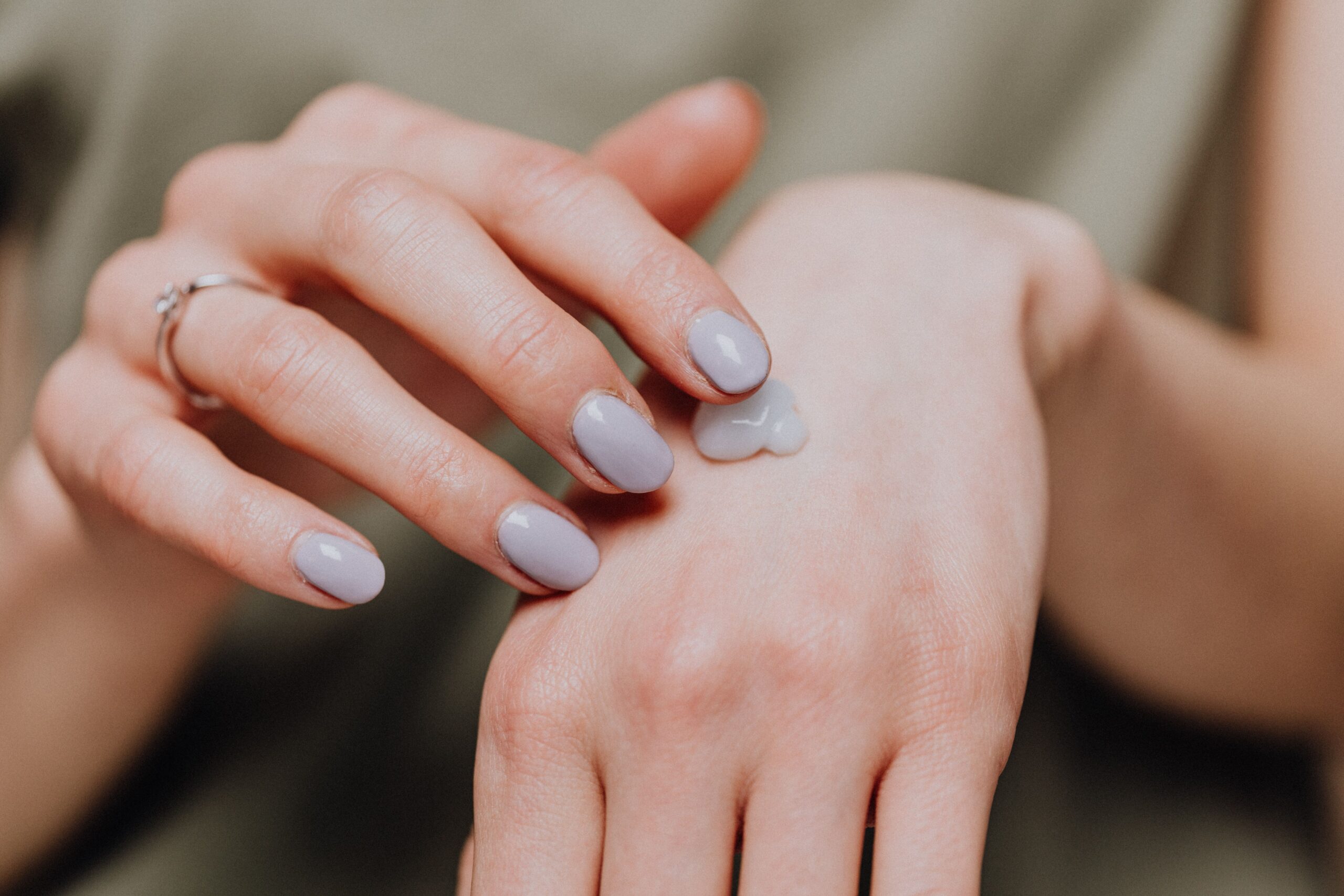
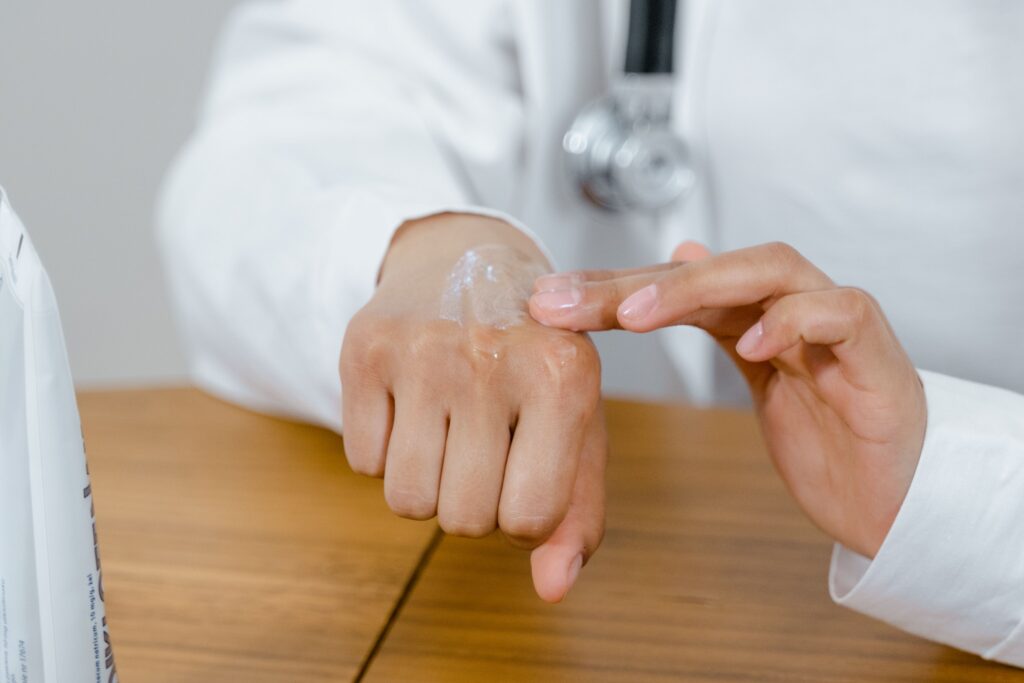
The hands are one of the first places dry skin in fall shows up — applying cream throughout the day helps protect this vulnerable area.
The skin on your hands and lips is thinner and more vulnerable to drying out. Wear gloves when the temperature drops and apply a thick hand cream multiple times throughout the day. For lips, use a balm with beeswax or petrolatum rather than flavored lip products that can actually increase dryness.
6. Continue wearing sunscreen.
Sun protection is not a summer-only concern. UV rays remain strong enough in early fall to damage the skin barrier and worsen dryness. A moisturizing sunscreen with SPF 30 or higher does double duty: it protects against UV damage and adds a layer of hydration. Your dermatologist can help you find a formula that works with dry or sensitive skin.
When Dry Skin in Fall Is Something More
If your dry skin in fall does not improve after two to three weeks of consistent moisturizing, or if it is accompanied by intense itching, redness, swelling, open cracks, or bleeding, it is time to see a dermatologist. These symptoms may point to eczema, psoriasis, contact dermatitis, or another condition that needs medical dermatology treatment beyond what over-the-counter products can provide. The goal is not to live with it. The goal is to figure out what is actually going on so you can treat it properly and prevent it from coming back every year.
Get Help for Dry Skin in Kimball, TN
The board-certified dermatologists at Chattanooga Skin and Cancer Clinic in Kimball serve patients throughout Marion County, the Sequatchie Valley, Jasper, and South Pittsburg. Whether your dry skin is a seasonal nuisance or a sign of something that needs professional treatment, our team can help you find the right solution.
Chattanooga Skin and Cancer Clinic — Kimball
400 Dixie Lee Center Road, Suite C, Kimball, TN 37347
Phone: 423-815-9975
Hours: Monday through Thursday, 8:00 AM to 4:00 PM (CST). First Friday of each month, 8:00 AM to 11:00 AM (CST).
Contact dermatitis treatment is one of the most frequent reasons patients schedule a dermatology appointment during the late summer and early fall. The rash usually starts the same way: you were outside, you touched something, and now a patch of skin is red, swollen, intensely itchy, and possibly blistering. Maybe it was a brush against a vine while clearing brush. Maybe it was a new laundry detergent or a pair of gloves you wore for the first time. Whatever the trigger, the result is the same: inflamed skin that demands attention and does not resolve as quickly as you expected.
The frustrating part is that contact dermatitis can look like a dozen other skin conditions. Patients often treat it as eczema, a fungal infection, or an allergic reaction to food before they ever identify the real cause. A board-certified dermatologist can pinpoint the trigger, determine whether the reaction is irritant or allergic in nature, and recommend a contact dermatitis treatment plan that addresses the specific cause rather than just masking the symptoms.
What Is Contact Dermatitis?
Contact dermatitis is an inflammatory skin reaction that occurs when your skin comes into direct contact with a substance that either damages it or triggers an immune response. It is not contagious, it is not caused by poor hygiene, and it can happen to anyone regardless of skin type or history. There are two main types, and they behave differently.
Irritant contact dermatitis is the more common form. It occurs when a substance directly damages the outer layer of skin. Common culprits include harsh soaps, cleaning products, solvents, bleach, rubbing alcohol, prolonged water exposure, and even friction from rough materials. The reaction usually develops within hours of exposure and tends to stay localized to the area that made contact. People who work with their hands, whether in cleaning, construction, food service, or gardening, are especially prone to this type.
Allergic contact dermatitis is an immune-mediated reaction. Your immune system identifies a specific substance as a threat and launches an inflammatory response every time your skin encounters it. The most well-known example is the rash caused by poison ivy, poison oak, and poison sumac, all of which contain an oil called urushiol that triggers an allergic reaction in roughly 85 percent of people. Other common allergens include nickel found in jewelry and belt buckles, fragrances in personal care products, preservatives in cosmetics, latex, and certain topical medications including neomycin. This type of reaction can take 12 to 72 hours to appear, which makes identifying the trigger much harder.
Why Contact Dermatitis Is So Common in Late Summer
Late summer is when dermatologists see a spike in contact dermatitis cases, and the reasons line up with how people spend their time. Yards and properties get cleared before fall. Gardens are harvested. Hiking and outdoor recreation are at their peak. All of this means more skin-to-plant contact, more exposure to soil and sap, and more encounters with poison ivy, which thrives in wooded and overgrown areas across Southeast Tennessee.
Poison ivy rashes are particularly common because urushiol oil is extraordinarily potent. An amount smaller than a grain of salt can cause a full-blown reaction. The oil can linger on clothing, garden tools, pet fur, and shoes for months, meaning you do not have to touch the plant directly to develop the rash. Many patients come in with a rash and swear they were nowhere near poison ivy, only to discover that the oil transferred from a pair of gloves or from their dog.
Heat and sweat compound the problem. Perspiration can intensify skin irritation and make the barrier more vulnerable to both irritants and allergens. Products that your skin tolerated fine in the winter, such as a particular sunscreen or insect repellent, can suddenly cause a reaction when applied to hot, sweaty skin.
How to Tell If You Need Contact Dermatitis Treatment From a Dermatologist
Mild cases of contact dermatitis often resolve on their own within two to three weeks once you stop touching the substance that caused the reaction. Cool compresses, over-the-counter hydrocortisone cream, and an oral antihistamine for itching are reasonable first steps.
However, there are several situations where professional contact dermatitis treatment is necessary. If the rash covers a large area of your body, involves your face, eyes, or genitals, or is producing significant blistering, you should see a dermatologist. A rash that is getting worse instead of better after a week of home care also warrants evaluation. Signs of infection, including increasing pain, warmth, swelling, pus, or red streaks spreading from the rash, require prompt medical attention.
Patients who experience recurring episodes of contact dermatitis should also see a dermatologist, even if each individual episode seems manageable. Repeated reactions suggest an ongoing allergen exposure that needs to be identified, and a dermatologist can perform patch testing to pinpoint exactly which substances are triggering the immune response.
How a Dermatologist Diagnoses Contact Dermatitis
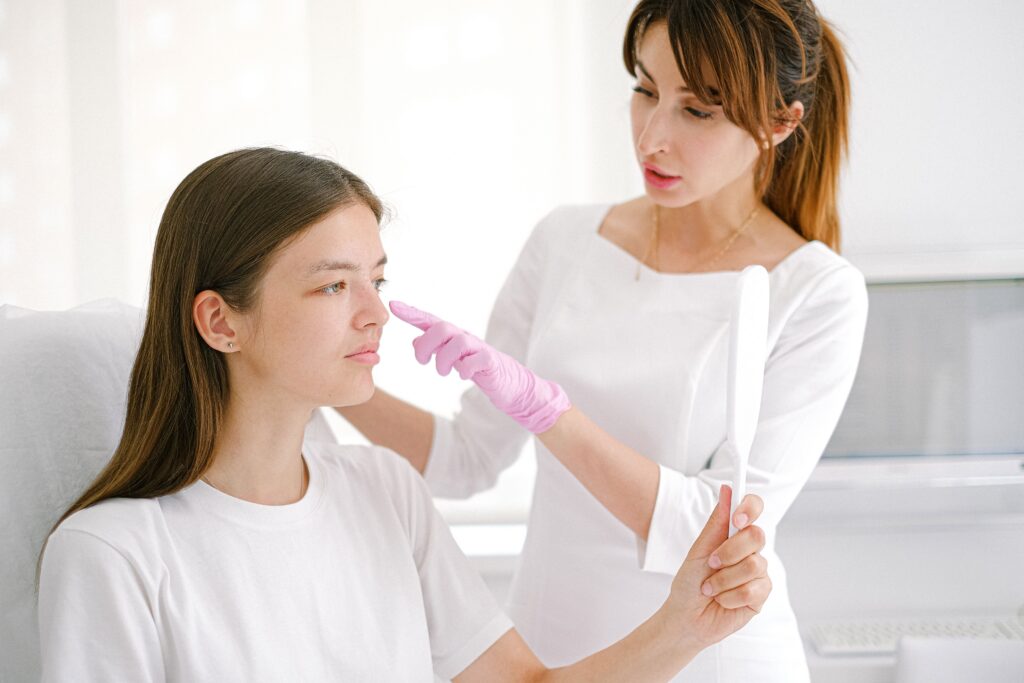
A dermatologist examines a patient’s skin to determine whether the reaction is caused by an irritant or an allergen and recommend the right treatment.
Diagnosis starts with a thorough history. Your dermatologist will ask when the rash appeared, where it started, what products you use on your skin, what you were doing in the hours and days before the reaction, and whether you have had similar episodes in the past. The pattern of the rash itself provides important clues. A linear, streaky pattern often points to plant contact. A rash that follows the line of a waistband, watchband, or necklace suggests a metal or fabric allergen. A rash that appears on both hands symmetrically often indicates an irritant related to work or household products.
When the trigger is not immediately obvious or when a patient has recurring reactions, patch testing is the gold standard diagnostic tool. This involves applying small amounts of common allergens to adhesive patches, placing them on the patient’s back, and reading the results after 48 and 96 hours. Patch testing can identify specific allergies to metals, fragrances, preservatives, rubber chemicals, and dozens of other substances. Once the allergen is identified, the dermatologist can provide a comprehensive list of products and materials to avoid, which is often more effective than any medication at preventing future flares.
Contact Dermatitis Treatment Options
The right contact dermatitis treatment depends on the severity and type of reaction. For mild to moderate cases, prescription-strength topical corticosteroids are the first-line treatment. These are significantly more effective than over-the-counter hydrocortisone and can reduce inflammation, itching, and blistering within days. Your dermatologist will select the appropriate strength based on the location and severity of the rash, since thinner skin on the face and skin folds requires a milder formulation than thicker skin on the arms or legs.
For severe or widespread reactions, a short course of oral corticosteroids may be necessary. This is common with extensive poison ivy rashes that cover large areas or affect the face. The oral medication works systemically to calm the immune response. It is important to complete the full course as prescribed, because stopping too early often leads to a rebound flare that can be worse than the original rash.
In cases where the skin barrier has been significantly compromised, your dermatologist may also recommend barrier repair strategies, including specific moisturizers, gentle cleansers, and temporary changes to your skin care routine to allow the skin to heal completely before reintroducing other products.
For patients with confirmed allergic contact dermatitis, long-term management centers on allergen avoidance. Once patch testing identifies the specific trigger, your dermatologist will help you understand where that substance commonly appears, which product labels to read, and what alternatives are available.
Preventing Contact Dermatitis
Gardening or doing yard work without gloves increases your exposure to soil irritants and plants like poison ivy that can trigger contact dermatitis.
Prevention is straightforward once you know what to avoid. For plant-related reactions, wearing long sleeves, pants, and gloves when working in wooded or overgrown areas provides a physical barrier. Washing skin with soap and water within 15 to 30 minutes of suspected exposure to poison ivy can remove urushiol oil before the reaction sets in. Wash clothing, tools, and pet fur separately after outdoor work, since the oil does not break down on its own.
For irritant contact dermatitis, wearing appropriate protective gloves when handling cleaning products, solvents, or chemicals is essential. Switching to fragrance-free, dye-free soaps, detergents, and personal care products can eliminate a surprising number of triggers. If you work with your hands in wet conditions, applying a barrier cream before starting and moisturizing thoroughly afterward helps protect the skin.
For nickel allergies, which are among the most common contact allergies, choosing jewelry, belt buckles, and eyeglass frames made from surgical-grade stainless steel, titanium, or platinum avoids the trigger entirely.
Schedule an Appointment
If you have a rash that will not go away, keeps coming back, or is severe enough to disrupt your daily life, a dermatologist can identify the cause and put together the right contact dermatitis treatment plan. The board-certified dermatologists at Chattanooga Skin and Cancer Clinic have been caring for patients across the Tennessee Valley since 1973. Our Kimball office is located at 400 Dixie Lee Center Road, Suite C, Kimball, TN 37347, and is open Monday through Thursday, 8:00 a.m. to 4:00 p.m. CST, and the first Friday of each month from 8:00 a.m. to 11:00 a.m. CST. Visit our contact page to request an appointment or call 423-815-9975 to schedule.
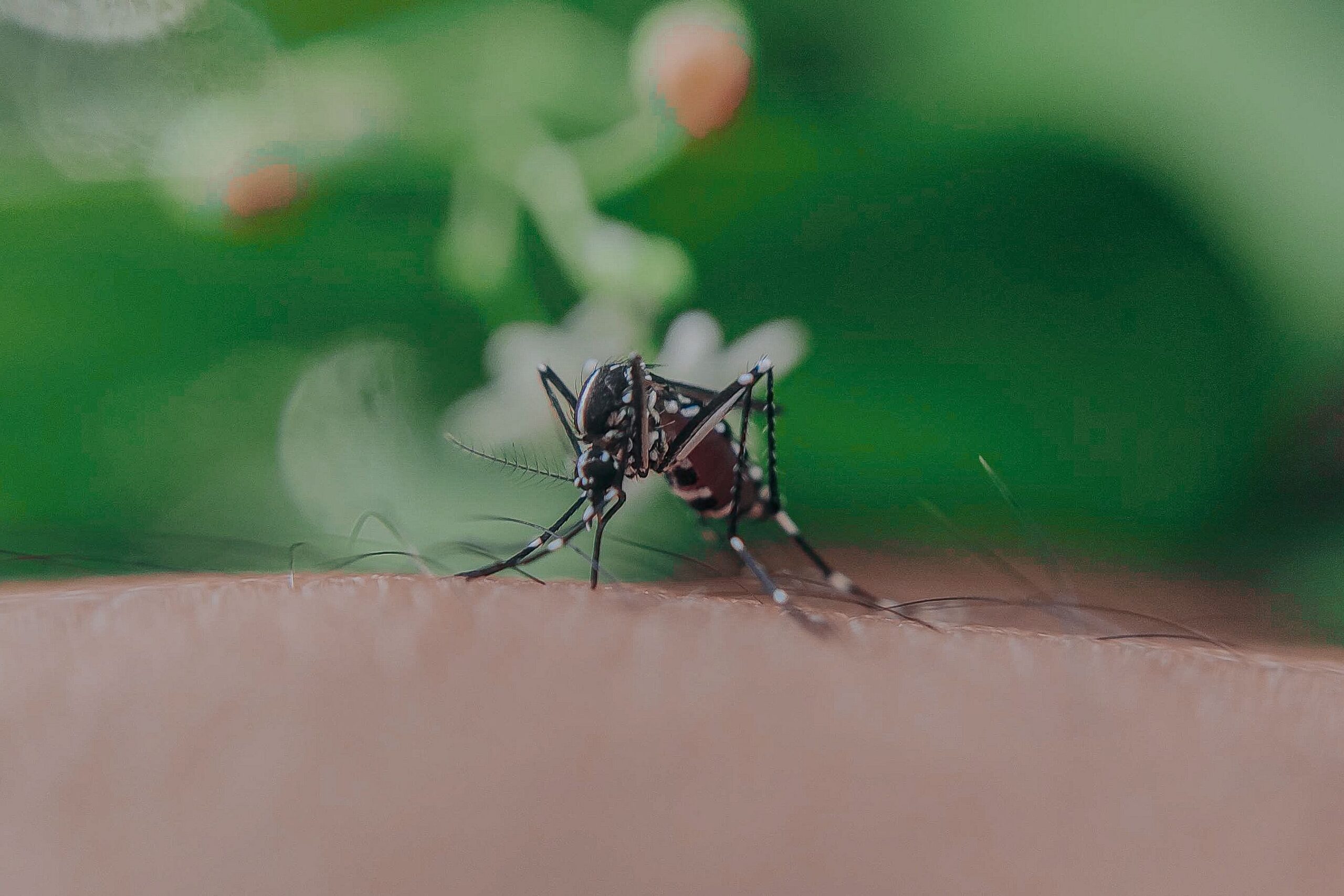
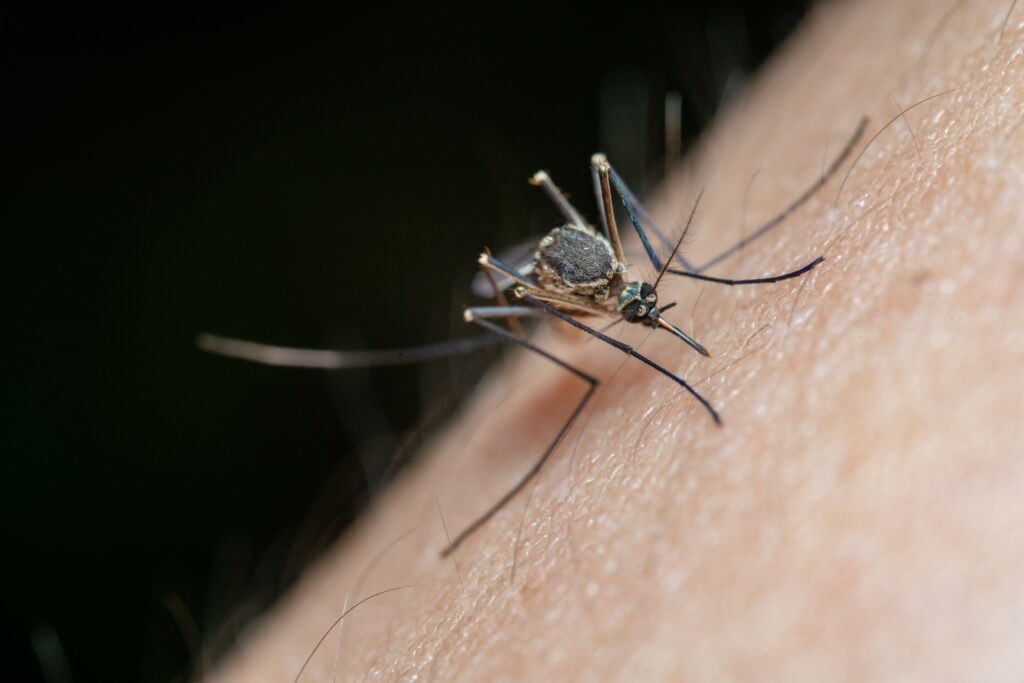
A bug bite skin reaction is one of the most common reasons patients visit a dermatologist during the summer months, and in areas like Marion County and the Sequatchie Valley, the variety of biting and stinging insects makes the problem even more frequent. Most bites cause a small red bump that fades in a day or two. But some reactions swell far beyond the bite itself, blister, spread, or refuse to heal, and that is when a visit to a medical dermatology provider can save you weeks of discomfort or prevent a real complication.
If you spend any time outdoors in Southeast Tennessee between June and September, you have probably dealt with at least one bite that seemed worse than it should be. This article covers the types of bug bite skin reactions our dermatologists treat regularly, how to tell a normal reaction from one that needs medical attention, and what you can do at home versus what requires a clinic visit.
What Causes a Bug Bite Skin Reaction?
When an insect bites or stings, it introduces saliva, venom, or other foreign proteins into your skin. Your immune system responds by releasing histamine and other chemicals to the area, and that response is what creates the itch, redness, and swelling you feel afterward. In most cases, this is a localized reaction that resolves on its own.
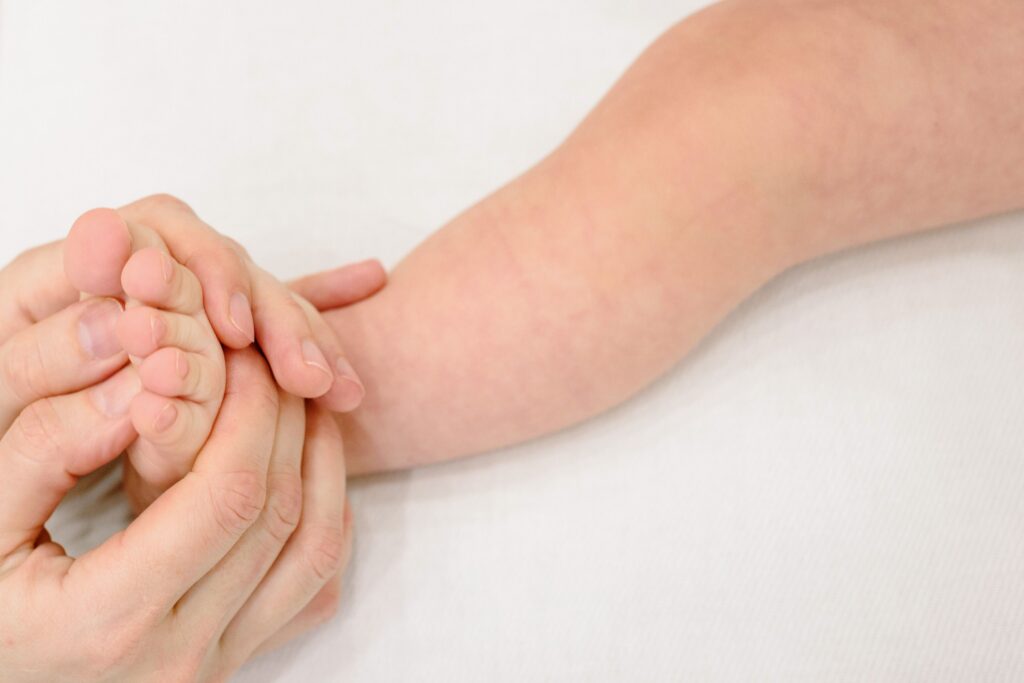
A bug bite skin reaction becomes a concern when the immune response goes beyond what is typical. Some people develop large local reactions where swelling extends several inches from the bite. Others experience delayed reactions that do not appear until 24 to 48 hours later, making it harder to connect the symptoms to an insect encounter. Children and people with sensitive skin or existing conditions like eczema tend to react more strongly, and repeated exposure to certain insects can actually make reactions worse over time rather than building tolerance. Patients already managing summer flares of psoriasis or eczema may find that insect bites compound their symptoms and make an already difficult season harder to manage.
Common Insect Bites in the Kimball and Sequatchie Valley Area
The insects you encounter in Southeast Tennessee depend on where you spend your time. Patients who visit our Kimball office frequently report reactions from mosquitoes, fire ants, chiggers, ticks, wasps, and spiders. Each of these produces a distinct type of bug bite skin reaction, and knowing the difference can help you decide how to respond.
Mosquito bites are the most familiar. They usually produce a raised, itchy welt that resolves within a few days. However, some patients, particularly young children, develop a condition called skeeter syndrome where a single mosquito bite causes dramatic swelling, warmth, and even low-grade fever. Fire ant stings are common for anyone walking barefoot in grass or working in yards. The initial sting burns, and within hours, a characteristic white-topped pustule forms. Chigger bites tend to cluster around waistbands, sock lines, and skin folds, creating intensely itchy red bumps that can persist for one to two weeks.
Spider bites are less common than most people assume, but brown recluse spiders are present in this part of Tennessee and can cause a bite that develops into a necrotic ulcer if not treated properly. Tick bites deserve attention not just for the bite itself but for the potential to transmit illnesses like Rocky Mountain spotted fever, which is endemic to the region.
When a Bug Bite Skin Reaction Needs a Dermatologist
Some bug bite skin reactions go beyond a normal itch and need professional evaluation from a board-certified dermatologist.
Most insect bites can be managed at home with cool compresses, over-the-counter antihistamines, and hydrocortisone cream. The situations where you should see a dermatologist include reactions that do not improve after five to seven days, bites that develop increasing redness or red streaking that moves away from the site, bites that produce significant blistering or open sores, any bite with signs of infection such as pus, increasing warmth, or worsening pain, and reactions that recur in the same pattern each summer.
A board-certified dermatologist can determine whether your bug bite skin reaction is a straightforward allergic response or something that requires prescription treatment. For infected bites, we may prescribe topical or oral antibiotics. For severe allergic reactions that keep happening, we can develop a management plan that includes stronger antihistamines or topical steroids to keep on hand during peak insect season. In cases where a spider bite has caused tissue damage, early intervention with proper wound care can significantly reduce scarring.
Bug Bite Reactions in Children: What Parents Should Watch For
Children are more prone to exaggerated bug bite skin reactions than adults and may need a dermatologist to manage recurring or infected bites.
Children are more prone to exaggerated bug bite skin reactions than adults. Their immune systems are still learning to calibrate responses to insect proteins, so a mosquito bite that would barely register on a parent can swell to the size of a golf ball on a five-year-old. This is usually not dangerous, but it is understandably alarming. Our pediatric dermatology team sees these cases frequently during the summer months.
The main concern with children is secondary infection. Kids scratch, and broken skin from scratching is an open door for bacteria. If a bite becomes crusty, oozes, or develops a honey-colored crust, that may be impetigo, a bacterial skin infection that spreads easily and needs treatment. Keeping nails trimmed and applying anti-itch treatment early can help prevent this cycle. Between bug bites and chlorine irritation from the pool, summer can be rough on young skin. If your child gets frequent severe reactions to insect bites, a dermatology visit before summer starts can help you build a prevention and response plan.
How to Reduce Your Risk of Insect Bites This Summer
Prevention is always the first line of defense. Insect repellent containing DEET or picaridin is the most effective option for mosquitoes and ticks. Permethrin-treated clothing adds another layer of protection for anyone spending extended time in wooded or grassy areas. Wearing light-colored, long-sleeved clothing makes it easier to spot ticks before they attach, and tucking pants into socks while hiking is a simple step that makes a real difference.
For fire ants, avoiding standing on mounds is obvious, but keeping shoes on in the yard during summer and being aware that disturbed soil after mowing often reveals hidden colonies can prevent painful encounters. Chiggers are hardest to avoid because they are invisible to the naked eye, but showering immediately after outdoor activity and laundering clothes in hot water can remove them before they have a chance to bite.
Visit Our Kimball Office for Bug Bite Treatment
If you or your child is dealing with a bug bite skin reaction that is not resolving, getting worse, or keeps happening every summer, our Kimball office can help. Our board-certified dermatologists see these cases regularly and can provide a clear diagnosis, effective treatment, and a plan to manage future reactions.
The Chattanooga Skin and Cancer Clinic Kimball office is located at 400 Dixie Lee Center Road, Suite C, Kimball, TN 37347. We are open Monday through Thursday from 8:00 AM to 4:00 PM CST, and we also open on the first Friday of every month from 8:00 AM to 11:00 AM CST. Call 423-815-9975 to schedule an appointment. We serve patients throughout Marion County, the Sequatchie Valley, Jasper, South Pittsburg, and surrounding communities. View our patient forms to get a head start before your visit.
Do not wait for a bug bite skin reaction to become a bigger problem. A quick evaluation can rule out infection, identify allergic patterns, and get you the right treatment so you can enjoy the rest of your summer outdoors.
A psoriasis eczema summer flare can catch you off guard. Summer is supposed to be the easy season for skin. The humidity rises, the air softens, and for many people dealing with psoriasis or eczema, the warmer months bring welcome relief. But for others, July and August are when things get worse. The heat itself becomes a trigger. Sweat pools in the creases of skin. Chlorine dries everything out. And suddenly a condition that felt manageable in spring is red, itchy, and impossible to ignore.
If you are dealing with a psoriasis eczema summer flare, you are not imagining it, and you are not doing something wrong. Summer flares are a well-documented pattern, and they happen for specific, identifiable reasons. Understanding what sets them off puts you in a much better position to manage them. At Chattanooga Skin and Cancer Clinic’s Kimball office, our board-certified dermatologists treat psoriasis and eczema patients across the Kimball, Jasper, and surrounding communities, and summer flare-ups are among the most common concerns we hear from June through September.
What Triggers a Psoriasis Eczema Summer Flare?
Psoriasis is an immune-mediated condition where the body produces skin cells at an accelerated rate, producing thick, scaly patches. Many patients with psoriasis experience improvement from moderate sun exposure because UV light slows that overproduction. That is why some people associate summer with remission. But the triggers that come alongside warm weather can offset those benefits quickly.
Heat and sweat are the top offenders. When body temperature rises, sweat can irritate already-sensitive plaques and trigger itching. Scratching damages the skin, and psoriasis has a tendency to develop in areas of skin injury, a phenomenon called the Koebner response. So a scratch becomes a new patch, and the cycle feeds itself. This is one of the most frustrating aspects of a psoriasis eczema summer flare, because the itch-scratch cycle accelerates faster in hot weather.
Sunburn is another major trigger. While controlled UV exposure helps psoriasis, a burn does the opposite. Sunburned skin mounts an inflammatory response, and for someone with psoriasis, that inflammation can set off a flare across the body, not just in the burned area. The line between therapeutic sun and damaging sun is narrower than most people realize.
Dehydration plays a quieter role. When the body loses water through heat and sweat without adequate replacement, the skin dries from the inside out. Psoriasis patches that stay dry crack and worsen, and the surrounding skin becomes more prone to irritation.
Why Does Eczema Get Worse When It Is Hot Outside?
Eczema, or atopic dermatitis, is driven by a compromised skin barrier that lets moisture escape and irritants in. Summer complicates every part of that equation. Sweat is a primary trigger for many eczema patients. The salt and minerals in perspiration irritate inflamed skin on contact, and areas where sweat collects, like the insides of elbows, behind the knees, and around the neck, become hotspots for flares.
Chlorine from swimming pools strips natural oils from the skin, weakening the barrier further. A long afternoon at the pool can undo weeks of careful moisturizing. Saltwater creates similar problems for some patients, though others find it soothing. The response varies from person to person.
Air conditioning introduces its own challenge. Moving between hot outdoor air and cold, dry indoor air stresses the skin. The constant shift in humidity levels makes it difficult for the skin barrier to stabilize, and the dry air pumped by AC units pulls moisture off the skin’s surface. For eczema patients, this back-and-forth between environments is a common but overlooked contributor to a psoriasis eczema summer flare.
Insect repellent, sunscreen ingredients, and fragranced summer products all add to the chemical load on sensitive skin. For eczema-prone individuals, every new product layered on is a potential irritant.
How Can You Tell the Difference Between a Flare and a New Condition?
Not every summer rash is a psoriasis or eczema flare. Heat rash, contact dermatitis from plants or new products, fungal infections from trapped moisture, and sun-related reactions can all mimic or overlap with existing conditions. If your symptoms change character, appear in new locations, or do not respond to your usual treatment, it is worth having a dermatologist evaluate what is happening. Treating the wrong condition wastes time and can make the right one worse.
A board-certified dermatologist can distinguish between these conditions with a clinical exam and, when necessary, a skin biopsy. At Chattanooga Skin and Cancer Clinic’s Kimball location, we see patients across a wide range of ages dealing with these overlapping issues, and accurate diagnosis is the first step toward relief.
What Practical Steps Help Prevent Summer Flares?
Managing a psoriasis eczema summer flare comes down to reducing triggers while maintaining the treatments that keep your condition stable. Start with your moisturizing routine. In summer, people tend to skip heavy creams because they feel greasy, but your skin barrier still needs them. Switching to a lighter, fragrance-free moisturizer applied right after bathing locks in hydration without the heavy feel. Apply it within three minutes of getting out of the shower while the skin is still damp.
Controlled sun exposure helps some psoriasis patients, but a sunburn can trigger a flare across the entire body. Hats and shade keep you on the right side of that line.
After swimming, rinse off immediately. Do not let chlorine or salt sit on the skin. Pat dry gently and apply moisturizer right away. If pool water consistently triggers flares, applying a thin layer of petroleum jelly or barrier cream before swimming can reduce direct chemical contact with the skin.
Clothing matters more than people give it credit for. Loose-fitting, breathable fabrics like cotton reduce sweat accumulation and friction. Tight synthetic materials trap heat and moisture against the skin, both of which worsen eczema and psoriasis. When exercising outdoors, change out of sweaty clothes as soon as possible and shower promptly.
Stay hydrated from the inside. Drinking enough water throughout the day supports skin hydration at a systemic level. It will not cure a flare, but chronic dehydration makes every skin condition harder to manage.
What Medical Treatments Help When Prevention Is Not Enough?
When at-home strategies stop working, prescription-strength treatments bridge the gap. Topical corticosteroids remain a first-line option for managing acute flares of both psoriasis and eczema. They reduce inflammation and itching quickly, but they are intended for short-term use on affected areas. Calcineurin inhibitors like tacrolimus offer a steroid-free alternative for sensitive areas such as the face and skin folds. Your dermatologist at the Kimball office can prescribe and monitor these treatments to keep a psoriasis eczema summer flare from spiraling.
When at-home care is not enough, prescription topical treatments like corticosteroids and calcineurin inhibitors can bring a summer flare under control quickly.
For moderate to severe psoriasis that does not respond to topical treatments, phototherapy is an option worth discussing with your dermatologist. Phototherapy uses controlled narrowband UVB light administered in a clinical setting to slow skin cell overproduction and reduce inflammation. Sessions are brief, and patients visit two to three times per week for a course of treatment. Our Chattanooga and Cleveland locations offer phototherapy for patients who qualify, and your Kimball dermatologist can coordinate a referral if this treatment is right for you.
Biologic medications have changed the treatment picture for moderate to severe psoriasis and certain types of eczema. These prescription drugs target specific parts of the immune response driving the condition. They are not right for everyone, and they require monitoring, but for patients who have cycled through other treatments without lasting results, biologics can make a significant difference. According to the National Psoriasis Foundation, biologics can achieve 75 to 90 percent clearance in many patients.
Frequently Asked Questions About Psoriasis and Eczema Summer Flares
Can Sun Exposure Help or Hurt Psoriasis?
Moderate, controlled sun exposure can improve psoriasis by slowing skin cell production. But sunburn triggers the opposite response, causing new flares and worsening existing patches. Short, consistent periods of sun exposure with proper protection on unaffected skin are the safest approach.
Is It Safe to Swim with Eczema?
Swimming is fine for most eczema patients as long as you take precautions. Rinse off immediately afterward, apply moisturizer within minutes, and consider a barrier cream before entering the water. If chlorine consistently causes flares, talk to your dermatologist about adjusting your management plan.
Should You Change Your Skin Care Routine in the Summer?
Yes. Lighter moisturizers, fragrance-free sunscreens, and more frequent reapplication of barrier products help address the specific challenges summer creates. Your prescription treatments may also need adjustment, so check in with your dermatologist when the season changes. A proactive adjustment to your routine is one of the simplest ways to reduce the severity of a psoriasis eczema summer flare.
When Should You See a Dermatologist for a Summer Flare?
If a flare does not improve within two weeks of at-home care, if it spreads to new areas, or if the itching or pain disrupts your sleep or daily routine, schedule an appointment. Infections can develop in broken or scratched skin, and a dermatologist can identify early signs before they become serious.
Can Stress Make Summer Flares Worse?
Yes. Stress is a well-documented trigger for both psoriasis and eczema. Summer schedules, travel, and changes in routine can increase stress levels, which in turn can amplify the inflammatory response. Managing stress through regular exercise, sleep, and mental health support helps your skin along with everything else.
Summer does not have to mean months of discomfort if you have psoriasis or eczema. The right combination of daily skin care, trigger avoidance, and medical treatment keeps most flares manageable. If a psoriasis eczema summer flare is disrupting your life, Chattanooga Skin and Cancer Clinic’s Kimball office is here to help. We have been treating patients across Southeast Tennessee since 1973, and our dermatologists work with you to build a plan that fits your condition and your life. Visit us at 400 Dixie Lee Center Road in Kimball, Monday through Thursday, or call 423-815-9975 to schedule an appointment.
Sunscreen application mistakes are surprisingly common, and they affect people who are actively trying to protect themselves. You put on sunscreen before heading outside. You feel good about it. But what if the way you are applying it is leaving your skin more exposed than you think? The problem is rarely about skipping sunscreen altogether. It is about the small missteps that add up over time, from using too little product to missing entire areas of exposed skin. These errors can quietly increase your risk of sunburn, premature aging, and skin cancer, even when you believe you are doing everything right.
July is UV Safety Awareness Month, which makes it a perfect time to take a closer look at your routine. Across the Kimball, Jasper, and surrounding areas in Southeast Tennessee, where summer temperatures push families outdoors for hiking, lake trips, and backyard cookouts, getting sunscreen right is not just helpful. It is a real health priority. At Chattanooga Skin and Cancer Clinic’s Kimball office, our board-certified dermatologists see the effects of UV damage year-round, and many cases trace back to sunscreen application mistakes that patients did not realize they were making.
What Are the Most Common Sunscreen Application Mistakes?
Applying sunscreen poolside instead of 15 minutes before going outside is one of the most common timing mistakes people make.
The biggest mistake most people make is simple: they do not use enough. Dermatologists recommend about one ounce of sunscreen, roughly the amount that fills a shot glass, to cover the entire body. Studies from the Journal of the American Academy of Dermatology have found that most people apply only 25 to 50 percent of the recommended amount. That means even a high-SPF product is delivering a fraction of its labeled protection when spread too thin.
Another frequent error is waiting until you are already outside to apply. Chemical sunscreens need about 15 to 20 minutes to absorb into the skin and start working. If you apply at the pool and immediately sit in the sun, you are unprotected during those first critical minutes. Mineral sunscreens with zinc oxide or titanium dioxide work on contact, but even those perform better when applied evenly and given a moment to set. Timing is one of the sunscreen application mistakes that is easiest to fix once you are aware of it.
Skipping certain body parts is another problem that flies under the radar. The ears, the back of the neck, the tops of the feet, and the part line of the scalp are areas people routinely miss. Skin cancers frequently appear in these overlooked spots, and dermatologists at our Kimball office regularly treat patients who are surprised to learn they developed sun damage in places they never thought to protect.
Does SPF Number Matter as Much as People Think?
SPF ratings cause a lot of confusion. Many people assume that SPF 100 is twice as effective as SPF 50, but the math does not work that way. SPF 30 blocks about 97 percent of UVB rays. SPF 50 blocks roughly 98 percent. SPF 100 blocks around 99 percent. The jump between 30 and 100 is small when measuring actual protection. What matters far more than a higher number is how much you apply and how often you reapply.
There is also the question of broad-spectrum protection. SPF measures defense against UVB rays, the ones that cause sunburn. But UVA rays, which penetrate deeper into the skin and contribute to aging and cancer risk, require a product labeled “broad spectrum” to be filtered out. Grabbing the highest SPF on the shelf without checking for broad-spectrum coverage is one of the most common sunscreen application mistakes, and it leaves a significant gap in your defense.
How Often Should You Reapply Sunscreen?
Reapplication is where most sunscreen routines fall apart. A single morning application does not last all day. Sunscreen breaks down with UV exposure, sweat, and water contact. The general rule is to reapply every two hours, and immediately after swimming or heavy sweating, regardless of what the product label says about water resistance. Skipping reapplication is among the most damaging sunscreen application mistakes because it leaves you exposed during the hours you are most active outdoors.
Water-resistant sunscreen is not waterproof. The FDA does not allow the term “waterproof” on sunscreen labels because no product fully resists removal by water. Water-resistant formulas maintain their SPF for either 40 or 80 minutes of water exposure, depending on the product. After that window closes, you need a fresh layer. If you towel off, reapply right away, because friction removes sunscreen just as effectively as water.
For people who wear makeup, reapplication feels complicated. Powder sunscreens and SPF setting sprays offer a way to add protection over makeup without disturbing your look. They are not a replacement for a full application in the morning, but they help maintain coverage as the day goes on.
Can You Get Sunburned on Cloudy Days or Through Car Windows?
Side windows do not block UVA rays. Daily commute exposure adds up over years and shows up as uneven sun damage on the driver’s side.
Yes, and this is one of the most persistent misconceptions about UV protection. Up to 80 percent of UV rays penetrate cloud cover, which means overcast days carry a real risk. People who skip sunscreen because the sky looks gray are making one of the most avoidable mistakes there is.
Car windows add another layer of false security. Standard windshields block most UVA and UVB rays, but side and rear windows only filter UVB. UVA rays pass through, and over time, that daily commute exposure adds up. Dermatologists see a pattern called “unilateral dermatoheliosis” in long-time drivers, where the left side of the face and left arm show noticeably more sun damage than the right. If you spend significant time driving, applying sunscreen to your face, neck, and hands every morning is a smart habit. Correcting these kinds of sunscreen application mistakes takes very little effort but pays off over years.
What About Sunscreen and Vitamin D Concerns?
A common reason people give for skipping sunscreen is the fear of becoming vitamin D deficient. While the skin does produce vitamin D through UV exposure, research consistently shows that regular sunscreen use does not lead to clinically significant deficiencies. People still get enough incidental UV exposure through normal daily activities, even when wearing sunscreen. For anyone concerned about their vitamin D levels, a simple blood test and a supplement are safer solutions than going unprotected in the sun.
What Should a Proper Sunscreen Routine Look Like?
A solid sunscreen routine starts before you leave the house. Apply a broad-spectrum SPF 30 or higher to all exposed skin about 15 minutes before going outside. Use a full ounce for your body and a nickel-sized amount for your face. Do not forget often-missed spots like the ears, the back of your hands, and any areas where hair is thin.
Reapply every two hours, or sooner if you have been swimming, sweating, or toweling off. Keep a travel-size bottle in your car, your bag, or your desk drawer so reapplication is convenient. For lips, use a lip balm with SPF 15 or higher, since the lips are thin-skinned and particularly vulnerable to UV damage. Fixing sunscreen application mistakes is less about buying new products and more about using the products you already have correctly.
Combine sunscreen with other forms of protection. Wide-brimmed hats, UV-blocking sunglasses, and UPF-rated clothing reduce the burden on sunscreen alone. Seeking shade during peak UV hours, between 10 a.m. and 4 p.m., makes a measurable difference.
Frequently Asked Questions About Sunscreen Application Mistakes
Does Darker Skin Need Sunscreen Too?
Yes. While higher melanin levels provide some natural UV protection, people with darker skin tones can still develop sunburn, sun damage, and skin cancer. Melanoma in darker-skinned patients is often diagnosed at a later stage because of the misconception that sunscreen is unnecessary.
Is Spray Sunscreen as Effective as Lotion?
Spray sunscreen can work, but it is easy to apply unevenly. Wind blows the product away, and most people do not spray enough to get full coverage. If you prefer spray, hold the nozzle close to the skin and rub it in after spraying. For your face, spray it into your hands first and then apply.
Can Expired Sunscreen Still Protect You?
Sunscreen loses its effectiveness after the expiration date. The active ingredients break down over time, and the product may no longer deliver the SPF on the label. Check dates before the start of every summer season and replace anything past its prime.
Should Babies and Toddlers Wear Sunscreen?
The American Academy of Dermatology recommends keeping infants under six months out of direct sunlight entirely. For babies six months and older, use a mineral sunscreen with zinc oxide or titanium dioxide, which sits on the skin rather than being absorbed.
Is Higher SPF Always the Better Choice?
Not necessarily. SPF 30 provides excellent protection when applied correctly and reapplied on schedule. Higher-SPF products sometimes give people a false sense of security, causing them to apply less and reapply less often. Consistent application of SPF 30 outperforms careless application of SPF 100. This is one of the sunscreen application mistakes that catches the most people off guard.
Protecting your skin does not have to be complicated, but it does require attention to the details. Avoiding common sunscreen application mistakes is one of the simplest things you can do for your long-term skin health. If you are in the Kimball, Jasper, or surrounding area and have questions about sun protection, skin checks, or anything related to your skin health, Chattanooga Skin and Cancer Clinic has been a trusted resource for over 50 years. Our board-certified dermatologists see patients at our Kimball location at 400 Dixie Lee Center Road, Monday through Thursday. Call 423-815-9975 to schedule a visit.
The 4 Types of Rosacea Explained: Which Type Do You Have?
Spotting the early signs of sun damage or uneven texture? Our Kimball skincare experts can help restore your skin’s natural glow.
Rosacea is one of the most misunderstood skin conditions out there. A lot of people spend years treating what they think is adult acne, dry skin, or sun damage before a dermatologist finally connects the dots. The redness keeps coming back. The skin feels sensitive no matter what products you use. Something is clearly going on, but the label stays elusive. If that sounds familiar, there is a good chance rosacea is the reason.
What makes rosacea especially tricky is that it does not look the same on every person. Some people develop flushing and broken blood vessels. Others deal with acne-like breakouts. Some have thickened skin, and others struggle with eye irritation that they would never connect to a skin condition. Rosacea has four distinct subtypes, and understanding which one you have is the starting point for getting it properly managed.
According to the National Rosacea Society, more than 16 million Americans are affected by rosacea, and many of them do not realize they have it. This article breaks down each of the four types, what they look like, how they differ, and what you can do about them.
What Is Rosacea and Why Does It Come in Different Types?
Rosacea is a chronic skin condition that causes redness, inflammation, and a range of other symptoms primarily on the face. It tends to cycle through flares and calmer periods, often triggered by heat, sun, spicy food, alcohol, stress, or certain skincare products. There is no cure, but with the right treatment plan, most people can keep it well under control.
The reason rosacea has subtypes is that it affects different structures of the skin in different ways. The blood vessels near the surface, the oil glands, the connective tissue, and even the eyes can all be involved depending on the person. Doctors and researchers use a subtype classification system to describe these patterns and match them to the most effective treatments.
It is worth knowing that subtypes are not always mutually exclusive. Some people experience two or more types at once, or see one subtype evolve into another over time if the condition goes untreated. That is another reason early diagnosis from a board-certified dermatologist matters so much.
What Is Subtype 1 and How Does Erythematotelangiectatic Rosacea Show Up?
Subtype 1 is called erythematotelangiectatic rosacea, often abbreviated as ETR. The name is a mouthful, but the presentation is fairly straightforward: persistent redness across the cheeks, nose, chin, or forehead, often accompanied by flushing and visible blood vessels close to the skin’s surface.
People with ETR frequently report that their face feels like it is burning or stinging, even without an obvious trigger. The skin tends to be sensitive and reactive, flaring up in response to temperature changes, exercise, wind, hot beverages, or sun exposure. The redness does not fade the way a normal flush would. It lingers, and over time, the tiny blood vessels known as telangiectasias become more visible, creating a web of fine red or pink lines across the face.
This subtype is the most commonly recognized form of rosacea. Many people with ETR try to treat the redness with moisturizers or over-the-counter products, but those rarely address what is actually happening beneath the surface. A dermatologist can prescribe topical medications that reduce redness or recommend in-office laser and light treatments that target the visible blood vessels directly.
What Is Subtype 2 and How Is Papulopustular Rosacea Different From Acne?
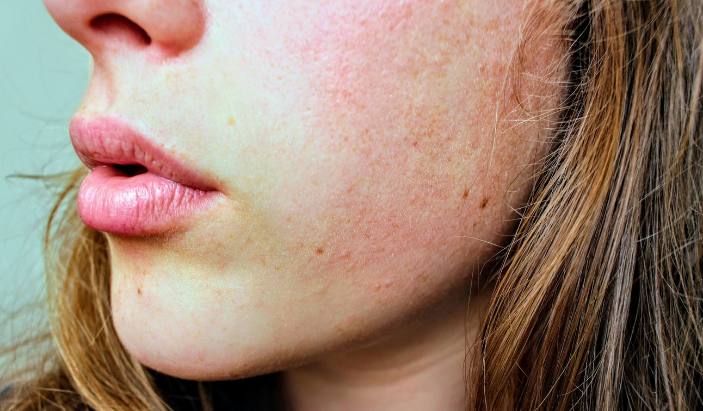
Persistent facial flushing or redness can be managed with a custom treatment plan at our Kimball clinic.
Subtype 2 is papulopustular rosacea, and it is the one most frequently mistaken for acne. It causes red bumps called papules and pus-filled blemishes called pustules, usually concentrated in the central face. That combination of breakouts plus background redness is the classic picture of this subtype.
The key difference between papulopustular rosacea and acne comes down to what you do not see. Rosacea does not produce blackheads or whiteheads. Acne does. If you have what looks like adult acne but there are no blackheads in the mix, rosacea becomes a much more likely explanation. Age is another clue. Papulopustular rosacea is more common in adults, particularly women in their 30s, 40s, and 50s.
Using standard acne treatments on this subtype can backfire badly. Many acne products contain ingredients like benzoyl peroxide or retinoids that are simply too harsh for rosacea-prone skin. They strip and irritate the skin barrier, making the redness and breakouts worse. A proper diagnosis is the only way to avoid that cycle. A dermatologist can confirm which condition you are dealing with and prescribe treatments like topical azelaic acid, metronidazole, or oral antibiotics that are designed for rosacea specifically.
What Is Subtype 3 and Who Does Phymatous Rosacea Typically Affect?
Subtype 3 is phymatous rosacea, the rarest and most dramatic presentation of the condition. It causes a thickening and irregular texture of the skin due to the enlargement of oil glands and a buildup of connective tissue. The nose is the most commonly affected area, and when it progresses significantly, the condition is called rhinophyma.
Rhinophyma creates a bulbous, bumpy appearance on the nose, with enlarged pores and a rough texture. It can also affect the chin, forehead, ears, and eyelids, though this is less frequent. Phymatous rosacea is much more common in men than in women, and the reasons for that are not entirely clear, though hormonal factors are thought to play a role.
This subtype tends to develop gradually over years, often in people who had untreated rosacea for a long time. That makes it one of the stronger arguments for getting rosacea evaluated and managed early. Once phymatous changes develop, they do not reverse on their own. Treatment in the earlier stages involves prescription medications to slow progression. More advanced cases may require laser resurfacing or surgical intervention to reshape the tissue.
What Is Subtype 4 and How Does Ocular Rosacea Affect the Eyes?
Subtype 4 is ocular rosacea, and it is the most overlooked type because many people do not connect eye symptoms to a skin condition. Ocular rosacea affects the eyes and the skin around them, causing redness, irritation, dryness, and a persistent gritty or burning sensation. The eyelids may become swollen, crusty, or inflamed, a condition called blepharitis.
Some people with ocular rosacea develop it alongside one of the other subtypes. Others experience the eye symptoms before any skin changes appear, which makes diagnosis particularly confusing. Left unmanaged, ocular rosacea can lead to sensitivity to light, blurred vision, and in more serious cases, corneal damage.
Treatment for ocular rosacea often involves a combination of approaches: warm compresses, lid hygiene routines, prescription eye drops, and in some cases oral antibiotics that reduce inflammation. A dermatologist and an ophthalmologist sometimes work together to manage this subtype, especially when both skin and eye symptoms are present.
How Do You Know Which Type of Rosacea You Have?
Identifying your subtype is not something you can do reliably on your own, and trying to piece it together from an internet search can lead you in the wrong direction. A board-certified dermatologist evaluates your skin in person, considers your symptom history, and identifies not just which subtype is present but whether multiple subtypes are overlapping.
The distinction matters because treatment varies meaningfully by subtype. The approach for ETR focuses on reducing vascular reactivity and protecting a sensitive skin barrier. Papulopustular rosacea calls for anti-inflammatory treatments. Phymatous changes may require procedures. Ocular involvement often needs specialized eye care in addition to dermatology management. A one-size approach simply does not work across all four.
At Chattanooga Skin and Cancer Clinic, board-certified dermatologists have been evaluating and treating rosacea patients across the Chattanooga, Cleveland, and Kimball area since 1973. With three convenient locations and same-team continuity of care, patients get a thorough assessment and a treatment plan that fits their specific presentation.
What Triggers Make Rosacea Worse Across All Four Types?
Regardless of subtype, rosacea responds to a similar set of triggers. Sun exposure is one of the most common, and Tennessee summers can be particularly rough on rosacea-prone skin. UV radiation dilates blood vessels and causes lasting inflammation over time. Daily broad-spectrum sunscreen is a non-negotiable part of managing any type of rosacea.
Heat, spicy foods, alcohol (particularly red wine), hot beverages, stress, and intense exercise all commonly provoke flares. So do certain skincare ingredients: fragrances, alcohol-based toners, witch hazel, and harsh exfoliants. Keeping a simple trigger diary helps identify personal patterns, since not everyone reacts to the same things.
The goal of trigger management is not to eliminate every possible irritant from your life. It is to identify your top offenders so you can minimize them where it makes a real difference. Combined with prescription treatment from a dermatologist, trigger awareness gives patients the best shot at keeping rosacea calm long-term.
Frequently Asked Questions About the Types of Rosacea
Our expert dermatology team in Kimball working behind the scenes to bring you personalized, medical-grade skin solutions
Can you have more than one type of rosacea at the same time?
Yes. It is fairly common for people to experience two subtypes simultaneously. Subtype 1 and Subtype 2 often occur together, with persistent redness and visible blood vessels accompanying acne-like breakouts. Ocular symptoms can also appear alongside any of the skin-based subtypes.
Does rosacea subtype change over time?
It can. Rosacea is a progressive condition in many people, meaning it tends to worsen if left untreated. Subtype 1 can evolve to include the papules and pustules of Subtype 2 over time. Phymatous changes typically develop after years of chronic, unmanaged inflammation. Getting diagnosed and starting treatment early is the best way to slow or prevent that progression.
Is rosacea more common in certain skin tones?
Rosacea is most frequently diagnosed in people with fair skin, but it affects people of all skin tones. On medium to deeper skin tones, it often goes unrecognized because the classic redness is harder to see. Symptoms like burning, stinging, bumps, or eye irritation may still be present, and a dermatologist familiar with rosacea presentations across diverse skin tones can make an accurate diagnosis.
Are there rosacea treatments that work for all four types?
Some treatments overlap across subtypes, particularly topical and oral anti-inflammatory medications. That said, the most effective treatment plans are specific to the subtype. Laser treatments that target blood vessels are most useful for Subtype 1. Antibiotic therapies are more central to Subtype 2. Subtype 3 may require procedural intervention. Subtype 4 often needs targeted eye care. Treatment works best when it is matched to what is actually happening in your skin.
When should you see a dermatologist about rosacea?
As soon as you suspect it. Rosacea does not improve on its own, and the longer it goes unmanaged, the more ingrained the changes to the skin can become. If you have persistent facial redness, recurring breakouts without blackheads, skin that feels easily irritated, or any eye discomfort that your eye doctor has not fully explained, a dermatology evaluation is the right move. Early treatment produces the best long-term results.
Ready to Get a Clear Answer About Your Skin?
Living with rosacea is manageable, but only once you understand what you are actually dealing with. Guessing at a diagnosis and cycling through the wrong products wastes time and often makes the condition worse. The four subtypes of rosacea are distinct enough that proper identification genuinely changes the treatment path.
The team at Chattanooga Skin and Cancer Clinic includes board-certified dermatologists who have spent decades treating rosacea patients across Southeast Tennessee. Appointments are available in Chattanooga, Cleveland, and Kimball. Call the location nearest you or request an appointment online at chattskinandcancer.com.
Your baby wakes up again at 2 a.m., scratching at the same raw patches of skin on their cheeks and elbows. You’ve tried switching detergents, avoiding certain foods, and slathering on whatever lotion was at the top of the search results. Nothing is really working, and the pediatrician used a word you’ve been reading about ever since: eczema. If that scenario sounds familiar, you are not alone. Eczema is one of the most common skin conditions in young children, and it is also one of the most misunderstood.
Eczema in babies and toddlers affects roughly 10 to 20 percent of children in the United States, according to the National Eczema Association. It tends to show up in the first year of life, often before a baby’s first birthday. For many parents, the diagnosis raises more questions than answers. What exactly is eczema? What causes it to flare? How do you manage it day to day, and when does a child need to see a dermatologist? This article answers all of those questions clearly and practically, so parents in the Chattanooga area and beyond can feel confident taking care of their child’s skin.
What Is Eczema and Why Does It Affect So Many Babies?
Severe itching and skin discomfort from infant eczema can deeply disrupt a baby’s comfort and sleep.
Eczema, medically known as atopic dermatitis, is a chronic inflammatory skin condition where the skin’s protective barrier does not function properly. A healthy skin barrier locks in moisture and keeps irritants and allergens out. In children with eczema, that barrier is compromised, meaning the skin loses water more easily and becomes vulnerable to environmental triggers.
The result is skin that is dry, itchy, and prone to red, inflamed patches. In babies, these patches often appear on the face, especially the cheeks and forehead. As children grow into toddlers, eczema tends to shift to the elbow creases, behind the knees, and around the wrists. The itching can be intense, and because babies and toddlers cannot stop themselves from scratching, the skin can break open, which raises the risk of infection.
Eczema is not contagious. It is not caused by poor hygiene or anything a parent did wrong. Genetics play a large role. Children with a parent or sibling who has eczema, asthma, or seasonal allergies are significantly more likely to develop it themselves. This connection, called the atopic march, means that early eczema in infants can sometimes be a predictor of later allergies or asthma.
How Do You Know If Your Baby Has Eczema?
Eczema can look different depending on the child’s age and skin tone. In lighter skin, inflamed patches appear red or pink. In deeper skin tones, eczema may look more purple, brown, or grayish, which leads to it being missed or misdiagnosed more often in children of color.
Common signs to watch for in babies under 12 months include dry, scaly patches on the cheeks, scalp, or forehead; oozing or crusting skin; and visible discomfort, especially when the baby is warm or after a bath. Toddlers often show eczema in the skin folds at the elbows, wrists, knees, and ankles. The skin may appear thickened or leathery in areas that have been scratched repeatedly over time.
One hallmark of eczema is the cycle of flares and relative calm. A child might have clear skin for weeks, then break out after a trigger like cold weather, sweating, or exposure to a new product. That unpredictable pattern can make management feel frustrating, but understanding triggers is one of the most useful tools parents have.
What Triggers Eczema Flares in Young Children?
Triggers vary from child to child, but some of the most consistent culprits include dry air, sweat, synthetic fabrics, certain soaps and fragrances, dust mites, pet dander, and stress. In the Southeast, where Chattanooga’s climate includes both humid summers and cold winters, children with eczema can face year-round challenges as the environment shifts.
Food allergies sometimes overlap with eczema, which leads many parents to assume that diet is the root cause. The relationship between eczema and food is real but complicated. The American Academy of Dermatology notes that food allergies are found in about 30 percent of children with moderate to severe eczema, with milk, eggs, wheat, soy, and peanuts being the most common culprits. Eliminating foods without guidance can be harmful to a young child’s nutrition. A board-certified dermatologist or allergist should evaluate whether food is genuinely contributing to a child’s flares before any dietary changes are made.
Temperature is another major factor. Overheating causes sweating, which irritates the skin. Keeping bedrooms cool, dressing children in loose cotton layers, and avoiding heavy blankets at night can all reduce the frequency of flares.
How Is Eczema in Babies and Toddlers Treated?
There is no cure for eczema, but it is very manageable with a consistent routine. The foundation of eczema care for young children is moisturizing frequently and effectively. Applying a thick, fragrance-free cream or ointment immediately after a bath, while the skin is still slightly damp, helps lock in moisture before it evaporates. Creams and ointments outperform thin lotions for this purpose because they contain more lipid content and create a stronger barrier.
Bathing in lukewarm water for five to ten minutes, then patting the skin dry before applying moisturizer, is a routine that dermatologists recommend consistently. Hot water strips the skin’s natural oils and worsens dryness. Fragrance-free, gentle cleansers should replace traditional soaps.
When moisturizing alone does not control flares, a pediatric dermatologist may recommend topical corticosteroids. These prescription creams reduce inflammation and are safe when used correctly. Parents are often cautious about steroids, and that concern is understandable, but low-potency topical steroids used as directed on affected areas are a well-established treatment option. A dermatologist will choose the appropriate strength for the child’s age and the area being treated.
Newer non-steroidal prescription treatments, such as topical calcineurin inhibitors, are also available for children who need ongoing management without repeated steroid use. For more severe cases, a pediatric dermatologist may discuss systemic treatments or biologic medications. Dupilumab received FDA approval for children as young as six months old in 2023, marking a meaningful step forward in treating moderate to severe eczema in infants.
When Should You See a Dermatologist Instead of Waiting It Out?
Pediatricians are a good starting point for mild eczema, but there are clear situations where a dermatologist’s expertise makes a real difference. A board-certified dermatologist has specialized training in skin conditions that goes beyond what most general practitioners receive.
See a dermatologist if your child’s eczema is not improving after two to four weeks of consistent moisturizing and over-the-counter care. Seek care sooner if the skin appears infected, which may look like crusting, honey-colored discharge, increased redness, warmth, or swelling. Scratched eczema skin is an open door for bacterial infections, particularly staph, and those infections need prompt treatment.
A dermatologist can also confirm the diagnosis when eczema looks similar to other conditions like psoriasis, seborrheic dermatitis, or contact dermatitis. Getting the right diagnosis matters because these conditions respond to different treatments. Treating one condition like another will not produce the results the child needs.
Chattanooga Skin and Cancer Clinic has been caring for patients of all ages since 1973, including infants and toddlers with chronic skin conditions. All providers are board-certified dermatologists with experience in pediatric dermatology. With three locations across Chattanooga, Cleveland, and Kimball, families across Southeast Tennessee can access specialized care close to home.
What Daily Habits Make the Biggest Difference for Kids with Eczema?
Consistently checking your child’s skin folds and back helps track eczema triggers and flare-ups early.
Consistency is everything with eczema management. Moisturizing once a day is helpful; moisturizing twice a day is better. The goal is to keep the skin barrier as intact as possible so it has less opportunity to react to triggers.
Clothing choices matter more than most parents realize. Synthetic fabrics like polyester and nylon trap heat and create friction against the skin. Loose-fitting, 100 percent cotton clothing lets the skin breathe and reduces irritation. Wash new clothing before the first wear to remove manufacturing residues, and use fragrance-free, dye-free detergents consistently.
Keeping a simple log of flares can help parents and dermatologists identify patterns. Note what the child ate, what products were used, changes in weather or environment, and how the skin responded. Over time, these records often reveal connections that are not obvious in the moment.
Short, trimmed fingernails reduce the skin damage that comes from scratching during sleep. For infants who scratch at night, lightweight cotton mittens can protect the skin until they are old enough to understand not to scratch.
Does Eczema in Babies Go Away on Its Own?
Many children do experience significant improvement as they get older. Studies suggest that about 50 percent of children with infant eczema see it resolve or become much milder by age six. Another portion will continue to have flares into adolescence or adulthood, though often less severely than in early childhood.
The trajectory is hard to predict for any individual child. Children with more severe early eczema, or those who also have food allergies or asthma, are more likely to have persistent symptoms. Early, consistent treatment and close management with a dermatologist give children the best chance at keeping flares minimal and protecting skin health long-term.
Parents should also know that eczema does not reflect on their parenting. Many children with eczema go on to have completely normal, active childhoods when their condition is well managed.
Frequently Asked Questions About Eczema in Babies and Toddlers
Is eczema the same as dry skin?
No. While dry skin is a feature of eczema, eczema is a chronic inflammatory condition with a genetic component. Simple dry skin responds to moisturizer and does not cause the chronic, itchy, inflamed patches that eczema does. If moisturizing alone is not controlling the problem, the skin condition likely needs a dermatologist’s assessment.
Can breastfeeding or formula affect my baby’s eczema?
There is some evidence that breastfeeding may offer a modest protective effect against developing eczema, but breastfeeding does not prevent it entirely and formula does not cause it. If a nursing mother suspects her diet is affecting her baby’s skin, speaking with a dermatologist or allergist is the right path forward rather than eliminating foods without guidance.
Are topical steroids safe to use on a baby’s skin?
Low-potency topical corticosteroids are considered safe for short-term use in infants and toddlers when prescribed by a dermatologist and applied as directed. Concerns about steroid side effects are most relevant when high-potency creams are overused for long periods. A board-certified dermatologist prescribes the appropriate strength and gives clear instructions on duration and frequency.
What is the best moisturizer for baby eczema?
Thick, fragrance-free creams or ointments tend to work better than thin lotions. Products like plain petroleum jelly, CeraVe Healing Ointment, or Vanicream Moisturizing Ointment are frequently recommended because they are fragrance-free and effective. The best moisturizer is one that is applied consistently and immediately after bathing while the skin is still slightly damp.
When should I bring my toddler to Chattanooga Skin and Cancer Clinic for eczema?
Board-certified pediatric dermatologists offer advanced treatment plans for moderate to severe childhood eczema.
Bring your child in if the eczema is not responding to at-home care after two to four weeks, if you see signs of infection, if the condition is affecting your child’s sleep or quality of life, or if you are unsure whether the diagnosis is correct. The practice’s board-certified dermatologists see patients across all age groups, including infants, at locations in Chattanooga, Cleveland, and Kimball. You can call the Chattanooga office at 423-899-2700 or the Cleveland office at 423-479-8648 to schedule an appointment.
Getting Your Child the Right Care
Eczema in babies and toddlers can feel relentless, especially in those early months when everything is new and sleep is already scarce. The good news is that with the right routine, the right triggers identified, and the right medical support in place, most children with eczema live comfortably and thrive.
Chattanooga Skin and Cancer Clinic has been part of this community for more than 50 years, founded in 1973 and now serving patients at three locations across Southeast Tennessee. Every provider is board-certified, and the clinic treats patients from infancy through adulthood. If your baby or toddler is struggling with eczema and you are ready to move past guesswork, the team at Chattanooga Skin and Cancer Clinic is ready to help.
Call 423-899-2700 for the Chattanooga location at 6061 Shallowford Road, 423-479-8648 for Cleveland at 3891 Adkisson Drive, or 423-815-9975 for the Kimball office at 400 Dixie Lee Center Rd. All three offices are open Monday through Friday, and new patient appointments are available.
A monthly self-skin check is one of the simplest things you can do to catch skin cancer early, and it takes about 10 minutes. You stand in front of a mirror, examine your skin from head to toe, and look for anything new, changing, or unusual. That’s it. No special equipment required. The reason this matters is straightforward: skin cancer is the most common cancer in the United States, affecting one in five Americans in their lifetime according to the American Academy of Dermatology. When caught early, most skin cancers are highly treatable. When caught late, treatment becomes more complex and outcomes get worse. The gap between early and late detection often comes down to whether someone was paying attention. A self-skin check fills the months between your annual professional skin exams and gives you a baseline understanding of your own skin, so when something does change, you notice. At Chattanooga Skin and Cancer Clinic, our board-certified dermatologists encourage every patient to build this habit. Here’s how to do it well.
What Do You Need for a Self-Skin Check?
You need a well-lit room, a full-length mirror, and a hand mirror. Good lighting is non-negotiable because shadows and dim light make it easy to miss subtle changes. Natural daylight or a bright overhead bathroom light works best. The hand mirror is for areas you can’t see directly: your back, the backs of your legs, your scalp, and behind your ears.
If you have a partner or close friend who’s willing to help, an extra set of eyes on your back and scalp makes the process more thorough. A smartphone camera can also be useful for photographing spots you want to track over time. If you notice a mole that looks a little off but you’re not sure if it’s changed, snap a photo with something for scale (a coin or ruler next to it) and compare it at your next monthly check.
What Is the Best Way to Examine Your Skin Head to Toe?
Start at the top and work your way down. Consistency matters more than speed. If you follow the same routine each time, you’re less likely to skip areas.
Begin with your face. Look at your nose, lips, mouth, ears (front and back), and around your eyes. Use the hand mirror to check behind your ears and along your hairline. Then move to your scalp. Part your hair in sections and look at the skin underneath. A blow dryer on a cool setting can help move hair out of the way. Scalp skin cancers are easy to miss because they hide under hair, so take your time here.
Next, examine your neck, chest, and torso. Women should check under the breasts. Raise your arms and look at your underarms and the sides of your torso. Then check both arms: upper arms, forearms, the tops and palms of your hands, between your fingers, and under your fingernails. Melanoma can develop under nails, appearing as a dark streak or band.
Sit down to check your legs. Look at the fronts and backs of your thighs, shins, ankles, the tops of your feet, the soles of your feet, and between your toes. Then use the hand mirror to examine your back, buttocks, and the backs of your legs. If a partner is helping, this is where they’re most useful.
What Are the ABCDEs of Melanoma?
The ABCDE system is a straightforward framework dermatologists use to evaluate moles and pigmented spots. It stands for Asymmetry, Border, Color, Diameter, and Evolution. Not every melanoma hits all five criteria, but any one of them is reason enough to get a spot checked.
Asymmetry means one half of the mole doesn’t match the other. If you drew a line down the middle, the two sides would look different in shape or size. Border refers to the edges of the mole. Melanomas often have ragged, notched, or blurred borders, while benign moles tend to have smooth, even edges. Color is about variation within a single spot. A mole with multiple shades of brown, black, red, white, or blue is more concerning than one that’s a uniform color throughout.
Diameter refers to size. The traditional guideline is to pay attention to moles larger than 6 millimeters, about the size of a pencil eraser. That said, melanomas can be smaller than 6mm when first detected, so size alone isn’t a reason to dismiss a spot. Evolution is the most important of the five. Any mole that is changing in size, shape, color, or texture, or any new spot that looks different from your other moles, deserves a closer look from a dermatologist.
What Other Changes Should You Watch For?
The ABCDEs apply primarily to melanoma, but non-melanoma skin cancers (basal cell carcinoma and squamous cell carcinoma) have their own warning signs. A sore that won’t heal is one of the most reliable red flags. If you have a spot that scabs over, seems to improve, then opens up again, and this cycle repeats for more than three to four weeks, get it evaluated.
Other things to watch for include a pearly or waxy bump (common in basal cell carcinoma), a flat flesh-colored or brown scar-like lesion, a firm red nodule, a rough or scaly patch that may bleed or crust, and any growth that’s new and doesn’t look like your other spots. The “ugly duckling” rule is a helpful mental shortcut: if one spot on your body looks noticeably different from everything around it, it’s worth having a professional look.
How Often Should You Do a Self-Skin Check?
Once a month is the standard recommendation. Pick a consistent day that’s easy to remember, like the first of the month, and build it into your routine. The whole process should take about 10 minutes once you’re familiar with it.
Monthly checks are not a replacement for an annual professional skin exam. Your dermatologist has specialized tools like a dermatoscope (a magnifying device with polarized light) and years of training in pattern recognition that you simply can’t replicate at home. Self-checks and professional exams work as a team: you monitor for changes between visits, and your dermatologist provides the clinical evaluation once a year (or more often if you’re at higher risk).
When Should You Call Your Dermatologist About a Spot?
Call sooner rather than later if you notice any of the following: a new mole or growth that appeared recently and looks different from your other spots, a mole that has changed in size, shape, or color, a sore that bleeds and doesn’t heal within three to four weeks, a spot that itches, hurts, or feels tender without an obvious cause, or a dark streak under a fingernail or toenail that you haven’t injured.
I’d rather a patient come in for something that turns out to be nothing than wait six months on something that turns out to be serious. Dermatologists expect these appointments. It’s literally what the job is for. At Chattanooga Skin and Cancer Clinic, you can schedule a skin evaluation at any of our three offices: Chattanooga (423-899-2700), Cleveland (423-479-8648), or Kimball (423-815-9975).
What Are Common Spots That Look Concerning but Are Usually Harmless?
Not everything unusual is skin cancer, and it helps to know what the common impostors look like so you don’t panic every time you spot something new.
Seborrheic keratoses are waxy, raised, brown or tan growths that look almost like they’ve been stuck onto the skin. They’re extremely common after age 40 and completely benign, though they can look alarming if you’ve never seen one before. Cherry angiomas are small, bright red dots caused by clusters of blood vessels near the skin’s surface. They tend to appear on the torso and increase in number with age. Dermatofibromas are firm, small, brownish bumps that often show up on the legs. They’re harmless and usually don’t need treatment.
Even with this list, self-diagnosis is unreliable. If you’re unsure about a spot, the right move is to have a dermatologist take a look. The peace of mind is worth the appointment.
Frequently Asked Questions About Self-Skin Checks
Can I use a smartphone app to check my moles?
Some apps claim to analyze photos of moles for cancer risk, but no app should replace a professional evaluation. Apps can miss cancers and can also flag benign spots as suspicious. Use your phone to photograph spots for your own tracking purposes, but always bring concerns to a dermatologist for a definitive assessment.
What if I have a lot of moles and can’t tell which ones are new?
If you have a high mole count (50 or more), full-body photography can help establish a baseline. Some dermatology practices offer clinical photography services, or you can take your own photos at home. Compare photos month to month to spot new or changing moles more easily.
Where can I get a professional skin exam near Chattanooga?
Chattanooga Skin and Cancer Clinic offers full-body skin exams at all three locations: Chattanooga (6061 Shallowford Road, 423-899-2700), Cleveland (3891 Adkisson Drive, 423-479-8648), and Kimball (400 Dixie Lee Center Rd, 423-815-9975). Appointments are available Monday through Friday.
Mohs micrographic surgery is a precise, layer-by-layer technique for removing skin cancer while preserving as much healthy tissue as possible. It is considered the gold standard treatment for basal cell carcinoma and squamous cell carcinoma, particularly when tumors are located on the face, ears, hands, or other areas where tissue conservation matters. The procedure boasts cure rates up to 99% for primary basal cell carcinomas and up to 97% for primary squamous cell carcinomas, according to the American College of Mohs Surgery. Unlike standard excision, where the surgeon removes the tumor and a wide margin of surrounding skin all at once, Mohs surgery maps and examines each thin layer of tissue in real time. This means the surgeon can confirm that all cancer cells have been removed before closing the wound, reducing the chance of recurrence and minimizing scarring. At Chattanooga Skin and Cancer Clinic, we perform Mohs surgery at our Chattanooga and Cleveland locations, and our board-certified dermatologists have been providing this specialized care to patients across Southeast Tennessee for over 50 years.
How Is Mohs Surgery Different From Standard Skin Cancer Removal?
In a standard excision, the surgeon cuts out the visible tumor along with a buffer zone of healthy-looking skin around it. That tissue is sent to a lab, and results come back days later. If the margins aren’t clear (meaning cancer cells are found at the edges of the removed tissue), you go back for another surgery. It works, but it’s a bit of a guessing game when it comes to how much skin needs to come out.
Mohs flips that process. Instead of removing a wide margin and hoping for the best, the Mohs surgeon removes one thin layer at a time. Each layer is immediately processed, mapped, and examined under a microscope right there in the office. If cancer cells are still present at a specific edge, the surgeon knows exactly where to go back and remove more. If the margins are clear, the procedure is done. No second surgery. No waiting days for lab results.
The practical result is twofold: you get the highest possible cure rate, and you lose the least amount of healthy skin. That second part matters a lot when the cancer is on your nose, eyelid, ear, or lip, where every millimeter of tissue affects both function and appearance.
Who Is a Good Candidate for Mohs Surgery?
Mohs surgery is typically recommended when the stakes of incomplete removal are highest. That includes cancers on the face, scalp, neck, hands, feet, and genitals, where preserving tissue is critical for cosmetic and functional reasons. It’s also the preferred approach for large tumors, tumors with poorly defined borders, aggressive subtypes (like morpheaform basal cell carcinoma or poorly differentiated squamous cell carcinoma), and cancers that have come back after previous treatment.
Patients with suppressed immune systems, such as organ transplant recipients, are also strong candidates because their skin cancers tend to be more aggressive and more likely to recur. In these cases, the precision of Mohs surgery provides an extra layer of confidence that the cancer has been fully removed.
For small, well-defined skin cancers on the trunk or extremities, standard excision is often perfectly adequate. Your dermatologist will recommend Mohs when the specific characteristics of your cancer make it the better option.
What Happens During the Mohs Surgery Procedure?
The procedure takes place in the dermatologist’s office, not a hospital operating room. You’ll be awake the entire time under local anesthesia, which means the area around the tumor is numbed but you’re fully conscious. Most patients say the numbing injection is the only uncomfortable part, and it lasts about two seconds.
Once the area is numb, the surgeon removes the first thin layer of tissue and applies a temporary bandage. You’ll wait in a comfortable room while the lab team processes the tissue. This part takes about 30 to 45 minutes per layer. A technician freezes, slices, stains, and mounts the tissue onto slides, and the surgeon examines them under a microscope, checking the entire margin for remaining cancer cells.
If cancer cells are found at a specific edge, the surgeon marks exactly where on the map and removes another targeted layer from only that area. This cycle repeats until the margins are completely clear. Most cases require one to three layers, though complex tumors may need more.
Once all the cancer is confirmed gone, the surgeon discusses wound closure options. Small wounds may heal on their own or with stitches. Larger or more complex wounds may require a skin flap or graft, which the Mohs surgeon can often perform the same day.
How Long Does Mohs Surgery Take?
Plan for most of the day, even though the actual cutting and stitching may total less than an hour. The waiting periods between layers are what stretch the timeline. A straightforward case with one or two layers might wrap up in two to three hours total. A more complex case requiring multiple layers could take four to six hours or longer.
Bring a book, your phone charger, or a friend. You’ll spend more time waiting than you will in the procedure chair. The office will keep you updated on timing, and you’re free to eat, drink, and use your phone between layers.
What Does Recovery Look Like After Mohs Surgery?
Recovery varies depending on the size and location of the wound and how it was closed. Most patients experience mild soreness, swelling, and bruising for the first few days. Over-the-counter pain relievers like acetaminophen are usually enough to manage discomfort. Your surgeon will give you specific wound care instructions, which typically involve keeping the area clean, applying petroleum jelly, and changing the bandage daily.
Stitches are usually removed within one to two weeks. During that time, you’ll want to avoid strenuous exercise, heavy lifting, and anything that increases blood flow to the area (including bending over for extended periods and alcohol consumption in the first 24 to 48 hours). Most people return to desk work the next day, though physically demanding jobs may require a few days off.
Scarring depends on the size of the wound and its location. Because Mohs surgery removes the least amount of tissue necessary, scars tend to be smaller than those from standard excision. Your surgeon may also refer you to a reconstructive specialist if the wound is in a particularly visible area.
What Are the Risks and Side Effects of Mohs Surgery?
Mohs surgery is very safe, but like any surgical procedure, it carries some risks. Bleeding and infection are possible, though uncommon with proper wound care. Nerve damage can occur in rare cases, particularly with tumors near the eyes, nose, or lips, which may cause temporary or (rarely) permanent numbness or muscle weakness in the surrounding area.
Pain during the procedure is minimal because of the local anesthesia. Some patients feel pressure or tugging, but actual pain is unusual. If the numbness starts to wear off between layers, the surgeon can add more anesthetic.
The most common “side effect” is simply the scar itself, and even that is typically smaller and less noticeable than what you’d get from a wider excision.
How Much Does Mohs Surgery Cost, and Does Insurance Cover It?
Mohs surgery is a recognized, FDA-cleared medical procedure, and most insurance plans cover it when it’s medically indicated for skin cancer treatment. Medicare also covers Mohs surgery. Your out-of-pocket cost will depend on your specific plan, deductible, and copay structure.
If cost is a concern, call your insurance provider before the procedure to verify coverage and get an estimate of your responsibility. Our billing team at Chattanooga Skin and Cancer Clinic (423-894-2234) can also help you understand what to expect.
Frequently Asked Questions About Mohs Surgery
Is Mohs surgery painful?
The procedure is performed under local anesthesia, so you should not feel pain during the surgery itself. The numbing injection feels like a brief pinch. Most patients report that the experience is far less uncomfortable than they anticipated.
Can Mohs surgery be used for melanoma?
Mohs surgery is sometimes used for certain types of melanoma, particularly melanoma in situ (the earliest stage) on the face or other sensitive areas. However, it is most commonly associated with basal cell and squamous cell carcinomas. Your dermatologist will recommend the best approach based on the specific type and stage of your cancer.
Where is Mohs surgery available near Chattanooga?
Chattanooga Skin and Cancer Clinic performs Mohs surgery at our Chattanooga office (6061 Shallowford Road, 423-899-2700) and our Cleveland office (3891 Adkisson Drive, 423-479-8648). Mohs is not available at our Kimball location, but we coordinate referrals to Chattanooga or Cleveland for patients who need the procedure.