Category: Blog

  • Bug Bite Skin Reactions: When a Bite Needs More Than Home Treatment

    Bug Bite Skin Reactions: When a Bite Needs More Than Home Treatment

    A bug bite skin reaction is one of the most common reasons patients visit a dermatologist during the summer months, and in areas like Marion County and the Sequatchie Valley, the variety of biting and stinging insects makes the problem even more frequent. Most bites cause a small red bump that fades in a day or two. But some reactions swell far beyond the bite itself, blister, spread, or refuse to heal, and that is when a visit to a medical dermatology provider can save you weeks of discomfort or prevent a real complication.

    If you spend any time outdoors in Southeast Tennessee between June and September, you have probably dealt with at least one bite that seemed worse than it should be. This article covers the types of bug bite skin reactions our dermatologists treat regularly, how to tell a normal reaction from one that needs medical attention, and what you can do at home versus what requires a clinic visit.

    What Causes a Bug Bite Skin Reaction?

    When an insect bites or stings, it introduces saliva, venom, or other foreign proteins into your skin. Your immune system responds by releasing histamine and other chemicals to the area, and that response is what creates the itch, redness, and swelling you feel afterward. In most cases, this is a localized reaction that resolves on its own.

    A bug bite skin reaction becomes a concern when the immune response goes beyond what is typical. Some people develop large local reactions where swelling extends several inches from the bite. Others experience delayed reactions that do not appear until 24 to 48 hours later, making it harder to connect the symptoms to an insect encounter. Children and people with sensitive skin or existing conditions like eczema tend to react more strongly, and repeated exposure to certain insects can actually make reactions worse over time rather than building tolerance. Patients already managing summer flares of psoriasis or eczema may find that insect bites compound their symptoms and make an already difficult season harder to manage.

    Common Insect Bites in the Kimball and Sequatchie Valley Area

    The insects you encounter in Southeast Tennessee depend on where you spend your time. Patients who visit our Kimball office frequently report reactions from mosquitoes, fire ants, chiggers, ticks, wasps, and spiders. Each of these produces a distinct type of bug bite skin reaction, and knowing the difference can help you decide how to respond.

    Mosquito bites are the most familiar. They usually produce a raised, itchy welt that resolves within a few days. However, some patients, particularly young children, develop a condition called skeeter syndrome where a single mosquito bite causes dramatic swelling, warmth, and even low-grade fever. Fire ant stings are common for anyone walking barefoot in grass or working in yards. The initial sting burns, and within hours, a characteristic white-topped pustule forms. Chigger bites tend to cluster around waistbands, sock lines, and skin folds, creating intensely itchy red bumps that can persist for one to two weeks.

    Spider bites are less common than most people assume, but brown recluse spiders are present in this part of Tennessee and can cause a bite that develops into a necrotic ulcer if not treated properly. Tick bites deserve attention not just for the bite itself but for the potential to transmit illnesses like Rocky Mountain spotted fever, which is endemic to the region.

    When a Bug Bite Skin Reaction Needs a Dermatologist

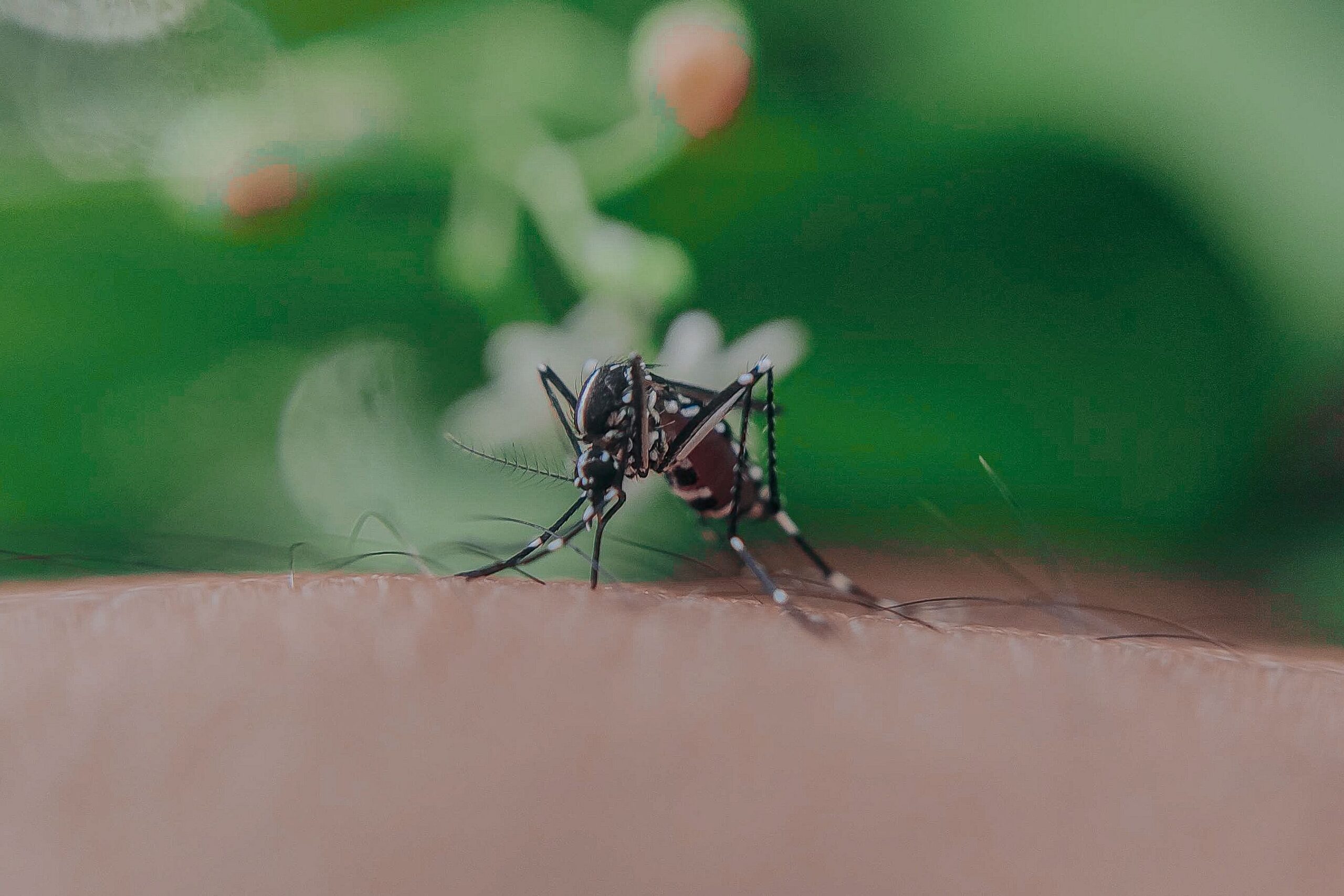
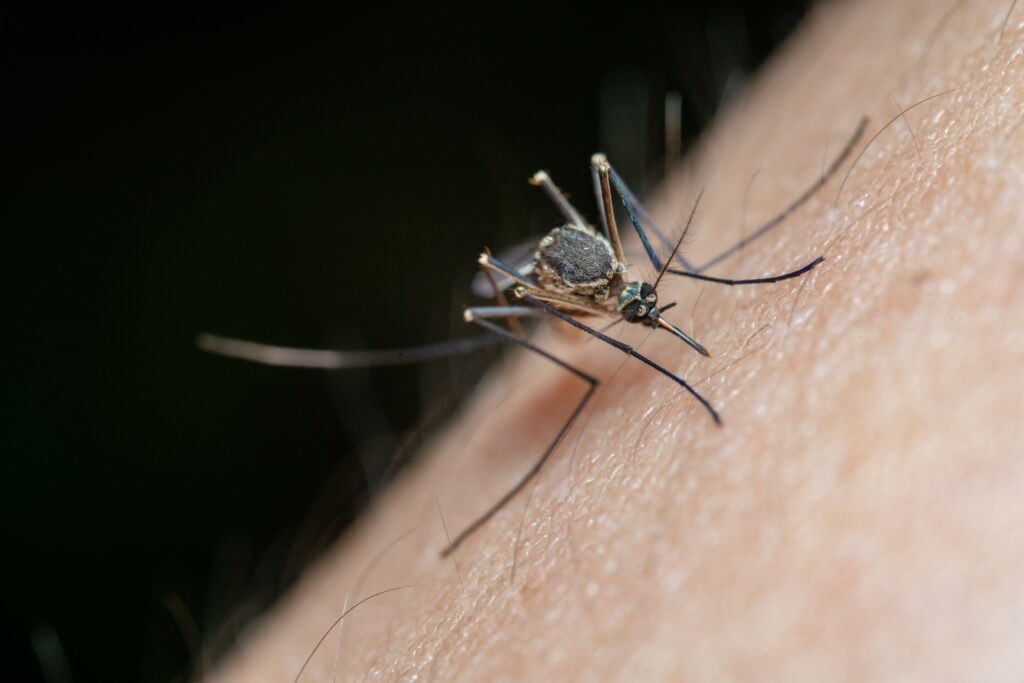
    Mosquito on human skin that can cause a bug bite skin reaction requiring dermatology treatment
    Some bug bite skin reactions go beyond a normal itch and need professional evaluation from a board-certified dermatologist.

    Most insect bites can be managed at home with cool compresses, over-the-counter antihistamines, and hydrocortisone cream. The situations where you should see a dermatologist include reactions that do not improve after five to seven days, bites that develop increasing redness or red streaking that moves away from the site, bites that produce significant blistering or open sores, any bite with signs of infection such as pus, increasing warmth, or worsening pain, and reactions that recur in the same pattern each summer.

    A board-certified dermatologist can determine whether your bug bite skin reaction is a straightforward allergic response or something that requires prescription treatment. For infected bites, we may prescribe topical or oral antibiotics. For severe allergic reactions that keep happening, we can develop a management plan that includes stronger antihistamines or topical steroids to keep on hand during peak insect season. In cases where a spider bite has caused tissue damage, early intervention with proper wound care can significantly reduce scarring.

    Bug Bite Reactions in Children: What Parents Should Watch For

    Parent holding a child's arm with a bug bite skin reaction near Kimball TN dermatology clinic
    Children are more prone to exaggerated bug bite skin reactions than adults and may need a dermatologist to manage recurring or infected bites.

    Children are more prone to exaggerated bug bite skin reactions than adults. Their immune systems are still learning to calibrate responses to insect proteins, so a mosquito bite that would barely register on a parent can swell to the size of a golf ball on a five-year-old. This is usually not dangerous, but it is understandably alarming. Our pediatric dermatology team sees these cases frequently during the summer months.

    The main concern with children is secondary infection. Kids scratch, and broken skin from scratching is an open door for bacteria. If a bite becomes crusty, oozes, or develops a honey-colored crust, that may be impetigo, a bacterial skin infection that spreads easily and needs treatment. Keeping nails trimmed and applying anti-itch treatment early can help prevent this cycle. Between bug bites and chlorine irritation from the pool, summer can be rough on young skin. If your child gets frequent severe reactions to insect bites, a dermatology visit before summer starts can help you build a prevention and response plan.

    How to Reduce Your Risk of Insect Bites This Summer

    Prevention is always the first line of defense. Insect repellent containing DEET or picaridin is the most effective option for mosquitoes and ticks. Permethrin-treated clothing adds another layer of protection for anyone spending extended time in wooded or grassy areas. Wearing light-colored, long-sleeved clothing makes it easier to spot ticks before they attach, and tucking pants into socks while hiking is a simple step that makes a real difference.

    For fire ants, avoiding standing on mounds is obvious, but keeping shoes on in the yard during summer and being aware that disturbed soil after mowing often reveals hidden colonies can prevent painful encounters. Chiggers are hardest to avoid because they are invisible to the naked eye, but showering immediately after outdoor activity and laundering clothes in hot water can remove them before they have a chance to bite.

    Visit Our Kimball Office for Bug Bite Treatment

    If you or your child is dealing with a bug bite skin reaction that is not resolving, getting worse, or keeps happening every summer, our Kimball office can help. Our board-certified dermatologists see these cases regularly and can provide a clear diagnosis, effective treatment, and a plan to manage future reactions.

    The Chattanooga Skin and Cancer Clinic Kimball office is located at 400 Dixie Lee Center Road, Suite C, Kimball, TN 37347. We are open Monday through Thursday from 8:00 AM to 4:00 PM CST, and we also open on the first Friday of every month from 8:00 AM to 11:00 AM CST. Call 423-815-9975 to schedule an appointment. We serve patients throughout Marion County, the Sequatchie Valley, Jasper, South Pittsburg, and surrounding communities. View our patient forms to get a head start before your visit.

    Do not wait for a bug bite skin reaction to become a bigger problem. A quick evaluation can rule out infection, identify allergic patterns, and get you the right treatment so you can enjoy the rest of your summer outdoors.

    FOLLOW US! @chattskinandcancer

  • Back-to-School Skin Check: 7 Issues Your Dermatologist Can Catch Before the First Bell

    Back-to-School Skin Check: 7 Issues Your Dermatologist Can Catch Before the First Bell

    A back-to-school skin check is one of the smartest things you can add to your child’s August to-do list, and it takes less time than most school supply runs. Between sports physicals, new shoes, and fresh notebooks, skin health tends to fall to the bottom of the priority list. But when a child walks into the classroom with an itchy rash, a wart on their hand, or acne that has been building all summer, it can affect their confidence, their comfort, and in some cases their ability to participate in sports and activities.

    At Chattanooga Skin and Cancer Clinic’s Cleveland, TN office on Adkisson Drive, our board-certified dermatologists see a wave of pediatric and adolescent skin concerns every August. Many of them could have been resolved quickly if caught a few weeks earlier. Here are seven common issues a back-to-school skin check can identify and treat before the first day of class.

    1. Acne That Got Worse Over the Summer

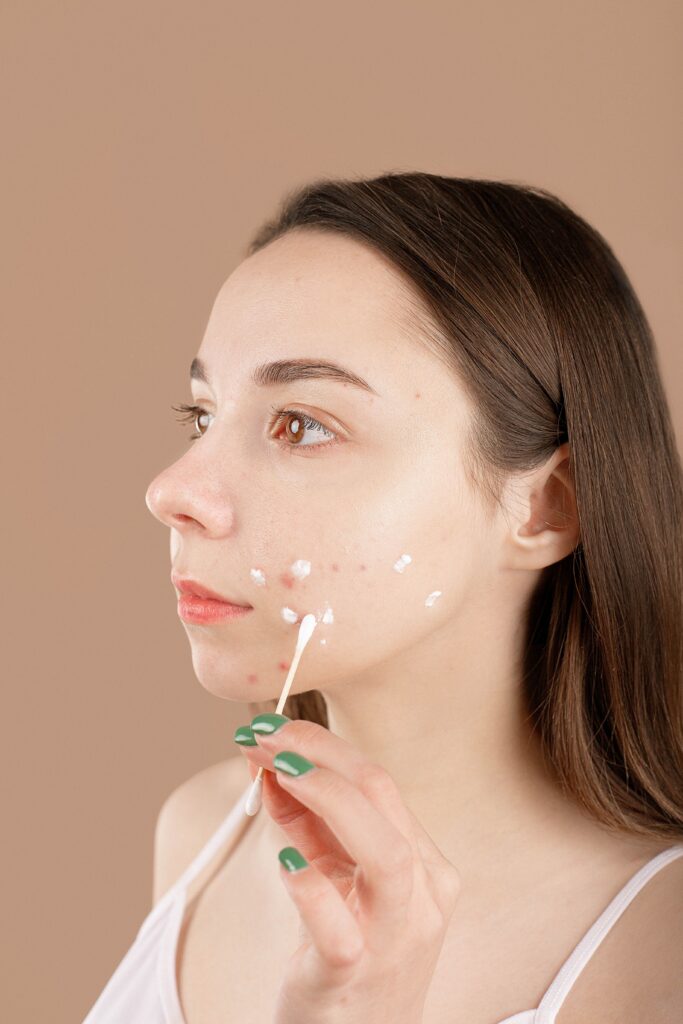
    Teen applying acne treatment to face before back-to-School skin check dermatologist visit in Cleveland TN
    Summer breakouts can escalate quickly. A dermatologist can evaluate whether over-the-counter products are enough or if a prescription-strength treatment is needed before school starts.

    Summer in Bradley County means heat, humidity, sweat, and sunscreen, all of which can push acne from mild to moderate in a matter of weeks. Teens who spent the summer at sports camps, working outdoor jobs, or swimming in chlorinated pools often come back with breakouts in new places: the jawline, chest, back, and hairline.

    A dermatologist can evaluate whether over-the-counter products are enough or whether a prescription-strength treatment, like a topical retinoid or an oral antibiotic, is needed to get things under control before school pictures and social pressures kick in. Starting treatment in August gives the skin several weeks to respond before fall activities are in full swing.

    2. Eczema Flares That Need an Updated Plan

    Children with eczema often experience a shift in triggers between summer and the school year. Summer flares tend to come from sweat, chlorine, and sun exposure. Once school starts, indoor heating, dry air, scratchy uniforms, and stress become the drivers. A back-to-school skin check gives your dermatologist the chance to adjust your child’s treatment plan before the seasonal shift happens.

    This might mean switching from a lighter summer moisturizer to a heavier barrier cream, updating a prescription, or creating a simplified routine your child can manage independently during the school day.

    3. Warts on Hands and Feet

    Warts are caused by the human papillomavirus (HPV) and spread easily in warm, moist environments like pools, locker rooms, and shared gym equipment. Children who spent the summer barefoot at the pool or walking around camp are especially prone to picking up plantar warts on the soles of their feet or common warts on their fingers.

    The problem with waiting is that warts multiply. A single wart in July can become a cluster by September. A dermatologist can treat warts quickly with cryotherapy or other in-office methods, and the earlier they are addressed the easier they are to resolve.

    4. Fungal Infections from Summer Activities

    Ringworm, athlete’s foot, and jock itch are all fungal infections that thrive in the heat and humidity of a Tennessee summer. Kids who play contact sports, share towels, or wear damp athletic gear for extended periods are at higher risk. These infections are contagious and can spread quickly in a school environment through shared mats, equipment, and locker rooms.

    During a back-to-school skin check, a dermatologist can diagnose fungal infections that might look like a simple rash to an untrained eye and prescribe antifungal treatment that clears the issue before your child is back in close contact with classmates.

    5. Suspicious Moles or New Growths

    Close-up of moles on skin checked during back to school skin check in Cleveland TN
    Mole Check Back to School Skin Exam Cleveland TN

    Children and teens develop new moles as they grow, and most of them are completely harmless. But after a summer of increased sun exposure, it is worth having a dermatologist look at anything new or changed. Pediatric melanoma is rare, but atypical moles identified early can be monitored or removed before they become a concern.

    A back-to-school skin check is an easy opportunity to get a baseline evaluation of your child’s moles, especially if there is a family history of skin cancer or if your child has fair skin and a history of sunburns.

    6. Contact Dermatitis from New Products or Gear

    New school supplies, new laundry detergent for uniforms, new hair products for the first day, new shin guards or cleats for fall sports. August is full of “new,” and any of these can trigger contact dermatitis in children with sensitive skin. The reaction might show up as a red, itchy patch on the wrist from a new watchband, or as irritation on the legs from new fabric softener.

    If your child has a history of skin sensitivity or allergic reactions, a quick dermatology visit can help identify the trigger and recommend alternatives so the reaction does not carry over into the school year.

    7. Molluscum Contagiosum

    Molluscum contagiosum is a viral skin infection that causes small, flesh-colored or pink bumps, often in clusters. It is extremely common in children under ten and spreads through direct skin-to-skin contact or shared items like towels and clothing. Pools and water parks are common sources of transmission during the summer months.

    While molluscum sometimes resolves on its own, it can take months or even a year to clear completely. A dermatologist can treat the bumps in the office and help prevent the spread to siblings, classmates, and teammates.

    Why a Back-to-School Skin Check Matters More Than You Think

    Skin issues in children are easy to underestimate. A rash seems minor until it does not go away. A few pimples feel manageable until they become painful cysts. A wart seems harmless until it spreads to three more fingers. The common thread is that early intervention is almost always faster, simpler, and less disruptive than waiting.

    A back-to-school skin check also gives parents a chance to ask questions they have been putting off. Is that dry patch on my child’s elbow just dry skin, or is it psoriasis? Should we be worried about the mole behind their ear? Is their acne routine actually working? These are the kinds of questions a board-certified dermatologist can answer in a single visit.

    Schedule a Back-to-School Skin Check in Cleveland, TN

    Chattanooga Skin and Cancer Clinic’s Cleveland office is located at 3891 Adkisson Drive, Cleveland, TN 37312, and serves families across Bradley County and the surrounding region. Our board-certified dermatologists provide pediatric and adolescent dermatology services Monday through Friday, 7:30 AM to 4:30 PM EST.

    Call 423-479-8648 to schedule your child’s back-to-school skin check today. August appointments fill quickly, so we recommend booking early to get your preferred time before the school year begins.

    FOLLOW US! @chattskinandcancer

  • Phototherapy Treatment in Chattanooga: 5 Reasons to Try It

    Phototherapy Treatment in Chattanooga: 5 Reasons to Try It

    Phototherapy treatment in Chattanooga is one of the most effective and underused tools available for patients dealing with stubborn skin conditions that do not respond to creams or ointments alone. If you have been battling psoriasis patches that refuse to clear, eczema flares that come back every few weeks, or vitiligo that keeps spreading, you have probably tried just about everything your medicine cabinet can offer. At some point, topical treatments hit a ceiling. That is where phototherapy comes in, and it may be the step your skin has been waiting for.

    At Chattanooga Skin and Cancer Clinic, our board-certified dermatologists use medical-grade narrowband UVB phototherapy to treat chronic skin conditions safely and effectively. This article explains exactly how the lightbox works, which conditions respond best, and why phototherapy treatment in Chattanooga could be the turning point in your care.

    What Is Phototherapy Treatment and How Does the Lightbox Work?

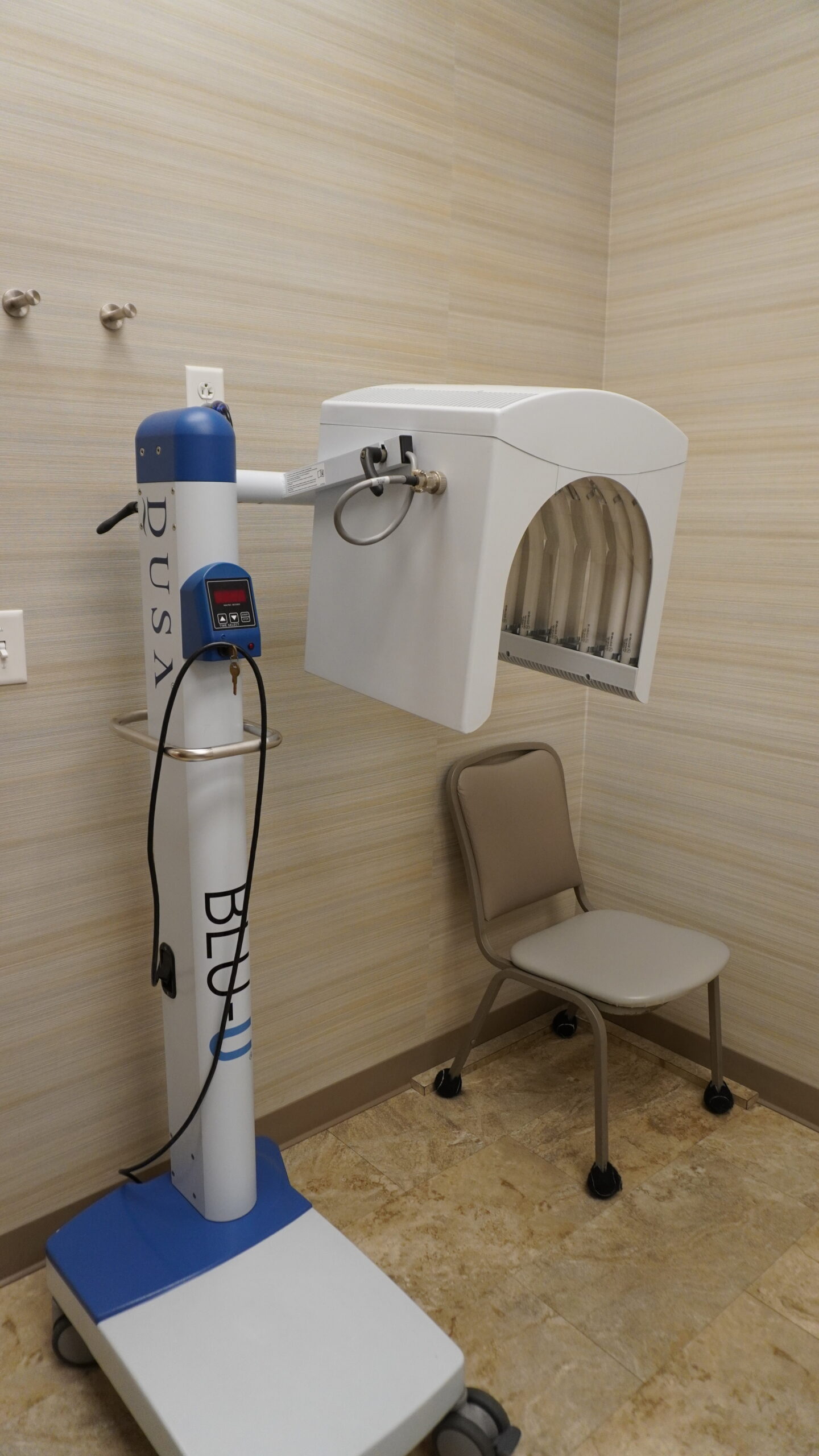
    Phototherapy lightbox equipment used for UVB treatment at Chattanooga Skin and Cancer Clinic
    The phototherapy lightbox at Chattanooga Skin and Cancer Clinic delivers targeted narrowband UVB light to treat psoriasis, eczema, and vitiligo.

    Phototherapy uses a specific type of ultraviolet light called narrowband UVB. The patient stands inside a lightbox, which looks like an upright booth surrounded by specialized bulbs. Despite its appearance, this is not a tanning bed. The light is calibrated to a precise wavelength that targets the immune responses and cell growth patterns responsible for conditions like psoriasis and eczema.

    Each session lasts only a few minutes. The UV light works by slowing down the rapid skin cell turnover that causes thick, scaly plaques in psoriasis. It calms the inflammation behind eczema flares and helps stimulate melanocyte activity to restore pigment in vitiligo. The treatment is painless, requires no needles or medications during the session, and patients can return to normal activities immediately afterward.

    Narrowband UVB phototherapy is considered a first-line treatment for moderate to severe psoriasis and has decades of clinical evidence supporting its safety and efficacy.

    5 Reasons Phototherapy Treatment in Chattanooga Could Change Your Skin

    1. It Works When Topicals Stop Working

    Many patients arrive at our Chattanooga office frustrated after cycling through prescription creams, steroid ointments, and over-the-counter products that provided only short-term relief. Phototherapy offers a different mechanism entirely. Instead of treating the surface, UVB light penetrates the skin to address the overactive immune response underneath. For patients with moderate to severe psoriasis or widespread eczema, this shift often produces results that topicals alone could not achieve.

    2. It Reduces the Need for Systemic Medications

    Some patients prefer to avoid oral immunosuppressants or injectable biologics due to side effects, cost, or personal preference. Phototherapy treatment gives those patients a clinically proven alternative that works from the outside in. It targets the skin directly without affecting the rest of the body’s immune system, which makes it appealing for patients who want effective treatment with fewer systemic risks.

    3. Sessions Are Quick and Convenient

    A typical phototherapy session at our clinic takes only a few minutes of actual light exposure. Patients walk in, step into the booth, and leave shortly after. Most treatment plans involve two to three visits per week, and our Chattanooga location on Shallowford Road makes it easy to fit appointments into a work or school schedule. There is no recovery time and no downtime afterward.

    4. It Treats Multiple Conditions

    Phototherapy treatment is not limited to a single diagnosis. At Chattanooga Skin and Cancer Clinic, our dermatologists use the lightbox to treat psoriasis, eczema, vitiligo, and several other inflammatory and pigmentation conditions. If you are managing more than one skin concern, phototherapy may address multiple issues simultaneously rather than requiring separate treatment plans for each.

    5. Long-Term Results With Consistent Treatment

    Patients who commit to a full course of phototherapy treatment often see sustained improvement that lasts well beyond the final session. Many patients experience significant clearing after several weeks and can maintain results with periodic maintenance sessions. This makes phototherapy one of the most reliable long-term strategies for managing chronic skin conditions without continuous daily medication.

    What to Expect During Your First Phototherapy Treatment in Chattanooga

    Your first visit begins with a consultation where your dermatologist evaluates your condition, reviews your treatment history, and determines whether phototherapy is the right fit. If it is, your initial light exposure will be brief, just seconds to a minute, so your provider can gauge how your skin responds.

    Exposure times increase gradually over subsequent sessions. You will wear protective eye goggles during each treatment, and your provider will monitor your skin closely for any reaction. Most patients describe the experience as simple and completely painless. The only common side effect is mild pinkness that fades within a day.

    Our Chattanooga office is located at 6061 Shallowford Road and offers phototherapy appointments Monday through Friday from 7:30 AM to 4:30 PM. This scheduling flexibility makes it easier for patients to keep up with the two-to-three-times-per-week cadence that produces the best outcomes.

    Who Is a Good Candidate for Phototherapy?

    Phototherapy treatment works best for patients who have moderate to severe psoriasis covering a large area of the body, chronic eczema that flares frequently despite consistent topical therapy, or vitiligo in areas where repigmentation is a priority. It is also a good option for patients who cannot tolerate or prefer to avoid systemic medications.

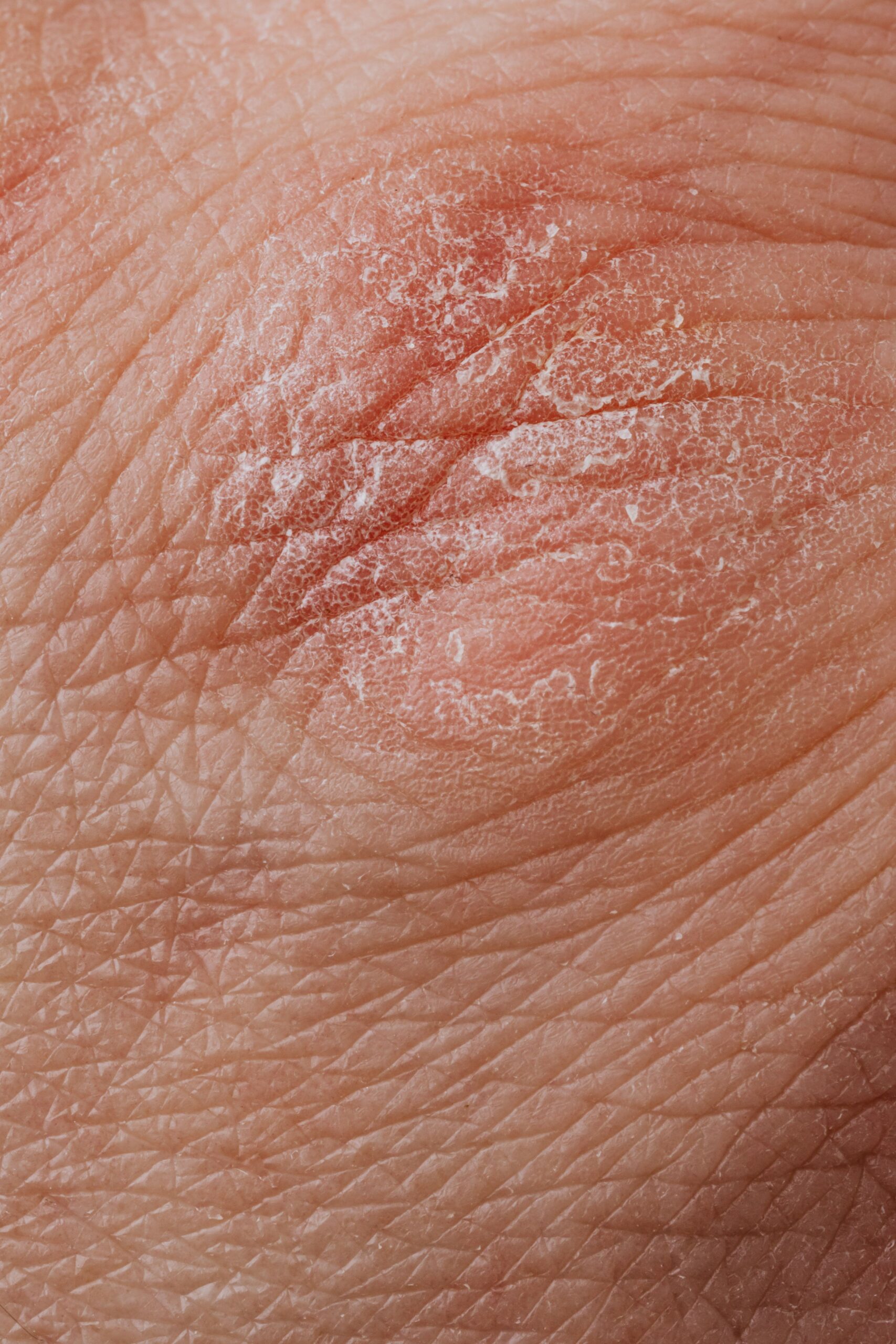
    Dry irritated skin from eczema or psoriasis that may benefit from phototherapy treatment in Chattanooga
    Chronic skin conditions like eczema and psoriasis often respond well to phototherapy when topical treatments are not enough.

    Phototherapy may not be recommended for patients with a history of certain photosensitive conditions or those taking medications that increase UV sensitivity. Your dermatologist will review your full medical history before recommending a treatment plan. This is a decision made together, based on your specific diagnosis and goals.

    Why Choose Chattanooga Skin and Cancer Clinic for Phototherapy

    Chattanooga Skin and Cancer Clinic has served the greater Chattanooga area since 1973, and phototherapy has been part of our treatment toolkit for patients who need more than topicals can provide. Our board-certified dermatologists oversee every treatment plan, and our clinical staff monitors each session to ensure safety and progress.

    If you have been struggling with psoriasis, eczema, or another chronic skin condition and nothing seems to be working, phototherapy treatment in Chattanooga may be the next step worth exploring. Call our office at 423-899-2700 to schedule a consultation, or visit our services page to learn more about the conditions we treat.

    FOLLOW US! @chattskinandcancer
  • Why Psoriasis and Eczema Flare Up in Summer Heat (and What Really Helps)

    Why Psoriasis and Eczema Flare Up in Summer Heat (and What Really Helps)

    A psoriasis eczema summer flare can catch you off guard. Summer is supposed to be the easy season for skin. The humidity rises, the air softens, and for many people dealing with psoriasis or eczema, the warmer months bring welcome relief. But for others, July and August are when things get worse. The heat itself becomes a trigger. Sweat pools in the creases of skin. Chlorine dries everything out. And suddenly a condition that felt manageable in spring is red, itchy, and impossible to ignore.

    If you are dealing with a psoriasis eczema summer flare, you are not imagining it, and you are not doing something wrong. Summer flares are a well-documented pattern, and they happen for specific, identifiable reasons. Understanding what sets them off puts you in a much better position to manage them. At Chattanooga Skin and Cancer Clinic’s Kimball office, our board-certified dermatologists treat psoriasis and eczema patients across the Kimball, Jasper, and surrounding communities, and summer flare-ups are among the most common concerns we hear from June through September.

    What Triggers a Psoriasis Eczema Summer Flare?

    Psoriasis is an immune-mediated condition where the body produces skin cells at an accelerated rate, producing thick, scaly patches. Many patients with psoriasis experience improvement from moderate sun exposure because UV light slows that overproduction. That is why some people associate summer with remission. But the triggers that come alongside warm weather can offset those benefits quickly.

    Heat and sweat are the top offenders. When body temperature rises, sweat can irritate already-sensitive plaques and trigger itching. Scratching damages the skin, and psoriasis has a tendency to develop in areas of skin injury, a phenomenon called the Koebner response. So a scratch becomes a new patch, and the cycle feeds itself. This is one of the most frustrating aspects of a psoriasis eczema summer flare, because the itch-scratch cycle accelerates faster in hot weather.

    Sunburn is another major trigger. While controlled UV exposure helps psoriasis, a burn does the opposite. Sunburned skin mounts an inflammatory response, and for someone with psoriasis, that inflammation can set off a flare across the body, not just in the burned area. The line between therapeutic sun and damaging sun is narrower than most people realize.

    Dehydration plays a quieter role. When the body loses water through heat and sweat without adequate replacement, the skin dries from the inside out. Psoriasis patches that stay dry crack and worsen, and the surrounding skin becomes more prone to irritation.

    Why Does Eczema Get Worse When It Is Hot Outside?

    Eczema, or atopic dermatitis, is driven by a compromised skin barrier that lets moisture escape and irritants in. Summer complicates every part of that equation. Sweat is a primary trigger for many eczema patients. The salt and minerals in perspiration irritate inflamed skin on contact, and areas where sweat collects, like the insides of elbows, behind the knees, and around the neck, become hotspots for flares.

    Chlorine from swimming pools strips natural oils from the skin, weakening the barrier further. A long afternoon at the pool can undo weeks of careful moisturizing. Saltwater creates similar problems for some patients, though others find it soothing. The response varies from person to person.

    Air conditioning introduces its own challenge. Moving between hot outdoor air and cold, dry indoor air stresses the skin. The constant shift in humidity levels makes it difficult for the skin barrier to stabilize, and the dry air pumped by AC units pulls moisture off the skin’s surface. For eczema patients, this back-and-forth between environments is a common but overlooked contributor to a psoriasis eczema summer flare.

    Insect repellent, sunscreen ingredients, and fragranced summer products all add to the chemical load on sensitive skin. For eczema-prone individuals, every new product layered on is a potential irritant.

    How Can You Tell the Difference Between a Flare and a New Condition?

    Not every summer rash is a psoriasis or eczema flare. Heat rash, contact dermatitis from plants or new products, fungal infections from trapped moisture, and sun-related reactions can all mimic or overlap with existing conditions. If your symptoms change character, appear in new locations, or do not respond to your usual treatment, it is worth having a dermatologist evaluate what is happening. Treating the wrong condition wastes time and can make the right one worse.

    A board-certified dermatologist can distinguish between these conditions with a clinical exam and, when necessary, a skin biopsy. At Chattanooga Skin and Cancer Clinic’s Kimball location, we see patients across a wide range of ages dealing with these overlapping issues, and accurate diagnosis is the first step toward relief.

    What Practical Steps Help Prevent Summer Flares?

    Managing a psoriasis eczema summer flare comes down to reducing triggers while maintaining the treatments that keep your condition stable. Start with your moisturizing routine. In summer, people tend to skip heavy creams because they feel greasy, but your skin barrier still needs them. Switching to a lighter, fragrance-free moisturizer applied right after bathing locks in hydration without the heavy feel. Apply it within three minutes of getting out of the shower while the skin is still damp.

    Woman wearing sun hat outdoors to protect sensitive skin during a psoriasis eczema summer flare
    Controlled sun exposure helps some psoriasis patients, but a sunburn can trigger a flare across the entire body. Hats and shade keep you on the right side of that line.

    After swimming, rinse off immediately. Do not let chlorine or salt sit on the skin. Pat dry gently and apply moisturizer right away. If pool water consistently triggers flares, applying a thin layer of petroleum jelly or barrier cream before swimming can reduce direct chemical contact with the skin.

    Clothing matters more than people give it credit for. Loose-fitting, breathable fabrics like cotton reduce sweat accumulation and friction. Tight synthetic materials trap heat and moisture against the skin, both of which worsen eczema and psoriasis. When exercising outdoors, change out of sweaty clothes as soon as possible and shower promptly.

    Stay hydrated from the inside. Drinking enough water throughout the day supports skin hydration at a systemic level. It will not cure a flare, but chronic dehydration makes every skin condition harder to manage.

    What Medical Treatments Help When Prevention Is Not Enough?

    When at-home strategies stop working, prescription-strength treatments bridge the gap. Topical corticosteroids remain a first-line option for managing acute flares of both psoriasis and eczema. They reduce inflammation and itching quickly, but they are intended for short-term use on affected areas. Calcineurin inhibitors like tacrolimus offer a steroid-free alternative for sensitive areas such as the face and skin folds. Your dermatologist at the Kimball office can prescribe and monitor these treatments to keep a psoriasis eczema summer flare from spiraling.

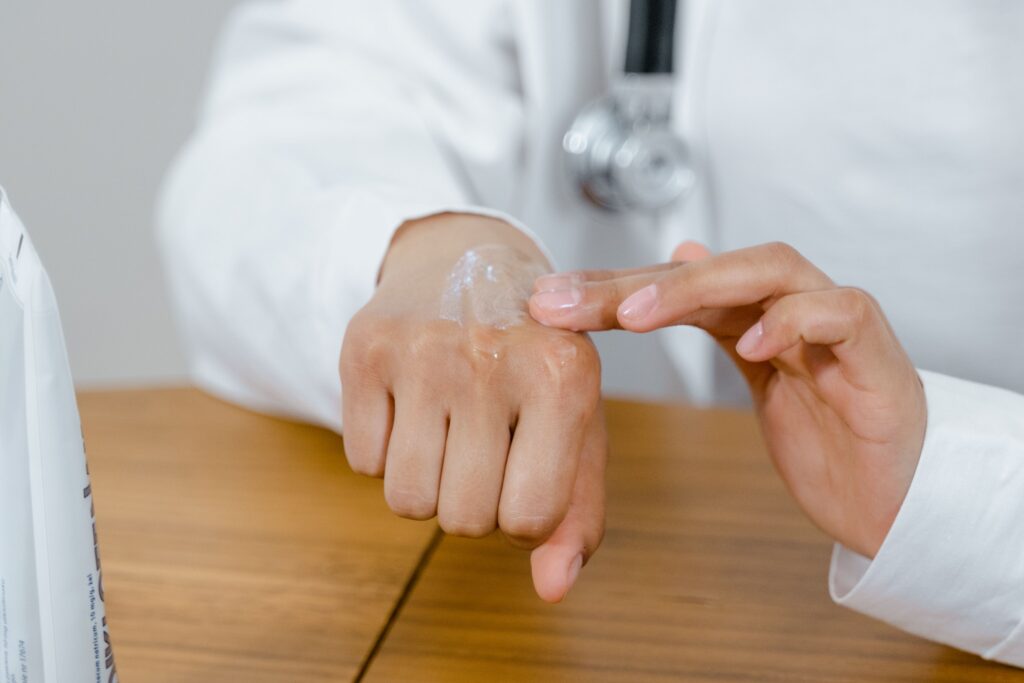
    Dermatologist applying prescription topical treatment for psoriasis eczema summer flare
    When at-home care is not enough, prescription topical treatments like corticosteroids and calcineurin inhibitors can bring a summer flare under control quickly.

    For moderate to severe psoriasis that does not respond to topical treatments, phototherapy is an option worth discussing with your dermatologist. Phototherapy uses controlled narrowband UVB light administered in a clinical setting to slow skin cell overproduction and reduce inflammation. Sessions are brief, and patients visit two to three times per week for a course of treatment. Our Chattanooga and Cleveland locations offer phototherapy for patients who qualify, and your Kimball dermatologist can coordinate a referral if this treatment is right for you.

    Biologic medications have changed the treatment picture for moderate to severe psoriasis and certain types of eczema. These prescription drugs target specific parts of the immune response driving the condition. They are not right for everyone, and they require monitoring, but for patients who have cycled through other treatments without lasting results, biologics can make a significant difference. According to the National Psoriasis Foundation, biologics can achieve 75 to 90 percent clearance in many patients.

    Frequently Asked Questions About Psoriasis and Eczema Summer Flares

    Can Sun Exposure Help or Hurt Psoriasis?

    Moderate, controlled sun exposure can improve psoriasis by slowing skin cell production. But sunburn triggers the opposite response, causing new flares and worsening existing patches. Short, consistent periods of sun exposure with proper protection on unaffected skin are the safest approach.

    Is It Safe to Swim with Eczema?

    Swimming is fine for most eczema patients as long as you take precautions. Rinse off immediately afterward, apply moisturizer within minutes, and consider a barrier cream before entering the water. If chlorine consistently causes flares, talk to your dermatologist about adjusting your management plan.

    Should You Change Your Skin Care Routine in the Summer?

    Yes. Lighter moisturizers, fragrance-free sunscreens, and more frequent reapplication of barrier products help address the specific challenges summer creates. Your prescription treatments may also need adjustment, so check in with your dermatologist when the season changes. A proactive adjustment to your routine is one of the simplest ways to reduce the severity of a psoriasis eczema summer flare.

    When Should You See a Dermatologist for a Summer Flare?

    If a flare does not improve within two weeks of at-home care, if it spreads to new areas, or if the itching or pain disrupts your sleep or daily routine, schedule an appointment. Infections can develop in broken or scratched skin, and a dermatologist can identify early signs before they become serious.

    Can Stress Make Summer Flares Worse?

    Yes. Stress is a well-documented trigger for both psoriasis and eczema. Summer schedules, travel, and changes in routine can increase stress levels, which in turn can amplify the inflammatory response. Managing stress through regular exercise, sleep, and mental health support helps your skin along with everything else.

    Summer does not have to mean months of discomfort if you have psoriasis or eczema. The right combination of daily skin care, trigger avoidance, and medical treatment keeps most flares manageable. If a psoriasis eczema summer flare is disrupting your life, Chattanooga Skin and Cancer Clinic’s Kimball office is here to help. We have been treating patients across Southeast Tennessee since 1973, and our dermatologists work with you to build a plan that fits your condition and your life. Visit us at 400 Dixie Lee Center Road in Kimball, Monday through Thursday, or call 423-815-9975 to schedule an appointment.

  • The Sunscreen Mistakes That Could Be Putting Your Skin at Risk

    The Sunscreen Mistakes That Could Be Putting Your Skin at Risk

    Sunscreen application mistakes are surprisingly common, and they affect people who are actively trying to protect themselves. You put on sunscreen before heading outside. You feel good about it. But what if the way you are applying it is leaving your skin more exposed than you think? The problem is rarely about skipping sunscreen altogether. It is about the small missteps that add up over time, from using too little product to missing entire areas of exposed skin. These errors can quietly increase your risk of sunburn, premature aging, and skin cancer, even when you believe you are doing everything right.

    July is UV Safety Awareness Month, which makes it a perfect time to take a closer look at your routine. Across the Kimball, Jasper, and surrounding areas in Southeast Tennessee, where summer temperatures push families outdoors for hiking, lake trips, and backyard cookouts, getting sunscreen right is not just helpful. It is a real health priority. At Chattanooga Skin and Cancer Clinic’s Kimball office, our board-certified dermatologists see the effects of UV damage year-round, and many cases trace back to sunscreen application mistakes that patients did not realize they were making.

    What Are the Most Common Sunscreen Application Mistakes?

    Woman applying sunscreen to arm by the pool to avoid common sunscreen application mistakes
    Applying sunscreen poolside instead of 15 minutes before going outside is one of the most common timing mistakes people make.

    The biggest mistake most people make is simple: they do not use enough. Dermatologists recommend about one ounce of sunscreen, roughly the amount that fills a shot glass, to cover the entire body. Studies from the Journal of the American Academy of Dermatology have found that most people apply only 25 to 50 percent of the recommended amount. That means even a high-SPF product is delivering a fraction of its labeled protection when spread too thin.

    Another frequent error is waiting until you are already outside to apply. Chemical sunscreens need about 15 to 20 minutes to absorb into the skin and start working. If you apply at the pool and immediately sit in the sun, you are unprotected during those first critical minutes. Mineral sunscreens with zinc oxide or titanium dioxide work on contact, but even those perform better when applied evenly and given a moment to set. Timing is one of the sunscreen application mistakes that is easiest to fix once you are aware of it.

    Skipping certain body parts is another problem that flies under the radar. The ears, the back of the neck, the tops of the feet, and the part line of the scalp are areas people routinely miss. Skin cancers frequently appear in these overlooked spots, and dermatologists at our Kimball office regularly treat patients who are surprised to learn they developed sun damage in places they never thought to protect.

    Does SPF Number Matter as Much as People Think?

    SPF ratings cause a lot of confusion. Many people assume that SPF 100 is twice as effective as SPF 50, but the math does not work that way. SPF 30 blocks about 97 percent of UVB rays. SPF 50 blocks roughly 98 percent. SPF 100 blocks around 99 percent. The jump between 30 and 100 is small when measuring actual protection. What matters far more than a higher number is how much you apply and how often you reapply.

    There is also the question of broad-spectrum protection. SPF measures defense against UVB rays, the ones that cause sunburn. But UVA rays, which penetrate deeper into the skin and contribute to aging and cancer risk, require a product labeled “broad spectrum” to be filtered out. Grabbing the highest SPF on the shelf without checking for broad-spectrum coverage is one of the most common sunscreen application mistakes, and it leaves a significant gap in your defense.

    How Often Should You Reapply Sunscreen?

    Reapplication is where most sunscreen routines fall apart. A single morning application does not last all day. Sunscreen breaks down with UV exposure, sweat, and water contact. The general rule is to reapply every two hours, and immediately after swimming or heavy sweating, regardless of what the product label says about water resistance. Skipping reapplication is among the most damaging sunscreen application mistakes because it leaves you exposed during the hours you are most active outdoors.

    Water-resistant sunscreen is not waterproof. The FDA does not allow the term “waterproof” on sunscreen labels because no product fully resists removal by water. Water-resistant formulas maintain their SPF for either 40 or 80 minutes of water exposure, depending on the product. After that window closes, you need a fresh layer. If you towel off, reapply right away, because friction removes sunscreen just as effectively as water.

    For people who wear makeup, reapplication feels complicated. Powder sunscreens and SPF setting sprays offer a way to add protection over makeup without disturbing your look. They are not a replacement for a full application in the morning, but they help maintain coverage as the day goes on.

    Can You Get Sunburned on Cloudy Days or Through Car Windows?

    Woman driving in summer sun with exposed skin showing risk of UV damage from sunscreen application mistakes
    Side windows do not block UVA rays. Daily commute exposure adds up over years and shows up as uneven sun damage on the driver’s side.

    Yes, and this is one of the most persistent misconceptions about UV protection. Up to 80 percent of UV rays penetrate cloud cover, which means overcast days carry a real risk. People who skip sunscreen because the sky looks gray are making one of the most avoidable mistakes there is.

    Car windows add another layer of false security. Standard windshields block most UVA and UVB rays, but side and rear windows only filter UVB. UVA rays pass through, and over time, that daily commute exposure adds up. Dermatologists see a pattern called “unilateral dermatoheliosis” in long-time drivers, where the left side of the face and left arm show noticeably more sun damage than the right. If you spend significant time driving, applying sunscreen to your face, neck, and hands every morning is a smart habit. Correcting these kinds of sunscreen application mistakes takes very little effort but pays off over years.

    What About Sunscreen and Vitamin D Concerns?

    A common reason people give for skipping sunscreen is the fear of becoming vitamin D deficient. While the skin does produce vitamin D through UV exposure, research consistently shows that regular sunscreen use does not lead to clinically significant deficiencies. People still get enough incidental UV exposure through normal daily activities, even when wearing sunscreen. For anyone concerned about their vitamin D levels, a simple blood test and a supplement are safer solutions than going unprotected in the sun.

    What Should a Proper Sunscreen Routine Look Like?

    A solid sunscreen routine starts before you leave the house. Apply a broad-spectrum SPF 30 or higher to all exposed skin about 15 minutes before going outside. Use a full ounce for your body and a nickel-sized amount for your face. Do not forget often-missed spots like the ears, the back of your hands, and any areas where hair is thin.

    Reapply every two hours, or sooner if you have been swimming, sweating, or toweling off. Keep a travel-size bottle in your car, your bag, or your desk drawer so reapplication is convenient. For lips, use a lip balm with SPF 15 or higher, since the lips are thin-skinned and particularly vulnerable to UV damage. Fixing sunscreen application mistakes is less about buying new products and more about using the products you already have correctly.

    Combine sunscreen with other forms of protection. Wide-brimmed hats, UV-blocking sunglasses, and UPF-rated clothing reduce the burden on sunscreen alone. Seeking shade during peak UV hours, between 10 a.m. and 4 p.m., makes a measurable difference.

    Frequently Asked Questions About Sunscreen Application Mistakes

    Does Darker Skin Need Sunscreen Too?

    Yes. While higher melanin levels provide some natural UV protection, people with darker skin tones can still develop sunburn, sun damage, and skin cancer. Melanoma in darker-skinned patients is often diagnosed at a later stage because of the misconception that sunscreen is unnecessary.

    Is Spray Sunscreen as Effective as Lotion?

    Spray sunscreen can work, but it is easy to apply unevenly. Wind blows the product away, and most people do not spray enough to get full coverage. If you prefer spray, hold the nozzle close to the skin and rub it in after spraying. For your face, spray it into your hands first and then apply.

    Can Expired Sunscreen Still Protect You?

    Sunscreen loses its effectiveness after the expiration date. The active ingredients break down over time, and the product may no longer deliver the SPF on the label. Check dates before the start of every summer season and replace anything past its prime.

    Should Babies and Toddlers Wear Sunscreen?

    The American Academy of Dermatology recommends keeping infants under six months out of direct sunlight entirely. For babies six months and older, use a mineral sunscreen with zinc oxide or titanium dioxide, which sits on the skin rather than being absorbed.

    Is Higher SPF Always the Better Choice?

    Not necessarily. SPF 30 provides excellent protection when applied correctly and reapplied on schedule. Higher-SPF products sometimes give people a false sense of security, causing them to apply less and reapply less often. Consistent application of SPF 30 outperforms careless application of SPF 100. This is one of the sunscreen application mistakes that catches the most people off guard.

    Protecting your skin does not have to be complicated, but it does require attention to the details. Avoiding common sunscreen application mistakes is one of the simplest things you can do for your long-term skin health. If you are in the Kimball, Jasper, or surrounding area and have questions about sun protection, skin checks, or anything related to your skin health, Chattanooga Skin and Cancer Clinic has been a trusted resource for over 50 years. Our board-certified dermatologists see patients at our Kimball location at 400 Dixie Lee Center Road, Monday through Thursday. Call 423-815-9975 to schedule a visit.

  • Teen Sports Acne in Summer: 6 Ways to Stop Breakouts Before They Start

    Teen Sports Acne in Summer: 6 Ways to Stop Breakouts Before They Start

    Teen sports acne in summer is one of the most common skin complaints dermatologists treat between June and August. Double practices, sports camps, and hours under a helmet or pads in the heat create breakouts that seem to multiply no matter what a teenager does to fight them. This is not a hygiene problem and it is not something kids grow out of on their own schedule. It is a predictable skin response to heat, sweat, friction, and the hormonal changes already happening during adolescence. The combination creates a perfect storm for clogged pores and inflamed skin.

    If your teen is dealing with acne that gets worse during their sport season, understanding the specific causes helps target the right solutions. Generic face wash advice only goes so far when the real triggers include chin straps, shoulder pads, and two-a-day practices in 90-degree heat. At Chattanooga Skin and Cancer Clinic’s Cleveland office, our dermatologists treat teens across the age spectrum for sports-related skin conditions, and summer is our busiest season for these visits.

    What Causes Teen Sports Acne in Summer?

    Acne develops when pores become clogged with a mix of dead skin cells, oil, and bacteria. Hormones during puberty increase oil production in the skin, which is why teenagers are more prone to breakouts than adults. Add the summer sports environment, and every factor that contributes to acne intensifies.

    Teen athletes playing soccer in summer heat where sweat and friction can cause sports acne
    Summer sports like soccer combine heat, sweat, and skin-to-skin contact, all of which contribute to breakouts in teen athletes.

    Heat increases oil production. When body temperature rises, sebaceous glands ramp up output to help cool the skin. That extra oil mixes with sweat and dead skin cells on the surface, filling pores faster than they can clear themselves. Humidity slows the evaporation of sweat, keeping that oil-and-sweat mixture sitting on the skin longer.

    Sweat itself does not directly cause acne, but it creates the conditions for it. Salt and minerals in sweat irritate pore linings when left on the skin, promoting inflammation. Bacteria that contribute to acne, particularly Cutibacterium acnes, thrive in warm, moist environments. A sweaty jersey pressed against the chest and back for hours gives those bacteria exactly what they need. This is why teen sports acne in summer tends to concentrate on the chest, back, and shoulders rather than just the face.

    What Is Acne Mechanica and Why Does It Affect Athletes?

    Acne mechanica is a specific form of acne caused by friction, pressure, and heat against the skin. It is the type of breakout most closely associated with sports. Helmets cause it along the forehead and jawline. Chin straps produce a ring of pimples along the chin and cheeks. Shoulder pads trigger it across the upper back and shoulders. Even headbands, sports bras, and tight compression shorts can cause acne mechanica in the areas they press against.

    The friction disrupts the skin’s surface and pushes dead cells and oil into pores, while the pressure prevents those pores from clearing naturally. When you add heat and sweat underneath the equipment, the trapped moisture softens the skin and makes it more susceptible to bacterial invasion. According to dermatology research published in the Cutis journal, acne mechanica is one of the most underrecognized forms of acne in the athletic population, because patients and parents assume it is ordinary teenage acne and do not mention the sports connection to their doctor. Recognizing acne mechanica as a distinct condition is one of the first steps to managing teen sports acne in summer effectively.

    The location of the breakout is the giveaway. If acne clusters specifically where equipment contacts the skin and worsens during the sport season, acne mechanica is the likely diagnosis.

    How Can Teen Athletes Reduce Breakouts During the Season?

    Timing is the most effective tool for controlling teen sports acne in summer. Showering within 20 minutes of finishing practice or a game makes a measurable difference. The longer sweat, oil, and bacteria sit on the skin after exercise, the more damage they do. A full shower is ideal, but at minimum, using a gentle cleanser on the face, chest, and back immediately after activity removes the worst of the buildup.

    The cleanser matters. A body wash or facial cleanser with two percent salicylic acid helps dissolve the oil and dead skin cells that clog pores. Benzoyl peroxide in a wash formula, at a concentration of five percent or lower, kills acne-causing bacteria on contact. These are available over the counter and are safe for daily use in teenagers. Avoid harsh scrubs or rough washcloths, which irritate the skin and make acne mechanica worse by adding more friction.

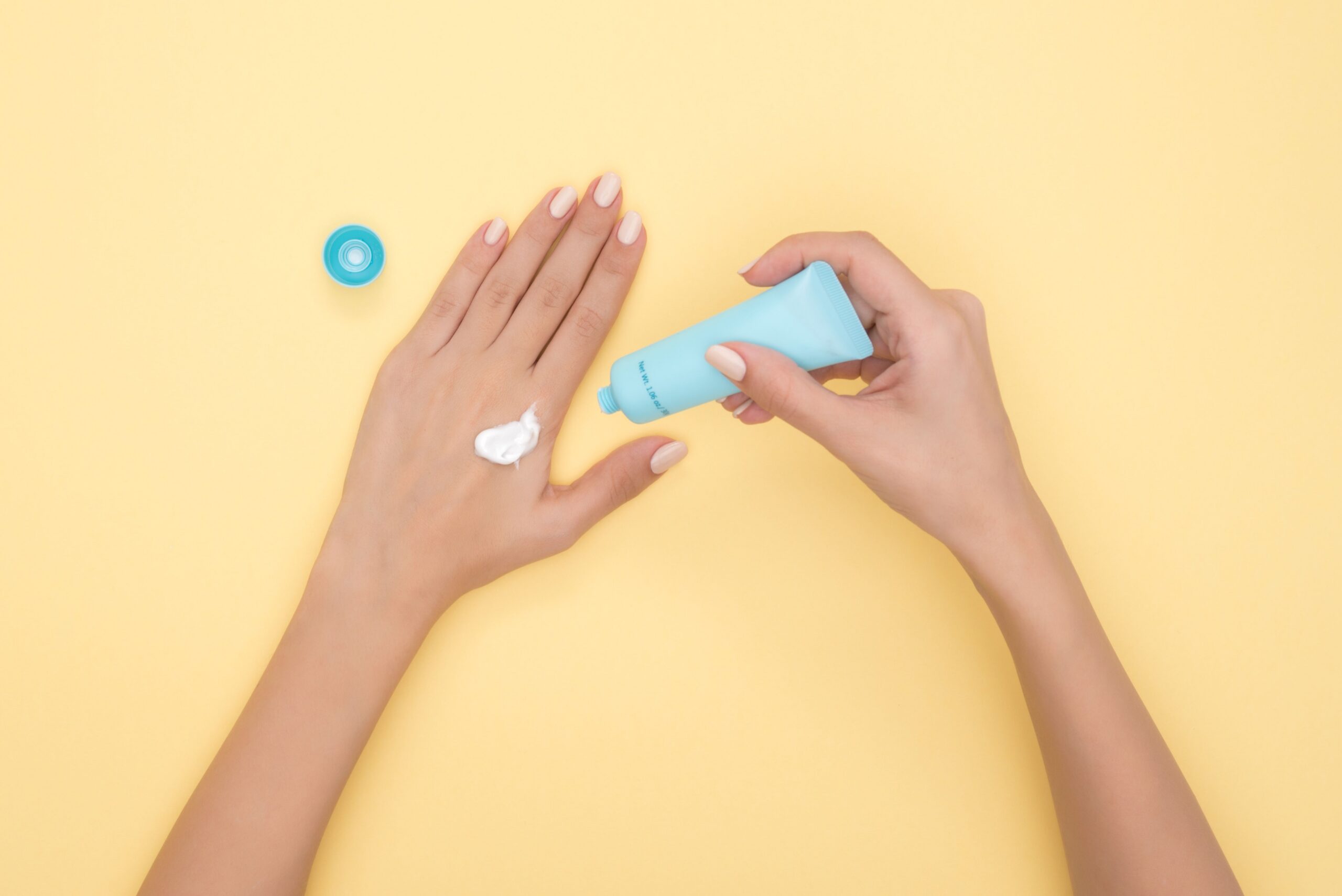
    Teen washing face with gentle cleanser to manage sports acne after summer practice
    A gentle cleanser with salicylic acid or benzoyl peroxide after practice helps clear the sweat, oil, and bacteria that cause summer sports breakouts.

    Clothing and equipment management plays a bigger role than most families realize. Wear moisture-wicking base layers under pads and helmets. Wash sports bras, compression shirts, and any fabric that contacts the skin after every use, not after every few uses. Wipe down the inside of helmets and pads with antibacterial wipes between practices. Letting equipment air out completely between sessions reduces bacterial buildup. Parents who stay on top of laundry and gear maintenance give their teen a real advantage against teen sports acne in summer.

    Keep hands off the face during practice and games. Athletes constantly wipe sweat from their foreheads and touch their faces with dirty gloves or hands, transferring bacteria directly into pores. A clean towel draped around the neck gives them something to reach for instead.

    What Role Does Diet Play in Teen Sports Acne?

    Diet’s connection to acne has been studied extensively, and the evidence points to two main factors. High-glycemic foods, those that spike blood sugar quickly like white bread, sugary sports drinks, candy, and processed snacks, appear to increase oil production and inflammation in the skin. A study published in the Journal of the Academy of Nutrition and Dietetics found a positive association between high-glycemic diets and acne severity in young adults.

    Dairy, particularly skim milk, has also been linked to increased acne in some studies, though the mechanism is not fully understood. Hormones naturally present in milk may interact with the hormones driving oil production during puberty. This does not mean every teenager needs to eliminate dairy, but if breakouts are persistent and not responding to topical treatments, dietary patterns are worth discussing with a dermatologist. For many teens, cleaning up their nutrition alongside a proper skin care routine is what finally gets teen sports acne in summer under control.

    Hydration with water instead of sugary or caffeinated beverages supports skin health during intense physical activity. Proper hydration keeps the body’s cooling system working efficiently and reduces the concentration of irritants in sweat.

    When Should Parents Bring Their Teen to a Dermatologist?

    Over-the-counter products handle mild acne well, but there are clear signs it is time for professional help. If breakouts are leaving dark marks or scars, that damage is worth preventing with stronger treatment. If acne covers the back, chest, and face and is not improving after six to eight weeks of consistent home care, a dermatologist can prescribe targeted therapies that work faster and more effectively. Teen sports acne in summer that does not respond to drugstore products within that window needs a clinical evaluation.

    Cystic acne, the deep, painful nodules that sit under the skin, rarely responds to drugstore products. These lesions carry a higher risk of permanent scarring and need prescription-level intervention. Teenagers sometimes minimize their acne or resist bringing it up, so parents should pay attention to changes in behavior, avoidance of activities, and visible scarring that suggest the condition is affecting quality of life.

    At the Cleveland office, we see patients from age 12 through adulthood for acne management. Treatment plans account for the specific demands of the patient’s sport, their schedule, and what they are realistically going to follow through on. A complicated ten-step routine does not help a 14-year-old who rushes through everything.

    What Prescription Treatments Work for Sports-Related Acne?

    Topical retinoids are a cornerstone treatment. They increase skin cell turnover, preventing dead cells from accumulating in the pore. Adapalene, available both over the counter and in prescription strengths, is a common starting point. It pairs well with benzoyl peroxide for a combination approach that targets both clogged pores and bacteria.

    Topical or oral antibiotics may be prescribed for moderate inflammatory acne. These are used for defined periods to reduce bacterial load and inflammation, not as permanent solutions. For female athletes dealing with hormonal acne patterns, oral contraceptives or spironolactone are sometimes appropriate, depending on age and overall health. Your dermatologist will match the prescription to the severity and type of teen sports acne your child is experiencing in summer.

    In severe cases, isotretinoin, commonly known by its former brand name Accutane, is the most effective treatment available. It reduces oil production dramatically and can produce long-lasting clearance. It requires close monitoring with monthly blood tests and, for female patients, pregnancy prevention measures. It is reserved for cases where other treatments have not succeeded, but for the right patient, it can be life-changing.

    Frequently Asked Questions About Teen Sports Acne in Summer

    Does Sunscreen Make Sports Acne Worse?

    It can if you use the wrong product. Heavy, oil-based sunscreens clog pores, especially under equipment. Choose a lightweight, non-comedogenic, oil-free mineral sunscreen. Apply it 15 minutes before practice and reapply as needed.

    Can Swimming Help Clear Up Acne?

    Chlorine has mild antibacterial properties, but it also dries and irritates the skin, which can worsen acne over time. Rinse off immediately after swimming and apply a gentle moisturizer. Do not rely on pool water as a treatment.

    Should Teen Athletes Use Acne Products Before Practice?

    Active treatments like benzoyl peroxide and retinoids are best applied at night after the skin is clean. Using them before practice can cause irritation when combined with sweat and friction. A gentle cleanser and lightweight moisturizer or sunscreen are all that is needed before activity.

    How Long Does It Take for Sports Acne to Improve with Treatment?

    Most acne treatments take six to eight weeks to show visible improvement. Starting a treatment plan before the sport season begins gives it time to take effect. If your teen has a camp or season starting in July, scheduling a dermatology appointment in May or early June puts you ahead of the problem.

    Is Sports-Related Acne Different from Regular Teenage Acne?

    The underlying causes overlap, but acne mechanica has distinct triggers related to equipment friction and heat trapping. A dermatologist who understands the sports connection can tailor the treatment plan accordingly, which leads to faster improvement than a generic acne approach.

    Teen sports acne in summer does not have to be an accepted part of being a young athlete. The right combination of hygiene habits, equipment care, and, when needed, professional treatment keeps skin manageable even during the most intense stretches of the season. Chattanooga Skin and Cancer Clinic’s Cleveland office at 3891 Adkisson Drive, Cleveland provides dermatology care for teens and young athletes across the Cleveland, Jasper, and surrounding communities. Call 423.479.8648 to schedule a visit.

  • How to Choose a Sunscreen That Won’t Clog Pores or Trigger Rosacea

    How to Choose a Sunscreen That Won’t Clog Pores or Trigger Rosacea

    Finding the best sunscreen for rosacea acne-prone skin can feel like solving a puzzle where every answer creates a new problem. You need UV protection, but the wrong formula breaks you out. You pick one labeled “sensitive skin,” and it turns your cheeks red within minutes. Sunscreen is non-negotiable for both rosacea and acne management, since UV exposure worsens both conditions. But the product you choose matters as much as wearing it in the first place.

    The good news is that once you understand which ingredients to seek out and which to avoid, the selection process becomes straightforward. You do not need to memorize brand names or follow influencer recommendations. You need to read labels with a clear sense of what your skin tolerates. At Chattanooga Skin and Cancer Clinic’s location in Chattanooga, our board-certified dermatologists help patients with rosacea and acne build skin care routines that protect without provoking flares, and sunscreen selection is one of the most frequent conversations we have.

    Why Does Sunscreen Cause Breakouts and Redness in Some People?

    Sunscreens are formulated with a mix of active UV filters, emollients, preservatives, and fragrances. Each of these components has the potential to clog pores or irritate reactive skin. For acne-prone individuals, heavy emollients and occlusive bases are the primary culprits. They create a film over the skin that traps oil and dead cells inside the pore, creating the perfect setup for a breakout.

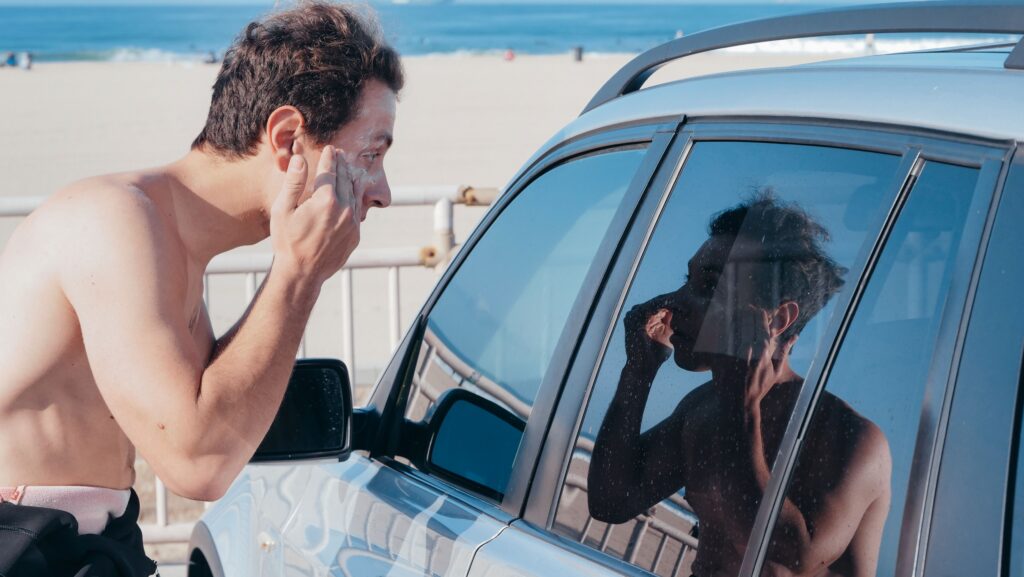
    Man with sun-exposed skin at the beach needing the best sunscreen for rosacea acne-prone skin
    UV exposure worsens both rosacea and acne, making daily sunscreen one of the most effective management tools for reactive skin.

    For rosacea patients, the triggers are different. Fragrances, chemical UV filters, and alcohol-based formulations cause vasodilation, the widening of blood vessels near the skin’s surface, which produces flushing, stinging, and that familiar burning sensation. Rosacea skin has a compromised barrier and heightened nerve sensitivity, so ingredients that feel fine on unaffected skin can cause an immediate reaction. This is why choosing the best sunscreen for rosacea acne-prone skin requires a different approach than grabbing whatever is on sale.

    The challenge is compounded by the fact that most mass-market sunscreens are designed for the general population and contain ingredients that create problems for both groups. Finding a product that works requires knowing what to look for on the back of the bottle, not the front.

    What Ingredients Make the Best Sunscreen for Rosacea Acne-Prone Skin?

    Mineral UV filters, specifically zinc oxide and titanium dioxide, are the safest starting point for both rosacea and acne-prone skin. These ingredients sit on top of the skin and deflect UV rays rather than absorbing them. Because they do not penetrate the skin, they are less likely to cause irritation, stinging, or allergic reactions. Zinc oxide has the added benefit of being mildly anti-inflammatory, which makes it particularly well-suited for rosacea patients.

    Look for the term “non-comedogenic” on the label. This indicates the product has been formulated to avoid clogging pores. It is not a regulated term with a strict definition, so it is not a guarantee, but products carrying this label tend to use lighter bases and fewer pore-blocking ingredients.

    Niacinamide is a beneficial addition to look for in sunscreen formulas. This form of vitamin B3 helps regulate oil production, reduces redness, and supports the skin barrier. It pairs well with mineral filters and adds a layer of skin-calming benefit on top of UV protection.

    Hyaluronic acid and glycerin in the formula signal a hydrating base that does not rely on heavy oils. Acne-prone skin still needs hydration, and these lightweight humectants provide it without contributing to congestion.

    What Ingredients Should You Avoid?

    Chemical UV filters like oxybenzone, avobenzone, octinoxate, and homosalate are absorbed into the skin to neutralize UV rays. For rosacea patients, these ingredients frequently cause stinging, burning, and flushing. Oxybenzone in particular is one of the most common contact allergens found in sunscreens, according to data from the American Contact Dermatitis Society. Any product containing these filters is unlikely to be the best sunscreen for rosacea acne-prone skin.

    Fragrance, whether listed as “fragrance,” “parfum,” or buried in a long ingredient list, is a consistent irritant for reactive skin. It serves no protective function and only adds risk. Products labeled “fragrance-free” are safer choices than those labeled “unscented,” because unscented products may still contain masking fragrances.

    Alcohol in forms like denatured alcohol or SD alcohol creates a quick-drying finish that many people like, but it strips the skin’s lipid barrier and can trigger burning in rosacea patients. It also dries out oily skin in a way that paradoxically increases oil production, which contributes to breakouts. Fatty alcohols like cetyl alcohol and cetearyl alcohol are different. They are emollients, not solvents, and are generally well-tolerated.

    Coconut oil derivatives and isopropyl myristate are highly comedogenic and appear in many sunscreen formulations as emollients. If you see these ingredients near the top of the list, the product is likely too heavy for acne-prone skin.

    What Texture and Format Work Best for Reactive Skin?

    Gel-based and fluid sunscreens tend to perform better for acne-prone skin than thick creams. They absorb quickly, leave a lighter finish, and are less likely to clog pores. Many mineral sunscreens now come in tinted fluid formulas that blend easily without leaving a white cast, which was a common complaint about earlier mineral products. When searching for the best sunscreen for rosacea acne-prone skin, lightweight fluids and gels are your strongest starting point.

    For rosacea, tinted mineral sunscreens offer a dual benefit. The iron oxides in tinted formulas provide protection against visible light, which research from the Journal of the American Academy of Dermatology has shown can trigger rosacea flares independently of UV exposure. A tinted mineral sunscreen protects against a broader range of light-induced reactions than an untinted one.

    Avoid aerosol sprays if you have rosacea. The propellants and alcohol used in spray formulations are common irritants, and the delivery method makes it difficult to apply an even, adequate layer. Stick formats can work for targeted areas like around the eyes, but check the ingredient list carefully because many stick sunscreens contain waxes that can clog pores.

    Woman rubbing sunscreen into arm outdoors as part of a daily routine for rosacea and acne-prone skin
    Rubbing sunscreen in evenly and reapplying every two hours protects reactive skin without relying on a higher SPF number.

    What Questions Should You Bring to Your Dermatologist?

    Your dermatologist can narrow your search for the best sunscreen for rosacea acne-prone skin based on your specific skin type, condition severity, and other products in your routine. Before your appointment, consider these questions. What type of rosacea do you have, since different subtypes react to different triggers? Are any of your current medications increasing your sun sensitivity? Is your current moisturizer compatible with the sunscreens you are considering? Would a prescription-grade product work better than an over-the-counter one?

    If you have both acne and rosacea, which can coexist and overlap in presentation, product selection becomes even more specific. A dermatologist can help you avoid the trial-and-error cycle that wastes money and aggravates your skin. At our Cleveland location, we work with patients to build regimens that account for multiple conditions at once.

    How Should You Test a New Sunscreen Before Committing?

    Patch testing at home is a simple habit that prevents bad reactions. Apply a small amount of the new product to the inside of your wrist or behind your ear. Wait 24 to 48 hours. If no redness, itching, or bumps develop, apply it to a small area of your face. Wait another day. If your skin stays calm, you can move to full application.

    Introduce only one new product at a time. If you change your sunscreen and your cleanser in the same week and develop a reaction, you will not know which product caused it. Patience with the testing process saves you from larger problems and gets you closer to finding the best sunscreen for rosacea acne-prone skin without wasting money on products that sit unused in your cabinet.

    Frequently Asked Questions About Sunscreen for Rosacea and Acne-Prone Skin

    Can Sunscreen Help Rosacea, or Does It Only Prevent Worsening?

    Sunscreen actively helps manage rosacea by reducing UV-triggered flares and preventing the cumulative vascular damage that makes the condition worse over time. UV exposure is one of the top-reported rosacea triggers according to the National Rosacea Society, so daily sunscreen use is a treatment strategy, not just prevention.

    What SPF Level Is Best for Sensitive Skin?

    SPF 30 is the standard recommendation. It blocks about 97 percent of UVB rays when applied correctly. Higher SPFs offer minimal additional protection and often include more chemical filters that increase irritation risk. For reactive skin, SPF 30 in a well-formulated mineral product outperforms SPF 50 in a formula full of irritants. The best sunscreen for rosacea acne-prone skin is one you will wear consistently, and SPF 30 in a tolerable formula beats SPF 50 that stings on application.

    Should You Wear Sunscreen Indoors if You Have Rosacea?

    If you sit near windows or spend time in front of screens for extended periods, wearing sunscreen indoors can be beneficial. UVA rays penetrate glass, and blue light from screens, while less studied, shows emerging evidence of contributing to skin changes in sensitive individuals. A tinted mineral sunscreen addresses both.

    How Do You Remove Mineral Sunscreen Without Irritating Your Skin?

    Mineral sunscreens can be stubborn to remove, and scrubbing causes irritation. A gentle, fragrance-free micellar water or a mild oil-based cleanser breaks down the mineral film without aggressive rubbing. Follow with a low-pH, non-foaming cleanser if needed. Avoid harsh exfoliants or scrubs on days you are wearing heavy sunscreen.

    Is It Okay to Use Sunscreen with Active Acne?

    Yes, and it is necessary. Many acne treatments, including retinoids, benzoyl peroxide, and certain antibiotics, increase sun sensitivity. Skipping sunscreen while using these products raises your risk of burns and post-inflammatory hyperpigmentation, the dark spots that linger after breakouts heal. A lightweight, non-comedogenic mineral sunscreen protects your skin without interfering with your acne treatment.

    Choosing the right sunscreen should not require a chemistry degree, but it does take some label literacy. Your dermatologist can cut through the confusion and point you toward the best sunscreen for rosacea acne-prone skin based on your specific needs. Chattanooga Skin and Cancer Clinic’s Chattanooga office specializes in treating both rosacea and acne, and our team is ready to help you find a sun protection routine that works with your skin, not against it. Call (423) 899-2700 or visit us at 6061 Shallowford Rd, Chattanooga, Tennessee.

  • Why Am I Breaking Out in a Rash After Being in the Sun? Understanding Sun Allergies

    Why Am I Breaking Out in a Rash After Being in the Sun? Understanding Sun Allergies

    A rash after sun exposure is more common than most people expect, and it points to something different from a standard sunburn. You spent an afternoon outdoors, and now your skin is covered in itchy, bumpy patches. It does not look like a burn. It does not feel like one either. The redness showed up in clusters, and the small raised bumps or blisters appeared on areas that were exposed to direct sunlight. Your skin may be reacting to the light itself.

    Sun allergies, known medically as photodermatoses, are a group of conditions where the immune system responds to ultraviolet light as though it were a threat. The most common form is polymorphic light eruption, or PLE, and it affects an estimated 10 to 20 percent of the population in varying degrees. If you have noticed a recurring rash after sun exposure, particularly in early summer when your skin has not yet adapted to stronger UV levels, you are likely dealing with this kind of reaction. At Chattanooga Skin and Cancer Clinic’s Chattanooga office, our board-certified dermatologists evaluate and treat these conditions regularly during the summer months.

    What Causes a Rash After Sun Exposure?

    Polymorphic light eruption is the most frequently diagnosed sun allergy. It shows up as clusters of small, itchy bumps, raised patches, or occasionally blisters on sun-exposed skin. The rash usually appears within hours of UV exposure and can last several days. It favors areas that have been covered during colder months and are suddenly exposed, like the chest, arms, and the backs of hands.

    Sunburn, by contrast, is direct UV damage to skin cells. It causes uniform redness across the exposed area, feels warm or hot to the touch, and peels as it heals. PLE produces a patchy, bumpy texture rather than even redness, and the discomfort is driven by itching rather than the raw, tender sensation of a burn. The two can occur at the same time, which adds confusion, but the treatments differ.

    PLE is not a one-time event. It tends to recur each spring or early summer when the skin encounters stronger UV levels after months of minimal exposure. Interestingly, many people with PLE experience a “hardening” effect as summer progresses, meaning repeated moderate sun exposure can gradually reduce the reaction. But that adaptation does not mean the condition has resolved. It returns when the cycle starts again the following year, and with it comes the same rash after sun exposure that appeared the previous season.

    What Other Types of Sun-Related Rashes Exist?

    PLE is the most common sun allergy, but it is not the only one. Solar urticaria produces hives, welts that appear within minutes of sun exposure and fade once you move into shade. It is less common but can be severe, sometimes causing dizziness or difficulty breathing in extreme cases. If you experience these symptoms, seek medical attention promptly.

    Photoallergic reactions occur when a substance on the skin, such as a chemical in sunscreen, fragrance, or medication, interacts with UV light to produce a rash. The rash shows up in areas where the product was applied and exposed to sunlight. Common culprits include certain antibiotics, nonsteroidal anti-inflammatory drugs, and some fragranced lotions. This type of rash after sun exposure is different from PLE because removing the triggering substance prevents the reaction from recurring.

    Woman applying gentle skincare to face as part of a routine to manage rash after sun exposure
    Patch testing new products one at a time and sticking to fragrance-free formulas helps prevent photoallergic reactions that mimic sun allergies.

    Phototoxic reactions look more like an exaggerated sunburn. Certain oral medications, including some blood pressure drugs and tetracycline antibiotics, make the skin abnormally sensitive to UV light. The result is a burn that appears faster and more intensely than normal. If you have started a new medication and notice your skin burning more easily, contact your prescribing physician or dermatologist.

    How Do Dermatologists Diagnose a Sun Allergy?

    Diagnosis starts with a detailed history. Your dermatologist will ask when the rash appears, how long it lasts, where on the body it shows up, and what products or medications you are using. The timing and distribution pattern often point to the specific type of photosensitivity. Describing your rash after sun exposure in detail, including how quickly it developed and how long it lasted, helps your dermatologist narrow the diagnosis faster.

    In some cases, phototesting is used. This involves exposing a small area of skin to controlled doses of UVA and UVB light to see how the skin reacts. Photopatch testing goes a step further by applying suspected allergens to the skin under UV exposure to identify photoallergic triggers. These tests are not needed for every patient, but they help when the cause of the reaction is unclear.

    A skin biopsy is occasionally performed when the rash does not fit a clear pattern or when other conditions like lupus need to be ruled out. Cutaneous lupus can produce sun-sensitive rashes that overlap in appearance with PLE, so distinguishing between them is clinically important.

    What Treatments Work for Sun-Related Rashes?

    For mild PLE, the first step is getting out of the sun and allowing the rash to resolve on its own, which it usually does within a week. Over-the-counter hydrocortisone cream can reduce itching and inflammation during that window. Cool compresses and fragrance-free moisturizers help with comfort.

    For more persistent or severe cases, a dermatologist may prescribe a stronger topical corticosteroid or an oral antihistamine. Patients with frequent or debilitating flares sometimes benefit from a course of controlled phototherapy before summer begins. This involves gradual, supervised UV exposure in a clinical setting that desensitizes the skin and reduces the intensity of the rash after sun exposure once the season picks up. Our Cleveland and Chattanooga offices offer this treatment for patients who qualify.

    If a medication is the cause of your photosensitivity, your doctor may adjust the prescription or recommend strict sun avoidance strategies while you are taking it. For photoallergic reactions, identifying and removing the triggering product resolves the problem.

    How Can You Prevent Sun-Related Rashes Before They Start?

    Gradual sun exposure in the early weeks of summer helps condition the skin if you are prone to PLE. Start with short periods of sun and increase slowly over days and weeks. This mimics the hardening effect that reduces flare intensity as the season progresses.

    Family applying sunscreen at the beach to prevent rash after sun exposure
    Broad-spectrum sunscreen with strong UVA protection is one of the most effective ways to prevent sun-triggered rashes before they start.

    Broad-spectrum sunscreen is non-negotiable. Choose a product rated SPF 30 or higher with strong UVA protection, since UVA is the primary wavelength responsible for PLE in many patients. Apply generously and reapply every two hours. For people with known sun allergies, sun-protective clothing with a UPF rating offers reliable coverage without depending on reapplication.

    Be cautious with new skin care products during peak sun season. Introduce one product at a time and test it on a small area before applying it broadly. Read medication labels and pharmacy handouts for photosensitivity warnings, and ask your pharmacist if you are unsure. Many cases of rash after sun exposure trace back to a new product or prescription that nobody flagged as a potential trigger.

    Plan outdoor activities for early morning or late afternoon when UV intensity drops. Shade, hats, and long sleeves may not feel glamorous in July, but they are the most effective physical barriers against UV-triggered reactions.

    Frequently Asked Questions About Rashes After Sun Exposure

    Can Children Develop Sun Allergies?

    Yes. PLE and other photodermatoses can appear in children, sometimes as early as their first significant sun exposure of the season. If your child develops an unexplained rash after being outdoors, a pediatric dermatology evaluation can identify the cause and establish a prevention plan.

    Are Sun Allergies Hereditary?

    There is a genetic component. Research published in the British Journal of Dermatology found that people with a family history of PLE are more likely to develop it themselves. If sun rashes run in your family, take preventive steps from the start of summer.

    Can a Sun Allergy Develop Later in Life?

    Yes. While PLE often first appears in young adulthood, it can develop at any age. New medications, hormonal changes, and changes in immune function can all trigger a first episode. A rash after sun exposure that you have never experienced before still warrants a dermatology visit, since identifying the cause early prevents repeated flares.

    Is a Sun Allergy the Same as Being Sensitive to Sunlight?

    Not exactly. Photosensitivity is a broader term that includes drug-induced reactions and conditions like lupus, while sun allergies specifically refer to immune-mediated responses to UV light like PLE and solar urticaria. Your dermatologist can determine which category your reaction falls into.

    Should You Avoid the Sun Completely if You Have a Sun Allergy?

    Complete avoidance is rarely necessary or practical. With the right precautions, including sunscreen, protective clothing, and gradual exposure, most people with sun allergies can enjoy outdoor activities. The goal is management, not isolation.

    A rash after sun exposure deserves more than a guess. If you are dealing with recurring reactions or a rash that does not behave like a normal sunburn, a board-certified dermatologist can provide a clear diagnosis and a targeted plan. Chattanooga Skin and Cancer Clinic’s location in Chattanooga is ready to help. Call (423) 899-2700 or visit us at 6061 Shallowford Rd, Chattanooga, Tennessee.

  • Chlorine Skin Irritation in Kids: Is Pool Water Bad for Your Child’s Skin?

    Chlorine Skin Irritation in Kids: Is Pool Water Bad for Your Child’s Skin?

    Chlorine keeps pool water safe by killing harmful bacteria and preventing waterborne illness. It does its job well. But the same chemical properties that make chlorine effective as a disinfectant also make it harsh on skin, and children’s skin is more vulnerable to that harshness than an adult’s. If your child has been coming home from the pool with dry, itchy, red, or flaking skin, the chlorine is the most likely cause. Chlorine skin irritation in kids is one of the most common summer complaints pediatric dermatologists hear.

    Pool season in Southeast Tennessee runs hot and long. Kids may be in the water four or five days a week between swim team, summer camp, and family trips to the neighborhood pool. That level of exposure adds up. Understanding how chlorine affects your child’s skin and what you can do about it lets your family enjoy the water without paying for it later in rashes, dryness, and discomfort. At Chattanooga Skin and Cancer Clinic’s Cleveland office, we treat children of all ages for summer skin issues, and pool-related irritation is at the top of the list from June through August.

    What Causes Chlorine Skin Irritation in Kids?

    Chlorine is an oxidizer. It works by breaking down organic matter on contact, which is how it neutralizes bacteria in pool water. But it does not distinguish between harmful microbes and the natural oils and proteins that protect your child’s skin. When a child sits in chlorinated water, the chemical strips away the skin’s lipid layer, the thin film of natural oils that keeps moisture locked in and irritants locked out.

    Children’s skin is thinner than adult skin and produces less natural oil. That makes the lipid barrier easier to disrupt and slower to recover. After even a single pool session, a child’s skin can lose enough of its protective layer to feel tight, dry, and rough. Repeated exposure without proper aftercare compounds the damage, resulting in cracking, flaking, and persistent itchiness that can last for days between swim sessions.

    The pH of pool water also plays a role. Well-maintained pools keep their pH between 7.2 and 7.8, which is close to neutral and relatively gentle. But many public and neighborhood pools fluctuate outside that range, especially during heavy-use periods. Water that is too acidic or too alkaline intensifies irritation and speeds up the breakdown of the skin barrier.

    Child swimming in chlorinated pool water during summer with sun hat and float
    Frequent pool visits during summer can strip natural oils from children’s skin, making post-swim rinsing and moisturizing a must.

    What Does Chlorine Irritation Look Like on a Child?

    The most common presentation is dry, rough patches of skin that appear after swimming and worsen with repeated exposure. The skin may look slightly red or feel bumpy, similar to mild sandpaper. Itching is the hallmark symptom, and children who scratch at irritated skin risk breaking it open, which creates an entry point for infection.

    Chlorine rash, sometimes called “swimming pool rash” by parents, presents as red, itchy patches or small bumps concentrated on areas the swimsuit did not cover. It differs from a bacterial rash called hot tub folliculitis, which produces pus-filled bumps caused by the Pseudomonas aeruginosa bacterium and is most often associated with inadequately chlorinated hot tubs and spas rather than properly maintained pools.

    In children with pre-existing eczema, chlorine exposure can trigger a full flare. The skin becomes inflamed, weepy, or cracked in areas that were previously stable. A study published in the British Journal of Dermatology found that children with atopic dermatitis experienced worsened skin barrier function after swimming in chlorinated pools compared to non-chlorinated water. For these kids, prevention strategies need to be more aggressive.

    Does Chlorine Cause Long-Term Damage to Skin?

    Occasional pool use does not cause lasting skin damage in healthy children. The skin’s lipid barrier regenerates, and short-term dryness resolves with basic moisturizing care. The concern arises with frequent, prolonged exposure without protective measures. Children on competitive swim teams who train daily may experience chronic dryness, contact dermatitis, and worsening of underlying conditions like eczema over the course of a full season.

    Chlorine can also affect hair and nails. Hair becomes brittle, dry, and may take on a greenish tint from copper compounds in pool water reacting with chlorine. Nails can become discolored or brittle with prolonged exposure. These effects reverse once the exposure stops, but they are a visible indicator that the chemical is making contact with the body’s keratin structures.

    What Steps Protect Your Child’s Skin Before and After Swimming?

    Pre-swim preparation makes a bigger difference than most parents expect. Have your child shower with fresh water immediately before getting into the pool. Wet skin absorbs less chlorinated water than dry skin. Think of it like a sponge: a dry sponge soaks up everything it contacts, while a damp sponge resists new liquid. Rinsing first reduces the amount of chlorine the skin takes in during the swim.

    Applying a thin layer of petroleum jelly or a barrier cream to areas prone to irritation, like the face, underarms, and inner thighs, creates a physical shield between the skin and the water. This works particularly well for children with eczema who need extra protection. Some parents apply a fragrance-free body oil before swimming to add a layer of protection; coconut oil and sunflower seed oil are popular options, though individual tolerance varies.

    Parent applying skin protection to child before swimming to prevent chlorine skin irritation
    Applying a barrier cream or moisturizer before swimming helps reduce chlorine contact with your child’s skin.

    Immediately after swimming, rinse your child off with fresh water. Do not wait until you get home. The sooner the chlorine comes off, the less time it has to continue stripping the skin. Use a gentle, fragrance-free soap or body wash to remove the chemical residue. Avoid hot water, which dries the skin further. Lukewarm is best.

    Within three minutes of getting out of the rinse, apply a thick, fragrance-free moisturizer to the entire body. Creams and ointments outperform lotions for post-swim recovery because they contain a higher ratio of oil to water, which seals moisture into the skin more effectively. Apply it to damp skin, which traps water against the surface and gives the moisturizer a base to lock in.

    What About Saltwater Pools and Alternatives?

    Saltwater pools are marketed as gentler alternatives, and there is some truth to that. These pools still use chlorine, generated by a salt-chlorine generator rather than added manually, but the concentration is lower than in traditional pools. The salt content also makes the water feel softer on the skin. Many children with chlorine sensitivity tolerate saltwater pools better, though they are not chlorine-free and can still cause irritation with extended use.

    UV and ozone pool sanitation systems reduce the amount of chlorine needed, which may benefit sensitive-skinned children. However, these systems are not yet common in public pools and community facilities. If your child has significant chlorine sensitivity, asking about the pool’s sanitation method before committing to a full summer of swim lessons can help you make an informed choice and prevent chlorine skin irritation.

    When Should You Take Your Child to a Dermatologist for Pool-Related Skin Issues?

    If your child’s post-swim skin irritation does not improve with consistent rinsing and moisturizing, it is time for a professional evaluation. Persistent redness, cracking, bleeding, or signs of infection like warmth, swelling, or pus indicate that the skin barrier has been compromised in a way that home care alone cannot fix. A dermatologist can prescribe targeted treatments to repair the barrier and reduce inflammation.

    Children with eczema who want to swim competitively need a management plan built around their swim schedule. This may include prescription barrier repair creams, modified moisturizing routines, and occasional use of topical anti-inflammatory medications after high-exposure days. Building that plan before the season starts prevents chlorine skin irritation and keeps the child in the water.

    If you are unsure if your child’s rash is from chlorine, from another cause like a fungal infection or heat rash, or from something in the pool environment like an allergic reaction to a different chemical, a clinical evaluation clarifies the diagnosis and avoids mistreatment.

    Frequently Asked Questions About Chlorine and Kids’ Skin

    Can Chlorine Cause an Allergic Reaction?

    True chlorine allergy is rare. What most people call a chlorine allergy is contact irritation caused by the stripping of the skin barrier. The symptoms, redness, itching, and dryness, overlap with an allergic response but are driven by irritation rather than an immune reaction. A dermatologist can determine which mechanism is at play through patch testing if needed.

    How Long Should Kids Stay in a Chlorinated Pool?

    There is no strict time limit, but longer sessions mean more chemical exposure. For children with sensitive skin, limiting continuous pool time to 60 to 90 minutes and rinsing afterward is a practical approach. Breaks out of the water allow the skin to recover and reduce cumulative chlorine skin irritation during the session.

    Is It Safe for Babies to Swim in Chlorinated Pools?

    Pediatricians generally consider chlorinated pools safe for babies over six months of age. Infant skin is extremely thin and permeable, so keep sessions short, rinse immediately afterward, and apply a thick barrier moisturizer. Avoid pools where the chlorine smell is overwhelming, as that indicates high chemical concentration or poor ventilation.

    Does Chlorine Make Eczema Worse?

    For many children with eczema, yes. Chlorine disrupts the already-impaired skin barrier, inviting moisture loss and inflammation. Pre-swim barrier protection and immediate post-swim care can mitigate this. Some eczema patients tolerate pool water well with proper preparation, so individual response shapes the approach.

    Should Kids Wear a Rash Guard to Reduce Chlorine Exposure?

    Rash guards reduce the amount of skin in direct contact with pool water, which limits chlorine exposure on covered areas, and can prevent chlorine skin irritation. For children with widespread eczema or chronic irritation, wearing a rash guard during swim practice or recreational swimming is a simple, effective protective measure.

    Summer pool time is one of the highlights of childhood, and chlorine irritation does not have to cut it short. With the right preparation and aftercare, most children can swim regularly without persistent skin problems. When home measures are not enough, the pediatric dermatology team at Chattanooga Skin and Cancer Clinic’s Cleveland location is here to help. We see patients at 3891 Adkisson Drive, Cleveland in Cleveland, Monday through Thursday. Call 423.479.8648 to schedule an appointment.

  • What Does a Dermatologist Really Treat? 10 Conditions Most People Don’t Know About

    What Does a Dermatologist Really Treat? 10 Conditions Most People Don’t Know About

    What Does a Dermatologist Really Treat? 10 Conditions Most People Don’t Know About

    A board-certified dermatologist conducting a professional medical skin evaluation on an adult patient's face at Chattanooga Skin and Cancer Clinic.
    Board-certified providers offer clinical evaluations for a wide range of chronic and acute skin conditions in Southeast Tennessee.

    Most people make their first dermatology appointment for one of two reasons: a suspicious spot they have been watching, or acne that will not clear up no matter what they try. Both are completely valid reasons to come in. The part that surprises most new patients is what they learn once they are there.

    Dermatology covers a wide range of conditions affecting the skin, hair, and nails. Skin cancer screenings and acne treatment are part of it, but so are chronic inflammatory conditions, hair loss, nail disorders, rashes that have defied every over-the-counter remedy, and conditions that started in childhood and followed a person into adulthood. Dermatologists are medical specialists with years of training specifically in skin health, which means the scope of what they diagnose and treat is considerably broader than most patients expect.

    At Chattanooga Skin and Cancer Clinic, patients have been coming in since 1973 for exactly that reason. Some know what they need. Others arrive with a condition their primary care doctor referred them for, or a symptom they have been trying to manage on their own. This post walks through what dermatologists treat, why some conditions belong in a specialist’s office rather than a general practitioner’s, and what patients in the Chattanooga area can expect when they come in.


    What Is a Dermatologist and How Is Their Training Different?

    A dermatologist is a physician who completed medical school, then spent three or more additional years in a dermatology residency focused entirely on skin, hair, and nail conditions. That residency includes surgical training, dermatopathology, and exposure to thousands of conditions ranging from common to rare. Board certification follows a rigorous examination process.

    This level of specialization matters because the skin is the body’s largest organ, and its conditions are numerous. More than 3,000 distinct skin conditions exist, according to the American Academy of Dermatology. A primary care physician can identify and treat many of the most common ones, but conditions that are chronic, resistant to standard treatment, or require a visual and clinical expertise built through years of practice are best managed by a specialist.

    All providers at Chattanooga Skin and Cancer Clinic are board-certified, and the practice has been operating in Southeast Tennessee for over 50 years. That depth of experience shapes how providers approach everything from a first-time skin check to a complex surgical case.


    Does a Dermatologist Only Treat Skin Cancer?

    Close-up of a patient with stubborn acne blemishes on their cheek seeking medical treatment from a dermatologist in Cleveland, TN.
    Persistent acne, driven by hormonal shifts or genetics, often requires a personalized prescription approach from a specialist.

    Skin cancer is one of the most important things a dermatologist diagnoses and treats, but it is far from the only one. The misconception that dermatology is primarily about cancer screenings keeps a lot of people from seeking care for conditions that are making their daily lives harder.

    Skin cancer detection and treatment, including Mohs micrographic surgery for basal cell and squamous cell carcinomas, is a core part of what the team at Chattanooga Skin and Cancer Clinic does. Mohs surgery is available at the Chattanooga and Cleveland locations and offers the highest cure rate for eligible skin cancers while preserving as much healthy tissue as possible. Melanoma screening, diagnosis, and treatment are also part of the practice’s focus.

    Outside of cancer, dermatologists manage a full range of medical conditions. Chronic inflammatory skin diseases like psoriasis, eczema, and rosacea require ongoing management that goes well past what an over-the-counter cream can provide. Acne, particularly adult acne driven by hormonal shifts, often needs a prescription approach that only a provider can prescribe. Rashes, allergic reactions, infections, warts, cysts, and moles all fall within a dermatologist’s scope of practice. So do hair loss, nail disorders, and conditions in children that can start as early as infancy.


    What Chronic Skin Conditions Can a Dermatologist Help Manage?

    Chronic conditions are where dermatology makes some of its most meaningful impact. These are conditions that do not go away on their own and that get worse without proper management. Living with one of them long-term without specialist care often means cycles of flare-ups, missed work, disrupted sleep, and real psychological strain.

    Is Psoriasis Something a Dermatologist Treats?

    A female dermatologist in a white coat explaining prescription biologics and targeted treatments to a patient in Chattanooga, Tennessee.
    Modern medical dermatology utilizes advanced targeted therapies and biologics to manage severe chronic skin conditions effectively.

    Psoriasis is an autoimmune condition that causes the skin to produce cells too rapidly, resulting in thick, scaly plaques that are often red, itchy, and uncomfortable. It shows up most often on the elbows, knees, scalp, and lower back, but it can appear anywhere on the body. Psoriasis is also associated with psoriatic arthritis, which affects joints and requires coordinated care.

    Treatment options have advanced considerably in recent years. Biologics and targeted therapies have given patients with moderate to severe psoriasis access to outcomes that were not possible even a decade ago. A dermatologist stays current on those options and can match the right treatment to the patient’s specific disease pattern, severity, and medical history.

    Can a Dermatologist Help With Eczema?

    Eczema, or atopic dermatitis, is one of the most common skin conditions in the United States, affecting about 31 million Americans according to the National Eczema Association. It causes dry, inflamed, itchy skin that can crack, bleed, and become infected when scratched. In children, it often appears on the face and in the skin creases. Adults tend to see it on the hands, neck, and inside of the elbows.

    Managing eczema well requires understanding a patient’s triggers, their skin barrier function, and the appropriate prescription options for their age and severity. The team at Chattanooga Skin and Cancer Clinic sees pediatric patients from infancy through adolescence and adult patients at all three locations. Consistent dermatology care for eczema reduces the frequency and severity of flares in a meaningful way.

    What About Rosacea?

    Rosacea is a chronic inflammatory condition that causes persistent facial redness, visible blood vessels, and sometimes acne-like bumps. It affects the cheeks, nose, forehead, and chin most often, and it is frequently mistaken for flushing or sensitive skin. Without treatment, rosacea progresses over time.

    Common triggers include heat, sun exposure, alcohol, spicy food, and stress. A dermatologist can confirm the diagnosis, identify a patient’s specific subtype, and recommend a combination of topical treatments, oral medications, and trigger management strategies. For patients in Chattanooga and the surrounding area, getting a definitive diagnosis from a board-certified provider is the starting point for effective long-term control.


    What Acute Conditions Bring Patients to a Dermatologist?

    Not every dermatology visit is about a chronic condition. Plenty of patients come in for something that developed recently and needs a prompt evaluation.

    Mole removal and evaluation is one of the most common acute reasons for a dermatology visit. A mole that has changed in size, shape, or color, or one that bleeds or itches without explanation, needs to be looked at by a trained eye. A dermatologist can examine the mole with a dermatoscope, determine whether a biopsy is necessary, and walk the patient through the results.

    Warts, cysts, and skin tags are also common reasons patients come in. These are benign growths, but they can be cosmetically bothersome, uncomfortable, or positioned in a way that causes irritation. Treatment options range from freezing to excision depending on the type and location. Rashes, allergic reactions, and skin infections round out the acute side of dermatology practice. Many patients come in after a rash has persisted for weeks without improvement, or after an over-the-counter treatment has made things worse rather than better. A provider can identify the underlying cause and prescribe the right course of action.


    Do Dermatologists Treat Children?

    Yes, and pediatric dermatology is an area where specialist care makes a significant difference. Children experience many of the same conditions as adults, but the presentation can differ, and treatment protocols are adjusted for age and developmental stage.

    Eczema is one of the most common pediatric skin conditions and one of the most underdiagnosed. Infants can develop it within the first few months of life. Warts, molluscum contagiosum, birthmarks, and scalp conditions are also common in children and teenagers. Acne in adolescents is another major area where a dermatologist provides real value, particularly when over-the-counter products have not produced results and the condition is starting to affect a young person’s confidence.

    At Chattanooga Skin and Cancer Clinic, pediatric and adolescent patients are seen at the Chattanooga and Cleveland locations. The practice has served families across the region for generations, which means a parent who came in as a teenager may now be bringing their own child in for care.


    When Should You See a Dermatologist Instead of Your Primary Care Doctor?

    Primary care physicians handle a wide range of skin issues well, and many straightforward cases can be managed at that level. A dermatologist is the right call when a condition is not responding to standard treatment, when it keeps coming back, when a visual evaluation from a trained specialist is needed, or when the patient wants access to the full range of treatment options including prescription biologics, surgical procedures, and advanced diagnostic tools.

    Annual full-body skin checks are something dermatologists do that general practitioners rarely perform in the same depth. A 15-minute full-body exam by a board-certified dermatologist covers areas a patient cannot easily see on their own, and it creates a documented baseline that makes future changes easier to identify. For patients over 35, for those with a family history of skin cancer, and for anyone who has spent significant time in the sun over the years, that annual check is worth making part of the regular health routine.

    Chattanooga Skin and Cancer Clinic accepts new patients at all three locations, in Chattanooga, Cleveland, and Kimball. No referral is required to schedule an appointment.


    Frequently Asked Questions

    Do I need a referral to see a dermatologist at Chattanooga Skin and Cancer Clinic? No. Chattanooga Skin and Cancer Clinic accepts new patients directly at all three locations without a referral. Appointments can be scheduled by calling the location nearest to you or visiting chattskinandcancer.com.

    What should I bring to my first dermatology appointment? Bring a list of your current medications and any supplements you take. Write down your skin concerns before the appointment, including how long each one has been present and what you have already tried. If you have a spot that comes and goes, take a photo of it when it is active. Coming with clean skin, free of heavy makeup or lotion in the areas you want evaluated, also helps the provider get the clearest view possible.

    Can a dermatologist help with hair loss? Yes. Hair loss has many causes, including autoimmune conditions, hormonal changes, nutritional deficiencies, and inflammatory scalp diseases. A dermatologist can evaluate the pattern and characteristics of hair loss, run relevant testing, and recommend treatment options. The scalp is skin, and scalp health is within a dermatologist’s scope of practice.

    How often should someone get a full-body skin check? For most adults, once a year is the standard recommendation. Patients with a personal or family history of skin cancer, a large number of moles, or significant past sun exposure may benefit from more frequent monitoring. Your provider at Chattanooga Skin and Cancer Clinic can recommend the right schedule based on your individual history during your first visit.

    Does Chattanooga Skin and Cancer Clinic see patients of all ages? Yes. The practice treats patients from infancy through elderly, making it a resource for the entire family. Pediatric and adolescent patients are seen at the Chattanooga and Cleveland locations. The Kimball location serves adult patients and handles medical dermatology conditions.

    What is the difference between medical and cosmetic dermatology? Medical dermatology focuses on diagnosing and treating conditions that affect health, including skin cancer, chronic inflammatory diseases, infections, and hair and nail disorders. Cosmetic dermatology focuses on aesthetic procedures like injectables and resurfacing treatments. Chattanooga Skin and Cancer Clinic is a medical dermatology practice. The providers focus on health-based care rather than cosmetic services.